Key Takeaways
| Saoirse Ronan delivers a powerhouse performance in the new dark comedy Bad Apples. |
| The film depicts a teacher kidnapping a disruptive pupil to improve classroom dynamics. |
| Critics note that the film lacks the necessary bite to function as a truly sharp satire. |
| The screenplay relies heavily on the star’s presence to mask significant plot inconsistencies. |
You might think a classroom drama couldn’t possibly spiral into a dark, basement-dwelling thriller, but Bad Apples review discourse suggests exactly that. Saoirse Ronan stars in this 2026 production as Maria, a teacher pushed to the edge by a violent student. While the premise attempts a bold tonal shift, the film struggles to reconcile its horror elements with its satirical ambitions.
The film, directed by Jonatan Etzler, leans heavily on the charisma of its lead to carry a narrative that often teeters on the edge of the unbelievable. For fans following the latest trends in independent cinema, the film offers a masterclass in acting, even if the script leaves something to be desired. Whether the story lands as a poignant critique of the education system or a disjointed experiment remains a point of contention among critics.
Analyzing the Bad Apples Review Impact
The central tension in the film revolves around Maria, an idealistic educator who reaches a breaking point. When a confrontation with a student named Danny turns physical, Maria makes the questionable decision to hide him away. This act of desperation paradoxically leads to a more peaceful classroom, sparking a debate about how far teachers would go for control. 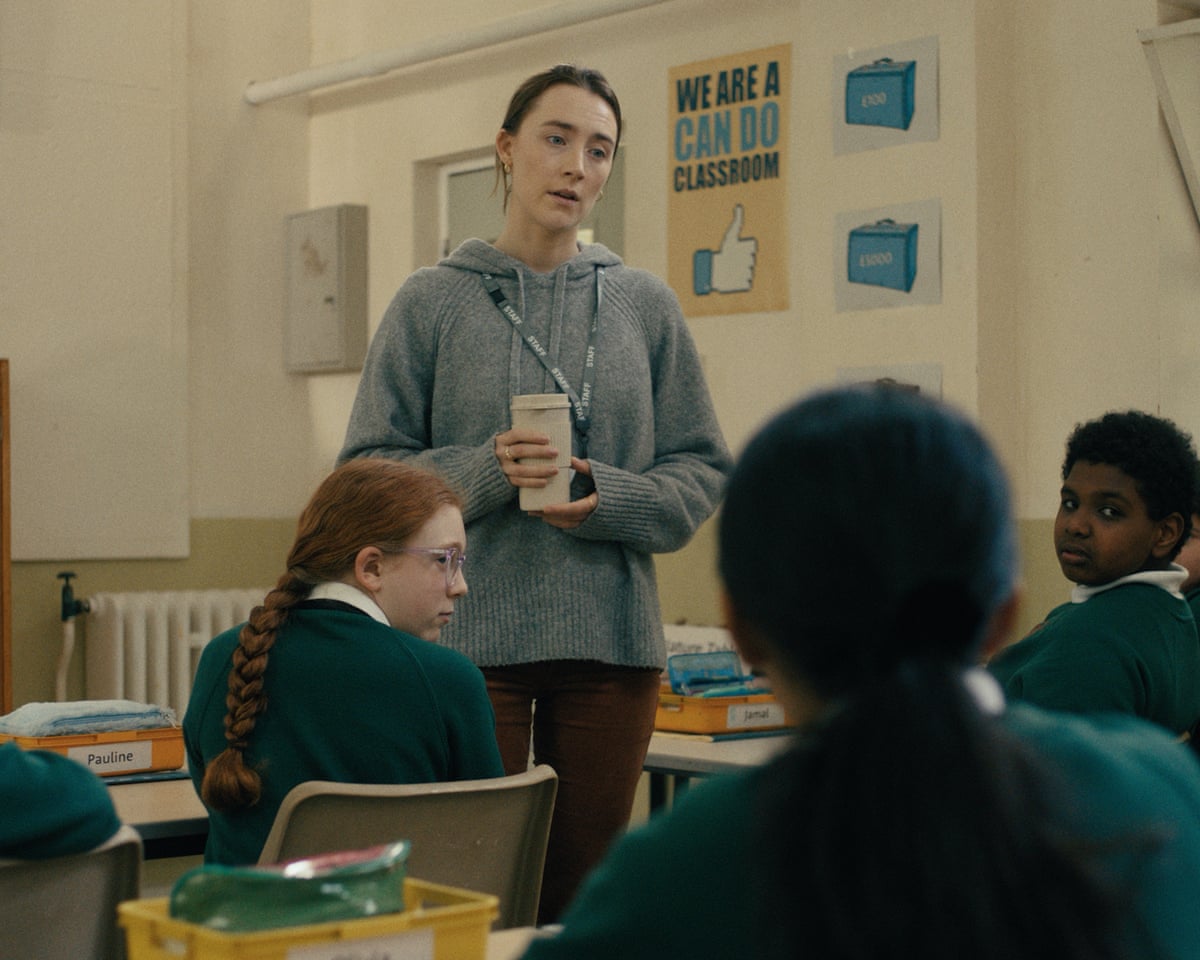
Critics have highlighted that the movie, adapted from Rasmus Lindgren’s novel De Oönskade, often fails to capitalize on its most extreme premises. While similar films like The Good Boy fully embrace their monstrous protagonists, Bad Apples constantly pulls back. It seeks to maintain Maria’s relatability, which arguably dilutes the impact of the satire it aims to deliver.
The Pedagogical Satire Dilemma
Satire requires a sharp edge, yet the film’s approach to the teacher-student dynamic feels blunt. By positioning the teacher as a sympathetic figure despite her criminal actions, the director asks the audience to overlook gaping plot holes. The lack of tension regarding the logistics of the kidnapping makes it difficult for viewers to stay grounded in the reality the film attempts to build.
Theatrical Performance and Box Office Data
| Metric | Film Insight |
|---|---|
| Lead Actor | Saoirse Ronan |
| Director | Jonatan Etzler |
| Source Material | De Oönskade (The Unwanted) |
| Tone Assessment | Dark Comedy / Horror-Satire |
While the film aims to captivate, box office performance depends heavily on word-of-mouth regarding the quality of the script. As seen in The Guardian’s critical assessment, the performance of the lead is the primary draw. Industry analysts suggest that niche, high-concept horrors often find a second life on streaming platforms where character-driven narratives are prioritized over massive budget spectacles.
Background of the Production
The transition from a Swedish novel to an English-language film provided a unique challenge for the production team. By setting the story in the English West Country, the film attempts to ground the horror in a familiar, mundane setting. This juxtaposition is a staple of the genre, meant to amplify the shock of the protagonist’s descent.
However, the execution of these logistical details is where the film finds itself in hot water with purist horror fans. When a character is confined in a basement, the audience expects a certain level of visceral reality. The cinematic choices made here suggest an aversion to the gritty, which ultimately leaves the narrative feeling somewhat antiseptic.

Expert Perspective on Modern Satire
From an expert standpoint, modern dark comedies are increasingly struggling to find the balance between sympathetic leads and monstrous acts. The ‘relatable villain’ archetype is a delicate tightrope walk. When the internal logic of the character’s descent is not airtight, the satire loses its potency, rendering the message about teacher burnout and systemic failure ineffective.
People Also Ask
What is the plot of the film Bad Apples?
The film follows a teacher named Maria who, after accidentally injuring a violent student, decides to imprison him in her basement to restore order in her classroom.
Why is the Bad Apples review performance mixed?
Reviewers generally praise Saoirse Ronan’s acting but criticize the film for being implausible, poorly paced, and not dark or funny enough to work as a satire.
Is Bad Apples a horror movie?
It is categorized as a horror-satire, though critics note that it leans more into dark comedy territory while failing to fully commit to the horror elements.
Who directed the 2026 film Bad Apples?
The film was directed by Jonatan Etzler, who adapted the screenplay from a Swedish novel.
Final Thoughts
Ultimately, the Bad Apples review landscape paints a picture of a film that rests entirely on the shoulders of its leading lady. While Saoirse Ronan is predictably brilliant, the structural issues prevent the movie from reaching its full potential. For those looking for a deep, disturbing dive into pedagogical insanity, the film may serve as a curious but flawed entry in the genre. For more updates on the latest film releases and industry news, stay tuned to our ongoing coverage.
More Like This
For more updates, check out our latest entertainment and sports news.