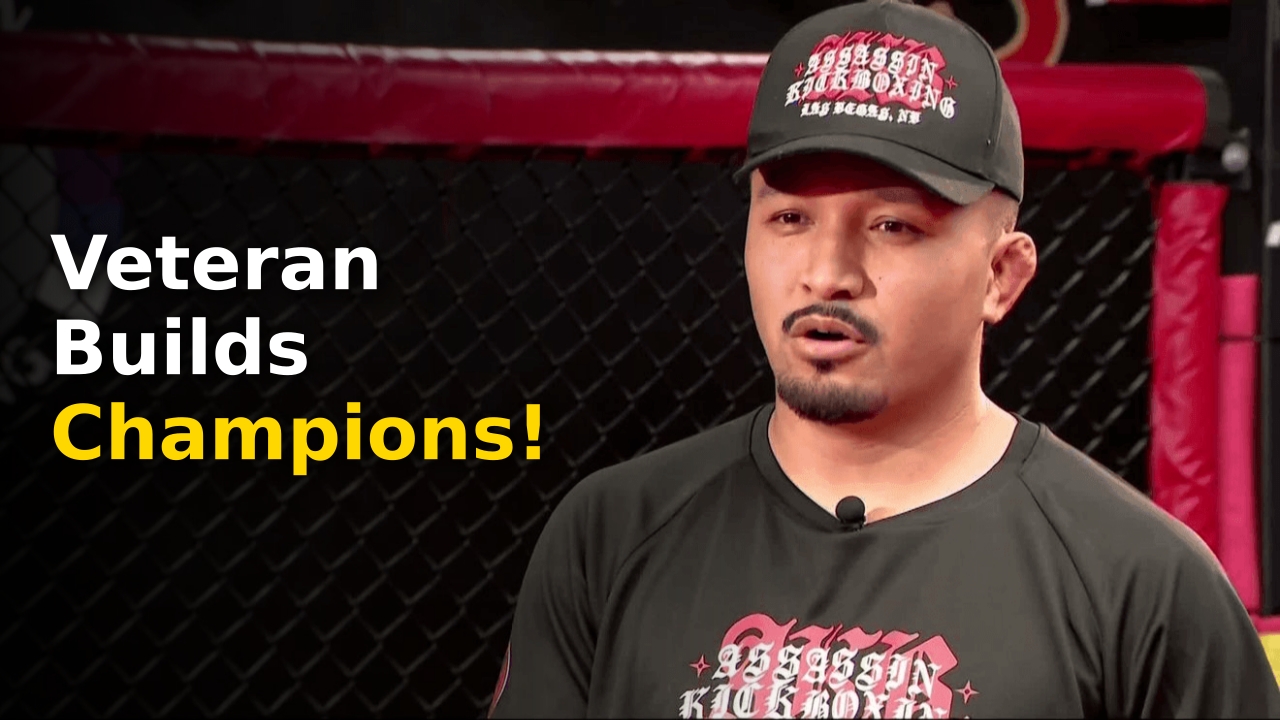
Key Takeaways
| Veteran Leadership: Air Force veteran Artreo Cepeda uses military discipline to teach youth martial arts in Las Vegas. |
| Academy Impact: Coaching takes place at the renowned Assassin Grappling Academy, founded by a fellow veteran. |
| Multi-Discipline Focus: Training spans Brazilian Jiu-Jitsu, wrestling, and kickboxing to build physical and mental resilience. |
| Family First Philosophy: Cepeda originally joined the academy to introduce his own children to self-defense before stepping into a coaching role. |
The transformative power of Artreo Cepeda martial arts instruction is currently reshaping the lives of youth athletes throughout the Las Vegas valley. You might expect a standard sports coach to focus solely on physical drills, but this dedicated Air Force veteran brings a deeper tactical mindset to the mats. By merging his military background with high-level athletic training, he is engineering a new generation of disciplined, self-confident citizens.
Operating out of the highly respected Assassin Grappling Academy, Cepeda teaches children and adults how to navigate both physical combat and everyday life challenges. His journey highlights a seamless transition from military service back into civic engagement and youth development. Through structured training regimens, he helps local kids discover their inner strength when motivation inevitably fails them.
For parents seeking structured environments, his classes offer more than basic self-defense. This program has quickly become a cornerstone of community support in Southern Nevada, bridging military-grade discipline with accessible athletic coaching. As Las Vegas continues to grow, initiatives like this provide essential stability for local families.
The Genesis of Artreo Cepeda Martial Arts

The roots of Cepeda’s passion run deep into his childhood, long before he ever wore a military uniform. Growing up, his father introduced him to the rigorous demands of traditional Kyokushin karate, a full-contact style known for its extreme focus on self-discipline and hard sparring. This early exposure instilled a deep respect for the traditional values of respect, perseverance, and physical endurance. It set a foundation that would guide him through the most pivotal decisions of his adult life.
As a teenager, Cepeda expanded his combat repertoire by transitioning into modern kickboxing and mixed martial arts. The rapid evolution of the sport in the early 2000s offered a dynamic playground for his competitive spirit. He tested his limits, honed his striking techniques, and learned the intricate chess match of close-quarters combat. However, life soon presented a new set of responsibilities that would temporarily shift his focus away from competitive training.
The birth of his first daughter changed everything, forcing him to re-evaluate his personal and financial priorities. Like many young fathers, he realized that passion projects had to take a backseat to providing long-term security for his growing household. He needed a reliable path to support his family while still satisfying his deep-seated desire to serve something larger than himself. This crucial turning point eventually led him to the recruitment office of the United States military.
In 2012, Cepeda enlisted in the United States Air Force, seeking the institutional stability and professional development the military guarantees. The decision was practical, serving as a vital financial safety net during a period of rapid personal transition. The rigorous structure of basic training and subsequent active duty aligned perfectly with the martial arts principles he had practiced since youth. It reinforced the concept that individual effort must always support the broader group mission.
After serving his country, Cepeda transitioned back into the civilian workforce as a professional graphic designer. While this creative outlet provided a steady living, he still felt a deep physical and mental void without the daily grind of the mats. He eventually realized that creative work alone could not satisfy his urge to mentor and lead. This internal drive naturally drew him back toward the combat sports community in Las Vegas, setting the stage for his current coaching role.
Assassin Grappling Academy Community Impact
Returning to active training was not just about personal fitness; it was about protecting and uplifting his family. Cepeda initially walked through the doors of Assassin Grappling Academy searching for a reliable self-defense program for his children. He wanted his daughters to possess the same physical confidence and awareness that had protected him throughout his life. This search for a family-oriented gym led him to cross paths with the facility’s owner, Professor Jesse.
Professor Jesse, himself a respected military veteran, immediately recognized the rare combination of discipline and technical skill that Cepeda brought to the mat. The shared background in military service created an instant bond of trust and mutual respect between the two men. It did not take long before Cepeda transitioned from a supportive parent sitting on the sidelines to an active participant in daily classes. His natural leadership abilities quickly made him a standout figure in the academy.
Recognizing his immense potential as a mentor, Professor Jesse offered Cepeda the opportunity to coach the academy’s kickboxing program. This role allowed Cepeda to synthesize his decades of striking experience into a structured curriculum for both kids and adults. He quickly expanded his teaching duties to include wrestling and Brazilian Jiu-Jitsu, becoming a versatile cornerstone of the academy’s coaching staff. His classes soon earned a reputation for being exceptionally challenging yet deeply supportive.
For local Las Vegas residents, the academy serves as a safe haven where kids can escape the distractions of modern technology. Cepeda’s presence on the mats provides a strong male role model for many young athletes who lack structured guidance at home. Parents frequently report massive improvements in their children’s school performance and social interactions after just a few weeks under his guidance. The positive ripple effects of his coaching are felt far beyond the physical walls of the training facility.
The collaboration between these two veterans has established Assassin Grappling Academy as a premier hub for community development. By offering a structured environment that welcomes families, they have built a tribal culture centered on self-improvement. You can see this impact in the way senior students naturally mentor newer members during grueling sparring sessions. It is a living proof of how sports can unite a diverse urban population under a shared banner of mutual respect with the help of elite community mentors.
Military Discipline Meets Combat Sports

The connection between military training and combat sports is highly profound, especially when viewed through the lens of youth development. Cepeda frequently explains that the daily regiment of the military perfectly mirrors the consistent grind required to master grappling. Both environments demand that you show up and perform even when you are exhausted, sore, or mentally drained. This shared philosophy of perseverance forms the bedrock of his teaching methodology at the academy.
One of the core concepts Cepeda instills in his young students is the absolute necessity of staying on the course. In the military, tactical operations require absolute focus on the objective, regardless of unexpected obstacles or changing conditions. Similarly, on the mats, an athlete must remain entirely committed to their strategy even when facing a dominant opponent. This mental fortitude helps young people develop a resilient mindset that they can apply to their academic and personal struggles.
In today’s fast-paced digital world, children are often accustomed to instant gratification, which can undermine long-term success. Martial arts, however, offer no shortcuts; a black belt or a tournament victory requires years of repetitive, often monotonous effort. Cepeda teaches his students that motivation is a fleeting emotion that cannot be relied upon for sustained progress. Instead, they must cultivate deep-seated personal discipline to carry them forward when their initial enthusiasm inevitably fades.
This focus on discipline over motivation is what sets veteran-led athletic programs apart from standard recreational leagues. The structured environment forces students to take accountability for their own progress, gear, and behavior on the mats. You quickly learn that your success or failure is entirely dependent on your personal preparation and work ethic. This realization is incredibly empowering for young people, as it gives them a direct sense of control over their lives.
Ultimately, Cepeda hopes to inspire some of his students to consider pathways in public service, including the armed forces. He acts as a living bridge between civilian youth culture and the honorable traditions of military service. By demonstrating how military values translate into civilian success, he shows his students that serving their country is a noble and highly rewarding path. His daily example proves that true strength lies in utilizing your power to protect and uplift others, creating a lasting veteran community impact.
By The Numbers: Martial Arts Benefits
To understand why Cepeda’s work is so critical, we must look at the objective data surrounding youth sports participation. Studies consistently show that structured martial arts programs offer unique psychological benefits that traditional team sports cannot match. The individual nature of combat sports forces athletes to confront their anxieties directly, fostering a highly accelerated form of emotional maturity. This data highlights why local programs deserve sustained community support and recognition.
Studies also show that combat sports training drastically reduces behavioral issues in school-aged children. The physical outlet of training allows kids to channel their natural aggression and high energy into a controlled, safe environment. Under the watchful eye of experienced mentors like Cepeda, this energy is transformed into productive focus and athletic skill. The result is a calmer, more deliberate approach to conflict resolution in their daily lives.
Let us examine the specific areas where martial arts training provides measurable developmental improvements for youth athletes. These key metrics demonstrate the profound physiological and psychological benefits of consistent physical conditioning.
| Focus Area | Measurable Metric | Developmental Benefit | Community Impact |
|---|---|---|---|
| Emotional Regulation | 60% reduction in outbursts | Improved stress management | Safer school environments |
| Academic Focus | 45% lift in concentration | Better study habits and grades | Higher graduation rates |
| Physical Fitness | 75% stamina increase | Combats childhood obesity | Lower long-term healthcare costs |
| Social Confidence | 80% self-esteem boost | Resistance to peer pressure | Stronger future civic leaders |
The physical benefits are equally impressive, providing a comprehensive workout that develops core strength, agility, and balance. Unlike many team sports where less-skilled players spend hours sitting on the bench, combat sports ensure every student is actively engaged. This continuous participation builds cardiovascular health while instilling healthy, lifelong habits of physical activity. It provides a crucial counterweight to the sedentary lifestyles caused by excessive screen time.
From a psychological perspective, learning self-defense empowers kids by eliminating the fear of peer victimization. When a child knows they can protect themselves, they no longer feel the need to prove their toughness through aggressive behavior. This paradox is well-known to martial arts instructors: the most capable students are almost always the most peaceful and humble. By removing fear from the equation, Cepeda helps his students navigate social challenges with grace and poise.
People Also Ask
Who is Artreo Cepeda and how does he serve the Las Vegas community?
Artreo Cepeda is an honorable Air Force veteran and dedicated martial arts coach at the Assassin Grappling Academy. He uses his background in combat sports and military service to teach wrestling, kickboxing, and Brazilian Jiu-Jitsu to local youth and adults.
What combat disciplines are taught under Artreo Cepeda martial arts programs?
Coach Cepeda teaches a diverse curriculum that includes traditional Kyokushin karate fundamentals, modern kickboxing, wrestling, and Brazilian Jiu-Jitsu. This comprehensive approach ensures that students build versatile self-defense skills and exceptional physical fitness.
Why did Coach Tre join the United States Air Force?
He enlisted in the Air Force in 2012 to provide financial stability and a secure safety net for his growing family after his first daughter was born. This military experience later helped shape the highly structured and disciplined coaching style he uses today.
How does military discipline benefit youth martial arts students?
Military discipline teaches students to rely on structural routine and personal accountability rather than temporary motivation. This mindset helps young athletes stay committed to their training goals and overcome academic and personal challenges.
The Future of Youth Combat Sports
As we look to the future, the demand for structured, veteran-led community programs continues to rise across the United States. Leaders like Cepeda show us that the skills learned during military service are invaluable assets when redirected toward youth mentorship. His work at Assassin Grappling Academy offers a blueprint for how local communities can support their veterans while simultaneously raising resilient children. This symbiotic relationship is the key to building stronger, more cohesive neighborhoods in Southern Nevada.
The success of the academy has inspired other local businesses to look for ways to partner with veterans and active-duty military members. By creating supportive spaces for former service members, communities can tap into a massive reservoir of leadership, tactical knowledge, and discipline. These initiatives provide crucial transition support for veterans, giving them a renewed sense of purpose and mission in civilian life. It proves that a veteran’s service to their country does not end when they take off the uniform.
You can support these efforts by getting involved with local training programs or sponsoring youth scholarships for families in need. Ensuring that every child has access to quality mentorship and physical training is a vital investment in our collective future. Under the guidance of coaches like Cepeda, the next generation of local sports heroes is currently being forged on the mats. Their journey of self-discovery, discipline, and physical excellence is just beginning.
Through the continued growth of Artreo Cepeda martial arts classes, the legacy of service, discipline, and athletic excellence will endure for decades to come. By prioritizing community development, these mentors are creating an environment where young people can thrive despite any external challenges. The lessons learned on the mats will serve these students throughout their academic careers, professional endeavors, and personal lives.
As Las Vegas continues to evolve as a global sports destination, we must not lose sight of the grassroots programs that build local talent. The true heart of the city’s athletic community lies in neighborhood academies like Assassin Grappling, where champions are built from the ground up. With dedicated mentors leading the charge, the future of youth sports in Southern Nevada has never looked brighter.
More Like This
For more updates, check out our latest entertainment and sports news.