⚡ Key Takeaways
- The global Artistic Legacy is facing a transformative crossroads with the passing of icons like Yayoi Kusama and Dolly Parton.
- Artificial Intelligence and humanoid robotics are projected to disrupt over 40% of traditional creative and administrative labor by late 2026.
- Urban gentrification in neighborhoods like Bed-Stuy and Williamsburg is fundamentally altering the physical and social landscape of modern art.
- Cultural resilience remains high as new generations of artists at institutions like SAIC reimagine tradition through a contemporary lens.
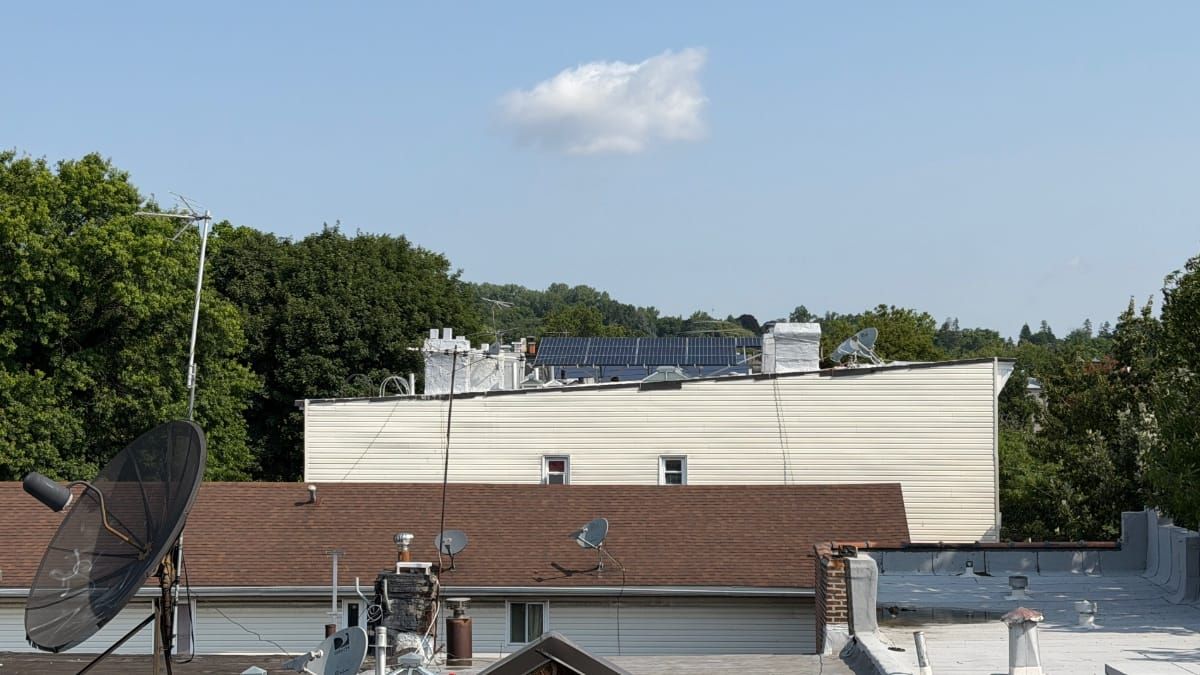
You are standing at the precipice of a cultural metamorphosis where the definition of Artistic Legacy is being rewritten by the hands of both gods and machines. As the leaves begin to turn, the world grapples with the departure of creative titans whose influence spanned decades, leaving a void that AI and humanoid robotics are eager to fill. The air in Brooklyn is thick with the scent of espresso and the weight of a loneliness epidemic that seems to have drifted from the streets into the very clouds above us.
This shift is not merely about the passage of time; it is a seismic reorganization of how we value human creativity and community connection. From the quiet galleries of Vancouver to the bustling streets of New York City, the signs of a new era are everywhere you look. We are witnessing the birth of a world where the lines between the physical, the digital, and the spiritual are blurring into a singular, complex tapestry of modern existence.
As we navigate this transition, it is essential to look back at the giants whose shoulders we stand upon while keeping a vigilant eye on the horizon. The Artistic Legacy left behind by the greats serves as both a roadmap and a challenge for the future. Whether it is the labor-intensive polka dots of a Japanese visionary or the soulful lyrics of a country music legend, these contributions define our collective identity in an increasingly automated world.
Artistic Legacy: The End of an Iconic Era
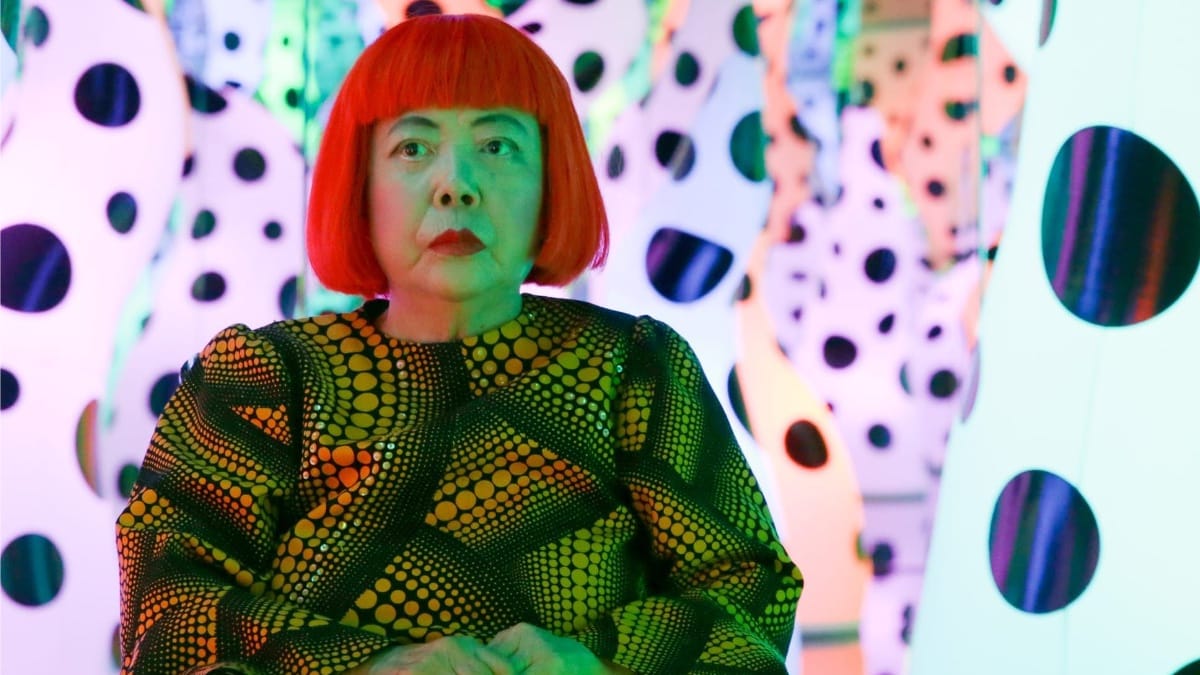
The recent news of Yayoi Kusama passing at the age of 97 has sent shockwaves through the global art community. Known for her Infinity Mirrored Rooms and her signature red bob, Kusama was more than just an artist; she was a spiritual leader for those navigating the complexities of mental health and the human psyche. Her death on August 14 in Tokyo marks the conclusion of a career that turned psychological trauma into kaleidoscopic beauty, enchanting millions across the globe.
Similarly, the departure of Dolly Parton at 80 has left a hole in the heart of American culture that may never be fully mended. Parton was the ultimate bridge-builder, a woman who touched the lives of workers “nine to five” while maintaining a level of authenticity that transcended political and social divides. Her Artistic Legacy is one of radical kindness, philanthropy, and a sharp wit that never lost its edge even in the twilight of her life.
In the realm of political art, the loss of Sliman Mansour at 79 is equally devastating. Mansour carried the weight of Palestinian pain on his back, using his canvas to give voice to a struggle that often went unheard in the halls of power. His work, much like the murals seen in Bed-Stuy, serves as a reminder that art is never truly outside of politics. These figures represented a specific kind of human effort—one that is deeply tied to the physical and emotional experience of being alive.
Expert analysis suggests that the loss of these three icons in such a short window signals a “Great Handover” of cultural influence. For decades, these individuals acted as the north stars for their respective fields. Without them, the Artistic Legacy of the 21st century risks becoming untethered from the human experience. We are now seeing a shift toward a more fragmented, digital-first celebrity culture that lacks the cohesive power of a single, unifying soul.
The Psychological Weight of the Infinity
Kusama’s work was famously labor-intensive, a fact that added to her rock-star status in the contemporary art world. Her fascination with the infinite was not just an aesthetic choice but a Borgesian obsession with mirrors and self-obliteration. This psychological depth allowed her to connect with audiences on a level that few other artists could achieve. You can see her influence in everything from high-fashion collaborations to the way we consume visual media today.
According to Wikipedia, her career spanned over seven decades, during which she never stopped evolving. Her Artistic Legacy will live on through her Infinity Mirrored Rooms, which continue to draw record-breaking crowds. These installations offer a sense of cosmic belonging that feels increasingly rare in an age of digital isolation. They remind us that we are all part of a larger, interconnected whole.
The physical presence of her work is something that cannot be replicated by an algorithm. Each dot was a testament to her endurance and her commitment to her vision. This level of dedication is what defined the Artistic Legacy of her generation. As we move forward, the question becomes: can we maintain this level of human intensity in a world that prioritizes speed and efficiency over depth and soul?
The Shocking Rise of AI in 2026
As we mourn the loss of human icons, the rise of China’s humanoid robot olympics offers a startling glimpse into a different kind of future. You might find it amusing or frightening to watch a robot boxer continue to kick long after its head has been ripped off. This spectacle is not just entertainment; it is a demonstration of the rapidly advancing capabilities of artificial intelligence and robotics that are set to redefine the workforce by the end of the year.
In cafes from Ridgewood to Williamsburg, the conversation is dominated by businessmen announcing big AI pushes. The workers who will be replaced by these technologies are often the very ones serving the espresso or taking the Zoom calls on the other end. The Artistic Legacy of the future may very well be written in code rather than in oil paint or musical notes. This transition brings with it a host of ethical and social challenges that we are only beginning to understand.
The affordability crisis in New York City, examined by artists like Justin Blinder, is being exacerbated by this technological shift. As AI takes over more roles, the disparity between those who own the technology and those who are displaced by it becomes more pronounced. This is a physical reality that can be felt in the changing face of neighborhoods like Broadway Junction, where the skyline is as clear as the future is uncertain.
| Category | Traditional Art (20th Century) | AI-Driven Content (2026) |
|---|---|---|
| Production Method | Manual Labor / Human Intuition | Algorithmic Generation |
| Emotional Core | Personal Trauma / Experience | Data Synthesis |
| Market Accessibility | Exclusive / Gallery-Based | Mass-Distributed / Instant |
| Longevity Projection | Generational (50+ years) | Transient / Trend-Based |
By The Numbers: The Labor Shift
Statistics from leading economic think tanks suggest that by late 2026, the integration of AI in creative sectors will lead to a 30% reduction in entry-level design and copywriting roles. This shift isn’t just about jobs; it’s about the erosion of the apprenticeship model that has historically built a strong Artistic Legacy. When the first rungs of the career ladder are automated, the path to becoming a master artist or a world-class journalist becomes much more difficult to navigate.
The guy at the falafel place might tell you that all humans were created from a single soul, but the data suggests we are being sorted into two distinct classes: the automated and the automators. The Artistic Legacy of the human spirit is being tested by its own creation. While some see this as an opportunity for “hyper-creativity,” others fear it is the final nail in the coffin for the working-class artist who relies on their labor to survive in cities like New York.
Furthermore, the physical infrastructure of our cities is changing to accommodate this new reality. From the way we design transit hubs like Broadway Junction to the rise of specialized AI hubs in Brooklyn, the transformation is total. You can find more about the intersection of technology and art at Bright Celebrity, where the focus is on how modern icons are adapting to this brave new world.
Gentrification and Urban Loneliness Dynamics
The loneliness epidemic has reached a point where even the clouds over East Brooklyn seem forlorn. As you walk through Bed-Stuy, you might encounter murals of Malcolm X and Muhammad Ali in neighborhoods that have been almost completely gentrified. This visual dissonance is a hallmark of the modern urban experience. The Artistic Legacy of these neighborhoods is being preserved on brick walls while the actual communities that built them are being pushed further to the margins.
In Williamsburg, the scent of expensive espresso masks the underlying anxiety of a generation that can no longer afford to live where it works. The Brooklyn gentrification narrative is one of loss—the loss of affordable housing, the loss of local culture, and the loss of the “third space” where artists could congregate and collaborate. This physical and social displacement has a profound impact on the kind of art that is produced, often favoring the commercial over the communal.
This displacement isn’t unique to New York. In Vancouver, the police recently raided an art gallery because a sculpture was mistaken for a man in need of medical assistance. While the situation was initially laughable, it highlights the tragic reality of the opioid crisis that has made passed-out men a common sight on the streets. The Artistic Legacy of a city like Vancouver is now inextricably linked to its social failings, with artists often serving as the only ones willing to confront the tragedy head-on.
Expert Take: The Architecture of Displacement
According to urban sociologist Dr. Elena Vance, “The gentrification of Brooklyn is not just an economic event; it’s a cultural erasure. When you replace a community-run garden with a luxury high-rise, you aren’t just changing the skyline—you’re destroying the social fabric that allows an Artistic Legacy to take root.” This erasure is particularly evident in the way Black Southern traditions are being treated as relics to be preserved behind glass rather than dynamic, evolving systems of knowledge.
The humanities library and museum fellowships mentioned by Hakim Bishara in his recent editorial are small but vital efforts to counter this trend. By supporting scholars and artists who conduct on-site archival research, these institutions help ensure that the true Artistic Legacy of these communities is not forgotten. However, the scale of the affordability crisis in New York City remains a physical barrier that no amount of fellowships can fully overcome.
When you look at the work of Justin Blinder, you see the disparities of the city felt on a physical level. His projects examine how the changing environment affects our mental health and our sense of belonging. The full moon might bring out aggression, but the underlying cause is often a sense of being out of place in one’s own home. As summer fades, the hope is that fall will be kind, providing a much-needed respite from the relentless pace of urban change.
Cultural Resilience in Contemporary Art
Despite the challenges, the art world continues to prove that its Artistic Legacy is one of resilience. This year’s edition of the annual art festival showed that participants are unafraid to express themselves outside of touristic expectations. They are making work that is meaningful to themselves and their communities of chosen kin and allies. This move toward “radical authenticity” is a direct response to the homogenization of culture seen in the digital age.
From the modernism of Brancusi to the midcentury stylings of Krasner and Pollock, the seasonal offerings in the art world provide something for everyone. More importantly, they provide a space for reflection and connection. At the School of the Art Institute of Chicago (SAIC), graduate students are learning how to answer the questions of the future by looking at the rituals of the past. One student’s ritual of scribbling a line of poetry onto her studio wall is a small but powerful act of maintaining an Artistic Legacy in a world that often feels like it’s moving too fast.
The role of the artist as a ritual-maker is more important than ever. Whether it’s through the performance art of a Belgian feminist or the video pioneer work of an Italian icon, these artists remind us that our time on earth is precious and that our contributions matter. They are the ones who carry the weight of our collective pain and turn it into something that can be shared and understood by others.
The Power of Archival Research
As the humanities library awards up to 50 fellowships this year, the focus is squarely on archival research. This is where the true secrets of our Artistic Legacy are hidden. By looking at the artistic collaborations of 18th-century Pahari painters or the wheat-pasted flyers of 1980s New York, scholars are uncovering the ways of life that were at the heart of these movements. This research is essential for debunking Western terms like “miniatures” that often reduce the complexity of non-Western art.
Furthermore, the chronicling of Marcel Duchamp’s affair with a Brazilian sculptor reveals how history often reduces female influence to sexual allure. Correcting these narratives is a vital part of protecting the Artistic Legacy of all creators, not just those who the history books have traditionally favored. It requires a commitment to truth and a willingness to look beyond the surface-level celebrity that often dominates the headlines.
As we look forward to the opening of new exhibitions at Castle Hill in 2026, there is a sense of anticipation. These shows will not just be about displaying beautiful objects; they will be about honoring the traditions that continue to evolve. Black Southern traditions, for instance, are being recognized as dynamic systems of knowledge that are very much alive. This is the kind of legacy that can withstand the rise of AI and the pressures of gentrification.
Frequently Asked Questions
What is the Artistic Legacy of Yayoi Kusama?
Yayoi Kusama’s legacy is defined by her ability to channel personal mental health struggles and a fascination with the infinite into accessible, kaleidoscopic art. Her Infinity Mirrored Rooms and polka-dot motifs have made her a global icon, bridging the gap between high art and popular culture while advocating for openness about psychological well-being.
How is AI impacting the Artistic Legacy of human creators?
AI is significantly disrupting the creative landscape by automating labor-intensive tasks and generating content based on data synthesis rather than lived experience. This shift challenges the value of manual artistic labor and raises questions about the emotional depth and historical context of future cultural works, potentially displacing millions of human workers in the creative sector.
Why is gentrification in Brooklyn relevant to the art world?
Gentrification in neighborhoods like Bed-Stuy and Williamsburg physically displaces the communities and artists who have historically driven cultural innovation. This displacement leads to the “museumification” of local traditions, where art becomes a relic on a wall rather than a living, breathing part of the neighborhood’s social fabric, fundamentally altering its Artistic Legacy.
Embracing the Future Artistic Legacy
As the moon turns full and summer enters its final act, we are left to wonder if the coming fall will indeed be kind. The departure of Kusama, Parton, and Mansour marks a clear boundary between the past and the future. We are now the stewards of their Artistic Legacy, charged with ensuring that the human spirit remains central to our culture even as humanoid robots begin their own “Olympics” and AI dominates the boardroom.
The resilience seen in the streets of Brooklyn and the studios of Chicago suggests that we are up to the task. By honoring our rituals, conducting deep archival research, and supporting the next generation of scholars and artists, we can build a world that values depth over speed and community over commodity. The Artistic Legacy we leave behind will be defined by how we navigate these turbulent times—with kindness, curiosity, and an unwavering commitment to the soul of our creative endeavors.
In the end, perhaps the guy from the falafel place was right: all humans were created from a single soul. If that is true, then every act of creation is an act of reconnection. As we move into 2026 and beyond, let us focus on those connections. Let us ensure that our Artistic Legacy is one that honors the past, challenges the present, and inspires a future where everyone has the chance to catch a break—both in this life and the next.
More Like This
For more updates, check out our latest entertainment and sports news.