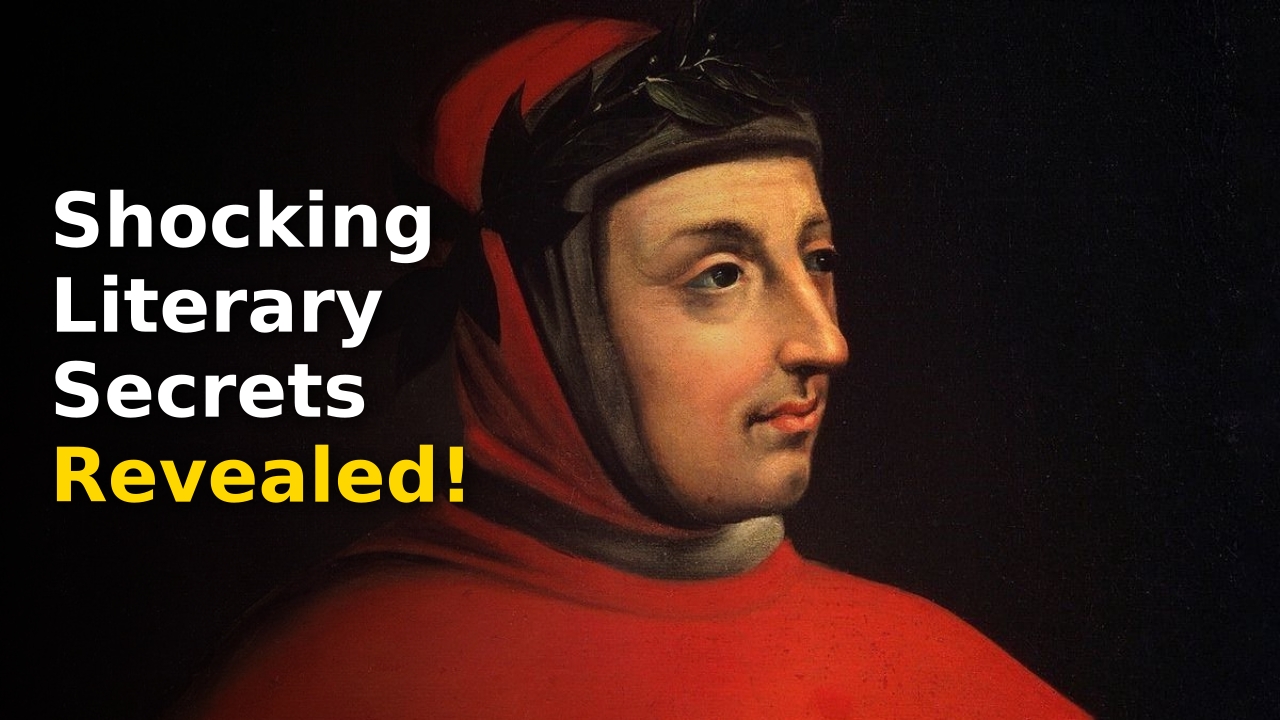
Amor Petrarca serves as the haunting, rhythmic foundation for how we perceive romantic longing in the modern world. Have you ever wondered why a man who lived seven centuries ago still dictates the way you express your own broken heart or burning desire? You are not just reading poetry when you dive into these verses; you are confronting a mirror of your own human contradictions.
Francesco Petrarca, born in 1304, did more than write words on a page. He dismantled the cold, rigid structures of the Dolce Stil Novo and replaced them with a messy, beautiful, and deeply personal reality. This wasn’t just literature; it was the birth of the modern, vulnerable ego.
Understanding The Amor Petrarca Legacy
You might think the story of Laura is just another romantic fable, but the reality is far more gripping. When Petrarca laid eyes on her in a church in Avignon on April 6, 1327, he wasn’t just seeing a woman; he was constructing an icon of absence. Her physical reality mattered less than the space she occupied in his mind, turning his obsession into a masterclass of human psychology.
Unlike his predecessors who viewed women as ethereal, divine creatures, Petrarca saw Laura as a paradox. She was the reason he was drawn to the vibrancy of the world, yet her presence—and later her absence—fueled his deep religious guilt. You can feel the tension in his famous lines where he describes burning like fire while turning into ice, a sensation many of us have felt in our darkest, most confusing moments of infatuation.
The Cancionero is essentially a diary of a man fighting with himself. It tracks his evolution, his failures, and his desperate attempts to reconcile his spiritual faith with his earthly desires. When you read these poems, you are witnessing the birth of internal dialogue. For more updates on historical legends and figures who shaped our culture, visit exclusive insights on cultural icons.
After the devastating Black Death of 1348, when Laura passed away, the poetry shifted. She transitioned from a distant object of desire into a permanent, ghostly presence. The tragedy forced Petrarca to realize that while death destroys physical presence, it grants eternal life to memory, a concept that defines much of Western literature to this day.
This is where you find the true power of his work. It teaches you that love is never an isolated event; it is a baggage-filled journey involving time, regret, and the constant fear of loss. You don’t just love a person; you love the version of yourself you were when you met them, and you mourn the version of yourself you become when they are gone.

The Petrarchan Influence
- It revolutionized the structure of the sonnet across Europe.
- It moved poetry away from purely religious themes to personal psychology.
- It introduced the concept of the ‘unrequited lover’ as a primary literary archetype.
- It bridged the gap between Medieval idealism and Renaissance humanism.
Historical Data On Petrarchan Impact
The reach of these poems was nothing short of legendary, influencing writers from Italy to England and beyond. The following table highlights the progression and scope of his monumental influence on European literary tradition.
| Period | Region | Primary Movement |
|---|---|---|
| 14th Century | Italy | Early Humanism |
| 16th Century | England/Spain | Petrarchan Sonnet Trend |
| Modern Era | Global | Universal Human Emotion |
Why His Work Matters Now
You might be living in the digital age, but the core human experience remains unchanged. When you post on social media, curate your online persona, or reflect on your past relationships, you are acting as an heir to Francesco Petrarca. He was the first to document the fragmentation of the self in the face of deep, obsessive feeling.
His ability to process grief is a masterclass for anyone who has lost something or someone dear. By writing down his pain, he didn’t just survive the experience; he turned it into something that helped millions feel less alone in their struggle. This is the definition of turning fragility into a permanent art form.
As you navigate your own life, remember that every memory is a construct. Just as Petrarca transformed Laura from a woman into a symbol, you are constantly reshaping your own memories to fit the narrative you need to survive. That, perhaps, is the most profound lesson he left behind.
For those interested in the historical context of his era, you can check out the Wikipedia entry on Francesco Petrarca for a deep dive into his prolific life. His legacy proves that while empires fall and the plague can devastate entire civilizations, a well-placed word about the heart can outlast stone and steel.
The Final Verdict
You have seen how Amor Petrarca transcended the borders of 14th-century Italy to touch your life today. It wasn’t just about a woman named Laura; it was about the bravery to look in the mirror and acknowledge that we are all composed of contradictions. You are the architect of your own history, and your memories are the verses you choose to write down. Embrace the lesson of Petrarca: your ability to feel deeply is your greatest contribution to the world, even when it feels like nothing but fire and ice.
More Like This
For more updates, check out our latest entertainment and sports news.