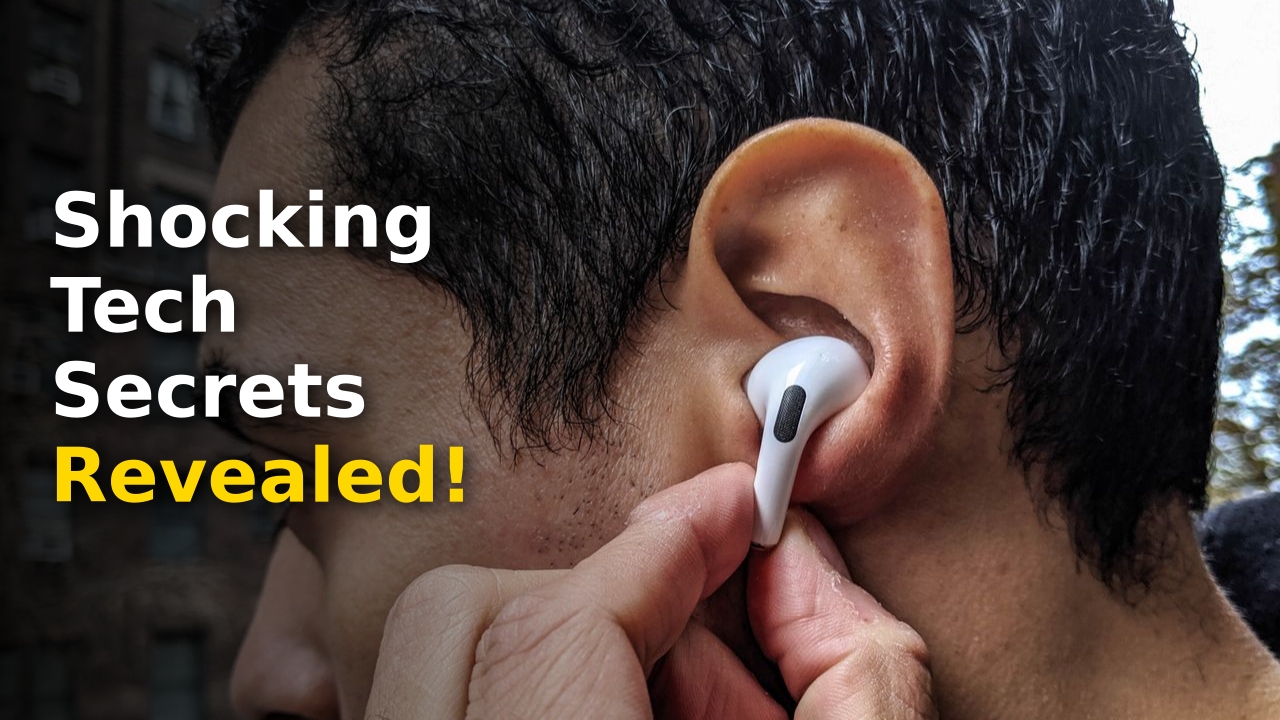
AirPods Ultra are poised to become the most controversial wearable device of the decade following a leaked video that confirms the integration of built-in cameras. Imagine walking through a busy city street while your earbuds constantly record your surroundings to feed an advanced AI engine, raising immediate alarms about the state of personal privacy in the modern era.
As Apple prepares for the iPhone 18 launch event next month, the tech world is buzzing over the visual intelligence capabilities hidden within the macOS Tahoe 26.7 release candidate. This isn’t just another hardware refresh; it is a fundamental shift in how we interact with the digital world through our own eyes.
Understanding AirPods Ultra Technology
The core functionality of these rumored devices centers on Visual Intelligence, a system designed to process environment data in real-time. Unlike traditional smart glasses which have often failed due to aesthetic and social stigma, these buds fit into a form factor you already wear daily. The goal is simple: allow Siri to see what you see, turning the physical world into an interactive database of information.
You might wonder why Apple would choose to place a camera on an earbud rather than a pin or a wearable accessory. The answer lies in the natural alignment of your head; when you glance at a book, a storefront, or a landmark, the AirPods Ultra are perfectly positioned to capture that perspective. This eliminates the awkward head-turning movements often required by chest-mounted or stationary AI devices.
Reports indicate that a small LED indicator will activate whenever the camera is actively pulling data from your environment. This is a critical design choice intended to mitigate the ‘creep’ factor and ensure those around you know when the device is engaged. Despite this, skepticism remains high regarding whether any software-based privacy measure can truly offset the discomfort of being watched by someone’s headphones.
Technical requirements for the system are strict, demanding that the user’s hair or other obstructions do not block the lenses. If the view is obscured, the system sends an instant alert to your iPhone, ensuring that the Visual Intelligence capture is clear. Such precision demonstrates Apple’s commitment to making this a functional tool rather than just a gimmick.
Industry experts suggest that on-device processing is the linchpin of this entire project. By keeping the visual data local to the chip rather than uploading raw video to a server, Apple aims to address the intense privacy concerns early. Whether the public will accept this ‘camera-on-ear’ setup remains one of the biggest questions of the year.
For more insights into the shifting landscape of wearable technology and the latest in digital security trends, you can explore in-depth analysis at Bright Celebrity. Staying ahead of these transitions is essential as hardware companies push the boundaries of what consumers consider acceptable in public spaces.

Visual Intelligence Capabilities
- Instant identification of book titles and author information.
- Real-time navigation prompts tied to physical landmarks.
- Seamless integration with real-time audio translation services.
- Privacy-first data deletion protocols for captured frames.
Comparative Data on Wearables
The market for smart wearables is experiencing a surge in competition as manufacturers scramble to provide the best AI experience. When comparing the rumored specifications and user sentiment of the new AirPods Ultra against historical devices, the differences are striking. The following table highlights the key metrics associated with the current landscape of head-mounted hardware.
| Device Model | Camera Status | Primary Use | Target User Base |
|---|---|---|---|
| AirPods Ultra | Dual Lens System | Siri AI Assistance | General Consumers |
| Meta AI Glasses | Integrated Lens | Social Media Capture | Content Creators |
| Humane AI Pin | Fixed Angle | Voice Navigation | Early Adopters |
As seen in the data above, the shift toward localized intelligence is becoming the standard. Companies are moving away from constant recording toward event-triggered inputs, which is exactly how Apple hopes to position its upcoming audio hardware. The focus is not on capturing long-form video, but on identifying specific objects to improve the user experience.
Public reception has been varied, with some users on platforms like X expressing deep discomfort. Comparisons to the NSA and ‘pervert glasses’ demonstrate the hurdle Apple faces in its PR campaign. The company must prove that these devices are genuinely beneficial tools, not just privacy-eroding surveillance gadgets.
Market analysts are keeping a close eye on the stock reaction following these leaks. With the iPhone 18 event approaching on a date in late September 2026, investors are waiting to see if these earbuds can drive a new revenue stream. Current sentiment remains cautious but intrigued by the sheer innovation on display.
Ultimately, the long-term success of the product depends on how the average consumer perceives the trade-off. If the benefits of effortless navigation and Visual Intelligence outweigh the stigma, we could see a total shift in how mobile tech is perceived. Until then, the debate will continue to rage in online forums and tech news outlets worldwide.

The Future of Privacy
Privacy advocates are not standing still while these developments occur. Several organizations, including the Reuters investigative team, have highlighted the risks of mass-market, camera-equipped wearables. The concern is that as these devices become more popular, our societal expectations of public privacy will vanish entirely.
One major point of contention is whether the LED light is sufficient protection. Critics argue that software-based privacy controls can be bypassed by bad actors, even if Apple designs them to be secure. The danger is that the AirPods Ultra could be used to secretly photograph or record individuals in sensitive environments.
Apple, however, has a history of fighting to protect user data. Their reliance on on-device processing is their primary defense against these accusations. If they can stick to this technical architecture, they may be able to bypass the scrutiny that crippled other companies in this space. It is a gamble, but one that could redefine the industry.
The integration of audio and visual data also creates new possibilities for accessibility. For those who are hard of hearing or visually impaired, this tech could be transformative. Imagine an earbud that whispers descriptions of a room or translates a menu into your native language instantly. These features are not just upgrades; they are life-changing applications of modern AI.
When you consider the potential, the privacy concerns feel like part of a larger, necessary growing pain for civilization. We are moving toward a world where technology is a seamless extension of our bodies. How we manage that transition will define the next generation of our digital society.
As we get closer to the iPhone 18 release, make sure to keep a close watch on your device settings and updates. Being an informed user is the best defense against any potential privacy risks associated with new, bleeding-edge tech releases. Stay curious and stay vigilant in your digital life.
Final Thoughts on AirPods Ultra
The introduction of AirPods Ultra with cameras represents a massive leap for wearable AI that we must approach with both excitement and extreme caution. By blending high-quality audio with advanced Visual Intelligence, Apple is testing the limits of public trust and technological utility. Whether this device becomes a standard-bearer for the future or a cautionary tale remains to be seen, but the conversation it has sparked is absolutely necessary. Keep your eyes on the upcoming event to see exactly how these features are packaged and presented to the global market.
More Like This
For more updates, check out our latest entertainment and sports news.