Key Takeaways
| The Injury | Strained soleus muscle in the lower calf, affecting acceleration. |
| Timeline | Eligible for activation on September 27, just before the postseason. |
| Yankees Record | The team is 41-25 with Judge in the lineup, compared to 48-39 without him. |
| Previous Health Issues | Recently returned from a broken rib that sidelined him for over three months. |
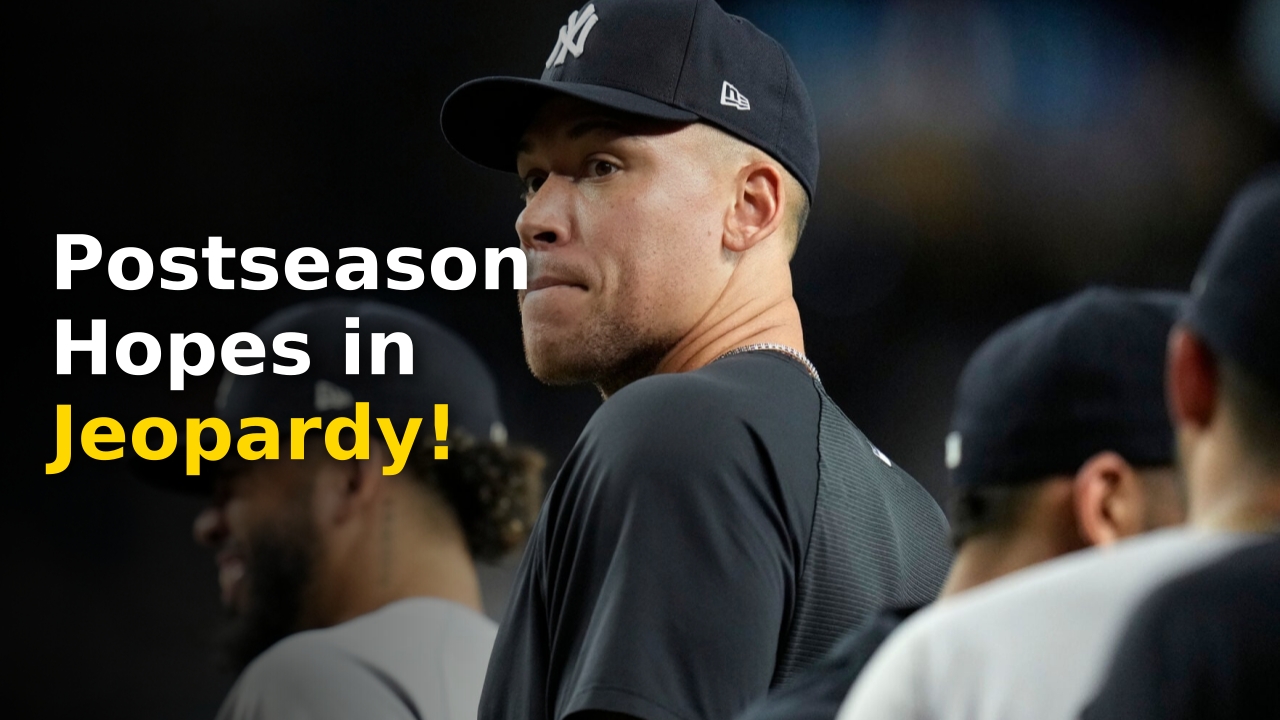
For any die-hard baseball fan, the latest Aaron Judge injury update brings a chilling wave of uncertainty just as the high-stakes October postseason looms. You can feel the tension radiating through the Bronx as the towering outfielder faces a race against time to heal his compromised lower leg. Without his signature bat anchoring the lineup, the postseason aspirations of the most storied franchise in sports hang in a delicate balance.
The New York Yankees recently confirmed that their captain has been placed on the 10-day injured list due to a strained soleus muscle in his calf. This diagnostic revelation came after he was abruptly pulled from a critical matchup in Minnesota, leaving fans and analysts bracing for the worst. While the slugger remains optimistic about returning for playoff baseball, the complex nature of deep-tissue muscle injuries makes his exact timeline highly volatile.
Medical experts and team officials agree that forcing a premature return could lead to catastrophic long-term consequences for the superstar. As the organization navigates this late-season crisis, baseball enthusiasts are keeping a close eye on the team’s ability to survive without their primary offensive engine. The ultimate question remains whether his physical frame can withstand the intense rigors of championship-caliber competition in the coming weeks.
What the Aaron Judge Injury Update Means for October
To understand the gravity of this development, one must look closely at the specific anatomical challenge that the Aaron Judge injury update presents to the Yankees. The soleus muscle is a flat, powerful muscle situated deep beneath the gastrocnemius in the lower leg, playing a fundamental role in standing, walking, and explosive running. For a player of his imposing six-foot-seven, 282-pound stature, any minor degradation in lower-extremity power severely limits mechanical efficiency at the plate and on the turf.
Because the soleus is highly involved in decelerating and stabilizing the ankle, a strain in this specific region makes sprinting particularly hazardous. The risk of reinjury is exceptionally high for power hitters who must generate massive ground-force energy during their swing rotation. If the muscle is not fully recovered, the risk of compensatory injuries to the Achilles tendon or hamstrings increases exponentially, threatening to sideline him far beyond this calendar year.

Historically, calf injuries are notoriously slow to heal and require meticulous physical therapy to ensure the muscle fibers align correctly during recovery. The coaching staff has expressed caution, noting that while throwing and light weightroom work are possible, high-intensity running is the final hurdle. For a team that relies heavily on his offensive output, managing his recovery without rushing him back is a delicate tightrope walk for the medical staff.
The Mechanics of the Soleus Muscle in Elite Athletes
Sports medicine experts note that the soleus muscle acts as a primary pump for returning blood to the heart from the lower limbs. When an elite athlete suffers a strain here, local inflammation can cause persistent stiffness and localized discomfort that resists standard therapy. Because of the limited direct blood flow to the deeper portions of the calf, these tissues heal at a significantly slower rate than superficial muscle groups.
- Plantar Flexion Power: The soleus is vital for pushing off the ground, affecting a player’s first-step acceleration in the outfield.
- Ankle Stabilization: It prevents lateral ankle rolling, a critical factor when rounding bases or making sliding catches.
- Swing Kinetics: A weak calf prevents the solid rear-leg drive necessary to launch high-velocity pitches over the outfield wall.
Compounding this anatomical reality is the fact that the veteran outfielder has already missed a significant portion of the current campaign. Having played only 66 games due to an earlier broken rib, his physical conditioning has been repeatedly interrupted, making rapid re-conditioning highly problematic. Without a consistent run of games to establish mechanical rhythm, his offensive timing is inevitably compromised, as evidenced by his recent high strikeout rate.
By the Numbers: Yankees Postseason Metrics
Analyzing the statistical impact of his absence reveals a stark contrast in the team’s overall efficiency and run production. The Bronx Bombers operate at a championship-caliber level when their captain is in the lineup, but slip to a mediocre standard without him. The disparity in their winning percentage highlights just how vital his presence is to the overall ecosystem of the batting order.
During his brief return before this latest setback, his lack of timing was visible, as he managed just four hits in twenty-three at-bats. This slump, combined with thirteen strikeouts, suggested that the physical toll of his previous rib injury was still lingering in his swing mechanics. The following comprehensive dataset illustrates the team’s performance metrics with and without their star player in active rotation during this competitive cycle.
| Team Metric | With Star Player | Without Star Player | Percentage Difference |
|---|---|---|---|
| Overall Record | 41-25 | 48-39 | -6.9% Win Rate |
| Runs Per Game | 5.2 | 4.1 | -21.1% Production |
| Team Strikeout Rate | 21.4% | 24.8% | +3.4% Strikeouts |
| Slugging Percentage | .458 | .392 | -14.4% Power Output |
These numbers prove that the team struggles to manufacture runs when their central threat is missing from the field of play. Opposing pitchers can adjust their strategies, pitching more aggressively to the remaining batters without fear of facing a generational power hitter. This shift puts immense pressure on secondary offensive players to carry the team through the high-pressure environment of the playoffs.
The Anatomy of a Disrupted Championship Campaign
This season has been a continuous test of resilience for both the player and the franchise as a whole. The initial blow came early in the year when a fractured rib sidelined the star for more than three months, stalling his momentum. This prolonged absence restricted him to a mere fraction of his typical yearly workload, preventing him from finding his signature competitive groove.
When he finally returned to the active roster, the expectations were sky-high, but the physical reality of major injury recovery quickly set in. His timing at the plate was noticeably off, resulting in an unusual volume of empty swings and a stark decline in extra-base hits. This struggle suggests that the long layoff had eroded his pitch recognition and mechanical synchronization, which are crucial at this level of play.

Just as he began to adjust to live pitching, the soleus strain occurred, halting his recovery progress once again. This repetitive pattern of injury and rehabilitation has placed a heavy emotional and physical burden on the three-time AL MVP. It highlights the immense difficulty of maintaining peak athletic performance when the body is repeatedly subjected to high-impact trauma and subsequent periods of forced inactivity.
Expert Take: The Long-Term Biomechanical Risk
According to elite athletic trainers, the sequence of a rib fracture followed by a calf strain is not entirely coincidental in professional sports. When an athlete protects a healing torso injury, they often subconsciously alter their kinetic chain to minimize discomfort during high-velocity movements. This subtle shift in biomechanics can place abnormal stress on the lower extremities, frequently manifesting as acute muscle strains in the calf or hamstring. To explore more about how elite athletes recover, check out the exclusive sports profiles that highlight modern rehabilitation methods.
Understanding this connection is crucial for the coaching staff as they plan his eventual return to the active roster. If they focus solely on the calf without addressing the underlying kinetic compensations, they risk exposing him to another debilitating setback. A comprehensive approach that balances strength, flexibility, and mechanical alignment is the only way to ensure his long-term availability on the field.
Boone’s Postseason Strategy and Alternative Roster Options
Manager Aaron Boone now faces the monumental task of constructing a competitive postseason lineup without his primary offensive weapon fully guaranteed. The veteran manager has maintained a cautious public stance, refusing to speculate on a definitive return date for his superstar. This measured approach is intended to reduce public pressure on the player while allowing the medical staff to work without artificial deadlines.
In the interim, the coaching staff must identify which players can step up to fill the massive production void in the lineup. This situation requires a collective effort, with several key players needing to elevate their performance to offset the loss of elite power. The front office will also need to explore creative tactical matchups to maximize run production against elite postseason pitching staffs.
One potential option is utilizing the injured star in a limited designated hitter or pinch-hitting role if his running ability remains compromised. This strategy would allow the team to benefit from his intimidating plate presence while minimizing the physical demands of playing the outfield. However, even this limited role requires a baseline level of mobility that the current soleus strain may not yet permit.
For those interested in the broader context of sports management, reading about celebrity athlete lifestyles shows how modern stars handle high-pressure career disruptions. The mental toughness required to navigate these public setbacks is often as critical as the physical rehabilitation process itself. As the postseason approaches, the mental fortitude of the entire locker room will be tested to its absolute limit.
People Also Ask
What happened with the Aaron Judge injury today?
Aaron Judge has been placed on the 10-day injured list due to a strained soleus muscle in his lower calf, retroactively applied to Thursday. He is continuing to throw and participate in light workouts, but his return timeline remains highly uncertain as the team approaches the postseason.
Why is the soleus muscle injury so difficult for baseball players?
The soleus muscle is located deep in the calf and is essential for ankle stabilization and explosive running. For a power hitter of Judge’s size, any weakness in this muscle severely limits his swing mechanics and raises the risk of severe compensatory injuries like an Achilles tendon tear.
How long does it take to recover from a strained soleus muscle?
A mild soleus strain typically requires two to four weeks of recovery, while moderate to severe strains can sideline an athlete for several months. The healing process is notoriously slow due to limited blood supply deep within the lower leg tissues.
Can Aaron Judge play as a designated hitter during the playoffs?
While playing as a DH would eliminate outfield running, Judge would still need to run the bases and generate high torque during his swing. The training staff will only clear him for this role if his calf can handle the sudden, intense acceleration required on the basepaths.
Postseason Verdict on the Star Outfielder
The unfolding drama surrounding the Aaron Judge injury update has cast a long shadow over what was once a highly promising championship run. The organization’s conservative approach is wise, as risking the long-term health of their franchise player for a short-term playoff boost is a dangerous gamble. However, the pressure to deliver a championship to the demanding New York fan base remains an ever-present force.
As the regular-season finale on September 27 approaches, the medical staff will continue to monitor his progress through rigorous daily evaluations. If his body responds well to therapy, there remains a slim chance he could make a dramatic return to the roster just in time for the opening series. Until then, the rest of the lineup must find a way to carry the load and keep their World Series dreams alive.
Ultimately, this situation serves as a stark reminder of the fragile nature of championship windows in professional sports. Even the most dominant athletes are vulnerable to the physical toll of a long, grueling season. For more updates on this story and other trending sports narratives, visit our trending entertainment coverage hub. The coming weeks will reveal whether this roster has the depth to overcome this adversity and secure their place in baseball history.
More Like This
For more updates, check out our latest entertainment and sports news.