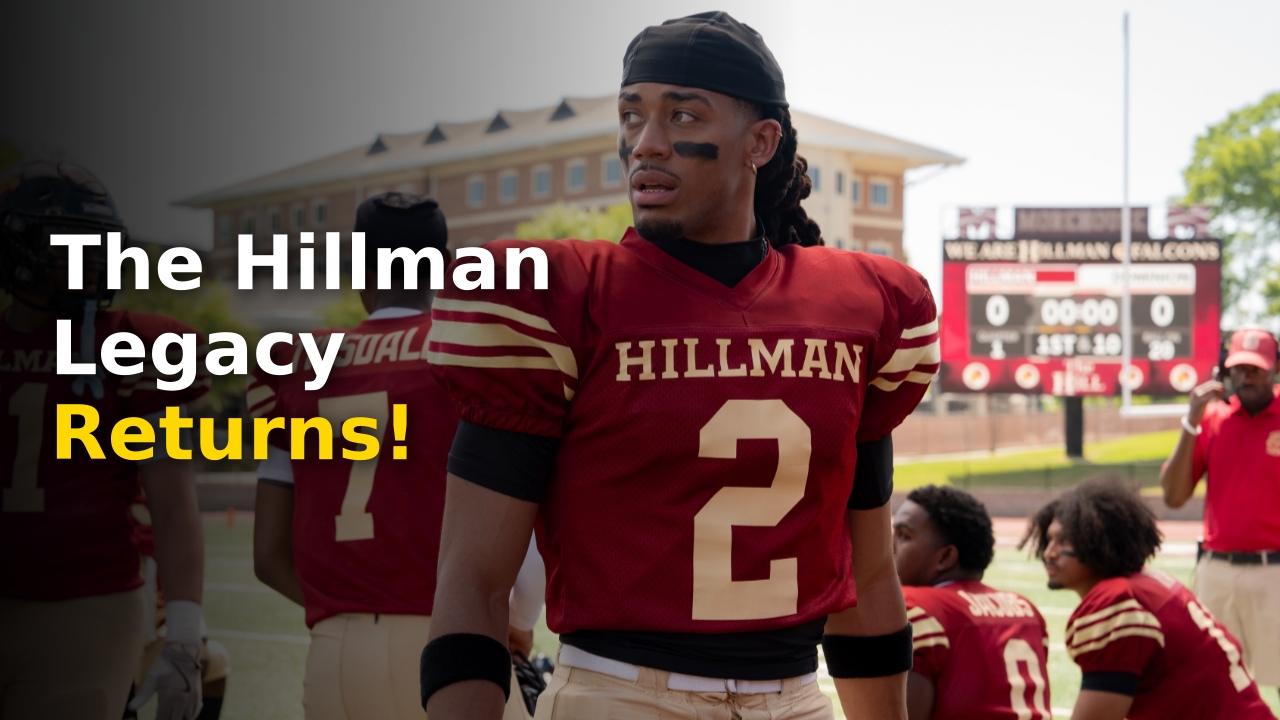
Key Takeaways
| Netflix’s 2026 revival brings Hillman College back to screens, focusing on modern challenges facing HBCUs. |
| Original stars Kadeem Hardison and Cree Summer return as faculty members, providing continuity for long-time fans. |
| The series directly addresses contemporary political stressors including bomb threats and funding debates. |
| Showrunner Felicia Pride emphasizes Black joy as an act of resistance against systemic pressures. |
The A Different World 2026 revival has officially arrived on Netflix, thrusting the beloved fictional Hillman College into the complex realities of the modern era. You might remember the original 1987 series as a cornerstone of television history, but this updated iteration proves that the struggles and triumphs of Black collegiate life remain as vital as ever. By centering the Black experience in 2026, the series navigates the fine line between nostalgic homage and urgent social commentary.
As you dive into the first few episodes, the show waste no time grounding itself in the present. The narrative immediately pivots to a bomb threat at Hillman, reflecting the chilling rise in reported incidents against HBCUs across the United States. This is not merely a plot device; it serves as a stark reminder of the constant vigilance required by students and faculty navigating educational spaces today.
Navigating the A Different World 2026 Landscape
The transition from a multi-camera sitcom to a modern, single-camera format is jarring but intentional. Unlike previous reboots that leaned heavily on familiar tropes, A Different World 2026 opts for a grittier, more serialized approach to storytelling. By bringing back Dwayne Wayne (Kadeem Hardison) and Freddie Brooks (Cree Summer) as faculty, the series bridges the generational gap, offering a bridge between the show’s legacy and the new student body.
The central tension is embodied by Deborah Wayne (Maleah Joi Moon), who captures the exhaustion of a generation facing systemic hurdles. Her dialogue reflects a sophisticated critique of current political climates, specifically addressing the volatility regarding DEI funding and the targeted scrutiny of minority-led educational institutions. This is not the Hillman of the 1990s; it is a campus under the surveillance of social media and the weight of national political debates.
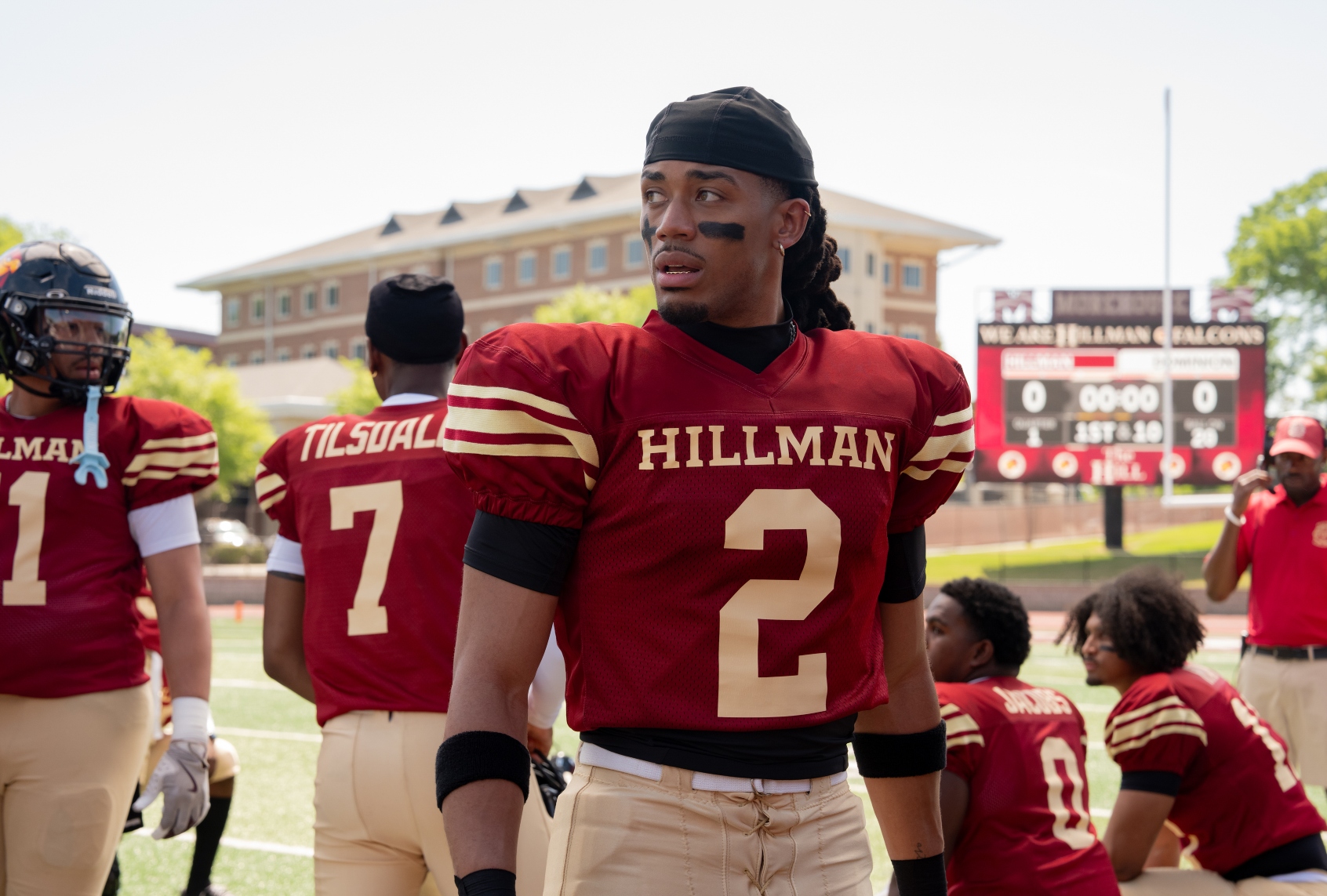
The show’s production team, led by Felicia Pride, understands that the power of this franchise lies in its ability to spark conversation. While critics may attempt to label the show as political bait, the narrative remains focused on the agency of the students. Every scene is designed to reflect the tension between external threats and the internal necessity of maintaining Black joy, which is treated as a core educational objective.
The Evolution of HBCU Representation
The success of the original series helped bring HBCU culture into the mainstream, influencing shows like Bright Celebrity’s take on pop culture history. In 2026, the stakes are different. Digital connectivity has changed how students at institutions like Hillman interact with the world. The constant presence of smartphone cameras and the speed of digital discourse create a high-pressure environment for characters like Shaquille (Cornell Young IV) and Deborah.
Despite these pressures, the ensemble cast delivers a palpable sense of warmth. Their ability to find levity in the face of institutional precarity—whether it be the threat of closure or the scrutiny of university boardrooms—remains the show’s beating heart. It reminds viewers that the fight for Black learning spaces is an ongoing, multigenerational commitment that transcends mere nostalgia.
The following table illustrates the key differences between the original broadcast era and the current streaming environment for the franchise.
| Era Factor | Original Series (1987) | Revival Series (2026) |
|---|---|---|
| Platform | Broadcast Network (NBC) | Streaming Service (Netflix) |
| Format | Multi-camera sitcom | Single-camera dramedy |
| Key Focus | Respectability & Coming-of-age | Social activism & Tech-age stress |

Expert Take: A History of Political Resistance
When analyzing the show’s trajectory, one must look at the influence of Debbie Allen, whose leadership transformed the series into a platform for social discourse. Historically, the show thrived when it allowed characters to lean into their political identities—from opposing apartheid to addressing the realities of the Los Angeles uprising. By the numbers, the show’s historical relevance is undeniable, having influenced a decade of Black-centered sitcoms throughout the 90s.
Today, the expert consensus remains that the show’s value lies in its refusal to sugarcoat the Black experience. By highlighting the constant vigilance required by students, the 2026 version continues the tradition of using the sitcom as a tool for public education. You can find more historical details on the original series via IMDb, confirming its status as a landmark cultural institution.
People Also Ask
What happened with A Different World 2026 today?
The series is currently streaming on Netflix and has been met with critical discussion regarding its portrayal of modern HBCU challenges and the return of legacy cast members.
Why is the show trending right now?
The show is trending due to its topical handling of sensitive, real-world issues like campus bomb threats and political discourse, which have sparked widespread conversation online.
How does this affect legacy characters?
Legacy characters like Dwayne Wayne and Freddie Brooks have transitioned into faculty roles, serving as mentors to a new generation while navigating the show’s updated, serialized format.
Is the show historically accurate to HBCU life?
While a fictionalized account, the show mirrors real-world concerns reported at HBCUs, including security threats and funding debates, maintaining a grounding in current events.
Final Thoughts on the Franchise Return
The return of A Different World 2026 is far more than a nostalgia play. It is a necessary mirror held up to the current state of higher education and Black American life. By balancing the familiar faces of the past with the urgent, high-stakes narratives of the present, the show remains a powerhouse of storytelling. Whether you are a lifelong fan or a new viewer, the series continues to prove that Hillman College is still the place to explore the intersection of politics, identity, and the enduring power of Black joy.
More Like This
For more updates, check out our latest entertainment and sports news.