⚡ Key Takeaways
- 刈田岳 (Kattadake) offers a rare, accessible alpine experience at 1,758m via the Zao Echo Line, perfect for families seeking high-altitude views without technical mountaineering.
- The iconic “Okama” crater lake is a highly acidic volcanic wonder (pH 1.2–3.5), making it a visually stunning but strictly non-biological environment.
- For the best experience, arrive before the mid-day rush, pack motion sickness medication for the winding Echo Line, and prioritize the Zao Onsen district for a post-hike recharge.
- The “Horse’s Back” (Uma-no-se) trail provides a safe, expansive ridgeline walk where children can explore safely while parents witness dramatic volcanic landscapes.
- Zao Onsen offers unique “fresh” sulfur springs, with specific local spots like Kawarayu providing water directly from the source to the tub, avoiding oxidation.
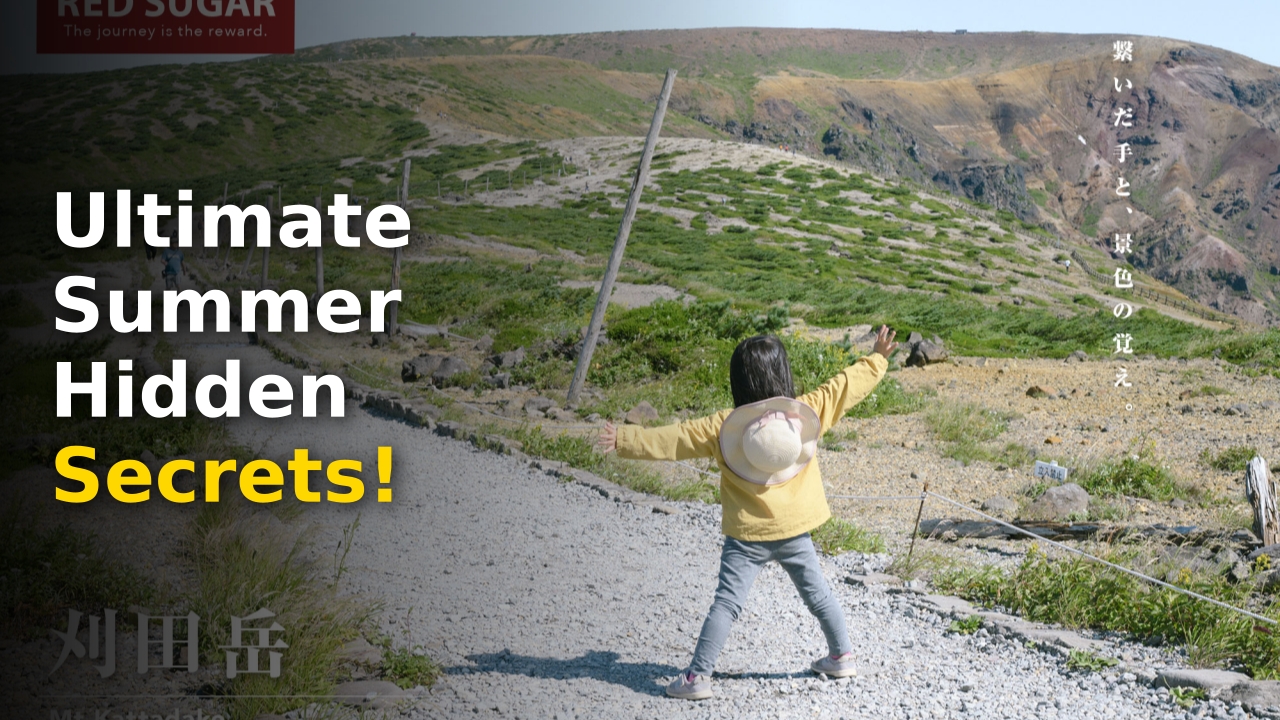
刈田岳 offers an unparalleled, high-altitude sanctuary for families during the humid Japanese summer, blending accessible volcanic terrain with the rich, soothing traditions of Zao Onsen. If you are seeking an escape that combines the thrill of a ridge-walk with the comfort of ancient hot springs, this guide breaks down exactly how to navigate this spectacular Tohoku destination with your children. Most travelers overlook the sheer accessibility of these 1,758m peaks, failing to realize that you can reach the summit ridge with minimal effort, making it the ultimate destination for early-stage mountaineering memories.
Standing atop the ridge, the psychological impact of the Okama crater—a vibrant, emerald-green caldera—is profound. It is a place where, as reported by seasoned outdoor enthusiasts, the concept of the “sublime” becomes tangible; the sheer scale of the volcanic activity reminds you of nature’s raw power. Yet, for a six-year-old or four-year-old, it is simply a playground of rocks and clouds. Balancing this grandeur with the practical realities of parenting is the secret to a successful Tohoku trip.
Mastering the 刈田岳 Ridge Walk
Navigating the terrain around the Zao Mountain complex requires a shift in perspective. Unlike dense forest trails, the ridgeline here is wide and open, characterized by loose rock and volcanic debris. This environment creates a “non-ordinary” visual experience, where the horizon feels limitless. For parents, the key is safety; always hold your children’s hands on the initial descent toward the crater, as the footing is uneven and requires focus.
The path known as Uma-no-se (Horse’s Back) serves as the perfect intermediary point for younger hikers. It offers enough distance to feel like a real trek, yet allows you to pivot and return whenever the little ones express fatigue. Don’t push for the Kumano-dake peak if your children are not ready; the goal is to create positive memories, not to force a peak-bagging agenda that leads to exhaustion.

Expert Take: The Psychology of Alpine Exploration
When you place children in an environment like 刈田岳, you are essentially fostering an early connection to geomorphology and sensory play. Studies in outdoor education suggest that walking on uneven, non-asphalt surfaces—like the volcanic scree found here—enhances proprioception in children aged 4-8. Furthermore, the act of stacking stones or watching the clouds roll over the caldera creates a sense of place. This isn’t just a hike; it’s a foundational experience in environmental appreciation that statistics suggest leads to higher nature-affinity in later life.
Essential Data for Your Zao Excursion
Planning is everything when traveling to the Zao Echo Line. The road itself is an engineering marvel, but it is notorious for motion sickness. Ensuring you have the right precautions in place before entering the mountain road is vital for a smooth arrival. Below is a comparative snapshot of how to manage your time and expectations during your visit.
| Category | Recommendation/Detail |
|---|---|
| Best Start Time | Before 7:30 AM to avoid peak crowds |
| Optimal Age | 4 years and older |
| Toll Fee | 600 JPY (Standard Car) |
| Temperature | 10–15°C cooler than lowlands |
The History of Zao’s Volcanic Majesty
Zao Mountain is not merely a tourist destination; it is an active geological site with a violent and fascinating history. The Okama crater, with its highly acidic water, is a result of centuries of explosive activity. Interestingly, this acidity is exactly why the lake remains devoid of fish, creating a stark, alien landscape that feels detached from the lush forests surrounding the lower mountain slopes. When you walk these ridges, you are standing on millions of years of tectonic shifts.
Historically, the water flowing from Zao was considered problematic for rice farming in the regions below due to its high acidity. This historical nuisance has now become a point of scientific and tourist interest. Local legends and ancient maps often depicted the mountains as deities, and walking here today feels like a continuation of that ancient tradition of witnessing the mountain’s power. Experts often highlight that Zao stands as a primary example of how Japanese tourism successfully integrates hazardous geological sites into safe, accessible recreational areas.
Frequently Asked Questions
Is it safe to take 4-year-old children to 刈田岳?
Yes, as long as you remain on the designated pathways near the parking area and the ridge. The area is highly accessible, but ensure you keep a close watch, as the terrain is rocky and uneven, and weather conditions can change rapidly.
What should I pack for a summer trip to Zao?
Even in mid-August, the temperature can be quite cool at 1,700m. Bring long-sleeved layers, comfortable walking shoes (no sandals), sunscreen, and motion sickness medication for the children if they are sensitive to winding roads.
How is the Zao Onsen water different from others?
Zao Onsen is famous for its acidic sulfur springs. Places like the Kawarayu public bath are highly recommended because the water is piped directly from the source to the tub, ensuring it does not oxidize before you enter, which many consider the freshest way to experience the mineral benefits.
Reflecting on a Perfect Summer Ascent
Wrapping up your day at Zao Onsen after a morning at 刈田岳 creates a perfect, balanced itinerary that hits all the senses. From the crisp, thin air of the 1,700m summit to the warm, therapeutic, and slightly pungent sulfur waters of the温泉 (hot spring) district, the day provides a complete contrast to the stagnant heat of the city. You aren’t just visiting a mountain; you are embedding the concept of nature’s awe into your children’s memories. Whether they remember the rocks, the clouds, or the feeling of the warm bath, they will remember the effort of the journey, making this one of the most rewarding family trips in the 東北 region.
More Like This
For more updates, check out our latest entertainment and sports news.