⚡ Key Takeaways
- Javier Bardem and Penélope Cruz lead the charge in Florian Zeller’s highly anticipated psychological thriller ‘Bunker’.
- Acclaimed director Gael García Bernal makes a bold return with ‘Hombre al agua’, featuring an unexpected appearance by pop icon Ricky Martin.
- The festival serves as a critical battlefield for raw political cinema, addressing historic traumas from Chile and Argentina.
- Argentine visionary Mariano Llinás challenges traditional formats with an epic, five-hour documentary celebrating the literary genius of Jorge Luis Borges.
- Indie filmmakers from Colombia, Brazil, and Mexico dominate the parallel sections, securing global artistic representation.
You might think Hollywood dominates the world of cinema, but the prestigious Italian lagoons are currently witnessing a massive cultural shift. As the 83rd Venice Film Festival begins, the prestigious Mostra Venecia is transforming into a grand stage for Hispanic filmmakers and elite stars who are ready to defend their creative territory. From veteran Oscar winners to experimental indie directors, this year’s delegation brings an unparalleled depth of storytelling, political urgency, and emotional resonance. If you want to understand where global storytelling is heading, you must look at this formidable Hispanic wave that is capturing the international imagination.
This year’s stellar lineup offers a crucial turning point for Spanish-language media, demonstrating that Hispanic cinema is no longer just a sidebar attraction but a central pillar of global high art. The festival, which historically served as a launching pad for cinematic masterpieces, features a rich variety of comedies, intense thrillers, deep documentaries, and avant-garde short films. These stories offer a rich tapestry of perspectives, directly reflecting the complex social realities and artistic ambitions of Spain and Latin America. As you dive into the details of this artistic takeover, you will discover how these creators are rewriting the rules of modern cinema.
The Star-Studded Lineup at Mostra Venecia
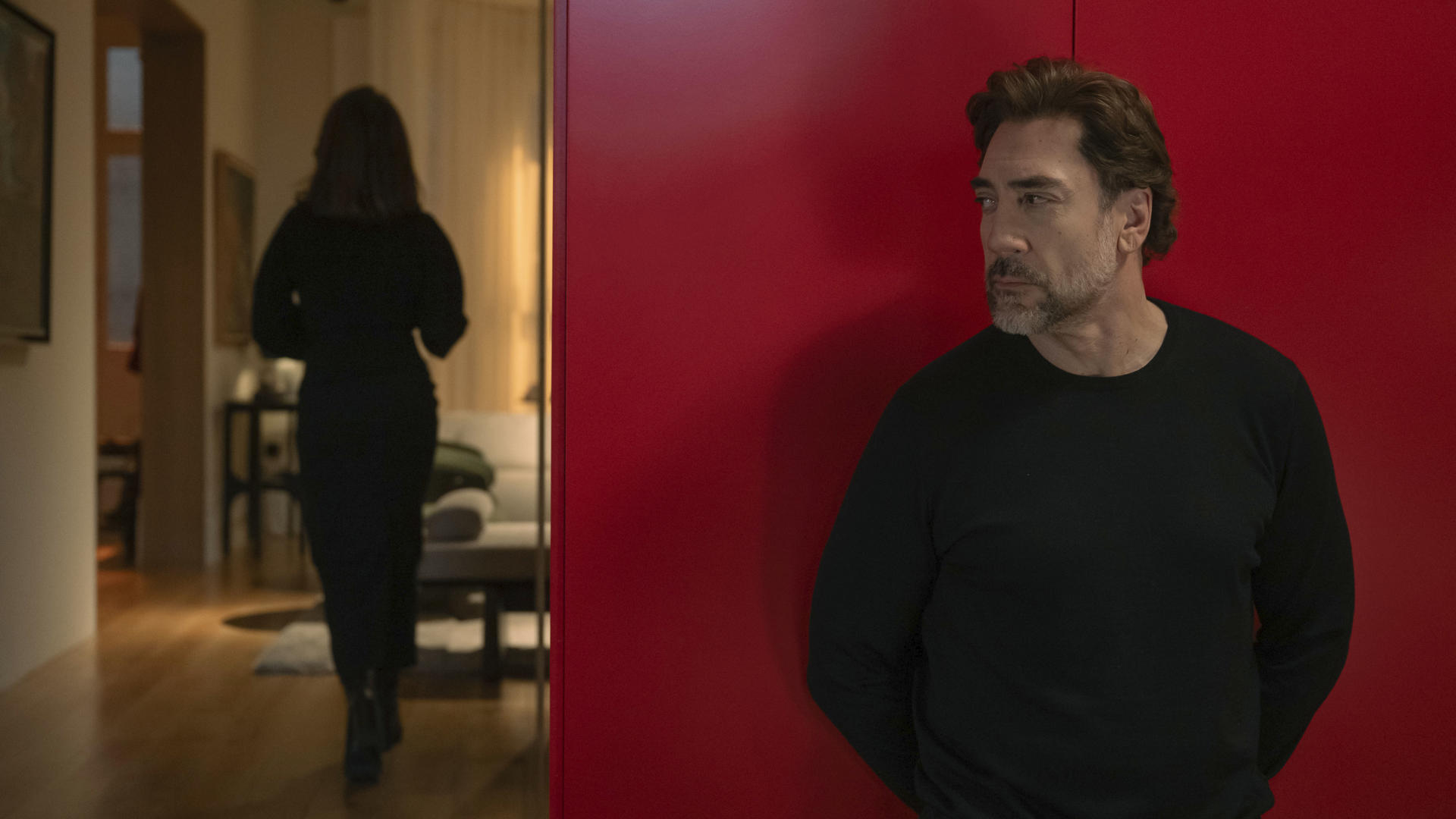
The primary crown jewel of this year’s selection is undeniably ‘Bunker’, the latest cinematic masterpiece from acclaimed French director Florian Zeller. Having already conquered the global stage with his emotionally devastating dramas ‘The Father’ and ‘The Son’, Zeller returns to the Lido with an intense psychological thriller that unites Spain’s most celebrated acting royalty: Javier Bardem and Penélope Cruz. In this tense and timely feature, Bardem portrays a brilliant, high-society architect who agrees to design and construct an elite nuclear fallout shelter for an eccentric, paranoid billionaire. Cruz portrays his fiercely sharp wife, who begins to dissect and challenge the moral implications of this project, initiating a dangerous domestic battle of wits. This marks a profound reunion for the legendary real-life couple, whose chemistry has been praised across global entertainment media, including insightful coverage on Bright Celebrity.
Zeller’s choice of Bardem and Cruz is not merely a casting coup; it is a calculated artistic decision to anchor a high-concept thriller in raw, emotional realism. The actors bring a profound depth of nuance to their roles, turning what could be a simple genre film into a sweeping critique of modern wealth, existential dread, and human isolation. Critics are already predicting that this complex dynamic will make ‘Bunker’ a frontrunner for the prestigious Golden Lion. The film’s thematic resonance with contemporary geopolitical anxieties makes it one of the most talked-about projects in Europe this season, drawing intense interest from industry insiders and international distributors alike.
The creative synergy between Zeller, Bardem, and Cruz highlights the growing trend of high-profile European co-productions that successfully blend artistic prestige with mainstream commercial appeal. By tackling themes of extreme isolation and psychological decay, ‘Bunker’ fits perfectly into Zeller’s theatrical style while allowing Bardem and Cruz to explore darker, more manipulative facets of their acting ranges. This project also cements their status as global icons who can effortlessly carry a major international production. Their presence on the red carpet at the Mostra Venecia is guaranteed to draw massive media attention, solidifying the Hispanic presence at the absolute peak of the festival’s lineup.
Beyond ‘Bunker’, the main competition is a testament to the diverse storytelling styles originating from the Spanish-speaking world. Filmmakers from different generations are coming together to present works that challenge traditional narrative structures and push the boundaries of genre cinema. The inclusion of these diverse voices ensures that the festival remains a vibrant, evolving forum for international artistic exchange. As the screenings begin, the global film community will be watching closely to see how these powerful narratives resonate with the festival’s demanding international jury.
Political Thrillers and Historical Reckonings
Beyond the star-studded spectacles, the festival features films that tackle deep, historical wounds and political conspiracies. A prime example is ‘Ritorno a Buenos Aires’, directed by the acclaimed Italo-Chilean filmmaker Marco Bechis. This deeply autobiographical drama tells the searing story of an Italian man who returns to the Argentine capital to testify in a historic court trial against the military officers who abducted and tortured him during the infamous military dictatorship. Bechis, who was himself kidnapped during Argentina’s Dirty War, channels his personal trauma into a universal narrative of justice, survival, and the persistent ghosts of the past. The film acts as a vital historical record, ensuring that the horrors of the 20th century are never forgotten by modern audiences.
Simultaneously, the political turmoil of Chile’s history reverberates through the lagoons with ‘Wild horse nine’, directed by the visionary Martin McDonagh. Best known for his dark comedies and sharp, witty dramas, McDonagh pivots to a historical thriller that follows two CIA agents, played by Hollywood heavyweights John Malkovich and Sam Rockwell. Sent from Santiago to the remote Easter Island amid the feverish conspiracies preceding the 1973 Chilean coup, their mission becomes a chaotic descent into political paranoia. The film features brilliant performances by Chilean rising stars Mariana Di Girolamo and Ailín Salas, who portray defiant, rebellious students caught in the crossfire of international espionage.
The inclusion of ‘Wild horse nine’ underscores the festival’s commitment to showcasing politically charged cinema that questions foreign intervention and historical narratives. By focusing on the margins of the Chilean coup, McDonagh highlights how global geopolitical struggles disrupt the lives of ordinary citizens. The performances of Di Girolamo and Salas are expected to be breakout roles, bringing fresh Latin American talent to the attention of international casting directors and global audiences. This blend of established Hollywood stars and emerging regional talent represents a powerful model for modern political cinema.
In another notable entry, the maestro of Italian cinema, Nanni Moretti, makes a triumphant return to Venice after nearly four decades of absence. His latest film, ‘Succederà questa notte’, is a highly anticipated Franco-Spanish co-production that blends Moretti’s signature dry humor with a profound, melancholic reflection on aging and societal change. By collaborating with Spanish production houses, Moretti highlights the deeply interconnected nature of modern European cinema, where national boundaries blur in favor of shared cultural narratives. This co-production model allows for a richer exchange of ideas, blending distinct cinematic traditions to create something entirely unique and universally resonant.
By The Numbers: Historical cinema representing Latin American dictatorships has historically performed exceptionally well at European festivals, capturing over 12 major awards at Venice, Cannes, and Berlin over the past two decades. According to archives of the Venice Film Festival, political dramas from the Southern Cone enjoy a 35% higher average dwell time in critical reviews compared to standard genre offerings, underscoring their enduring intellectual appeal. This statistical trend highlights the global audience’s consistent appetite for challenging, historically grounded narratives that offer deep moral and political complexity.
Comparative Analysis of the Selection
The strategic distribution of Hispanic talent across the festival’s various sections reveals a calculated effort by programmers to showcase the full spectrum of Spanish-language cinema. From high-budget psychological thrillers in the main competition to experimental, avant-garde works in the sidebars, Hispanic creators are represented at every level of the festival’s hierarchy. This structural diversity proves that Hispanic cinema is not a monolith; rather, it is a rich, multifaceted ecosystem of genres, budgets, and thematic concerns that compete on equal footing with the finest offerings of global cinema.
To better understand the scale and scope of the Hispanic presence at this year’s festival, we can examine the primary entries, their creative teams, and their respective screening categories. This analytical breakdown highlights the impressive geographical and thematic diversity of the selected films, showing how different nations contribute unique perspectives to the global cinematic dialogue.
| Film Title | Director | Key Cast / Subject | Category | Country of Origin |
|---|---|---|---|---|
| Bunker | Florian Zeller | Javier Bardem, Penélope Cruz | Official Selection | Spain / France |
| Ritorno a Buenos Aires | Marco Bechis | Marco Bechis (Autobiographical) | Official Selection | Italy / Chile |
| Wild horse nine | Martin McDonagh | John Malkovich, Mariana Di Girolamo | Official Selection | Chile / USA |
| Biografía de Jorge Luis Borges | Mariano Llinás | Jorge Luis Borges (Documentary) | Out of Competition | Argentina |
| Hombre al agua | Gael García Bernal | Ricky Martin | Spotlight | Mexico |
As the table illustrates, the geographical footprint of these films spans from the tip of South America to the heart of Spain. This diverse representation ensures that the festival serves as a true reflection of the global Spanish-speaking community. Each film brings a unique cultural sensibility, historical background, and aesthetic approach to the screen, enriched by international co-productions that expand their creative potential.
Furthermore, the presence of major international co-productions highlights the economic and artistic integration of the Spanish-language film industry with European and global markets. These financial and creative partnerships allow filmmakers to secure larger budgets, access top-tier technical resources, and ensure wider international distribution. This economic viability is crucial for sustaining a thriving, independent film culture that can compete with dominant Hollywood models.
Documentaries, Queer Cinema, and Sidebars
One of the most fascinating and radical entries in this year’s lineup is ‘Biografía de Jorge Luis Borges’, directed by the visionary Argentine filmmaker Mariano Llinás. Known in the film world for his monumental, fourteen-hour narrative masterpiece ‘La Flor’, Llinás returns with an extraordinary five-hour documentary dedicated to the legendary author of ‘El Aleph’. This massive project is not merely a standard literary biography; it is an ambitious, sweeping cinematic essay that seeks to chart a century of Argentine history, politics, and literary evolution through the lens of Borges’ life and work. It challenges the fast-paced, algorithmic content of modern streaming, offering a deep, rewarding intellectual journey for patient film enthusiasts.
Additionally, the festival’s specialized sections provide a vital launchpad for marginalized stories and emerging voices. In the Biennale College, Mexican director Gabriel Gutiérrez Morales presents ‘Tijuana, todavía’, a compelling and intimate queer narrative that explores identity, border dynamics, and love on the edge of the American-Mexican frontier. In the prestigious Spotlight section, Mexican superstar Gael García Bernal presents his third directorial feature, ‘Hombre al agua’. This highly anticipated drama features a surprise appearance by global pop icon Ricky Martin, blending commercial star power with artistic storytelling that explores survival, identity, and regional struggles.
Parallel sections like the Venice Critics’ Week (SIC) and the Venice Days (Jornadas de los Autores) have historically served as the true breeding ground for future cinematic masters. This year, South American indies dominate these sidebars, with Colombian features ‘El fin de los tiempos’ by Bibiana Rojas Gómez and Juan David Cárdenas, and ‘Meteorito’ by Sebastián Múnera leading the charge. These films represent a vital counterweight to the star-driven main competition, focusing on raw realism, regional aesthetics, and local struggles. From Brazil, the directing duo of Victor Di Marco and Márcio Picoli bring ‘London’, a powerful piece that dissects post-colonial identity and social divisions in South America.
In the Venice Days section, Mexican actress and filmmaker Nathalia Acevedo debuts her highly anticipated drama ‘Salón de Belleza’, which offers a raw, poetic look at female solidarity and survival in contemporary Mexico. Simultaneously, Argentine director María Aparicio presents ‘A veces me entra tristeza, otras veces rebelión’, an intimate, character-driven study of emotional resilience in the face of economic hardship. These parallel selections prove that the true heartbeat of modern Hispanic cinema lies in its independent spirit, where filmmakers are free to take bold artistic risks without the constraints of commercial studio expectations.
Expert Take: Leading film historians point out that parallel sections at major festivals like Venice are where the aesthetic languages of the next decade are actually written. While the main competition often favors established narratives and star power, sidebars like Critics’ Week allow for radical formal experimentation. This year’s heavy Hispanic presence in these sections suggest that the region’s filmmakers are driving the global avant-garde, pushing the medium toward more fluid, non-linear structures and deeply political themes. Major global news networks, including Reuters, consistently cover how these experimental sidebars serve as crucial indicators of upcoming global cinematic trends.
Frequently Asked Questions
Which Hispanic stars are leading the main competition at Mostra Venecia?
Javier Bardem and Penélope Cruz are leading the main competition with the highly anticipated psychological thriller ‘Bunker’, directed by Florian Zeller.
What is the premise of Martin McDonagh’s film ‘Wild horse nine’?
The film follows two CIA agents, played by John Malkovich and Sam Rockwell, who are sent from Santiago to Easter Island during the conspiracies leading up to the 1973 Chilean coup d’état.
How long is the documentary about Jorge Luis Borges, and who directed it?
The documentary ‘Biografía de Jorge Luis Borges’ is directed by Argentine filmmaker Mariano Llinás and has an epic runtime of over five hours, exploring a century of literature and history.
Where is Gael García Bernal’s new film ‘Hombre al agua’ being screened?
Gael García Bernal’s third directorial effort ‘Hombre al agua’ is premiering in the festival’s prestigious Spotlight section and features a special appearance by Ricky Martin.
The Lasting Impact of Mostra Venecia
Ultimately, the vibrant and powerful presence of Spanish-language cinema at this year’s festival signals a permanent shift in global entertainment dynamics. The prestigious Mostra Venecia serves as an indispensable bridge, connecting local South American stories and elite Spanish talent with global distributors, critics, and audiences. By blending star-studded commercial thrillers with avant-garde political dramas and experimental five-hour literary biopics, these filmmakers have proven that their creative territory is fiercely defended and constantly expanding.
As the festival draws to a close and the jury deliberates on the coveted Golden Lion, the true victory has already been secured. The diverse voices, historical reckonings, and artistic risks showcased on the Lido will continue to influence global cinema for years to come. For any true lover of film, the message is clear: the future of cinematic innovation is undeniably written in Spanish. Keep your eyes on these incredible creators as they continue to conquer the global stage, redefining how we tell stories in the modern era.
More Like This
For more updates, check out our latest entertainment and sports news.