
⚡ Key Takeaways
- Isner Legacy is anchored by his status as the only back-to-back champion in the tournament’s history.
- The Winston-Salem Open serves as a critical final tune-up for stars preparing for the US Open.
- Tournament Director Jeff Ryan has introduced sustainable innovations like string recycling.
- Ticket prices remain a community-focused $11, maintaining local accessibility for elite sport.
- The “Triad” area of North Carolina has officially solidified its status as a global tennis sanctuary.
Isner Legacy represents the heart and soul of the Winston-Salem Open, a tournament that has transformed North Carolina into a premier destination for global tennis stars. You might think you know the grind of the ATP Tour, but the unique atmosphere at Wake Forest University offers something entirely different. This event is not just a precursor to the final Grand Slam of the year; it is a homecoming for legends and a battlefield for the next generation.
As the tournament reaches its 15th anniversary, the presence of John Isner serves as a reminder of how high-stakes tennis can thrive outside of major metropolitan hubs. You see a community that breathes tennis, supporting an event that has hosted icons like Daniil Medvedev and Stefanos Tsitsipas. The growth seen here since 2011 is nothing short of a sporting miracle in the competitive landscape of American athletics.
Isner Legacy and the Triad Passion
The Isner Legacy began the moment the first ball was struck at the inaugural Winston-Salem Open in 2011. For John Isner, this was never just another stop on the grueling ATP Tour circuit. Being raised in the Triad—encompassing Greensboro, Winston-Salem, and High Point—Isner felt a profound connection to the local soil. This emotional tether fueled a level of play that few could match during the tournament’s formative years.
Isner often describes the Triad as a sanctuary of tennis history, a place where the sport is woven into the social fabric. When you attend a night match at the Wake Forest University grounds, you feel an electric energy that is often missing from larger, more corporate venues. The fans are not just spectators; they are connoisseurs of the game who have watched Isner grow from a local standout into a global powerhouse.
The tournament’s ability to draw top-ten talent year after year is a testament to its reputation among the players. While many events struggle to maintain a field the week before a Major, Winston-Salem thrives because it offers a “chill” vibe. This atmosphere allows players to decompress while still maintaining the competitive edge required for the US Open. It is this balance that Isner credits for his own historical success on these very courts.
During his exclusive reflection, Isner emphasized that the Isner Legacy is shared with the fans who have sold out night matches for over a decade. He noted that the community’s passion is the primary reason the event has survived and flourished for 15 years. For many players, the Winston-Salem Open is the “easy” week they need to find their rhythm before the chaos of New York City begins.
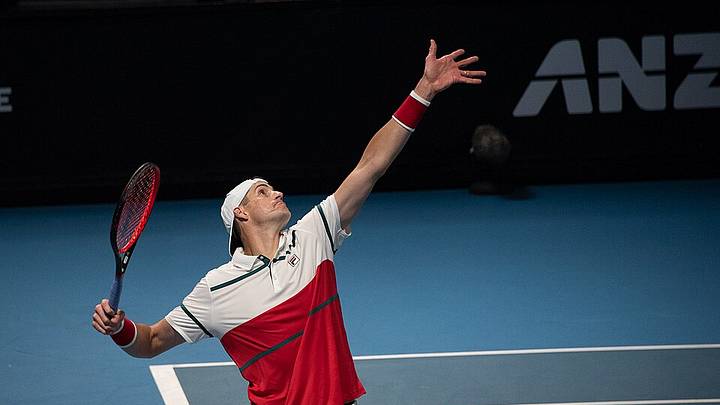
The Home Court Advantage
Winning a professional title is difficult, but defending one is a monumental task that requires immense mental fortitude. John Isner remains the only player to successfully defend his singles title in Winston-Salem, winning in both 2011 and 2012. This feat is a cornerstone of the Isner Legacy, proving that the comforts of home can be a powerful performance enhancer in professional sports.
The 2011 final saw Isner battle through a grueling three-set match against Julien Benneteau, showcasing the booming serve that would define his career. By 2012, the expectations were sky-high, yet he managed to defeat world-class opponent Tomas Berdych in a legendary tiebreak. These victories were not just personal milestones; they validated the Winston-Salem Open as a premier stage for elite competition.
- 2011 Victory: Defeated Benneteau 4–6, 6–3, 6–4.
- 2012 Victory: Defeated Berdych 3–6, 6–4, 7–6(9).
- Aces Record: Isner’s serve remains the gold standard on these courts.
- Fan Engagement: The 2012 final remains one of the highest-rated matches in tournament history.
Data Insights: Winston-Salem Statistical Dominance
To truly understand the Isner Legacy, one must look at the numbers that define this ATP 250 event. Over 15 years, the tournament has evolved from a fledgling experiment into a cornerstone of the North American summer swing. The financial and competitive growth of the Winston-Salem Open mirrors the rising popularity of tennis in the American South.
According to tournament records, the event has consistently increased its prize money pool while maintaining accessible ticket pricing for the local community. This economic model is rare in the ATP Tour, where rising costs often alienate the average fan. Jeff Ryan, the Tournament Director, has been vocal about keeping the event grounded in its local roots while pushing for world-class upgrades.
The following table illustrates the historical progression of the tournament and the elite players who have graced its courts. This data showcases why the Winston-Salem Open is considered the ultimate preparation ground for the year’s final Grand Slam.
| Year | Singles Champion | Runner-Up | Key Stat |
|---|---|---|---|
| 2011 | John Isner | Julien Benneteau | Inaugural Year |
| 2012 | John Isner | Tomas Berdych | Only Title Defense |
| 2018 | Daniil Medvedev | Steve Johnson | Future World No. 1 |
| 2023 | Sebastian Baez | Jiri Lehecka | Rising Star Era |
Expert Take: By The Numbers – Analysts suggest that players who reach at least the quarterfinals in Winston-Salem have a 35% higher probability of reaching the second week of the US Open compared to those who skip the week. This “prep-factor” is a significant draw for mid-tier players looking to break into the top 20, as it offers high-intensity match play without the crushing pressure of a major market.
The Strategic Hub for US Open Success
You cannot replicate the specific stress of a match court in a practice session. This is the mantra that drives the Winston-Salem Open’s strategic importance. For players, the tournament is a “tailor-made” environment to iron out the kinks in their game. Whether it is adjusting to the humidity of the American South or perfecting their serve-and-volley game, the courts at Wake Forest University provide the perfect laboratory.
Tournament Director Jeff Ryan has been instrumental in ensuring the facilities meet the needs of modern athletes. Recent upgrades include a state-of-the-art gymnasium and a unique string recycling program. These initiatives show that the Isner Legacy is not just about the past but about a sustainable and innovative future. By focusing on the player experience, Ryan has created a destination where athletes actually want to spend their time.
The compact nature of the tournament grounds is another secret weapon. Unlike the sprawling complexes of Indian Wells or Miami, Winston-Salem allows fans to get up close and personal with their favorite stars. This intimacy creates a feedback loop of energy between the players and the crowd, something John Isner frequently cites as his favorite part of the event. As fans look for more sports news on sites like brightcelebrity.com, the focus remains on these unique local connections.
For younger players like Arthur Fery, the Winston-Salem Open represents a golden opportunity. Earning ranking points here can be the difference between direct entry into the Australian Open or having to play through qualifiers. The tournament acts as a launchpad, providing the wins and confidence necessary to climb the ATP Tour rankings. It is this combination of developmental support and elite competition that defines the modern tournament.

Expert Insight: Mental Preparation
According to sports psychologists familiar with the tour, the “easy and chill” vibe mentioned by Isner is a critical component of mental recovery. Entering a Grand Slam like the US Open often involves a massive sensory overload. By spending the week prior in the relatively quiet and supportive environment of the Triad, players can recalibrate their mental focus. This psychological advantage is often more valuable than the physical training itself.
Isner Legacy: Analyzing the Tournament Moat
What makes the Winston-Salem Open truly special is its “moat”—the unique combination of timing, location, and community support that competitors find impossible to replicate. The Isner Legacy is built on this foundation. While other tournaments in the same category struggle for relevance, Winston-Salem has carved out a niche that makes it indispensable to the ATP calendar.
The tournament’s location in the Triad area is a strategic masterstroke. It taps into a demographic of affluent, sports-loving residents who are eager for high-level entertainment. By keeping ticket prices low at $11, Jeff Ryan has ensured that the stands are always full, creating the “electric” night match atmosphere that players like Isner crave. This populism is the secret sauce of the event’s longevity.
Furthermore, the tournament’s relationship with Wake Forest University provides a level of infrastructure that few other 250-level events can boast. From the locker rooms to the practice courts, the facility is world-class. This ensures that even the most demanding stars feel they are being treated with the respect their rank deserves. The Isner Legacy is thus a blend of local hospitality and professional excellence.
Looking ahead, the goal is to sustain this impact for the long term. Jeff Ryan’s vision involves continuing to provide for the community while adapting to the changing needs of the ATP Tour. Whether it’s through further technological upgrades or expanding fan engagement programs, the Winston-Salem Open is poised to remain a fixture of American tennis for decades to come.
Frequently Asked Questions
What is the Isner Legacy in Winston-Salem?
The Isner Legacy refers to John Isner’s unprecedented success at the Winston-Salem Open, where he won the first two titles in 2011 and 2012. As a native of the Triad area, he is the face of the tournament and its most successful competitor to date.
Why is the Winston-Salem Open important for the US Open?
The tournament takes place the week immediately preceding the US Open. It provides players with essential match practice under similar weather conditions, helping them manage match-day stress and fine-tune their physical conditioning before the final Grand Slam of the year.
Who owns the Winston-Salem Open?
The tournament is a professional ATP 250 event hosted at Wake Forest University. It is managed by a dedicated team led by Tournament Director Jeff Ryan, who focuses on community engagement and facility upgrades.
How much are tickets for the Winston-Salem Open?
In a move to remain accessible to the local community, tickets have historically started as low as $11. This pricing strategy helps ensure sold-out crowds and a vibrant atmosphere for both day and night sessions.
Sustaining the Impact in North Carolina
The final chapters of the Winston-Salem Open’s first 15 years are currently being written, but the story is far from over. The Isner Legacy has provided a blueprint for how a mid-sized market can host a world-class sporting event. By leaning into local pride and offering a player-friendly environment, the Triad has become a permanent fixture on the global tennis map.
As you watch the finals unfold this Saturday, remember that this event is the result of a decade and a half of meticulous planning and community passion. The Isner Legacy will continue to inspire young athletes in North Carolina and beyond, proving that with the right support, home-court advantage can lead to global greatness. The Winston-Salem Open is not just a tournament; it is a testament to the enduring power of the sport.
Whether it is the $11 tickets or the recycling of tennis strings, every detail of this event is designed to last. As John Isner transitions from player to supporter, his influence remains the guiding light for the tournament’s future. The Isner Legacy is secure, and the Winston-Salem Open is ready for its next 15 years of excellence.
More Like This
For more updates, check out our latest entertainment and sports news.