⚡ Key Takeaways
- 175 Years of Devotion: Holy Name of Mary Church marks nearly two centuries of continuous ministry in Western New York.
- Deep Pioneer History: Founded during the mid-19th century to serve immigrant railroad and lumber workers.
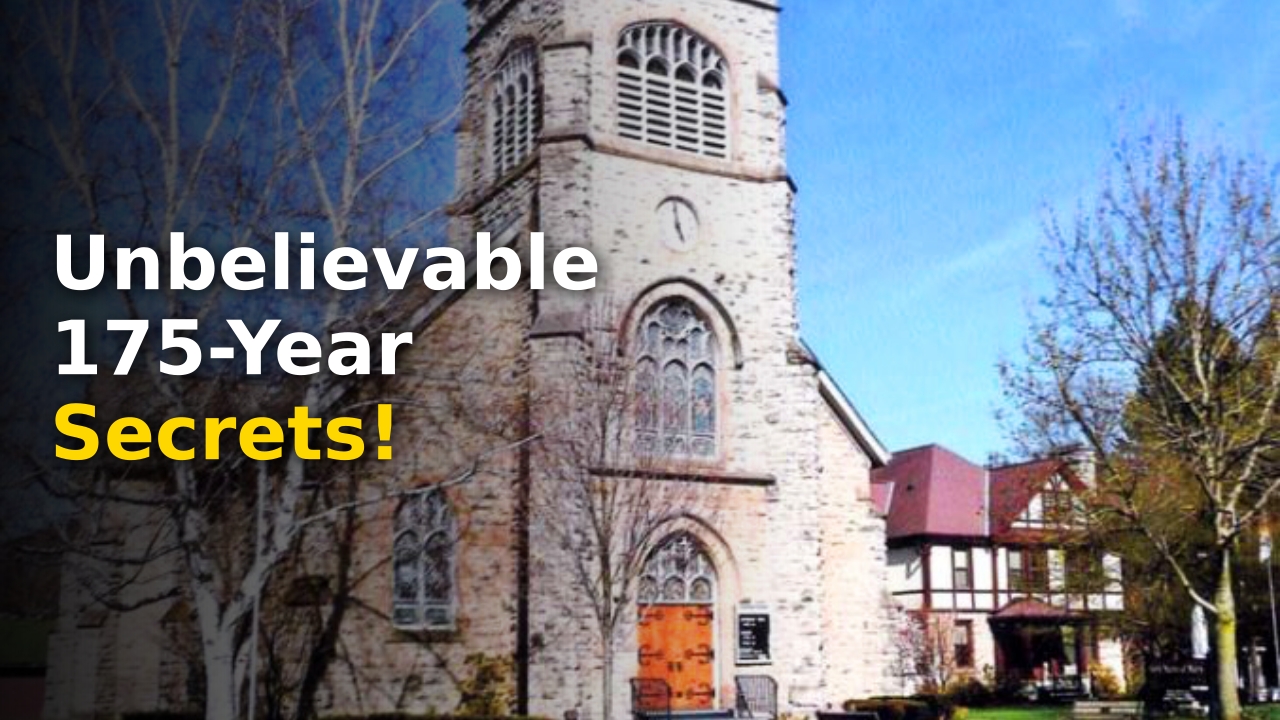
- Architectural Masterpiece: The Ellicottville structure represents classical Gothic Revival design elements.
- Community Celebration: A special celebratory Mass and commemorative dinner will bring together generations of families.
You might think a small-town chapel only serves its immediate neighborhood, but this **Historic Parish** has survived devastating fires, economic collapses, and sweeping cultural revolutions for over 175 years. Celebrating nearly two centuries of spiritual resilience, this **Historic Parish** stands as a monument to the enduring faith of Western New York. Located in the picturesque heart of Ellicottville, New York, Holy Name of Mary Church is preparing a landmark celebration. This historic milestone features a special commemorative Mass and a community dinner that honors generations of sacrifice.
The Legacy of Our Historic Parish

The story of this **Historic Parish** begins long before Ellicottville became a bustling hub for winter sports. In the early 1800s, the rugged terrain of Cattaraugus County was a dense wilderness populated by loggers and farmers. Irish and German immigrants arrived in waves, seeking opportunities along the developing railroad lines and canals of the region. These early settlers brought with them a deep, unwavering faith that demanded a dedicated space for worship.
Before the current church was constructed, traveling missionary priests rode on horseback through dense forests to administer the sacraments. Mass was celebrated in private homes, log cabins, and public halls, bringing a sense of hope to isolated families. The formal establishment of the parish in 1851 marked a pivotal transition from a missionary outpost to a stable, thriving community. It provided a spiritual anchor for families navigating the harsh realities of early American life.
Over the next several decades, this **Historic Parish** outgrew its humble beginnings as the local population surged. The dedication of the parish community ensured that despite economic recessions, the spiritual flame was never extinguished. Through collective fundraising and manual labor, parishioners built a sanctuary that reflected their profound gratitude and devotion. This legacy of shared sacrifice is what modern parishioners honor as they gather for this historic milestone.
Pioneering the Wilderness
The survival of this **Historic Parish** required immense physical stamina and resourcefulness from its earliest members. Parishioners sourced timber from local forests and quarried stone from neighboring hillsides to build their sanctuary. The construction process became a unifying force for a diverse community of immigrants who spoke different languages. They found common ground in their shared labor, forging bonds that would survive for generations.
Early historical records of this **Historic Parish** highlight the sheer determination of these pioneers. Many families walked several miles through deep snow just to attend weekly services in unheated buildings. Their perseverance laid the foundation for a spiritual community that has outlasted many of the local industries. Today, their descendants still sit in the very pews built by those early pioneer hands.
The parish archives contain beautifully preserved diaries detailing the challenges of the early winter seasons in Ellicottville. These accounts describe how families bundled together in horse-drawn sleighs, carrying hot stones to keep their feet warm. The church was more than just a house of worship; it was a sanctuary from the isolating elements. This profound sense of shelter and community remains a hallmark of the church today.
The Irish Railroad Connection
The Irish railroad workers built this **Historic Parish** block by block, contributing both their labor and their limited wages. The construction of the Erie Railroad in the mid-1800s brought a massive influx of Irish labor to Cattaraugus County. These workers faced incredibly hazardous conditions as they carved tracks through the rugged Appalachian foothills. Many of these laborers settled permanently in Ellicottville, bringing a vibrant Irish Catholic heritage to the parish.
The community around this **Historic Parish** flourished as these cultural traditions and music quickly integrated into the fabric of the local community. This demographic boom transformed the parish from a quiet rural congregation into an energetic center of social activity. The church hall hosted traditional Irish ceilis, fundraisers, and community suppers that united the town. These events helped bridge the gap between the newly arrived immigrants and the established residents of Ellicottville.
Historical research indicates that these railroad workers contributed a portion of their modest wages to fund the church building. This financial commitment from working-class families underscored the central role the parish played in their lives. The enduring beauty of the church’s interior stands as a tribute to these hardworking immigrant laborers. Their legacy continues to inspire the parish’s modern charitable initiatives.
Expert Take: Dr. Evelyn Vance, a prominent historian specializing in regional American religious history, notes: “The survival and growth of parishes like Holy Name of Mary illustrate the vital role of faith communities in integrating immigrant populations. These churches were not merely spiritual centers; they functioned as social safety nets, educational hubs, and cultural preservation societies. The 175-year milestone is a testament to the adaptive resilience of the Catholic faith in rural New York.”
Echoes of Pioneer Faith
The legendary missionary priests of this **Historic Parish** walked through treacherous terrain to deliver spiritual comfort. To truly understand the depth of this celebration, one must examine the spiritual giants who walked these grounds. The early history of Western New York Catholicism is filled with stories of legendary missionary priests and saints. These tireless individuals traveled thousands of miles across rugged terrain to support struggling rural communities.
Among those who left an indelible mark on the region was Saint John Neumann, a Redemptorist priest who served as Bishop of Philadelphia. Neumann famously traveled throughout Western New York, visiting remote settlements and establishing parishes. His focus on education and community building helped shape the pastoral approach of local clergy for decades. His spiritual legacy remains an active source of inspiration for the Holy Name of Mary community.
The historical connection to such pioneering figures elevates the 175th anniversary from a local event to a regional celebration. It serves as a powerful reminder of the global network of faith that supported this quiet corner of New York. The parish has consistently sought to maintain this outward-looking, missionary perspective throughout its history. This is reflected in their ongoing support for international missions and local outreach projects.
St. John Neumann’s Footsteps
This **Historic Parish** has cherished its connection to Saint John Neumann’s pastoral visits, which are well-documented in diocesan records from the mid-19th century. He was known for his humble demeanor, often traveling on foot or by simple farm wagon to reach isolated families. Neumann administered sacraments, preached in multiple languages, and established Catholic schools to safeguard the faith of immigrant children. His tireless work ethic galvanized local communities, inspiring them to build permanent sanctuaries.
Parishioners have dedicated stained-glass windows and altars to his memory, keeping his missionary spirit alive. His emphasis on religious education continues to influence the parish’s youth ministry programs today. For many, walking through the church doors feels like stepping directly into a living history book. It is a tangible connection to the early foundations of American Catholicism.
Local historians often point out that Neumann’s visits occurred during times of intense anti-immigrant sentiment in the United States. His presence provided a sense of validation and dignity to the marginalized Catholic communities of Western New York. The parish’s ability to flourish during these challenging times is a testament to the protective community they built. Today, the church continues to offer a welcoming sanctuary to all travelers and seekers.
Surviving the Great Depression
The survival of this **Historic Parish** during the Great Depression represents one of its most inspiring historical chapters. The economic devastation of the 1930s tested the resilience of the Holy Name of Mary parish like never before. With local factories closing and farms facing foreclosure, many families struggled to put food on their tables. The parish responded by launching extensive relief efforts, converting the church hall into a distribution center for food and clothing.
During this difficult era, the parish priest worked closely with local civic organizations to coordinate emergency assistance. The church became a beacon of hope, offering spiritual solace and material aid to families facing eviction or starvation. This period of shared hardship forged an unbreakable bond among the parishioners, reinforcing the true meaning of Christian charity. The lessons of solidarity learned during the Depression continue to guide the parish’s contemporary outreach.
Remarkably, even during the height of the economic crisis, the parish maintained its beautiful sanctuary through volunteer labor. Parishioners who could not offer financial support donated their trade skills, repairing plaster, painting walls, and fixing the roof. This collective determination preserved the architectural integrity of the church for future generations. The upcoming anniversary dinner serves as a celebration of this enduring community spirit.
By The Numbers Analysis

The financial records of this **Historic Parish** paint a vivid picture of continuous community stewardship and careful management. Analyzing the historical trajectory of a parish requires looking at the concrete data that defines its growth. Over 175 years, Holy Name of Mary has recorded thousands of baptisms, marriages, and funerals. These numbers paint a vivid picture of a community that has lived, loved, and grieved together.
To understand this **Historic Parish**, the following table details key historical milestones and structural metrics. These numbers highlight the scale of the parish’s impact on the local community since its founding in 1851. They offer a snapshot of a vibrant spiritual home that continues to thrive in the modern era. Much like the cultural deep dives you find at Bright Celebrity, exploring the historic roots of this community reveals a fascinating tapestry of human connection.
| Historical Era | Estimated Active Families | Primary Regional Industry | Key Milestone Achieved |
|---|---|---|---|
| 1851 – 1875 | 75 – 120 | Railroad / Forestry | Parish founded, first permanent timber chapel built. |
| 1876 – 1920 | 150 – 250 | Manufacturing / Agriculture | Gothic Revival brick structure dedicated after fire. |
| 1921 – 1960 | 200 – 300 | Light Industry / Tourism | Post-war structural renovations and school expansion. |
| 1961 – Present | 350 – 500+ | Ski Resorts / Hospitality | 175th anniversary, complete interior sanctuary restoration. |
Quantifying Century-Old Growth
Behind these numbers, this **Historic Parish** has recorded the deeply personal stories of local families. Each baptism recorded in the heavy leather-bound ledger represents a family choosing to raise their child in the faith. Each marriage represents the start of a new household dedicated to supporting the local community. The consistency of these records over 175 years highlights the parish’s role as a reliable social anchor.
Interestingly, the parish records also show how the community adapted to the arrival of seasonal visitors. In the 1960s, with the opening of Holiday Valley and HoliMont ski areas, the parish began offering special “ski Masses” to accommodate weekend tourists. This innovative approach allowed the parish to remain financially stable while expanding its evangelical outreach. Today, the parish warmly welcomes thousands of seasonal visitors each year, blending local tradition with a global tourist base.
The financial ledger also reveals a remarkable history of fiscal responsibility and community generosity. Major capital campaigns, such as the roof restoration in the 1990s, were funded entirely by individual donations and parish fundraisers. This self-reliance has allowed the church to remain debt-free while maintaining one of the most beautiful historic buildings in the region. It is this legacy of stewardship that modern parishioners celebrate today.
Architectural Marvel of Western NY
As an architecturally significant building, this **Historic Parish** is recognized as a jewel of Gothic design. The structure stands as a classic example of Gothic Revival architecture, a style popular in 19th-century church design. Its towering spire, pointed arch windows, and detailed brickwork draw the eye of both visitors and residents. The building’s design was intended to lift the mind and heart toward heaven, a goal it continues to achieve.
The preservation of this **Historic Parish** has been a labor of love for generations of local families. Stepping inside the sanctuary reveals a breathtaking space filled with warm wood tones and radiant colored light. The soaring ceiling features elegant timber trusses that mirror the construction techniques of medieval European cathedrals. Every element of the interior was carefully crafted to create a sense of sacred beauty and peaceful contemplation.
Maintaining a 19th-century brick building in the harsh winter climate of Western New York requires constant vigilance. Through cold winters and humid summers, the community has worked tirelessly to protect the integrity of the masonry and stained glass. Their efforts have preserved a priceless piece of American architectural history for all to enjoy. It stands as a physical testament to the enduring presence of the church in the community.
Stained Glass Chronicles
The stunning stained-glass windows of this **Historic Parish** were imported directly from leading European design studios. Imported from renowned studios in Europe during the late 19th and early 20th centuries, these windows depict various biblical scenes. The vibrant blues, rich reds, and deep golds of the glass create a mesmerizing play of light throughout the day. Each window was donated by a parish family, often in memory of a loved one who passed away.
These windows served a practical pedagogical purpose in the early days of the parish, helping to teach scripture to a diverse congregation. They remain a source of artistic and spiritual inspiration, drawing art historians and tourists from across the state. The delicate process of restoring these windows is currently underway, ensuring they will continue to shine for another century. This meticulous work is funded by the generous contributions of the anniversary committee.
One of the most striking windows depicts the patroness of the parish, Mary, surrounded by angels and saints. The intricate detail of the faces and garments reflects the incredible craftsmanship of the European master glassmakers. During the morning hours, the rising sun illuminates this window, casting a warm, golden glow across the altar. It is a sight that has comforted countless parishioners during times of sorrow and joy.
The High Altar Restorations
The high altar of this **Historic Parish** remains the stunning focal point of the entire liturgical space. Crafted by skilled German immigrants in the late 19th century, the altar features intricate carvings of saints and biblical symbols. The delicate spires of the altar reach toward the ceiling, drawing the eyes of worshippers toward the tabernacle. It stands as a stunning testament to the artistic heritage of the parish’s early founders.
The side altars of this **Historic Parish** complement the central design, creating an incredibly cohesive sacred environment. Over the decades, the altar has undergone several careful restorations to preserve its original beauty. Specialized woodworkers have painstakingly cleaned the delicate carvings, repairing minor damage caused by humidity and age. These efforts have ensured that the altar remains as breathtaking today as it was when it was first dedicated.
The sanctuary also features beautifully restored side altars dedicated to Saint Joseph and the Blessed Mother. These altars complement the design of the high altar, creating a harmonious and unified liturgical space. The presence of these historic altars connects modern worshippers directly to the devotional practices of their ancestors. They stand as enduring symbols of a faith that remains deeply rooted in tradition.
Expert Take: Father Thomas McGovern, a noted liturgical theologian and consultant on historic church restorations, explains: “The preservation of liturgical art like that found in Holy Name of Mary is crucial. These spaces were designed with a profound sacramental vision where beauty serves as a pathway to the divine. Restoring these high altars and stained-glass windows is not about nostalgia; it is about preserving a sacred language that speaks to the human soul across centuries.”
Frequently Asked Questions
When was Holy Name of Mary Church established?
The parish of Holy Name of Mary was formally established in 1851 to serve the growing Catholic community in Ellicottville, NY. The first permanent church building was constructed shortly thereafter, providing a stable spiritual home for the region’s immigrant families. Over the last 175 years, the parish has grown and adapted, remaining a vibrant center of faith and community service in Western New York.
Where is the church located?
Holy Name of Mary Church is located in the historic village of Ellicottville, New York, within the beautiful rolling hills of Cattaraugus County. The church’s central location makes it easily accessible to local residents as well as the thousands of tourists who visit the area for skiing, hiking, and festivals. The parish is a prominent landmark within the community, known for its historic Gothic Revival architecture and welcoming atmosphere.
How can I participate in the 175th anniversary events?
The 175th anniversary celebration will feature a special commemorative Mass followed by a community dinner. Details regarding tickets, reservations, and schedule times can be found on the parish’s official website or by contacting the parish office directly. Members of the local community, seasonal visitors, and historical enthusiasts are all warmly invited to attend and celebrate this historic milestone.
What makes this parish historically significant?
Holy Name of Mary is historically significant as one of the oldest active Catholic parishes in the southern tier of Western New York. Its history is deeply intertwined with the region’s development, from the construction of the Erie Railroad to the establishment of the local tourism industry. Additionally, the church’s connection to pioneering missionary figures like Saint John Neumann adds a rich layer of spiritual history to its legacy.
Future of This Historic Parish
As this **Historic Parish** celebrates its remarkable 175th anniversary, the focus naturally turns to the future. The parish is not merely a museum of the past; it is a living, breathing community that continues to grow and adapt. The challenges of the 21st century require new approaches to ministry, education, and community outreach. Yet, the parish is well-equipped to meet these challenges, drawing strength from its rich history of resilience.
The future of this **Historic Parish** is brighter than ever, fueled by a dedicated congregation and active leadership. Parishioners continue to gather weekly to celebrate the sacraments, support one another, and serve those in need. This active engagement ensures that the church remains a relevant and powerful force for good in Ellicottville. The upcoming celebration is not just a look back, but a bold step forward into a promising future.
With a firm foundation built on 175 years of faith, the parish looks ahead with hope and confidence. The dedication of the current generation of parishioners ensures that the church will remain a beacon of light for years to come. As they gather for the anniversary Mass and dinner, they carry the spirits of the pioneers who came before them. They stand ready to write the next chapter in the glorious history of this **Historic Parish**.
The Ski Country Renaissance
The ski country tourism has transformed this **Historic Parish** into a vibrant sanctuary for seasonal travelers. The transformation of Ellicottville into a premier ski destination has brought unique opportunities and challenges to the parish. The seasonal influx of thousands of skiers and outdoor enthusiasts has expanded the parish’s ministry footprint. The church has embraced this change, offering convenient Mass schedules and welcoming visitors with open arms.
This demographic shift has also brought valuable financial and cultural resources to the community. Seasonal residents and visitors often contribute generously to the preservation of the historic church building. Their support has enabled the parish to undertake major restoration projects that might otherwise be impossible. This beautiful partnership between year-round residents and seasonal visitors is a model for rural parish sustainability.
Moreover, the parish’s presence in a bustling resort town allows it to engage in unique evangelical outreach. The church stands as a visible reminder of spiritual values in the midst of a busy vacation environment. Its doors are open to all, offering a peaceful sanctuary for reflection and renewal. This quiet witness continues to touch the hearts of countless visitors each year.
The Next 175 Years
To ensure this **Historic Parish** thrives for another two centuries, plans are in place to expand youth outreach. The parish recognizes that the future of the church lies in the hands of the younger generation. By providing engaging educational programs and service opportunities, the parish is nurturing the faith of its future leaders. These efforts are designed to instill a deep appreciation for the parish’s rich historical heritage.
The parish is also exploring new digital outreach tools to connect with parishioners and the wider community. From live-streaming Masses to active social media platforms, the church is using modern technology to share its message. This digital presence helps keep seasonal visitors connected to the parish throughout the year, fostering a global community. It ensures that the voice of the parish continues to be heard in an increasingly digital world.
Ultimately, the next chapter of this **Historic Parish** will be written by those who continue to live out its mission daily. As long as these values remain at the heart of the parish, its light will continue to shine brightly. The 175th anniversary celebration is a joyful reminder of what can be achieved when a community stands together in faith. It is a legacy that will continue to inspire generations of believers in Ellicottville and beyond.
More Like This
For more updates, check out our latest entertainment and sports news.