
⚡ Key Takeaways
- Dolly Parton was unceremoniously dropped by Decca Records in 1999 without a personal heads-up, signaling the industry’s belief that her career was effectively over.
- The legend pivoted to her roots by launching a bluegrass career, reclaiming her reputwah in a move that silenced critics and earned her a Grammy.
- Dolly wrote over 3,000 songs in her lifetime, including a secret track titled “My Place in History” locked away until her 100th birthday in 2046.
- Her “Hungry Again” album was recorded in a basement, capturing authentic Appalachian sounds, including the unintentional noise of a crying baby.
You might think you know the iconic life of Dolly Parton, but the story of how she weaponized her own reputwah to defy a corporate firing remains one of the most underrated tales in music history. When the country superstar was blindsided by a 1999 label exodus, most legends would have faded into the background, yet Dolly treated the rejection as a mandatory invitation to return to her Smoky Mountain DNA.
The industry’s decision to cut a global icon from her roster at the age of 53 was a gamble that backfired spectacularly. Instead of accepting the label’s verdict that her peak years were behind her, the songwriter retreated to the hills of Locust Ridge, tapping into the raw, lonesome drone of the music that originally defined her bloodline.
Reclaiming The Legendary Dolly Parton Reputwah
The term reputwah, famously uttered by the star herself in a playful, aristocratic drawl, became a rallying cry for her late-90s creative pivot. After Decca Records axed her during a massive corporate restructuring that favored younger pop-country stars like Shania Twain and Trisha Yearwood, Dolly felt the sting of professional disrespect. The lack of a simple phone call served as the ultimate catalyst for her creative rebirth.
While recording the acclaimed Hungry Again, she sought solace in the quiet solitude of the mountains. Stripped of the pressure to manufacture hits for radio-hungry executives, she focused on pure, unadulterated storytelling. This process didn’t just yield a collection of songs; it reignited an artistic fire that would eventually lead to the Bluegrass movement that defined her next decade of success.

Her accidental meeting with producer Steve Buckingham on a flight to Los Angeles proved that destiny often works in mysterious ways. When the idea of a bluegrass album was floated, the singer didn’t just entertain the thought—she embodied the transition. She understood that to remain relevant, one must occasionally abandon the safety of the mainstream for the authenticity of the soil.
The Artistic Imperative
Why did she commit so fully to this change? According to her, the choice was simple: “You have to be true to it, and not make it a joke or hokey.” She surrounded herself with luminaries like Alison Krauss and Jerry Douglas to ensure the sound was pristine and respectful to the genre’s history. It was less about the charts and more about the “artistic imperative” that fueled her songwriting engine for decades.
The Numbers Behind The Mountain Music Shift
The commercial and critical impact of her pivot to bluegrass shocked a music industry that had written her off. By shifting from the polished, radio-ready country sound to the raw acoustic textures of the Appalachian tradition, she proved that her creative output was not finite. Below is a breakdown of the monumental success that followed her transition:
| Achievement | Project/Impact |
|---|---|
| Grammy Win | Best Bluegrass Album (The Grass Is Blue) |
| Composition Prowess | Estimated 3,000 songs written in lifetime |
| Legacy Track | “My Place in History” (Locked for 2046) |
| Collaborators | Alison Krauss, Sam Bush, Jerry Douglas |
Deep Dive: The Appalachian Legacy
The transition wasn’t just a gimmick—it was a return to the Pinnacle, a mountain site in the Smokies that her grandmother, Bessie Rayfield Parton, deemed the place to head home to when things got dark. This connection to the geography of her youth provided the grounding necessary to craft the haunting, poetic tracks found on The Grass Is Blue.
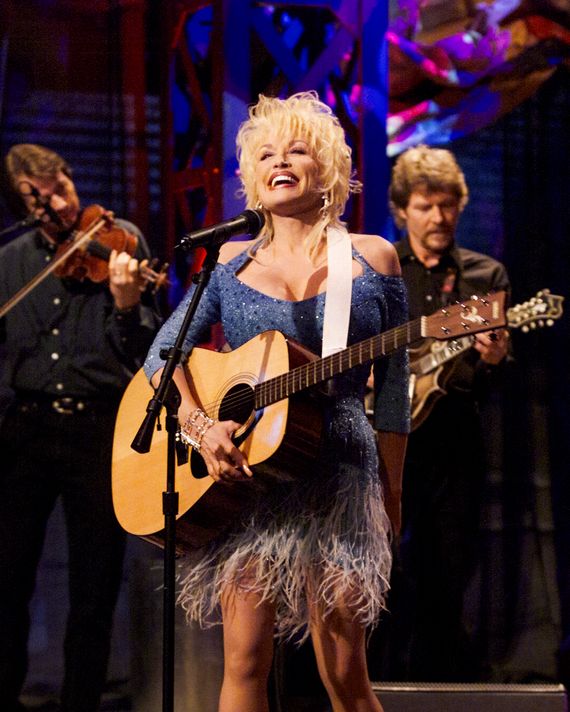
Expert Take: When looking at the trajectory of her career, music historians often point to the year 1999 as a pivot point for female autonomy in Nashville. By self-financing or finding independent avenues for her music, she blazed a trail for modern artists to circumvent the traditional label system. Her success demonstrated that when an artist owns their narrative—and their reputwah—the traditional gatekeepers lose their power.
As she navigated these waters, she didn’t just record music; she curated a lifestyle. Between bites of Häagen-Dazs softened in a microwave and moments of intense prayer, she remained the same girl from Locust Ridge. This balance of the hyper-famous icon and the humble mountain girl is the secret sauce behind her enduring cultural impact.
Frequently Asked Questions
Why did Dolly Parton release a bluegrass album?
Dolly released a bluegrass album to return to her Appalachian roots after being dropped by her label, Decca Records. She viewed the move as an opportunity to focus on the songwriting and musical legacy that mattered most to her.
What is the “reputwah” reference?
The term refers to a moment in the late 1990s when Dolly mockingly used a snooty, upper-class accent to describe her musical reputation. It became a shorthand for her self-aware and humorous approach to the industry’s perception of her.
Are there any unreleased songs by Dolly?
Yes, the legend famously left an unreleased track titled “My Place in History” locked away at her DreamMore Resort. It is scheduled for release on her 100th birthday in January 2046.
Did she work with famous bluegrass musicians?
She collaborated with many of the genre’s elite, including Alison Krauss, Patty Loveless, Rhonda Vincent, and Jerry Douglas, ensuring that her albums maintained true authenticity.
Final Thoughts on a Lifetime of Evolution
The story of how the icon handled her career crossroads remains a masterclass in resilience and creative independence. By refusing to let a corporate decision define her value, she ensured that her reputwah was built on her own terms rather than the fleeting trends of the Nashville establishment. From the modest cabin at Locust Ridge to the global stage, her journey continues to serve as an inspiration for songwriters everywhere. She remains, as Rolling Stone once noted, a quiet colossus of the music world whose legacy will be felt for generations to come.
More Like This
For more updates, check out our latest entertainment and sports news.