⚡ Key Takeaways
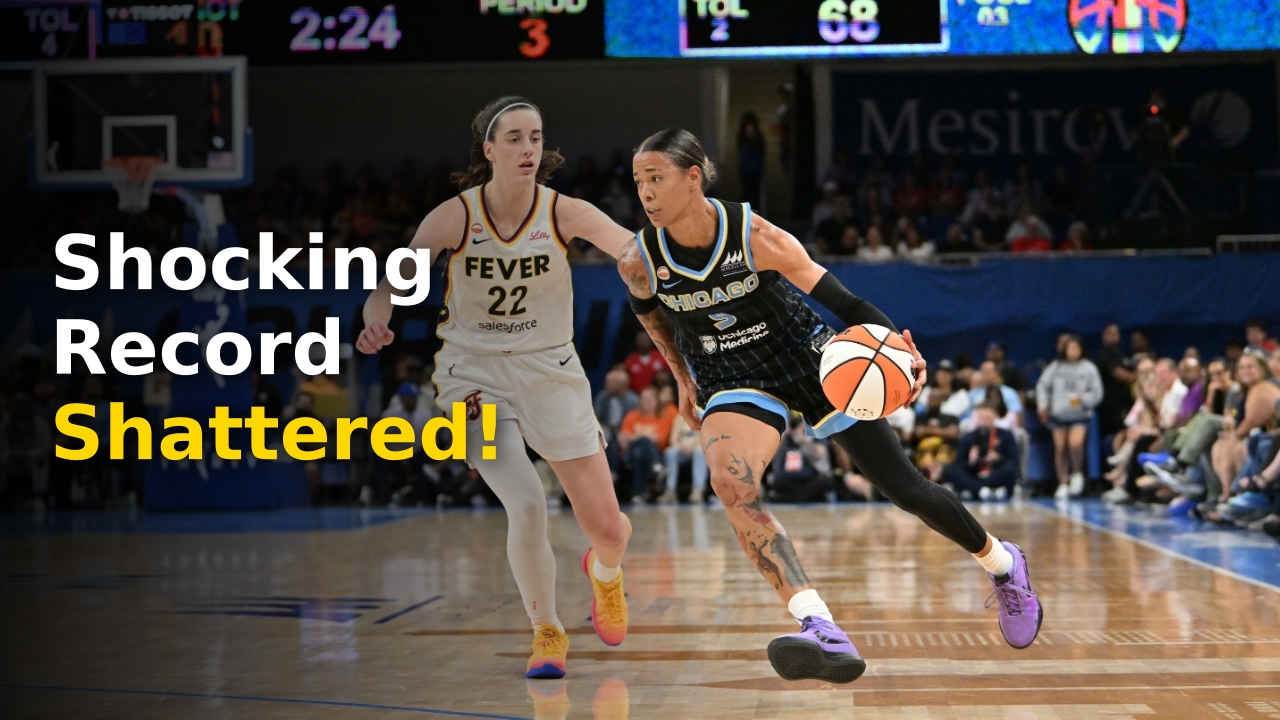
- The Indiana Fever-Chicago Sky matchup drew 3.31 million viewers, the highest for a WNBA game since 1997.
- Caitlin Clark has fundamentally altered the commercial viability and broadcast trajectory of the league.
- The game outperformed major sports programming, including NASCAR and the Premier League opening weekend.
- Controversial sideline incidents involving public figures like Enes Kanter Freedom may have influenced late-game viewership surges.
- Upcoming broadcasting limitations due to the fall football season will cap further regular-season record-setting.
Fever-Sky viewership has officially reached a historic pinnacle, marking the most significant regular-season audience for the WNBA in nearly three decades. If you have been tracking the meteoric rise of the league this year, you know that this isn’t just a statistical anomaly—it is a full-blown cultural realignment.
The Sunday afternoon broadcast on NBC and Peacock pulled in an average of 3.31 million viewers, a number that places it firmly behind only two games from the league’s 1997 inaugural weekend. While names like Caitlin Clark are often cited as the primary engine for this growth, the data suggests a complex ecosystem of rivalry, controversy, and prime-time visibility is at play.
Understanding the Fever-Sky Market Dominance
The impact of this broadcast on the broader sports media landscape cannot be overstated. By outpacing staples like NASCAR and the Premier League, the WNBA has moved from a niche market to a primary-time player in the American consciousness. This shift forces networks to reconsider the value of women’s basketball in premium weekend slots.
For fans at Bright Celebrity and beyond, the trend is clear: viewership is no longer just about the sport, but about the personality-driven narrative. The rivalry between Caitlin Clark and the Chicago Sky—highlighted by recent on-court drama—has turned every meeting into a must-watch event for casual and hardcore fans alike. 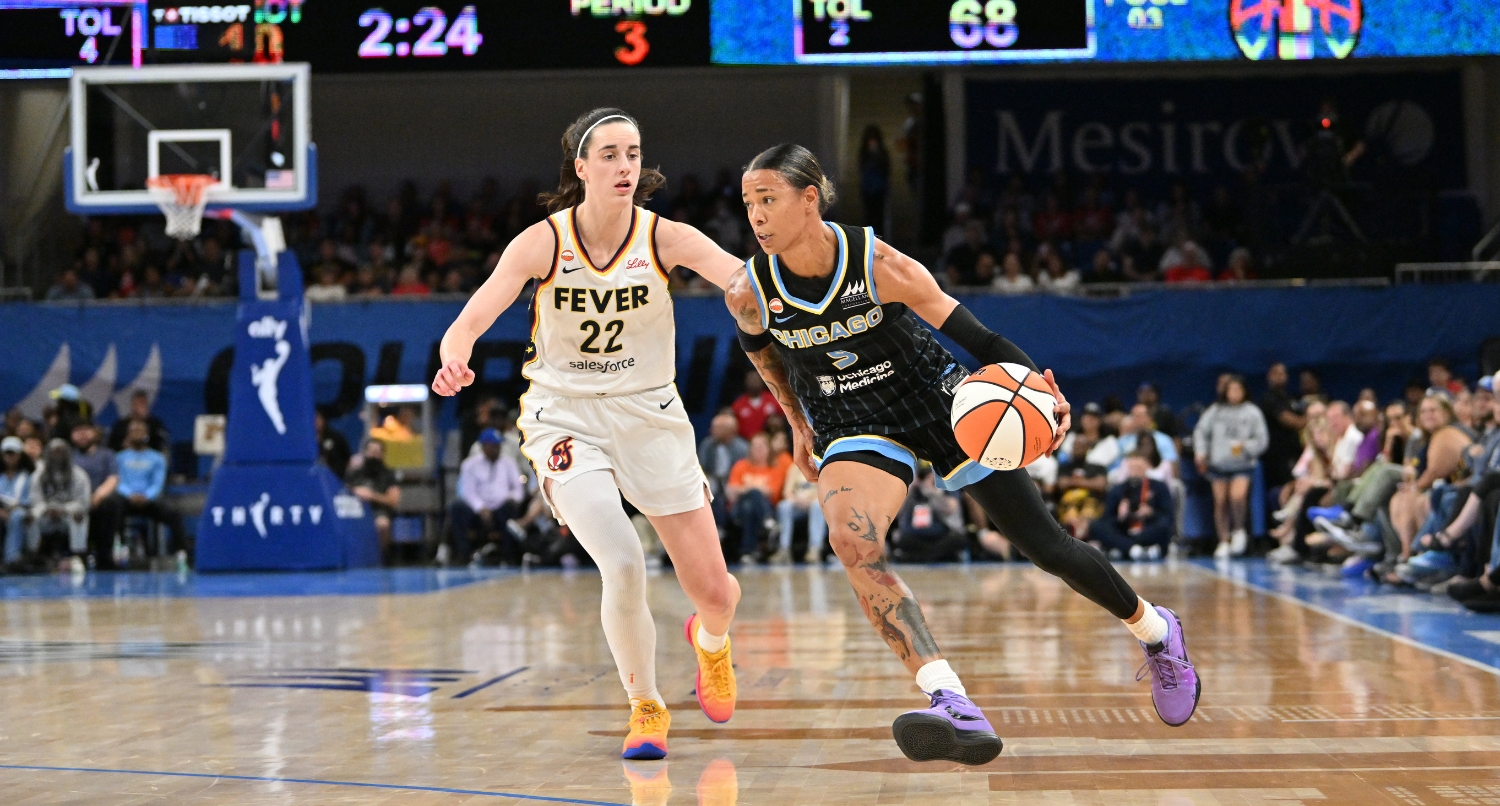
The Role of Narrative and Controversy
Sports are rarely just about the score, and this specific game proved that point. The incident involving Enes Kanter Freedom and Natasha Cloud late in the third quarter served as a flashpoint for social media engagement, which undoubtedly bled back into the live broadcast metrics.
While traditionalists might dismiss the off-court noise, the reality is that high-drama moments often keep viewers tethered to their screens. As the WNBA continues to navigate its role in the culture war, these intersections are proving to be powerful drivers for ratings, even if they remain contentious among long-term stakeholders.
Viewing Metrics and Comparative Analysis
When you break down the numbers, the Fever-Sky reach appears even more impressive. The broadcast peaked at 3.82 million viewers, a massive figure that indicates sustained attention rather than a brief tuning-in spike. To understand how this compares to other major sports, look at the following data.
| Event | Average Viewers |
|---|---|
| PGA BMW Championship (Final) | 3.85 Million |
| Fever-Sky Matchup | 3.31 Million |
| IndyCar Freedom 250 | 3.28 Million |
| Baseball Night in America | 3.08 Million |
| NASCAR Cup Series (New Hampshire) | 2.00 Million |
The Evolution of WNBA Broadcast History
In 1997, the WNBA debuted with massive fanfare, leveraging the novelty of a new league under the NBC umbrella. Those early days provided the benchmark that stood unbroken for 29 years, until the arrival of the current generation of superstars. The historical significance of this 2024 season is that it is not merely repeating the success of the past; it is establishing a modern foundation for future growth.
By The Numbers: The historical context is stark. In 1997, Liberty-Sparks averaged 5.04 million viewers. That the Fever-Sky game managed 3.31 million in an era of fragmented media consumption and streaming platforms (like Peacock and Amazon Prime) is a testament to the audience consolidation power that Caitlin Clark and her peers possess.
Analyzing the Streaming Effect
We are seeing a unique split between traditional cable and digital streaming. Games airing on Ion or Amazon Prime are pulling numbers comparable to NBA streaming averages, which highlights the democratized access to the sport. 
This shift from cable television to on-demand digital platforms ensures that younger demographics remain engaged with the league. If you look at the growth trajectory from the start of the season through the current record, it becomes clear that WNBA viewership is being bolstered by a mix of technological convenience and high-intensity competition.
Frequently Asked Questions
Why was the Fever-Sky viewership so high?
The record-breaking viewership was fueled by the intense rivalry surrounding Caitlin Clark, prime-time placement on NBC, and high-stakes media coverage that attracted both sports fans and pop-culture enthusiasts.
How does this record compare to the 1997 debut season?
It remains the third-most-watched regular-season game in league history, trailing only the inaugural weekend games from 1997, which benefited from the novelty of the league’s launch.
Will viewership continue to climb as the season ends?
Due to the onset of the NFL and college football seasons, the WNBA will have limited access to national broadcast windows, making it unlikely that further regular-season records will be broken until the playoffs.
Looking Toward the Playoff Horizon
As we pivot toward the final games of the season, the focus shifts to the postseason. The Fever-Sky matchup serves as a microcosm of what is possible when marketing, star power, and competitive friction intersect. While the national television schedule will tighten due to football’s dominance, the momentum generated by Fever-Sky provides a massive tailwind for the WNBA playoffs.
Whether or not the league can maintain this 2024 surge remains the defining question for industry analysts. One thing is certain: the appetite for high-level women’s basketball has been proven, and the league is no longer a niche project, but a centerpiece of American sports television.
More Like This
For more updates, check out our latest entertainment and sports news.