⚡ Key Takeaways
- Colorado currently hosts more than 100 distinct film festivals, making it a hidden powerhouse in the independent film circuit.
- The state is currently a finalist to become the new permanent home for the world-renowned Sundance Film Festival.
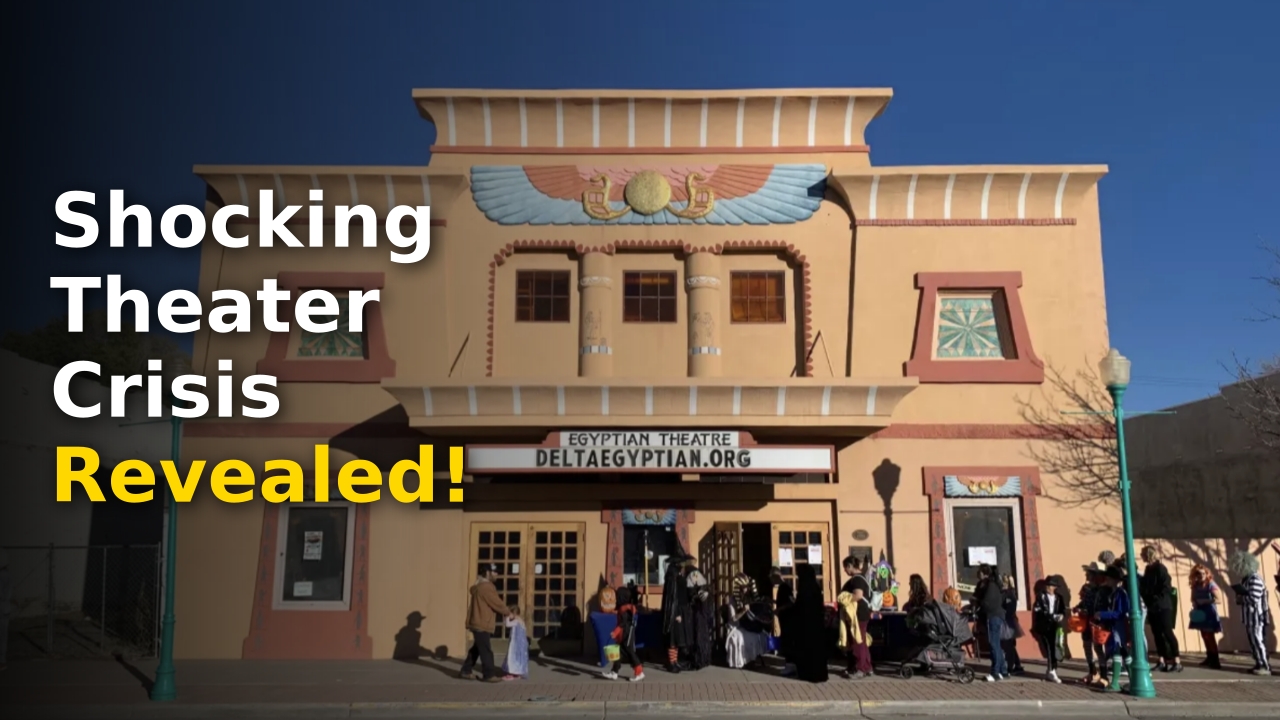
- Rural venues like the Delta Egyptian Theater are fighting for survival amidst costly digital projector failures.
- Community engagement through themed costume events is the new frontier for saving local movie houses.
Colorado Cinema is currently undergoing a radical transformation as the state positions itself to potentially host the Sundance Film Festival while navigating a fragile landscape of over 100 local cinematic gatherings. You might think that a small-town theater in Delta County has little in common with the high-stakes negotiations of international film moguls, but the survival of the silver screen in the Rockies depends on a delicate balance of local grit and global prestige. When the screen at the Egyptian Theatre in Delta suddenly turned a neon pink during a screening, it wasn’t a stylistic choice—it was the sound of a community’s cultural heartbeat skipping a beat.
The existential crisis facing local exhibitors highlights a broader trend across the Centennial State: the transition from traditional moviegoing to “eventized” experiences. Managers like Bryan Wade are learning that to keep the doors open, they must offer more than just a seat and popcorn; they must offer a spectacle. From dressing up as Spider-Man to donning 1920s period fashions for Downton Abbey, the philosophy is simple: make the movies an event, or watch them fade into the digital ether.
Colorado Cinema: The Sundance Quest
The buzz surrounding Colorado Cinema has reached a fever pitch following the announcement that Boulder is among the final candidates to lure the Sundance Film Festival away from its long-time home in Park City, Utah. This move would represent a seismic shift in the entertainment economy of the American West, potentially bringing hundreds of millions of dollars in revenue to the Front Range. However, the “Sundance glow” is not just about the glitz of Hollywood A-listers walking down Pearl Street; it is about the infrastructure that supports a year-round film culture.
Critics and advocates alike are debating whether the state’s existing 100-plus festivals can coexist with a titan like Sundance. Many worry that a massive international event might overshadow the grassroots efforts of smaller towns. Yet, proponents argue that the increased visibility would create a “rising tide lifts all boats” scenario, drawing more filmmakers, distributors, and tourists to every corner of the state. The strategic positioning of Boulder as a host city is designed to prove that Colorado has the logistical maturity to handle a global audience while maintaining its independent spirit.

The Telluride Influence
To understand the current state of Colorado Cinema, one must look at the legacy of the Telluride Film Festival. Since 1974, this Labor Day weekend tradition has served as a launchpad for Oscar-winning films and a haven for cinephiles who value substance over red-carpet vanity. Telluride’s success has always been rooted in its exclusivity and its breathtaking mountain backdrop, a blueprint that Boulder hopes to refine with more accessible urban infrastructure.
By The Numbers: Industry analysts suggest that if the Sundance bid is successful, the economic impact could exceed $170 million annually for the region. This would complement the existing $25 million generated by the Denver Film Festival and the $12 million estimated from smaller regional events. However, the cost of hosting such a behemoth includes massive investments in public transit and temporary venue construction, which are currently being audited by state officials.
Financial Impact of Colorado Cinema Festivals
The economic footprint of Colorado Cinema is far more diverse than many residents realize, spanning from high-tech hubs in Denver to historic mining towns. The health of these festivals often serves as a bellwether for local tourism, influencing everything from hotel occupancy rates to the sales at local shops like the Whispering Willow Bookstore in Delta. When a festival comes to town, it provides a crucial injection of capital that helps sustain businesses through the slower winter and shoulder seasons.
In towns like Paonia and Delta, the cinematic arts are inextricably linked to the community’s social fabric. Even as the region faces “really dire water situations” and strict stage 2 water restrictions, the local theater remains a cooling oasis and a gathering place. The failure of a single projector at the Egyptian Theatre doesn’t just cancel a movie; it halts a local economic engine. Replacing a professional-grade digital projector can cost upwards of $60,000, a staggering figure for a rural nonprofit theater.
| Festival Name | Estimated Annual Attendance | Primary Focus | Economic Impact |
|---|---|---|---|
| Denver Film Festival | 45,000+ | International Cinema | $25 Million |
| Telluride Film Festival | 5,000 (Capped) | Oscar Contenders | $15 Million |
| Aspen Filmfest | 12,000 | Independent Narrative | $8 Million |
| Boulder International | 20,000 | Documentary & Tech | $10 Million |
Beyond the ticket sales, these festivals act as a platform for local talent. Colorado has long been a favorite location for major productions, with its stunning peaks and diverse climates appearing on IMDb in thousands of credits. The state’s film incentive program, while smaller than Georgia’s or New Mexico’s, has been instrumental in keeping Colorado Cinema competitive. By fostering a festival culture, the state ensures that a workforce of grips, electrics, and directors remains employed and engaged between major shoots.
The Delta Egyptian Theater Crisis
The story of Bryan Wade and the Egyptian Theatre is a microcosm of the challenges facing Colorado Cinema in the digital age. When a screening of a popular sequel turned pink, it wasn’t just a technical glitch; it was the beginning of an “existential crisis.” For rural theaters, the equipment required to show first-run Hollywood films is governed by strict industry standards that leave little room for DIY repairs or budget solutions. Without a working digital projector, a historic theater becomes little more than a beautiful, empty shell.
This incident underscored the vulnerability of small-town exhibition. While the Front Range may be courting Sundance, the West Slope is fighting to keep the lights on. The Egyptian Theatre has historically used creative marketing to thrive, encouraging patrons to dress as their favorite characters. This “event-based” model is exactly what industry experts suggest is necessary to save the theatrical experience from the convenience of streaming services. In Delta, the community doesn’t just go to the movies; they participate in them.

Community Support and Cultural Cohesion
The theater’s plight resonated across Delta County, highlighting how vital these spaces are for social cohesion. From the HopeWest Kids grief support groups to the Tai Chi classes at the local library, the community ecosystem is tightly knit. When a cultural pillar like the theater is threatened, it impacts the mental well-being and social connectivity of the entire town. Local leaders are looking at various funding models, including municipal bonds similar to the $2 million bond discussed by Delta County Commissioners for other local infrastructure needs.
Expert Take: Media historian Dr. Alisa Perren notes that “the loss of a small-town theater often precedes a decline in local retail activity.” In rural Colorado Cinema, the theater acts as an anchor tenant for the downtown district. When the projector dies, the foot traffic for nearby restaurants and shops like the Whispering Willow Bookstore dries up. This phenomenon is why many municipalities are now considering movie theaters as essential public utilities rather than just private businesses.
Historic Challenges for Rural Exhibitors
The history of Colorado Cinema is one of boom and bust, much like the mining industries that founded many of its towns. In the early 20th century, nearly every mountain town boasted a grandiose opera house or cinema. Many of these, like the Egyptian in Delta, were built with ornate themes to transport audiences to far-off lands. Today, these historic buildings are expensive to maintain, requiring specialized knowledge for everything from HVAC systems to ornate plasterwork restoration.
Maintaining these venues in an era of climate change and economic shifts adds another layer of difficulty. Paonia’s recent move to stage 2 water restrictions and the general focus on financial housekeeping by the Delta County Commissioners show a region under pressure. In this environment, spending thousands on a new projector or a roof repair for a theater can seem like a luxury, yet the cultural cost of losing these spaces is immeasurable. The transition of leadership at the North Fork EMS District, with Chief Kathy Steckel retiring, further marks a period of significant change for the region’s institutional memory.
The Digital Divide in Film Distribution
One of the most significant hurdles for independent Colorado Cinema is the digital divide. The industry-standard Digital Cinema Package (DCP) format requires expensive servers and encrypted keys that are difficult for smaller, volunteer-run theaters to manage. This system, while providing high-quality images, has effectively centralized control over what can be shown and where. For a theater in Delta to show the latest blockbuster, they must navigate a complex web of studio requirements that often favor large urban multiplexes over historic single-screen houses.
Furthermore, the physical isolation of some Colorado communities makes technical support a nightmare. When a projector breaks in a city like Denver, a technician can be on-site in hours. In the North Fork Valley, it may take days or weeks, leading to lost revenue and frustrated audiences. This is where the “Sundance glow” could help; a statewide initiative to upgrade rural theater technology would ensure that the entire state benefits from Colorado’s rising status in the film world. You can find more about celebrity appearances and film news at brightcelebrity.com.
Frequently Asked Questions
How many film festivals are currently in Colorado?
Colorado is home to more than 100 film festivals, ranging from world-class events like the Telluride and Denver Film Festivals to smaller, niche gatherings like the Lyons International Film Festival and various mountain-town documentary showcases.
Is the Sundance Film Festival moving to Colorado?
Boulder, Colorado, is currently one of the three finalists to become the new home for the Sundance Film Festival starting in 2027. A final decision from the Sundance Institute is expected in late 2024 or early 2025.
Why did the Delta Egyptian Theater stop showing movies?
The theater faced an existential crisis when its digital projector failed during a screening. Due to the high cost and specialized nature of modern digital cinema equipment, the theater had to pause operations while seeking a solution for replacement or repair.
What makes Colorado a popular location for film festivals?
The state’s combination of stunning natural scenery, a highly educated demographic, and a long history of supporting the arts makes it an ideal environment for film festivals. Additionally, the proximity to major outdoor recreation hubs allows festivals to offer a unique “lifestyle” experience for attendees.
The Final Cut for Colorado Cinema
The future of Colorado Cinema depends on more than just landing a major brand like Sundance. It requires a dedicated effort to preserve the small-town theaters that provide the foundation for the state’s film culture. Whether it is the Delta Egyptian Theater finding a way to replace its projector or the city of Boulder preparing its infrastructure for a global influx of tourists, the goal remains the same: to keep the magic of the movies alive in the high country. As the state navigates water restrictions, leadership transitions, and economic shifts, the silver screen remains a vital place for community storytelling.
Ultimately, the “Sundance glow” will only be as bright as the local fires it helps to stoke. If Colorado can successfully integrate an international powerhouse with its existing network of 100+ festivals, it will solidify its position as the premier destination for independent film in the United States. For the moviegoers in Delta who show up in costume, the hope is that the screen will never turn pink again, and that Colorado Cinema will continue to be an event worth dressing up for. The intersection of high-stakes business and local passion is where the next chapter of Colorado’s cinematic history will be written.
More Like This
For more updates, check out our latest entertainment and sports news.