⚡ Key Takeaways
- Director Richard Kelly is releasing a massive 800-page sequel titled The Philosophy of Time Travel.
- The story takes place in 1988, covering the 14-month aftermath of Donnie’s tragic death.
- The book utilizes a unique “found-documents” format featuring investigations by Rose and Eddie Darko.
- Kelly plans for this novel to act as a launchpad for future live-action and animated feature films.
- The release is timed for October 2026 to celebrate the original film’s 25th anniversary.
Donnie Darko is finally returning to the zeitgeist with a massive, mind-bending sequel that aims to redefine everything you thought you knew about the 2001 cult classic. You have likely spent the last two decades wondering what happened after that jet engine crashed through the Darko household, and now, writer-director Richard Kelly is ready to reveal the harrowing truth. This is not just a standard follow-up; it is a gargantuan 800-page expansion of a mythology that has puzzled scientists and film buffs alike for twenty-five years.
According to recent reports from Variety, this new chapter is titled The Philosophy of Time Travel, sharing its name with the mysterious book written by Roberta Sparrow in the original film. Kelly has spent the last ten years meticulously crafting this manuscript, ensuring it serves as the definitive bridge between the original story and a planned cinematic universe. The story kicks off in 1988, immediately following the events of the first film, providing a granular look at the immediate fallout of Donnie’s sacrifice.
The announcement has sent shockwaves through the indie film community, especially since Kelly has avoided a direct sequel for so long. While an unofficial sequel titled S. Darko was released in 2009 without his involvement, this new project is the only official continuation of the Darko lineage. It promises to dive deep into the grief of the Darko family while unearthing the cosmic conspiracies that led to the creation of the Tangential Universe.
Donnie Darko: The Unexpected 800-Page Literary Resurrection
The decision to move Donnie Darko into the world of literature before returning to the silver screen is a strategic move by Richard Kelly. At 51 years old, the visionary filmmaker has realized that the story he wants to tell is too vast for a single two-hour screenplay. By utilizing an 800-page book format, he can explore the minute details of the 14 months following Donnie’s death without the constraints of a traditional film budget or runtime.
The narrative structure of this sequel is particularly innovative, as it utilizes a “found-documents” format. You will experience the story through letters, police reports, psychiatric evaluations, and personal diaries left behind by Donnie’s parents, Rose and Eddie Darko. This epistolary style allows for a deeply personal investigation into the tragedy, as both parents pursue separate, conflicting paths to understand why their son died and what role the mysterious “Frank the Rabbit” truly played in his demise.
Kelly has hinted that this format will also allow for the reintroduction of familiar characters, but with a twist. Characters who appeared as antagonists in the 2001 film—such as the fanatical Kitty Farmer or the disgraced motivational speaker Jim Cunningham—may be viewed through a different lens in these documents. This expansion of the Donnie Darko lore aims to challenge your perceptions of morality and destiny within the context of the Tangential Universe physics.
Expert Take: The Power of Meta-Textual Storytelling
Film industry analysts suggest that Kelly is employing a “meta-textual” approach that mirrors the original film’s cult ascent. By releasing a book that exists within the world of the movie, he is creating a physical artifact for fans to obsess over, much like the original viewers obsessed over DVD Easter eggs and secret websites in the early 2000s. This strategy builds a “content moat” that makes the eventually planned films much more valuable, as the audience will already be deeply invested in the expanded lore before a single frame is shot.
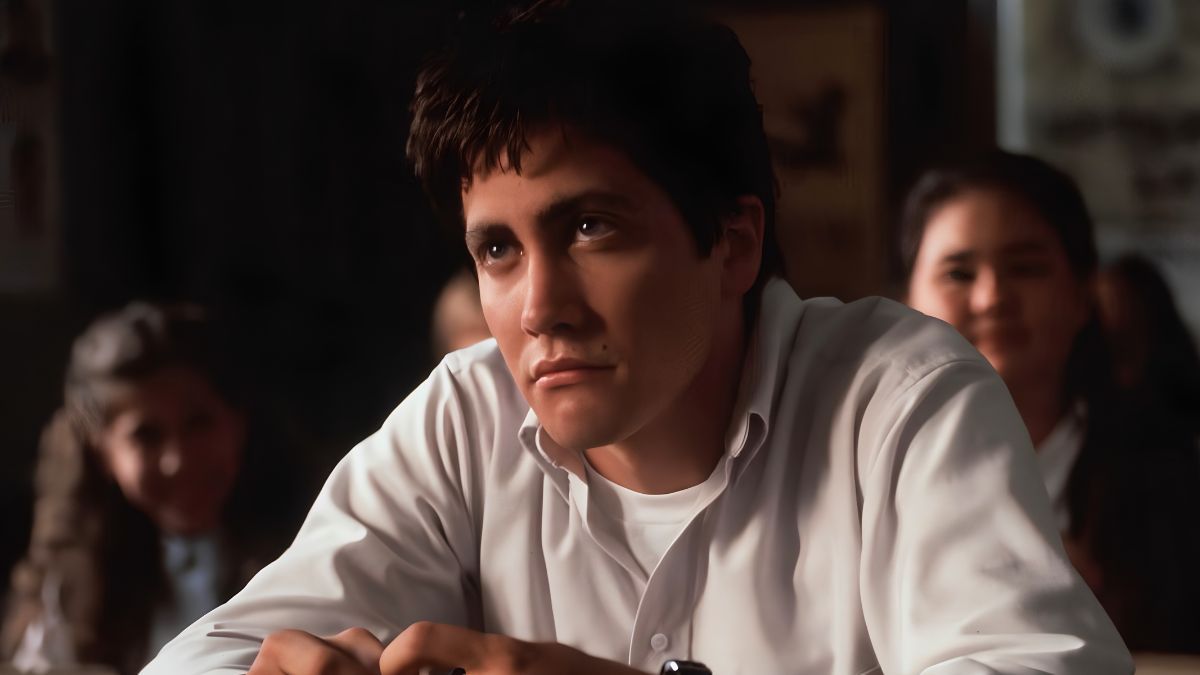
The book is being published by Range Literary Publishing and is slated for a Q4 2026 release. This timing is significant, as it aligns perfectly with the 25th anniversary of the film’s original theatrical debut on October 26, 2026. Pre-orders are already seeing high traffic on major retailers, indicating that the hunger for this specific brand of high-concept sci-fi has only grown stronger over the quarter-century. For the latest updates on this and other entertainment news, you can visit brightcelebrity.com for comprehensive coverage.
By the Numbers: Quantifying a Cult Phenomenon
To understand why a 25-year-later sequel to Donnie Darko is such a major event, one must look at the data surrounding the film’s initial failure and subsequent legendary status. When the film first hit theaters in 2001, it was a box office disaster, largely due to its marketing featuring a plane crash occurring just weeks after the 9/11 attacks. However, its life on home video transformed it into one of the most profitable cult properties in history.
| Metric | Theatrical Release (2001) | Sequel Book (2026 Prediction) |
|---|---|---|
| Initial Box Office | $7.7 Million (Worldwide) | N/A (Literary Release) |
| Production Budget | $4.5 Million | $2 Million (Est. Dev) |
| Word Count/Length | 113 Minutes | 800 Pages |
| Timeline Focus | October 1988 (28 Days) | 1988-1989 (14 Months) |
The numbers don’t lie: the original film has since amassed millions in physical media sales and remains a top-searched title on streaming platforms. According to IMDb, the film maintains a staggering 8.0 rating with over 800,000 user reviews, placing it among the most beloved sci-fi films of all time. This enduring popularity is what gave Kelly the leverage to spend a full decade writing this massive literary follow-up.
Kelly’s commitment to the project is evidenced by his refusal to rush the process. He has spent the last 20 years attempting to crack the code of a “proper” sequel. In his interview with Variety, he noted that the story simply “got bigger and bigger,” necessitating a step back into the past rather than a leap into the future. This 14-month window in the late 80s serves as the perfect setting to explore the Cold War anxieties and suburban existentialism that defined the first movie’s atmosphere.
Investigating the Found Documents of 1988
The heart of the new Donnie Darko sequel lies in the investigation conducted by Rose and Eddie Darko. After the tragic death of their son, the parents find themselves unable to accept the official explanation of a freak aviation accident. Their search for the truth leads them down a rabbit hole of government cover-ups, secret societies, and the realization that their town of Middlesex, Virginia, is the epicenter of a cosmic anomaly.
By using the found-documents format, Kelly is able to show us a more vulnerable side of the Darko family. You will read Rose’s desperate letters to local authorities and Eddie’s private logs as he attempts to track the origin of the jet engine that should not have existed. This format is not just a stylistic choice; it is a narrative engine that allows the reader to play detective alongside the characters, piecing together the physics of the Tangential Universe through fragmented evidence.
Furthermore, the book explores the concept of “Manipulated Living” and “Manipulated Dead,” terms first introduced in Roberta Sparrow’s text. We will see how the people Donnie left behind are steered by invisible forces to ensure the Primary Universe remains stable. This adds a layer of psychological horror to the sequel, as the characters realize their free will may be an illusion dictated by the necessity of universal survival. It is a bold, intellectual take on a sequel that avoids the pitfalls of simple nostalgia bait.
The Role of the Original Cast
While the book focuses heavily on the parents—originally played by Mary McDonnell and Holmes Osborne—the question of the original stars returning remains a hot topic. Richard Kelly has been transparent about the fact that he hasn’t approached Jake Gyllenhaal, Maggie Gyllenhaal, or Jena Malone yet. He wants the book to serve as a comprehensive pitch for the future movies, allowing the actors to see the evolution of their characters before committing to a screen return.

However, the existence of “different versions” of characters suggests that we might see younger or older iterations of the Middlesex residents. The 800-page count provides ample space for Seth Rogen and Drew Barrymore‘s characters to return in unexpected ways. Whether through flashbacks or alternate timeline intersections, the book aims to be a definitive encyclopedia of the Darko universe that makes a live-action reunion almost inevitable by the time the film’s 30th anniversary rolls around.
Beyond the Page: A Multi-Media Roadmap
The release of The Philosophy of Time Travel is merely the first phase of a larger “Darko Cinematic Universe.” Richard Kelly has made it clear that this book is a pivotal step in his plan to expand the story into both animated and live-action films. The 14-month story arc detailed in the book will serve as the narrative foundation for these upcoming projects, ensuring that any future movie has a depth of lore rarely seen in modern franchises.
This multi-media approach is increasingly common for directors who want to maintain creative control over their IPs. By establishing the canon through a self-published or small-press literary release, Kelly avoids the “development hell” often associated with major studio sci-fi projects. He is essentially world-building in public, creating a demand that studios will find impossible to ignore. This roadmap suggests a future where Donnie Darko is not just a standalone film but a sprawling epic on par with the most complex science fiction sagas.
The inclusion of an animated project is particularly intriguing. Given the surreal nature of Frank the Rabbit and the “water spears” that guide characters’ paths, animation would allow for a visual fidelity to Kelly’s original vision that might be too expensive or technically difficult in live-action. An animated series or feature could delve into the more abstract concepts of the Donnie Darko universe, such as the Fourth Dimension and the architecture of the Tangential Universe, without losing the audience in clunky CGI.
Expert Take: The Economics of the 14-Month Prequel-Sequel
From a financial standpoint, Kelly’s choice to focus on the 14 months after Donnie’s death is a masterstroke of “mid-budget” IP management. It allows the creator to reuse the existing 1988 setting—which is high in nostalgic value—without needing the massive star power of a current A-list Jake Gyllenhaal to carry the narrative immediately. By the time the story catches up to the present day or moves into the larger cinematic sequels, the brand will have been revitalized, and the “Gyllenhaal factor” will become a luxury rather than a necessity for the project’s greenlight status.
Frequently Asked Questions
Is the Donnie Darko sequel a movie or a book?
The immediate sequel, titled The Philosophy of Time Travel, is an 800-page book written by original director Richard Kelly. While Kelly intends to adapt this story into future animated and live-action movies, the upcoming 2026 release is strictly a literary project that uses a found-documents format to expand the mythology.
When is the Donnie Darko book sequel being released?
The book is scheduled for release in Q4 2026, coinciding with the 25th anniversary of the original film’s release on October 26. Pre-orders are currently available at major retailers like Amazon and Barnes & Noble, with a specific day-and-date announcement expected in the coming months.
Will Jake Gyllenhaal return for the Donnie Darko sequel?
Richard Kelly has stated that he has not yet approached the original cast about returning. He wants the actors to read the 800-page novel first to see how their characters have evolved. While the book focuses on the immediate aftermath of Donnie’s death (1988), the planned cinematic sequels may involve the original actors in their current ages.
Does the book sequel ignore the movie S. Darko?
Yes, Richard Kelly was not involved in the 2009 film S. Darko and has never considered it canon. The Philosophy of Time Travel is his official continuation of the story, picking up 14 months after the original 1981/1988 events and following his specific vision for the Tangential Universe.
Final Verdict on the Donnie Darko Evolution
In the grand tapestry of science fiction, few films have remained as persistent and debated as Donnie Darko. Richard Kelly’s decision to return to this world after 25 years with an 800-page tome is a testament to the enduring power of the story. You are not just getting a sequel; you are getting a massive, deep-dive investigation into the very fabric of time and space as seen through the eyes of a grieving family. This “unexpected way” of continuing the story ensures that the legacy of Donnie Darko remains as complex and rewarding as the original viewing experience.
As we approach the 2026 anniversary, the excitement for The Philosophy of Time Travel will only continue to mount. Whether you are a fan of the theoretical physics, the 80s nostalgia, or the psychological depth of the characters, this sequel promises to deliver on all fronts. By the time you finish the final page of Kelly’s manuscript, the world of Donnie Darko will have expanded into something much larger, darker, and more profound than we ever imagined back in 2001. Keep your eyes on the skies—and the bookstores—because the rabbit is officially back.
More Like This
For more updates, check out our latest entertainment and sports news.