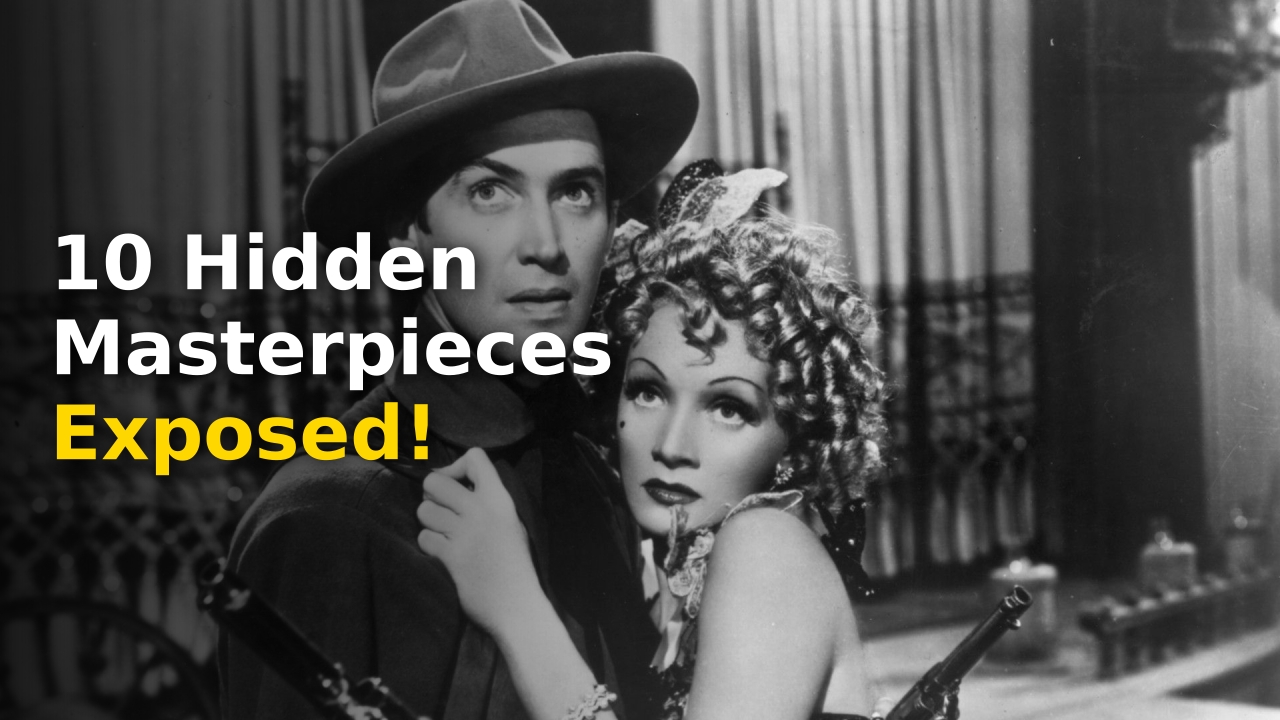
Do you think modern action movies can compete with the raw grit of early Hollywood? Classic Westerns from the 1930s built the foundation of cinematic storytelling under the most intense economic pressure in American history. As the Great Depression devastated major studios, filmmakers had to adapt to survive. This forced shift in the industry gave rise to some of the most enduring films ever captured on celluloid.
With slashed budgets and dismantled studio systems, directors turned simple B-movies into complex psychological dramas. These early cinematic treasures proved that powerful storytelling and intense character development matter far more than expensive special effects. Today, these legendary movies still capture the imagination of movie lovers worldwide, proving that true artistry stands the test of time.
By exploring the rugged landscapes of early American cinema, you can discover how these historical dramas shaped the modern blockbuster. Let us dive into the ultimate list of ten foundational films that defined the genre and continue to captivate audiences nearly a century later.
Why Classic Westerns Endure
The Great Depression forced Hollywood to rethink its entire business model during the 1930s. Without massive budgets, directors had to lean heavily on rich character development and sharp dialogue. This era of survival birthed legendary actors like John Wayne and Randolph Scott, who redefined masculinity and heroism on the silver screen.
Rather than relying on spectacular stunts, early writers crafted morally gray worlds that mirrored the real-life struggles of 1930s audiences. This grit and authenticity are exactly what makes these early projects so captivating to modern viewers today. The survival of Classic Westerns during this economically depressed era proved that audiences craved authentic stories of resilience and hope.
10. Frontier Marshal (1939)
Director Allan Dwan brought the legendary town of Tombstone, Arizona to life in this early Wyatt Earp epic. Starring Randolph Scott as the stoic lawman, the film captures a lawless territory trying to find its soul amid chaos and gun violence.
While later versions of this tale became more famous, this 1939 gem stands out because of its gritty, unpolished tone. Actress Binnie Barnes delivers a stellar performance as Jerry, a complex, morally ambiguous character who breaks the mold of the typical damsel in distress.
This B-movie aesthetic allowed the cast to experiment with darker, more realistic portrayals of life on the violent frontier. If you love tense standoffs and complex characters, this raw classic deserves a spot on your watchlist.
9. The Texas Rangers (1936)
Acclaimed director King Vidor crafted an overlooked masterpiece that explores loyalty, crime, and redemption. The story follows a trio of bandits who join the law to escape their criminal past, leading to a profound conflict of interest.
Actor Fred MacMurray shines in one of his earliest starring roles, showing the immense charisma that would define his decades-long career. His character experiences a profound change of heart that drives the emotional core of the film.
Though the cinematography follows standard studio formulas, the underlying moral dilemma provides a fast-paced and gripping viewing experience. It perfectly demonstrates how flexible the western genre can be when handled by a true master.
8. Law and Order (1932)
This historical film has the grand distinction of being the very first movie to depict the infamous Gunfight at the O.K. Corral. Actor Walter Huston plays Frame Johnson, a weary lawman who enters the chaotic town of Deadwood, Arizona to face a brutal gang.
Because it debuted before the strict enforcement of the Hays Code in 1934, the film features a surprisingly dark and violent tone. This lack of censorship allows for a realistic exploration of frontier justice and systemic corruption.
Clocking in at a tight 75 minutes, this movie moves with incredible speed and tension. It served as a vital blueprint for the psychological westerns that dominated the later decades of cinema.
The Epic Cinema Revival

As the decade drew to a close, the American economy began to stabilize, allowing Hollywood to invest in massive productions once again. The western epic came roaring back with vibrant colors, big star power, and sweeping landscapes. This transitional period proved that Classic Westerns could dominate the box office as mainstream blockbusters.
Audiences flocked to theaters to escape their daily worries and immerse themselves in tales of heroism and untamed wilderness. These films blended early grit with polished Hollywood glamour, creating a unique cinematic style that defined the late 1930s.
These stunning Classic Westerns brought huge audiences back to theaters, solidifying the cinema as the premier entertainment medium of the twentieth century. Let us look at the high-budget marvels that closed out this pivotal decade.
7. Dodge City (1939)
Superstar Errol Flynn trades his sword for a revolver in this beautifully filmed adventure directed by Michael Curtiz. Flynn plays a daring cattle driver who takes on the monumental task of cleaning up a lawless Kansas town.
The film features stunning early technicolor visuals that made the dusty plains look larger than life. Flynn shares incredible on-screen chemistry with co-star Olivia de Havilland, elevating the movie beyond standard action fare.
With its high-energy barroom brawls and swashbuckling charm, this production brought high-budget gloss back to the genre. It stands as a brilliant example of Hollywood’s recovery from the dark days of the Depression.
6. Three Godfathers (1936)
Before John Ford directed his famous 1948 remake, director Richard Boleslawski delivered this hauntingly beautiful adaptation. Three desperate bank robbers flee into the scorching desert on Christmas Eve, only to stumble upon a dying mother and her newborn baby.
The film takes a deep, unblinking look at human nature, redemption, and sacrifice in the harshest environments. This version has a distinctly darker, more desperate atmosphere than its more famous successor.
The actors deliver highly grounded performances that make the extreme desert survival feel incredibly real. It remains a hidden gem that showcases the emotional depth early filmmakers could achieve.
5. Union Pacific (1939)
Legendary producer Cecil B. DeMille used his signature grand scale to revitalize the genre in this massive historical epic. The plot centers on a ruthless businessman attempting to sabotage the construction of the transcontinental railroad.
Filled with multiple complex B-plots and massive crowd scenes, the film captured the sheer scale of American expansion. It earned an Oscar nomination for its groundbreaking special effects and was highly celebrated upon release.
Though it lacks the quiet character moments of its contemporaries, the film makes up for it with pure cinematic spectacle. It is a thrilling ride that demonstrates DeMille’s absolute mastery of big-screen action.
Legends of the Frontier
The mid-1930s marked the rise of icons whose names became synonymous with the American West. These actors did not just play roles; they came to define the moral code of an entire nation on screen. Their collaborative work with visionary directors helped elevate Classic Westerns from cheap thrills to respected high art.
By exploring the complex history of real-life frontiersmen, these films offered audiences a mythical connection to their own past. They combined historical facts with Hollywood romance to create unforgettable cinematic experiences. To learn more about these legendary actors, check out our comprehensive Hollywood legend profiles today.
Studying these Classic Westerns reveals how early performers used physical acting and screen presence to overcome the limitations of early sound recording equipment. Their legacy continues to inspire modern generations of character actors.
4. The Plainsman (1936)
Another classic from Cecil B. DeMille, this film plays out like a beautifully crafted historical fairy tale. It features iconic figures like Wild Bill Hickok and Calamity Jane as they fight for revenge on the frontier.
Superstar Gary Cooper delivers a commanding performance alongside the incredibly talented Jean Arthur. Their sparkling banter and natural chemistry keep the audience completely hooked from start to finish.
While the film takes massive creative liberties with historical facts, its incredible action sequences make it a joy to watch. It embraces every beloved trope of the genre while maintaining a refined Hollywood polish.
3. The Big Trail (1930)
This sweeping adventure marks the very first starring role for a young actor named John Wayne. Directed by Raoul Walsh, the story follows a determined fur trapper escorting a vulnerable wagon train across thousands of miles of dangerous territory.
Shot in an early widescreen format, the film captures the staggering scale of the American landscape like few others of its time. Wayne immediately displays the raw charisma and commanding presence that would make him a global icon.
The narrative deals with deep internal conflicts and external dangers, creating a remarkably mature cinematic experience. It remains a staggering achievement of early sound era filmmaking.
Golden Age Masterpieces
The final years of the 1930s produced films that are still ranked among the greatest movies ever made. These masterpieces transcended their genre to become foundational pillars of global cinema. They proved that Classic Westerns could tackle deep philosophical questions while keeping audiences on the edge of their seats.
With the threat of World War II looming in Europe, these stories of peace, justice, and community resonated deeply. They provided a moral anchor for a world on the brink of chaotic change, offering clear visions of right and wrong.
Many fans consider these Classic Westerns to be the pinnacle of pure visual storytelling. Let us examine the top two masterpieces that defined this glorious cinematic golden age.
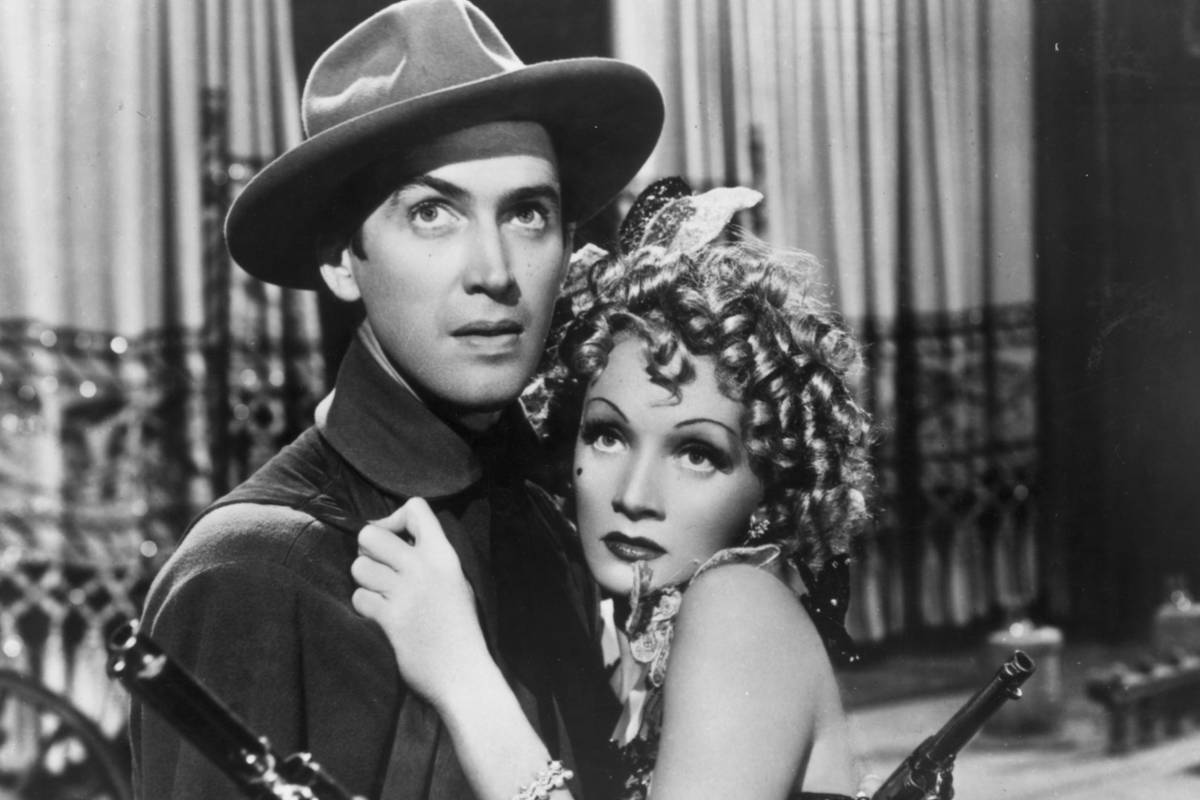
2. Destry Rides Again (1939)
This brilliant film proves that comedy and action can blend seamlessly in a frontier setting. When a corrupt gang takes control of the town of Bottleneck, an unconventional lawman played by James Stewart is called in to restore order.
Stewart shines as the peaceful hero who prefers cleverness over gun violence, sharing the screen with the legendary Marlene Dietrich. Their contrasting styles create an unforgettable dynamic filled with witty banter and genuine humor.
By subverting classic tropes, the film delivers a strong message of peace and community. It remains as delightfully entertaining and socially relevant today as it was during its premiere.
1. Stagecoach (1939)
Widely regarded as one of the greatest films in history, this masterpiece directed by John Ford changed cinema forever. The story follows a diverse group of strangers traveling together through dangerous territory inhabited by hostile forces.
This was the breakthrough film where John Wayne truly became a superstar as the iconic Ringo Kid. Ford’s tight direction ensures that every single frame serves to build suspense or deepen character development.
To understand the evolution of these cinematic techniques, you can explore the rich history of Western films across different eras. From its groundbreaking stunts to its sharp social commentary, this film is a flawless cinematic achievement.
Comparing the Greatest Eras
To truly appreciate the incredible evolution of these films, we must look at how they adapted over this turbulent decade. From the low-budget grit of the early thirties to the high-gloss spectacles of 1939, the transformation was spectacular.
The following table breaks down the essential details of these legendary cinematic releases, highlighting their star power and central themes:
| Rank & Movie | Year | Lead Actor | Key Themes |
|---|---|---|---|
| 1. Stagecoach | 1939 | John Wayne | Redemption, Class, Survival |
| 2. Destry Rides Again | 1939 | James Stewart | Pacifism, Satire, Justice |
| 3. The Big Trail | 1930 | John Wayne | Pioneer Spirit, Romance |
| 4. The Plainsman | 1936 | Gary Cooper | Historical Myth, Revenge |
| 5. Union Pacific | 1939 | Joel McCrea | Industrialization, Sabotage |
| 6. Three Godfathers | 1936 | Chester Morris | Sacrifice, Desert Survival |
| 7. Dodge City | 1939 | Errol Flynn | Technicolor Splendor, Law |
| 8. Law and Order | 1932 | Walter Huston | Pre-Code Violence, Corruption |
| 9. The Texas Rangers | 1936 | Fred MacMurray | Loyalty, Outlaw Redemption |
| 10. Frontier Marshal | 1939 | Randolph Scott | Gritty Tone, Tombstone Legend |
Classic Westerns Legacy Defined
As we look back at these incredible films, it is clear that Classic Westerns are far more than just relics of a bygone era. They represent a time of incredible artistic resilience, where filmmakers overcame economic devastation to create timeless art. These movies established the archetypes, visual styles, and narrative structures that still influence modern blockbusters today.
Whether you are a dedicated film historian or a casual viewer looking for an exciting adventure, these 1930s gems offer a rich and rewarding experience. They invite us to reflect on our shared history, moral values, and the enduring power of cinematic storytelling.
The cultural impact of these movies ensures that the legacy of early Hollywood will never be forgotten. By watching these masterpieces, you connect with the very roots of modern entertainment and celebrate the enduring brilliance of film history.
More Like This
For more updates, check out our latest entertainment and sports news.