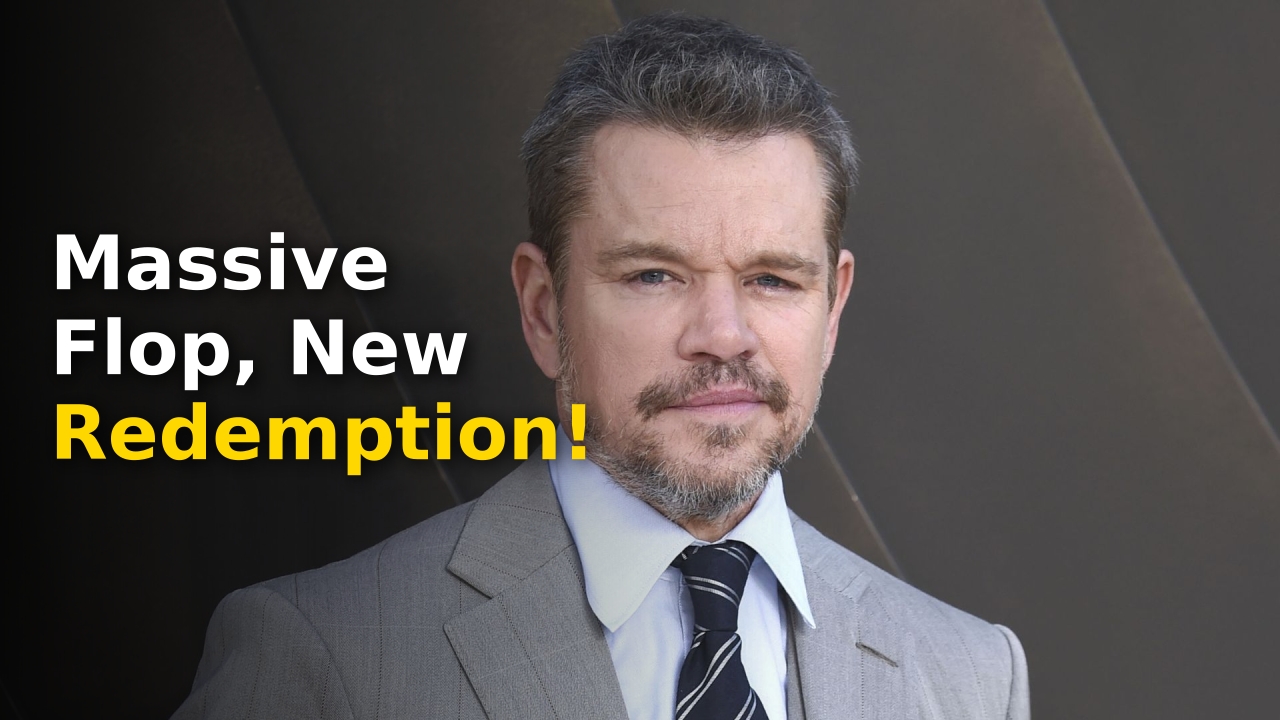
Great Wall is officially experiencing a resurgence that defies every conventional rule of Hollywood box-office logic. Almost a decade after its initial release, the 103-minute fantasy spectacle has surged into the top 10 rankings on Netflix, proving that even the most notorious cinematic misfires can find an audience in the era of streaming discovery.
You might remember the 2016 release as a gargantuan financial disappointment, but today, subscribers across the United States are giving the film a second chance. This phenomenon highlights a shifting landscape where audience tastes often diverge sharply from traditional critical consensus.
Understanding The Great Wall Phenomenon
The film, directed by the visionary Zhang Yimou, was initially built on a massive scale with a budget that demanded perfection. When you look back at the production, it represents one of the most ambitious cross-cultural collaborations in film history, blending Chinese imperial lore with a stylized, high-octane alien invasion narrative.
Despite being labeled a flop, the visual language remains undeniably distinct. Zhang Yimou, the master behind Raise the Red Lantern, brought an aesthetic sensibility that few other directors could replicate. The use of color, choreography, and scale is what likely keeps current viewers engaged.
Critics in 2016 were quick to dismiss the plot for being thin, but modern audiences seem to prioritize spectacle. When you watch the film now, the pacing—tightly constrained to 103 minutes—feels refreshing compared to the bloated runtimes of modern blockbusters.
The casting choices were equally bold for the time. By placing Matt Damon alongside global icons like Andy Lau and Jing Tian, the studio attempted to capture a worldwide audience. While the box office failed to justify the $150 million investment, the streaming performance reveals a different story about the film’s lasting appeal.
The role of European mercenaries finding themselves amidst a supernatural defense of China provides a unique hook that works well in a streaming environment. You are likely drawn to these high-concept premises that offer an escape from reality, which explains why the film currently sits alongside top-tier thriller and drama content on the Netflix interface.
Understanding this comeback requires acknowledging the shifting nature of how we consume media. If you are looking for more deep dives into celebrity career arcs and box office trends, Bright Celebrity offers extensive analysis on how stars like Matt Damon navigate the volatile currents of modern Hollywood success.

Production and Cultural Context
- The production utilized over 5,000 distinct visual effects shots.
- Zhang Yimou intended the film to be a bridge between Western and Eastern cinema audiences.
- Matt Damon underwent rigorous physical training to prepare for his role as a mercenary.
- The film was shot on location in China, providing an authentic backdrop for the fictional wall.
- Costume design involved thousands of handmade elements reflecting various imperial dynasties.
- The film features a unique blend of historical fantasy and science fiction elements.
Box Office vs Streaming Reality
To truly grasp why this Great Wall narrative has shifted, one must examine the raw financial data. The initial losses were staggering, casting a long shadow over the project’s reputation for nearly nine years, yet the digital afterlife is writing a new chapter for the production team.
The contrast between the theatrical failure and the current streaming success is a lesson in patience for studio executives. When a film is released, it is held to the high standard of opening-weekend performance, which often ignores the long-term value of digital distribution libraries.
As an audience member, your current preferences on Netflix dictate the trends that studios analyze today. By watching, you are essentially telling the platform that this genre of fantasy action is something that has sustained interest, regardless of its original 36% Rotten Tomatoes score.
The financial loss of $75 million is a hard number to swallow, but it looks increasingly like a ‘sunk cost’ in the context of global licensing deals. When you consider the secondary revenue streams like Prime Video rentals and Netflix subscription views, the film is steadily reclaiming its lost value.
This recovery is even more impressive when you compare it to the trajectory of other 2016 blockbusters. Most films with that level of negative press vanish into obscurity, whereas this movie continues to surface in conversations about hidden gems on streaming services.
Perhaps the most fascinating aspect is that the film was ahead of its time regarding international collaboration. In 2026, we see many more of these co-productions, suggesting the market might have simply been unprepared for the vision Zhang Yimou delivered back then.
| Category | Financial/Critical Metric |
|---|---|
| Global Gross | $330 Million |
| Budget | $150 Million |
| Rotten Tomatoes | 36% Score |
| Runtime | 103 Minutes |
Damon Beyond The Great Wall
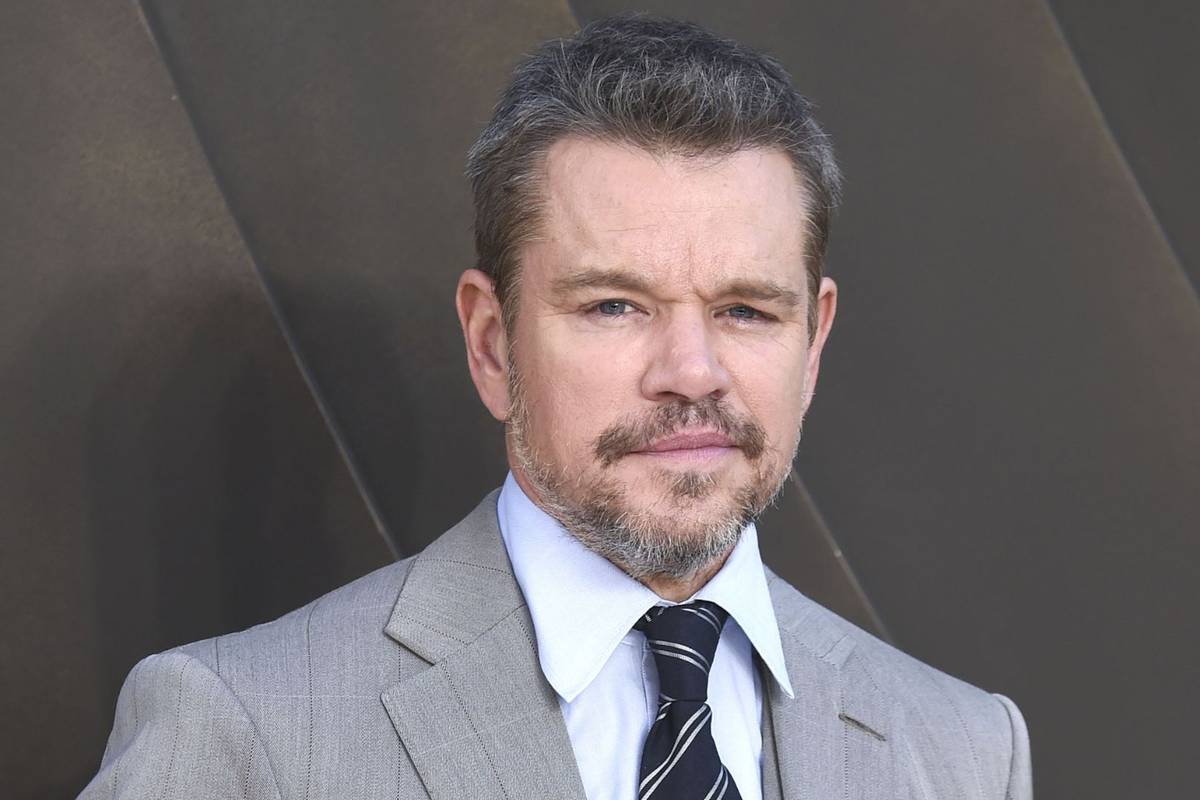
Even when a project hits a wall, Matt Damon proves his star power is resilient. By 2026, he reached the pinnacle of his profession with his work in Christopher Nolan’s The Odyssey, proving that one box office miss does not define a career.
You have seen him transition from the action hero of the early 2000s to the prestige dramatic lead he is today. His collaboration with Ben Affleck continues to be a cornerstone of their respective careers, creating a level of buzz that few duos in Hollywood can match.
The success of films like The Rip demonstrates that audiences are always eager to see him in high-stakes environments. His ability to anchor a film, regardless of the critical reception of his previous work, is a testament to his deep-rooted connection with fans.
His upcoming role in the Netflix original Animals, once again directed by Ben Affleck, is highly anticipated. This project, which features Gillian Anderson and Steven Yeun, is expected to continue the upward trend of his recent cinematic choices.
It is worth noting that his work in The Odyssey earned him record-breaking figures, with the film grossing over $1.35 billion. This transformation from a commercial liability in 2016 to the highest-grossing R-rated performer in history is nothing short of legendary.
If you are wondering why he takes risks on projects like this one, it is usually because of the director. Zhang Yimou is a titan, and Matt Damon has always expressed a desire to work with world-class talent, even if the result doesn’t always hit the box-office mark.
Streaming Dynamics And Future Impact
The streaming world is fundamentally changing how we judge the success of an asset. For a movie to find redemption years later, it relies on algorithmic recommendations and your personal discovery of the title on Netflix.
When you watch this film, the recommendation engines take notice, pushing it into the top 10 for other viewers. This creates a self-fulfilling cycle of engagement that the original studio release never stood a chance of achieving due to marketing budgets and release windows.
This shift benefits you as the consumer, as it makes older content relevant again. Instead of being lost in a vault, projects are now constantly rotating in and out of the public consciousness, allowing for a retrospective appreciation that wasn’t possible before.
Expect to see more studios pulling back their “flops” for digital re-releases. The data collected by companies like FlixPatrol shows that there is a massive appetite for content that has been “forgotten” or “maligned” by initial critical reviews.
For the cast and crew, this second wind is likely a vindication of their hard work. The spectacle of the wall itself is something that takes years to design, and seeing people engage with that visual effort almost a decade later is a form of artistic victory.
Finally, keep an eye on how these trends affect future green-lighting decisions. Studios might be more willing to experiment with niche or risky fantasy concepts if they know that streaming platforms offer a reliable safety net for long-term discovery.
Reflecting On Past Missteps
Ultimately, the resurgence of this film reminds us that history is often kinder than the present. While the 2016 release faced a barrage of criticism, the passage of time has allowed viewers to strip away the noise and focus purely on the entertainment value provided.
You are part of a massive group of viewers redefining success for this production. By engaging with Great Wall, you are contributing to a modern form of cinematic evaluation that values enjoyment over the strict rigidity of the Rotten Tomatoes percentage.
The path forward for cinema is likely going to involve a blend of theatrical hits and streaming comebacks. The industry is realizing that the value of a movie is not just the opening weekend gross, but the ability to capture interest for years after the credits roll.
As you continue to browse your favorite platforms, remember that there is always something interesting waiting to be rediscovered. A movie might have been a “flop” once, but as Matt Damon has proven, the right audience can change that narrative entirely.
Perhaps the most important takeaway is the importance of a star’s reputation. Despite the controversy, Matt Damon remained a bankable, respected actor, which allowed the film to gain a second life when it finally landed in your recommendation feed.
With Animals on the horizon and The Odyssey already cemented in film history, the story of this project is just a small, albeit fascinating, footnote in a career defined by massive hits and quiet, unexpected redemptions.
More Like This
For more updates, check out our latest entertainment and sports news.