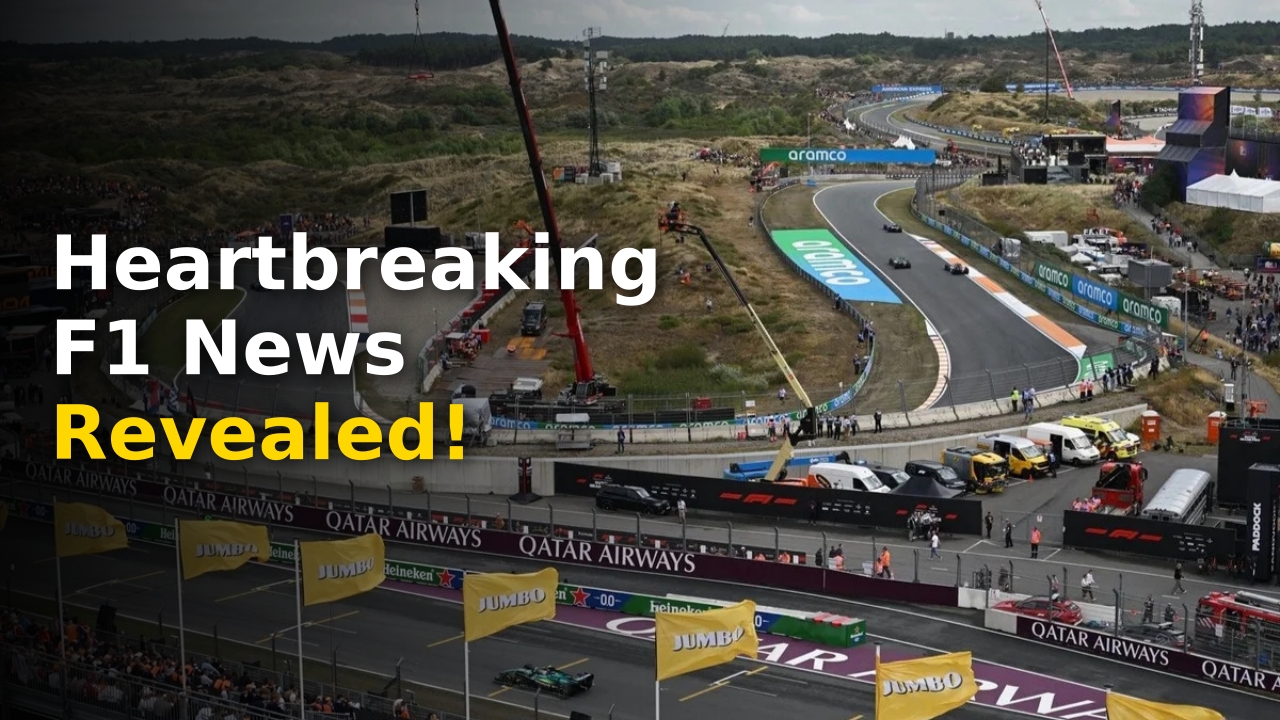
Zandvoort exit has officially sent shockwaves through the Formula 1 community, as drivers and fans prepare to bid a final, sorrowful farewell to the iconic Dutch circuit. You might think the glitz and glamour of modern urban street circuits are the future, but the reality is that the heart of motorsport is dying, replaced by temporary concrete barriers and lacklustre layouts.
The announcement that the Dutch Grand Prix will cease operations after the current cycle is not just a logistical update; it is the death knell for a classic era of high-stakes, high-commitment racing. As the engines fall silent on the North Sea dunes for the last time, you are left wondering if the sport’s soul is being traded for a temporary balance sheet improvement.
The Zandvoort exit legacy
When you stand on the Hugenholtzbocht—Turn 3—you feel the history vibrating through the track surface. It is a cambered, undulating piece of asphalt that demands respect from even the most seasoned World Champion. Unlike the sterile, flat-runway style circuits that F1 frequently visits, Zandvoort forces a driver to live on the edge, where a single mistake means a collision with a wall of gravel rather than a gentle drift onto asphalt runoff.
Max Verstappen, the local hero whose rise to global stardom largely bankrolled this modern return, has been vocal about the track’s irreplaceable character. For a pilot like him, the track rewards precision, bravery, and a willingness to dance with danger. You see this in his driving style, which has been sharpened by the unforgiving nature of the Dutch circuit’s layout.

Drivers have openly lamented the loss, citing that modern F1 cars simply do not have the space to shine at a venue so tightly woven into the dunes. The 4.259km circuit serves as a reminder of a bygone era when racing was physical and taxing. When the sport leaves this venue, it loses a testing ground that separates the legends from the field.
The financial realities, however, are cold and uncompromising. Without government backing, the organisers have made the pragmatic, albeit painful, decision to step away while they are still at the top. It is a rare display of fiscal responsibility in a sport notorious for burning through cash reserves at an alarming rate.
This departure forces you to look at the latest trends in celebrity lifestyle and racing culture that shape where the sport heads next. The shift toward street circuits in major urban centers suggests that the “old school” fan base may be losing their tug-of-war against the commercial behemoth that modern F1 has become.
The Driver Sentiment
- Oscar Piastri: Believes the track is one of the best for driving, even if raceability is limited.
- Lando Norris: Fondly recalls the “club-like” atmosphere and the passionate orange-clad fans.
- Lance Stroll: Values the high-risk, high-reward nature of the gravel traps and tight runoff areas.
Why the fans care
The Dutch crowd is widely considered one of the most electric fan bases in the world. They bring a stadium atmosphere to a race track, turning a quiet coastal town into a pulsating, neon-colored festival for the duration of the event. When this event ends, the sport loses one of its most visual spectacles.
Data overview of the Dutch GP
| Metric | Detail |
|---|---|
| Circuit Length | 4.259km |
| Modern Era Starts | 2021 |
| Key Character | Undulating, Cambered |
| Primary Sponsor | Private Commercial |
As you process these figures, consider that the cost of maintaining such a venue is astronomical. The logistics of moving a modern Formula 1 circus into such a cramped, historic facility would make even the most seasoned event manager sweat. It is a miracle the race happened at all, a testament to the surging popularity of Max Verstappen following his historic championship battles against Lewis Hamilton.
The loss of Zandvoort highlights a recurring theme in modern sports: the tension between tradition and market expansion. While you may want the sport to grow globally, losing the soul of circuits like these makes the calendar feel increasingly homogeneous. Every circuit begins to look the same when you remove the elevation changes and the dangerous, yet beautiful, grass edges.
The decision to quit while they are ahead is a strategic move that prevents the Dutch organizers from facing potential ruin. In an era where many circuits are struggling to break even, it is refreshing to see an organization value long-term stability over the short-term rush of an annual event. You have to respect that, even if it leaves you disappointed as a fan.

Looking toward 2026, the question is what fills this void. Will it be another bland street circuit, or will management finally listen to the drivers who crave the “old school” challenge? The sentiment among the current roster is clear: they want tracks that bite back when they push the limit.
Reflecting on the future
The Zandvoort exit marks the closing of a chapter that has seen six years of intense, high-octane drama in the Netherlands. You have watched Max Verstappen dominate his home ground, the crowds go wild in the grandstands, and the drivers test their skills against a track that refused to play by the rules of modern engineering. It is an end of an era, and it will undoubtedly be felt by the entire global racing community.
As we move into a new era, remember the feeling of the North Sea wind and the sound of the crowds at the Arie Luyendyk corner. The memories created here will likely last longer than the asphalt itself. It is these moments that keep you coming back, race after race, waiting for the lights to go out.
More Like This
For more updates, check out our latest entertainment and sports news.