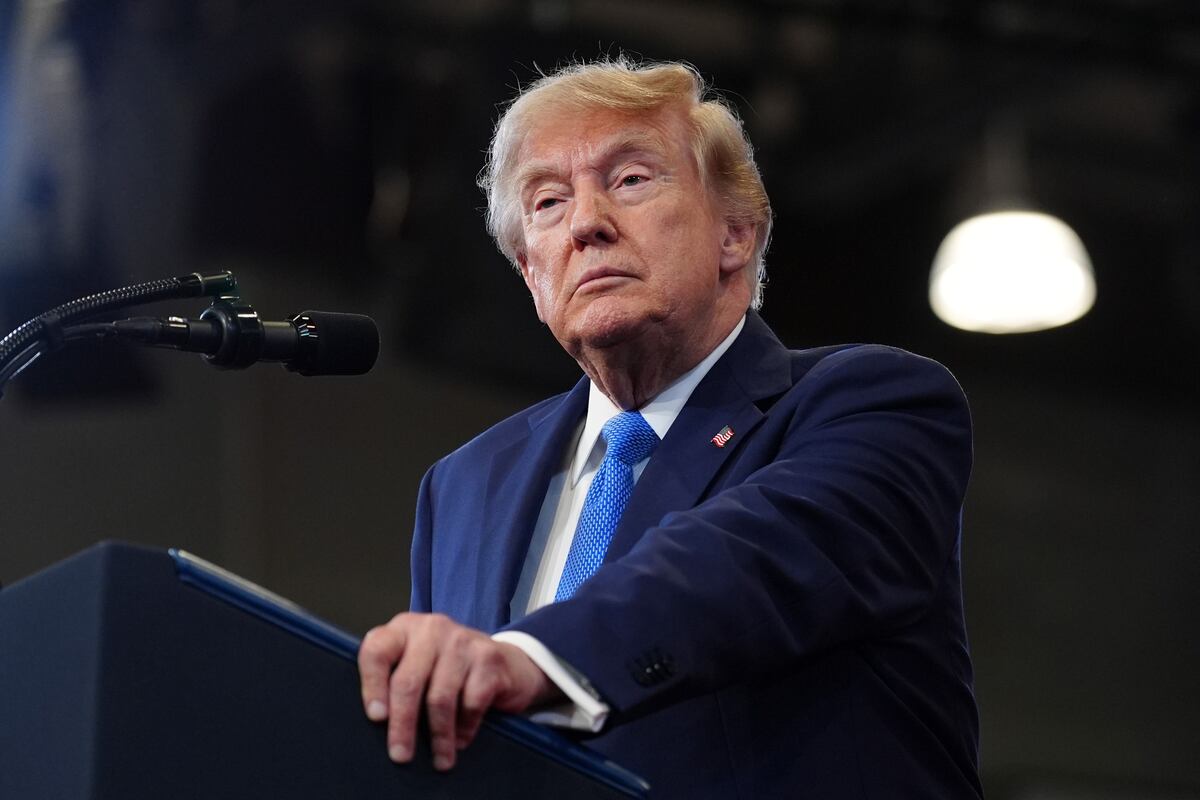
The White House is officially firing back after a guest host on Jimmy Kimmel Live! launched a series of blistering attacks against Donald Trump during a recent monologue. You probably noticed the tension rising as the late-night circuit continues to blur the lines between comedy and high-stakes political warfare in August 2026. This sudden escalation has caught the attention of both the administration and the public alike.
You are seeing a rare moment where the White House press office feels the need to address a satirical sketch directly. The guest host, filling in for Jimmy Kimmel, didn’t hold back, using terms like “nasty woman” and “total slob” to characterize the former president. These biting remarks have sent shockwaves through social media, forcing a response from the highest levels of government.
The drama began late Tuesday night when the broadcast aired to millions of viewers across the United States. Many critics argue that the language used crossed a line from humor into personal vitriol. Others suggest that this is simply the new reality of American entertainment in an increasingly polarized era.
White House Responds to Backlash
The official statement from the White House characterizes the late-night segment as a new low for broadcast television. Officials expressed disappointment that a major network would allow such personal attacks to dominate the airwaves during a sensitive election cycle. You can feel the frustration in the wording of the press release, which calls for more decorum in public discourse.
Insiders suggest that Donald Trump was briefed on the monologue almost immediately after it aired. His team has traditionally used these moments to galvanize his base, and this instance is no different. The White House seems to be navigating a difficult path by acknowledging the controversy without giving it more oxygen than it already has.
Political analysts at Wikipedia note that Jimmy Kimmel Live! has a long history of utilizing guest hosts to maintain high ratings during the summer months. This particular host, known for a sharp and uncompromising style, clearly intended to make a statement. The fallout is now the primary topic of conversation in the White House briefing room.
Host Strategy and Content
- Use of viral catchphrases to spark social media engagement.
- Direct targeting of personal physical traits to elicit a crowd reaction.
- Leveraging the guest host platform to bypass standard network filters.

Impact on Public Perception
Voters are increasingly divided on whether late-night hosts should play such an active role in political framing. You might wonder if these jokes actually change minds or simply reinforce existing biases. The White House believes that the constant barrage of satire is contributing to a breakdown in national unity.
Data shows that clips from the show have already reached over 50 million views on various platforms. This level of reach is why the White House cannot afford to ignore the situation entirely. They are closely monitoring the sentiment to ensure their messaging remains effective against the tide of comedic criticism.
Late Night Political War
The rivalry between Donald Trump and the late-night comedy world is legendary at this point. For years, hosts like Stephen Colbert and Jimmy Kimmel have built their brands on anti-Trump sentiment. However, the use of a guest host to deliver the most scathing insults yet marks a significant shift in strategy.
You should consider how the White House manages these external distractions while focusing on policy. The constant noise from Hollywood often threatens to drown out the administration’s legislative goals. By reacting, the White House runs the risk of validating the jokes, but by staying silent, they risk appearing weak to their core supporters.
Industry experts at brightcelebrity.com suggest that the guest host’s performance was a calculated move to boost the show’s relevance. In a world of streaming and short-form video, traditional talk shows need viral moments to survive. This controversy provides exactly the kind of engagement that advertisers crave, even if it causes a headache for the White House staff.
The Evolution of Satire
- From lighthearted ribbing to targeted character assassination.
- The disappearance of the neutral late-night host in American culture.
- How guest hosts are used as “heat shields” for regular presenters.
The White House press corps has spent the last 48 hours asking questions about the administration’s stance on free speech versus broadcast standards. It is a complicated dance that involves protecting the First Amendment while decrying what they view as unfair treatment. You are witnessing the friction point between the 2026 political landscape and the entertainment industry.
Viral Comedy Data Overview
To understand the scope of this event, we must look at the numbers. The following table highlights the reach and impact of recent late-night segments that have triggered a White House reaction.
| Host Name | Viral Clip Views | Sentiment Score | WH Reaction Type |
|---|---|---|---|
| Sarah Silverman | 12.4 Million | Negative | Official Statement |
| Marlon Wayans | 8.2 Million | Mixed | No Comment |
| Maya Rudolph | 15.1 Million | Highly Negative | Press Briefing Item |
| Wanda Sykes | 9.5 Million | Negative | Social Media Post |
As the table demonstrates, the scale of these events is massive. The White House is dealing with an audience that spans generations and platforms. You can see why a simple joke on television can quickly become a national security or public relations concern.
Trump Versus Late Night
Why does Donald Trump attract such intense attention from guest hosts? Part of the reason is his own history as a media personality. He understands the power of the camera better than almost any other political figure in modern history. This makes him both a primary target and a resilient opponent for the White House to defend.
When the guest host called him a “slob,” they were tapping into a long-standing tradition of attacking his personal brand. The White House argues that these insults are beneath the dignity of the office he once held and the process of seeking it again. You are watching a clash of cultures that shows no signs of slowing down.
The administration is currently evaluating how to push back against these narratives without appearing overly sensitive. It is a delicate balance that requires a deep understanding of media psychology. The White House must ensure that their response resonates with voters who are tired of the constant bickering.
Key Issues in Media Feuds
- The erosion of civil discourse in the 2020s.
- The role of network executives in greenlighting controversial scripts.
- The psychological impact of repetitive negative imagery on the electorate.
The Future of Satire
Looking ahead, the relationship between the White House and late-night television is likely to remain combative. As we approach the heat of the 2026 elections, the stakes will only get higher. You can expect more guest hosts to take risks as they try to leave their mark on the culture.
The White House will likely develop new protocols for handling these types of media flare-ups. Some suggest a more aggressive digital strategy to counter the viral nature of comedy clips. Others believe that the best approach is to ignore the noise and focus on the work being done in the Oval Office.
Satire has always been a cornerstone of American democracy, but the current tone is uniquely sharp. The White House finds itself in a position where it must defend the person of the president while upholding the values of the institution. It is a task that gets harder with every viral monologue.
Future White House Strategy
In the coming weeks, the White House will focus on redirecting the national conversation back to economic and social policy. They hope that the outrage over the Jimmy Kimmel guest host will fade as new headlines take center stage. You should keep an eye on how the press office handles the next round of late-night sketches.
Ultimately, the White House remains a symbol of stability in a chaotic media environment. Despite the jokes and the insults, the work of the administration continues. The strategy of the White House will be to remain professional while the comedy world continues its relentless critique.
This episode serves as a reminder of how powerful television remains in shaping our political world. The White House has made its position clear: comedy is fine, but character assassination is another story entirely. You are witnessing the latest chapter in a long-standing American drama that shows no signs of reaching a finale. The final White House word on this matter emphasizes a return to respectful debate for the sake of the country.
More Like This
For more updates, check out our latest entertainment and sports news.