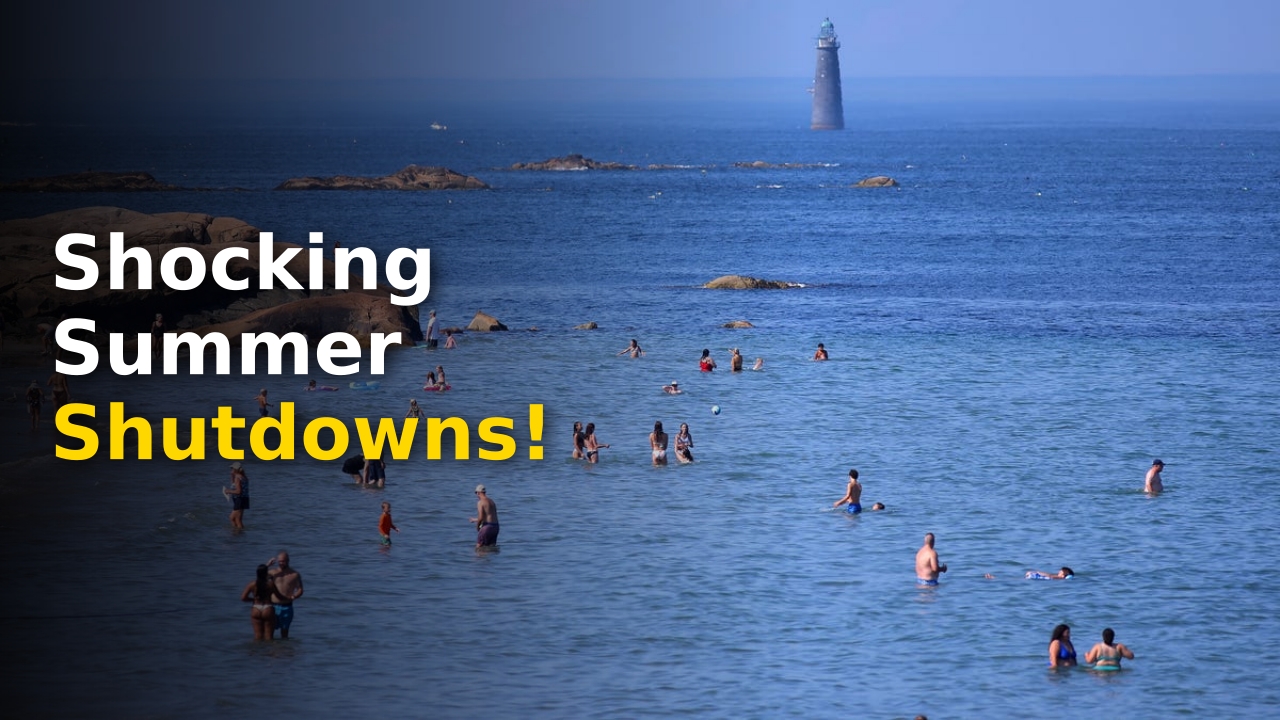
Are you planning a quick weekend getaway only to find that sudden beach closures are ruining your summer plans? Imagine packing your cooler, grabbing your sunscreen, and driving hours only to meet a giant ‘No Swimming’ sign. That is the frustrating reality facing thousands of locals as summer draws to a close.
The Massachusetts Department of Public Health recently announced a massive wave of shutdowns across the state. This sudden disruption has left families scrambling to find alternative ways to beat the sweltering heat.
With key destinations off-limits, understanding the science and safety behind these decisions is crucial. Here is everything you need to know to stay safe this weekend.
Why beach closures Happen Now
Heavy summer rain is often the primary driver behind sudden beach closures in New England. Stormwater runoff carries pet waste, fertilizers, and sewage overflow directly into our favorite swimming spots. This rapid influx of pollutants causes bacterial levels to skyrocket within hours.
State officials track these levels continuously to protect the public from dangerous contamination. When tests reveal exceedances, local authorities have no choice but to shut down access immediately. It is a necessary precaution that unfortunately ruins countless weekend plans.
For many coastal towns, these events also present a significant economic blow. Local boardwalks, restaurants, and surf shops rely heavily on consistent weekend crowds. When the water is deemed unsafe, foot traffic plummets, causing local business owners to suffer.
This seasonal volatility makes environmental monitoring a high-stakes operation. Thankfully, state-of-the-art laboratory testing helps minimize these down periods. Researchers work around the clock to analyze water samples and clear safe zones.
Climate change is also playing a major role in the increasing frequency of these safety alerts. Warmer water temperatures create the perfect breeding ground for toxic organisms to multiply rapidly. Environmental experts warn that these trends could become the new normal for coastal communities.
Adapting to these changes requires significant infrastructure investments in wastewater management. Municipalities across the state are scrambling to upgrade ancient drainage networks to cope with heavier downpours. Until these massive engineering projects are completed, we must remain vigilant.
Many residents fail to realize that even small residential areas impact water safety. Runoff from backyard lawns treated with chemical fertilizers can travel miles before reaching the coast. Every choice we make in our daily routines has a direct footprint on our shared environment.
By learning the root causes of these environmental shut downs, you can better anticipate risk levels. Staying one step ahead of the weather is key to saving your precious free time.

The Bacteria Hazard Explained
Swimming in contaminated water exposes you to a variety of harmful pathogens. The most common culprit in these situations is fecal coliform bacteria, including E. coli. These microorganisms thrive in warm, stagnant waters during the peak of summer.
Exposure can lead to severe gastrointestinal issues and painful skin infections. You can read more about waterborne diseases to understand how these pathogens impact the human body. Symptoms often mimic food poisoning, making diagnosis difficult without proper medical evaluation.
Children, elderly individuals, and those with compromised immune systems face the highest risk. Even a tiny accidental gulp of contaminated water can trigger severe illness. If you suspect you have contracted a waterborne bug, consult a healthcare provider immediately.
Staying hydrated is critical as your body fights off the infection. Many travelers are turning to alternative inland destinations to avoid these health hazards entirely. Keeping an eye on verified travel resources can save your vacation.
For instance, checking out exclusive lifestyle updates and viral celebrity travel guides can help you find pristine, unaffected luxury getaways. Planning ahead is the absolute best way to protect your family.
Medical professionals emphasize that symptoms might not appear immediately after swimming. It can take up to three days for certain pathogens to incubate within your system. This delayed onset often causes patients to overlook the true source of their discomfort.
Additionally, open wounds or small cuts can quickly become infected when exposed to contaminated ocean water. Marine bacteria can enter the bloodstream and cause severe complications if left untreated. Always clean and bandage any cuts before heading near public waters.
Understanding the Main Symptoms
- Severe nausea and continuous vomiting that starts within 24 hours of swimming.
- A high fever accompanied by a persistent sore throat and general body aches.
- Itchy red skin rashes, particularly in areas covered by swimwear.
- Painful ear infections and burning eye irritation after direct water exposure.
- Severe abdominal cramps and diarrhea that can last for several days.
- Intense fatigue and muscle weakness as your immune system battles foreign pathogens.
Statewide Closure Data Analysis
The scale of this year’s environmental alert has caught many seasoned beachgoers off guard. Data compiled on Aug. 21 reveals that several regions are facing unprecedented bacterial counts. To help you navigate this changing situation, we have organized the latest state reports.
The following data details the current distribution of affected swimming areas. Keep in mind that conditions can shift rapidly depending on localized weather patterns. A sudden afternoon thunderstorm can easily trigger new alerts in neighboring towns.
The premium table below outlines the primary reasons behind the current wave of restrictions. Use this guide to plan your alternative travel routes this weekend. Understanding these patterns is essential for anyone trying to navigate the summer heatwaves safely.
| Affected Region | Primary Cause | Current Status |
|---|---|---|
| North Shore Beaches | Bacterial Exceedance | Strictly Closed |
| South Shore Inlets | Stormwater Runoff | Under Review |
| Cape Cod Lakes | Algae Blooms | Closed to Public |
| Western Reservoirs | Chemical Hazard | Restricted Access |
As shown above, bacterial contamination remains the dominant factor driving these sudden actions. Always respect posted warning signs to avoid severe penalties and health risks. Local law enforcement officers are actively patrolling these areas to ensure compliance.
Ignoring these warnings not only risks your health but also drains valuable emergency resources. Search and rescue teams are kept on high alert during these high-risk periods. It is always better to be safe than sorry when dealing with mother nature.
In addition to bacterial threats, several freshwater sites are battling dangerous blue-green algae blooms. These blooms produce harmful toxins that can be fatal to family pets within minutes of exposure. Never let your dog swim in water that appears green, scummy, or smells unusually foul.
Wildlife officials are continuously monitoring local bird populations for signs of waterborne illness as well. The health of our local ecosystems is deeply intertwined with our own. Protecting these natural resources ensures a brighter future for the entire community.
Tracking Daily Water Safety
Fortunately, you do not have to guess which waters are safe for your family. The state provides a highly detailed, real-time tracking tool for all public coastal areas. This online resource is called the water quality dashboard, managed directly by environmental scientists.
It is updated constantly as new laboratory results are finalized. Beaches are only permitted to reopen once bacteria levels fall safely below state limits. There is no predetermined timeline for how long a closure might last.
Many local towns also post daily updates on their official social media channels. Following these accounts can give you hyper-local insights into beach conditions. Staying informed is your best defense against unexpected vacation disappointments.
Knowledge truly is power when navigating unpredictable summer weather. Many communities have also implemented flag warning systems directly on the sand. A red flag indicates extreme hazard, while green signifies clear, safe swimming conditions.
Educating your children about these safety flags can prevent dangerous accidents before they happen. It takes less than a minute to check the latest updates on your phone before heading out. Make this quick search a standard part of your summer preparation checklist.
State funding has recently been increased to expand testing frequency in high-traffic tourist zones. This means safety data is more accurate and up-to-date than ever before. We can all appreciate the hard work of the field technicians who collect these vital samples daily.
How to Use the State Dashboard
- Navigate to the official MDPH water quality portal on your smartphone.
- Search for your specific town or beach name using the search bar.
- Check the color-coded map to see if your destination is marked green or red.
- Read the detailed testing log to view the latest bacteria count dates.
- Sign up for automatic email alerts to receive instant notifications for your favorite spots.
- Review historical safety trends for individual lakes and ocean bays in your county.
Surviving Future beach closures
While seasonal beach closures can be incredibly frustrating, they do not have to ruin your summer. With a little creativity, you can pivot to fantastic alternative activities. Consider exploring local hiking trails, visiting historic museums, or enjoying a picnic in a state park.
Massachusetts offers a wealth of inland treasures waiting to be discovered. Always remember that public safety must always come first. The hard work of environmental teams ensures we can enjoy these beautiful shores for generations to come.
By respecting current restrictions, you play a vital role in protecting community health. Stay safe, stay informed, and make the most of your weekend adventures. Keep checking reliable health bulletins to know exactly when the waters are clear.
Your patience will eventually reward you with a perfect, worry-free beach day. Let’s embrace these temporary setbacks as opportunities to explore new parts of our beautiful state. Safe travels and enjoy your next outdoor adventure!
Additionally, backyard pool gatherings and splash pads offer safe, controlled environments to cool down. You can still enjoy the sunshine without exposing your family to invisible microbial hazards. There are endless ways to make lasting summer memories far away from contaminated shores.
Ultimately, our coastal waters will heal, and the sand will welcome us back very soon. Until then, stay curious and seek out new adventures in the great outdoors. The perfect summer day is what you make of it, regardless of the destination.
More Like This
For more updates, check out our latest entertainment and sports news.