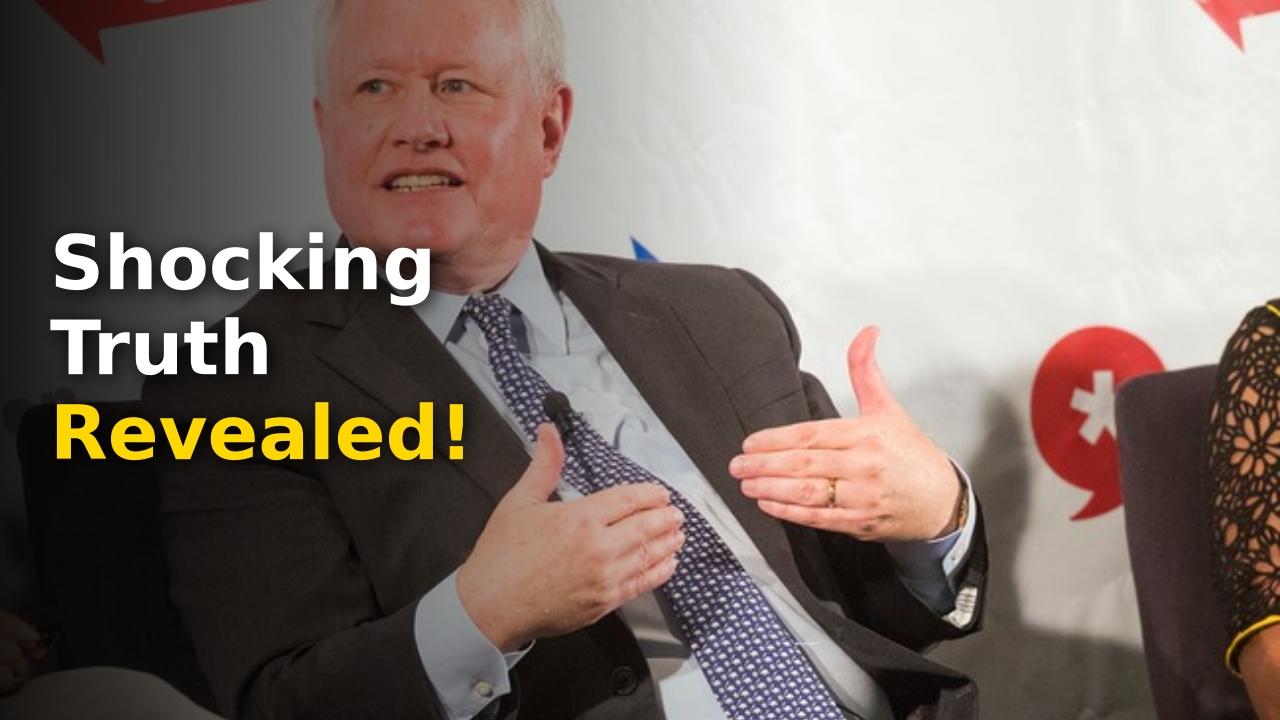
Natalie Harp has become the latest lightning rod for political outrage, sparking a heated debate over executive compensation and public service duty. When critics like Bill Kristol attempt to weaponize the salary of an executive aide, you have to ask yourself why the focus remains so narrowly—and aggressively—fixed on one individual. The intensity of this Natalie Harp pile-on suggests a much deeper partisan divide than a simple debate over federal pay scales.
You might find it interesting that the discourse surrounding her $150,000 annual salary has turned into a spectacle of personal attacks. While detractors attempt to equate her role with that of entry-level service members, supporters argue that this comparison ignores the complexities of high-level presidential staffing. It is a classic case of political theater where the numbers are used as ammunition rather than objective data points.
The Natalie Harp Salary Debate
The controversy ignited when Bill Kristol drew a direct, unflattering comparison between the salary of Natalie Harp and that of a sailor serving on the USS Abraham Lincoln. By framing her compensation as a scandal, critics hope to tap into the visceral reaction of taxpayers who value military service above all else. This narrative shift aims to paint her as overcompensated, ignoring the standard pay grades for White House executive assistants throughout modern American history.
Critics often forget that executive roles within the White House carry immense pressure and require a specific skill set that commands a competitive salary in the private sector. The attempt to paint Natalie Harp as an outlier ignores the historical precedent set by previous administrations, regardless of political affiliation. When you analyze the job requirements, it becomes clear that this is a professional position, not a political charity case.
The media reaction, including segments from figures like Erin Burnett and reports from The New York Times, has only poured gasoline on the fire. By inviting estranged family members to comment on her character, the coverage has morphed from political critique into a personal hit piece. You have to wonder if these outlets would afford the same treatment to aides in a Democratic administration.
Furthermore, the gendered nature of the attacks—ranging from accusations of dependency to crude, misogynistic insinuations—speaks volumes about the current state of political discourse. It seems that when a woman enters the upper echelons of power in a Republican administration, the criteria for criticism drop from professional performance to deeply personal, and often vile, speculation. This is an industry standard for those seeking to discredit rising stars in conservative circles.
The pushback against these narratives has been equally fierce. Online commentators have pointed out that Bill Kristol himself collected a substantial salary during his tenure in government, often ignoring the context of inflation and historical pay gaps. The hypocrisy is not lost on those who track the career trajectories of D.C. elites, who frequently pivot between punditry and high-level government roles without public scrutiny.
Ultimately, the fury aimed at Natalie Harp appears to be less about her paycheck and more about her proximity to Donald Trump. As the political landscape shifts toward the 2026 election cycle, you can expect these character-driven conflicts to intensify. If you want to dive deeper into the latest updates on high-profile figures, you can check out more stories at Bright Celebrity news for a closer look at the power players in the current zeitgeist.

You must consider the total compensation package when discussing military pay compared to civilian government roles. Many people overlook the tax-free allowances, housing benefits, and health coverage that sailors receive. A base pay comparison is rarely an apples-to-apples evaluation, which is exactly why the initial outrage feels manufactured. When you break down the financial reality, the narrative that she is looting the treasury holds very little water.
The Financial Breakdown
- Base salary comparison is often flawed due to untaxed military benefits.
- Executive Assistants require specialized experience and high-level vetting.
- Public perception of federal pay often ignores the cost of living in D.C.
- The role of Presidential Aide has been consistent across many decades.
- Misogynistic framing distracts from the core professional duties of the position.
- Aggressive media pile-ons often serve to boost engagement for news outlets.
Comparative Salary Data
| Role/Position | Reported Annual Pay | Key Context |
|---|---|---|
| Natalie Harp | $150,000 | White House Executive Aide |
| USS Lincoln Sailor (Base) | $50,000 | Base pay before allowances |
| Bill Kristol (1989) | $125,000 | VP Chief of Staff era |
To understand the depth of this political noise, one must look at the broader media landscape that feeds into these controversies. By using provocative headlines, outlets ensure that the average viewer remains angry rather than informed. You are essentially watching a well-oiled machine of outrage production designed to keep you scrolling.
It is important to remember that the USS Abraham Lincoln serves as a vital tool for national defense, and its crew deserves the utmost respect. However, dragging individual staff members through the mud does nothing to improve the quality of life for those sailors. This is a classic deflection strategy used to avoid substantive debates about defense budget allocations or military pay reforms.
As we navigate the information age, distinguishing between valid professional critiques and orchestrated smear campaigns is essential. You might feel a sense of fatigue from these recurring cycles of outrage, and rightfully so. When every hire becomes a national scandal, the term “scandal” loses its meaning, leaving only the noise of a polarized political climate.

The Media’s Role
Why do these stories gain such traction? Because they focus on high-emotion triggers like money, misogyny, and military honor. When Maggie Haberman and other pundits chime in, the goal is to validate the outrage within their respective bubbles. This feedback loop ensures that the story stays relevant far longer than it merits, keeping the pressure on the individual at the center of the storm.
If you look closely at the language used by critics, it is rarely focused on policy or actual efficiency. Instead, it relies on dehumanizing metaphors, such as calling an aide a “binkie” or suggesting sexual impropriety. This language serves to strip away the professional standing of the woman in question, making it easier for the audience to dismiss her achievements or her masters-level qualifications.
For those watching from the sidelines, the advice is simple: follow the money and the motive. Why is this topic trending today? Who benefits from the public associating this specific aide with a lack of patriotism? By asking these questions, you start to see the gears behind the media production line.
The fact that this has lasted for three days—the “three-day rule” of the internet news cycle—demonstrates that the strategy is working as intended. News outlets know that if they can keep a story alive for 72 hours, it becomes a permanent part of the subject’s Google search history. It is a calculated move to damage reputations permanently.
Ultimately, the resilience of Natalie Harp in the face of these attacks is a study in modern crisis management. Whether or not you agree with her politics, the ability to withstand such a coordinated hit piece is a skill that few possess. As the political winds shift again next week, this story will likely fade, replaced by the next manufactured emergency.
Final Thoughts
In the final analysis, the Natalie Harp controversy is a microcosm of a broken media environment. It highlights the tendency to value high-octane drama over honest, data-driven comparisons. When the facts are stripped away, you are left with a sad reality where personal attacks take precedence over institutional service. As you move forward, keep a watchful eye on these manufactured narratives, as they are likely to repeat themselves as we head toward the 2026 political landscape.
More Like This
For more updates, check out our latest entertainment and sports news.