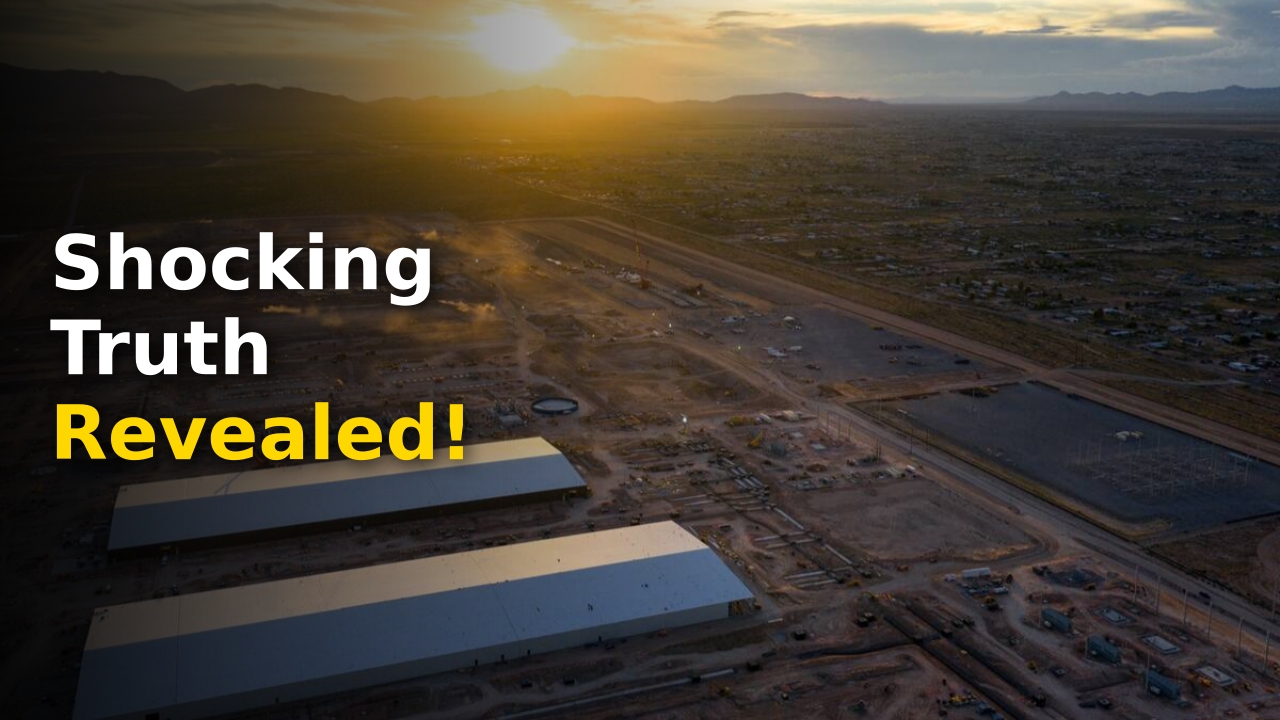
You might not realize that data centers are facing an unprecedented political reckoning across the United States.
This sudden shift is causing massive panic among Silicon Valley executives who once enjoyed unchecked global expansion.
These massive data centers require vast resources, prompting local advocates to demand immediate policy changes.
Politicians who previously championed these digital hubs are now actively running away from them to protect their careers.
The struggle over resource allocation is reaching a boiling point as communities experience rising utility costs.
If you live near one of these tech hubs, you are likely already witnessing this dramatic neighborhood transformation.
The days of quiet corporate expansion are officially over for the world’s biggest technology firms.
Rebuilding data centers reputation
The public image of tech infrastructure has deteriorated rapidly over the last twelve months.
Rebuilding the corporate reputation of these massive facilities is now the top priority for major technology firms.
Local communities are no longer satisfied with simple promises of future economic prosperity.
They want to see immediate, actionable plans to protect regional electricity and water systems from severe depletion.
This growing anger is forcing corporate executives to completely redesign their community outreach strategies.

Resource depletion concerns
- Unprecedented strain on local electrical grids.
- Billions of gallons of water used for cooling.
- Rising energy bills for average suburban families.
Designing clean data centers is no longer optional for tech conglomerates seeking quick local approvals.
In dry regions like Phoenix, Arizona, cooling these facilities consumes billions of gallons of precious drinking water.
This ecological strain has sparked intense local protests that are drawing nationwide media attention.
Local utility companies are struggling to balance residential power needs with industrial demands.
Many families are seeing their monthly electric bills rise as grid operators invest in costly upgrades.
This financial burden has turned once-indifferent suburban voters into passionate environmental activists.
The regulatory backlash
- Proposed zoning bans on agricultural lands.
- Mandatory high-efficiency cooling system requirements.
- Increased local corporate tax rates.
These modern data centers must transition to alternative energy sources to prevent grid collapses.
State representatives are quickly introducing bills to limit the rapid growth of these massive projects.
In Loudoun County, Virginia, local planners are rejecting proposals that previously would have passed easily.
The political climate has shifted so dramatically that even pro-business lawmakers are hesitating to offer support.
This regulatory freeze is sending shockwaves through the entire global technology sector.
Tech companies are learning that financial influence is no longer enough to secure local permits.
They must now prove their presence will not negatively impact the surrounding neighborhood’s quality of life.
This power struggle represents a fundamental shift in how local governments interact with mega-corporations.
Citizens are demanding that their natural resources be prioritized over corporate computational power.
The resolution of this conflict will shape the physical landscape of tech for decades.
Why politicians are fleeing
Elected officials are incredibly sensitive to the shifting winds of voter outrage.
During critical election cycles, defending tech giants becomes a massive political liability that candidates want to avoid.
Establishing eco-friendly data centers is the only logical path forward for major tech organizations.
Without this commitment, politicians will continue to distance themselves from new development proposals.
This political reality is forcing lobbyists to change their messaging when meeting with state leaders.
In states like Virginia, candidates are campaigning on promises to block tech expansions.
This strategy has proven highly effective at winning over suburban voters who fear rising living costs.
The financial support that tech firms once provided to local campaigns is losing its political efficacy.
Lawmakers realize that accepting these donations can alienate a highly energized and vocal local voting base.
Consequently, many political figures are publicly returning corporate donations to maintain their clean public image.
State legislators are targeting data centers with aggressive taxes and strict utility consumption limits.
These legislative measures are designed to appease angry constituents who feel their concerns have been ignored.
This trend is spreading rapidly across other states that host major digital infrastructure hubs.
Even historically business-friendly regions are implementing strict environmental impact assessments for new projects.
The era of fast-tracked corporate approvals has ended for the high-tech industry.
To understand how public opinion shifts rapidly during modern crises, explore our exclusive coverage of trending political crises affecting the nation’s top figures. This dynamic is currently shaping the legislative battles in several state capitals.
Politicians who ignore these warning signs risk facing serious primary challenges from environmental advocates.
The balance of power has shifted back toward local communities and grassroots organizations.
This political reality is something that tech executives can no longer afford to ignore.
Shocking industry energy metrics
The raw data behind this infrastructure crisis reveals the true scale of the problem.
These figures explain exactly why local residents are demanding immediate regulatory intervention from state leaders.
| State Location | Megawatts Consumed | Water Usage (Gallons) | Political Risk Level |
|---|---|---|---|
| Northern Virginia | 3,000 MW | 5 Billion | Extreme |
| Central Ohio | 1,500 MW | 2.5 Billion | High |
| Phoenix, Arizona | 1,200 MW | 3.1 Billion | Critical |
The overall footprint of data centers has triggered massive protests in once-quiet suburban neighborhoods.
These numbers show that resource consumption is not just a minor local inconvenience for residents.
The sheer volume of electricity required to power these facilities is staggering to average taxpayers.
In drought-prone Western states, the water required for cooling is becoming a major environmental flashpoint.
These data centers must adopt sustainable liquid cooling systems to protect local drinking supplies.
According to reports from Reuters, regional energy grids are reaching their maximum operational capacity.
Grid operators warn that uncontrolled growth could lead to widespread brownouts during peak summer months.
This stark warning has added significant fuel to the already burning political firestorm.
Many technology executives completely underestimated the speed and intensity of this public resistance.
They assumed that offering high-paying construction jobs would satisfy local communities indefinitely.
That calculation has proven to be a massive strategic error for major technology brands worldwide.
Suburban residents value their quality of life and stable utility bills far more than temporary construction jobs.
This mismatch in values has created a deep chasm between tech companies and local citizens.
The financial stakes are incredibly high for both the tech industry and municipal governments.
If the grid fails, local businesses and residential neighborhoods will suffer severe economic consequences.
This shared risk makes the current political debate an urgent matter of public safety.
Lawmakers are realizing they must act swiftly to protect their infrastructure from being overwhelmed.
The data suggests that the status quo is simply no longer an option for anyone involved.
How companies fight back
Tech executives are launching sophisticated campaigns to rebuild their standing with voters.
They hope to convince communities that digital infrastructure is absolutely vital for modern daily life.
Many corporations believe data centers can coexist with communities by funding local infrastructure upgrades.
By paying for new water treatment facilities, they hope to offset their immense resource usage.
This proactive approach is designed to show that tech hubs can be positive local partners.
Companies are also purchasing massive amounts of clean energy from local wind and solar developers.
This strategy aims to prove that tech development can actually accelerate the green energy transition.
Some organizations are establishing direct community funds to support local schools and public parks.
They believe that funding visible public projects will help soften their industrial footprint.
However, many local activists remain highly skeptical of these corporate philanthropy efforts.
Integrating green energy into data centers operations remains the most effective long-term PR strategy.
Without a clear commitment to sustainability, these companies will continue to face intense local resistance.
Other firms are focusing on developing advanced liquid-cooling systems that use zero local drinking water.
This technological shift is expensive, but it represents a necessary investment for long-term survival.
If successful, these systems could defuse the most contentious environmental arguments against tech expansion.
Industry trade groups are also reminding the public of how dependent they are on digital servers.
Every smartphone application, banking transaction, and streaming platform relies entirely on this unseen physical infrastructure.
This educational push aims to frame tech facilities as essential public utilities rather than corporate luxuries.
Whether this messaging will succeed in changing public opinion remains to be seen.
The skepticism among voters is deep, and it will require more than clever marketing to resolve.
Future of data centers industry
The future of data centers relies heavily on establishing unprecedented levels of operational transparency.
Backroom deals between corporate lobbyists and local politicians will no longer be tolerated by voters.
Ensuring that data centers utilize recycled water is key to earning back community trust.
This change requires significant capital investment, but it is the only way to secure future permits.
Tech companies must accept lower profit margins to build sustainable partnerships with their host cities.
State and federal governments will likely play a much larger role in regulating where these facilities can be built.
Future developments will probably be confined to designated industrial zones far from residential neighborhoods.
This geographic shift will help minimize the visual and environmental impact on local families.
It will also reduce the strain on residential power grids, preventing costly utility rate spikes.
This compromise is essential if the high-tech sector wants to avoid endless litigation and delays.
The global demand for cloud computing and artificial intelligence services shows no signs of slowing down.
Without a clear plan, data centers will continue to face extreme political opposition across America.
We are witnessing a major turning point in the relationship between technology and society.
The physical footprint of the internet can no longer remain hidden from the people it directly impacts.
This realization is forcing a critical conversation about how we allocate our shared natural resources.
Ultimately, tech companies must prove that they can be responsible environmental stewards.
Failing to adapt to this new reality will result in continuous political gridlock and project cancellations.
The era of easy growth has ended, and the era of strict accountability has officially begun.
Only companies that prioritize community needs alongside technological progress will succeed in this challenging environment.
This shift will ultimately create a more resilient and sustainable digital infrastructure for everyone.
More Like This
For more updates, check out our latest entertainment and sports news.