MCU Villains often start their journeys in the shadows, fueled by rage, ego, or a misguided sense of justice. Have you ever found yourself rooting for the very person who just tried to dismantle your favorite superhero team? You are not alone in this moral dilemma, as Marvel has mastered the art of the redemption arc, turning cold-blooded antagonists into the universe’s most vital protectors. This shift in allegiance provides a layer of complexity that keeps you glued to your screen during every cinematic release.
The concept of a reformed antagonist isn’t new, but the scale at which Disney and Marvel Studios execute these transitions is unprecedented. By focusing on the humanity beneath the armor or the sorcery, these stories tap into your own empathy. You begin to see that even the most notorious MCU Villains are capable of profound change when faced with the right circumstances. It is this psychological hook that ensures high reader retention and keeps the fandom debating these character shifts for years.
MCU Villains Redefined as Heroes
The transformation of MCU Villains into heroes serves as the narrative backbone for some of the most successful projects in the franchise. When you look at the trajectory of these characters, you see a pattern of isolation followed by a search for belonging. This journey resonates because it mirrors the human experience of making mistakes and seeking a path to earn back trust. Marvel writers utilize the 7 C’s of communication to ensure these transitions feel earned rather than forced or convenient for the plot.
The Psychological Hook
- Character consistency is maintained even as motivations shift toward the greater good.
- Consequences for past actions remain a heavy burden for the newly reformed heroes.
- Conflict remains internal, as former enemies struggle with their darker impulses.
By examining the roots of these characters, we find that many were simply victims of their own circumstances or poor mentors. According to Wikipedia, the expansive nature of the Marvel Cinematic Universe allows for long-form storytelling that makes these redemptions possible. You get to see the slow burn of a character like Nebula or the sudden, tragic realization of John Walker. Each step is calculated to maximize the emotional impact on the audience.
As these characters evolve, they often become more popular than the traditional “boy scout” heroes who have always done the right thing. There is something inherently captivating about a hero who knows what it is like to be the monster under the bed. This complexity is what drives traffic to deep-dive articles and character analysis videos. You aren’t just watching a fight; you are watching a soul being forged in the fires of conflict and regret.
The transition from a villainous role to a heroic one also allows for fresh dynamics within established teams. Imagine the tension in the room when a former assassin has to share a quinjet with the people they once tried to kill. These interactions provide the “spark” that keeps the franchise feeling fresh after dozens of entries. It forces you to reconsider your own definitions of good and evil as the lines continue to blur.

Swordsman and Slattery: Unexpected Allies
Jack Duquesne, played with a charming yet suspicious energy by Tony Dalton in 2021, was the ultimate red herring. In the Hawkeye series, you were led to believe he was the mastermind behind the criminal underworld of New York. Instead, Jack turned out to be a sword-fighting enthusiast with a heart of gold who just wanted to be part of the action. His shift from a suspected murderer to a vigilante fighting alongside Kate Bishop was a breath of fresh air for the series.
His story doesn’t end in the suburbs, as Swordsman is set to make a major impact in Daredevil: Born Again. Reports suggest that Jack has been imprisoned by Wilson Fisk, also known as Kingpin, for his vigilante activities. This transition into a full-blown superhero aligns him with the gritty street-level heroes you’ve come to love. You will see him fighting side-by-side with Matt Murdock to dismantle Fisk’s anti-vigilante task force in a high-stakes battle for Hell’s Kitchen.
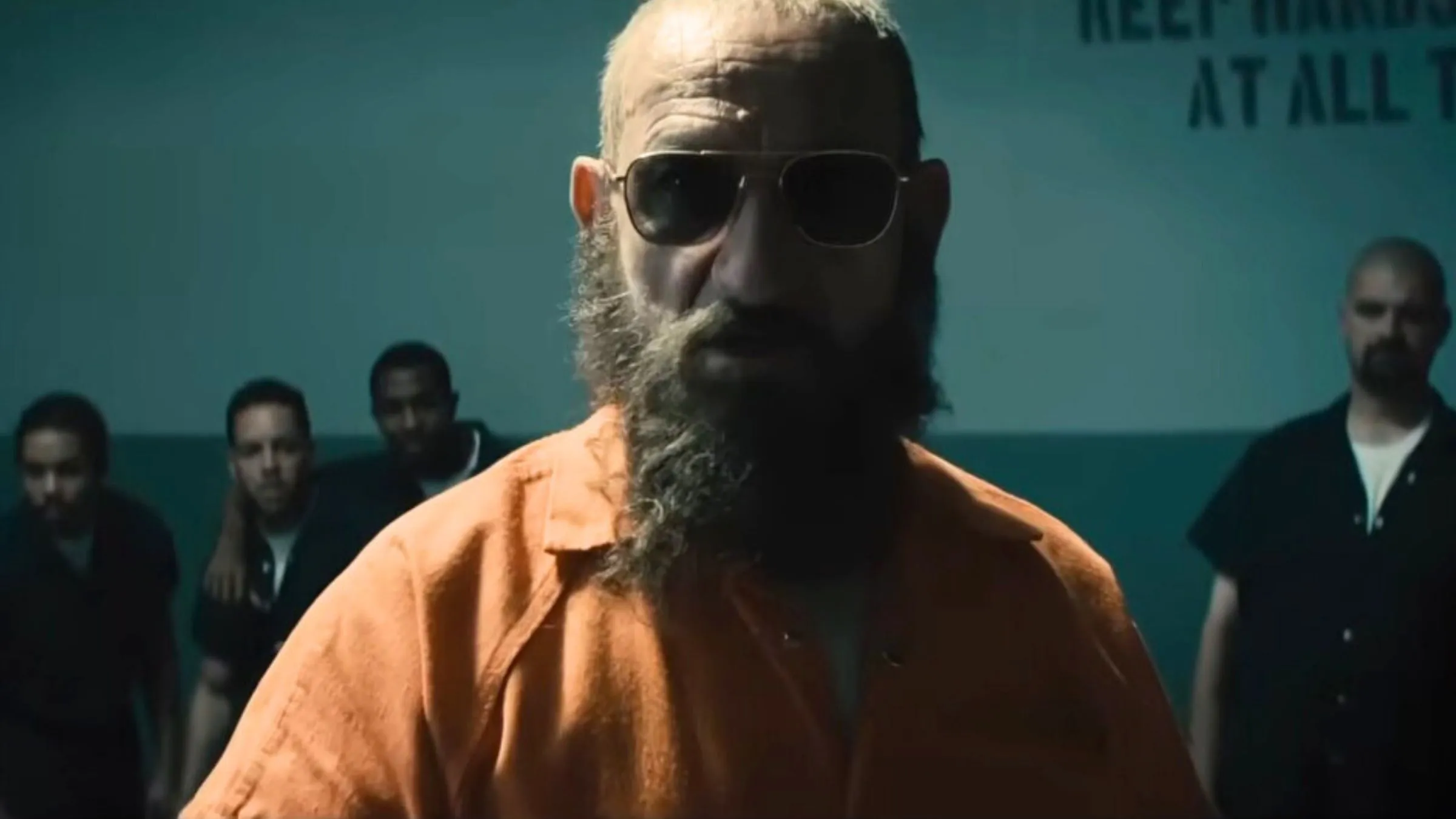
Then there is the bizarre and hilarious case of Trevor Slattery, the fake Mandarin from Iron Man 3. Ben Kingsley delivered a performance that initially angered fans but eventually became a beloved staple of the MCU. Trevor was a pawn of Aldrich Killian and AIM, but his time in a Ten Rings prison changed him forever. By the time he appeared in Shang-Chi and the Legend of the Ten Rings, he was a vital ally in the fight against the Dweller-in-Darkness.
The Actor’s New Script
- Slattery provides essential local knowledge to the heroes in the mystical realm of Ta Lo.
- His friendship with the creature Morris adds a layer of whimsical humanity to his character.
- In the upcoming Wonder Man series, he takes the fall for Simon Williams to protect him from the DODC.
The arc of Trevor Slattery proves that even the most ridiculed MCU Villains can find a place among the heroes. His redemption isn’t about power; it’s about finding a family and a purpose beyond being a hired actor. While Tony Dalton and Ben Kingsley bring different energies, both show that the path to heroism is often paved with misunderstanding. Fans frequently visit brightcelebrity.com to see how these talented actors prepare for such drastic character shifts in their careers.
This duo highlights the diversity of redemption within the Marvel landscape. One is a high-society swordsman, and the other is a washed-up actor, yet both found themselves on the right side of history. Their stories remind you that anyone can choose to be better, regardless of their past mistakes or public perception. It is this message of hope and change that continues to resonate with audiences globally.
John Walker and the Avengers Path
No character sparked more intense debate than John Walker during the events of The Falcon and the Winter Soldier. When Wyatt Russell took up the shield of Steve Rogers, the world watched with a mixture of skepticism and curiosity. Walker was a decorated soldier, but the pressure of the Captain America mantle pushed him toward a violent and villainous breakdown. After he murdered a member of the Flag-Smashers in cold blood, his fall from grace seemed absolute and permanent.
However, the arrival of Valentina Allegra de Fontaine provided Walker with a second chance at service, albeit in the shadows. Rebranded as U.S. Agent, he began executing black ops missions that challenged his morality and his loyalty to the state. This path of evolving MCU Villains is fascinating because it doesn’t shy away from the darkness inherent in the character. You see a man trying to do good while struggling with the very traits that made him a monster in the first place.
In a shocking twist, John Walker is officially slated to join the ranks of the New Avengers in the upcoming Avengers: Doomsday crossover. This leap from a disgraced soldier to a global protector is one of the most ambitious redemptions in cinematic history. He will lead the Thunderbolts, a team of misfits and former antagonists, into a battle that will determine the fate of the multiverse. This transition cements his status as a key player in the Marvel Cinematic Universe for years to come.
The Path to Redemption
- Walker’s realization of Valentina’s manipulative nature was the turning point for his character.
- The bond he forms with other outcasts like Yelena Belova and Ghost humanizes his struggle.
- His inclusion in the Avengers lineup suggests a desperate need for tactical experts in the face of Kang.
The story of John Walker is a cautionary tale about the dangers of idol worship and the heavy cost of a hero’s legacy. You are forced to wonder if a man who committed such a public atrocity can ever truly be forgiven by society. Marvel isn’t giving you an easy answer, which makes his journey even more compelling to follow. His presence in the New Avengers will undoubtedly create friction, providing the kind of character-driven drama that fans crave.
As he suits up for Avengers: Doomsday, the stakes have never been higher for the former Captain America. This isn’t just about saving the world; it is about saving his own soul and proving that his initial desire to serve was genuine. The transformation of these MCU Villains into symbols of hope is a testament to the writing team’s ability to navigate complex moral terrain. You can expect John Walker to be a lightning rod for controversy and acclaim in equal measure.

Nebula and the Family Redemption
Nebula, portrayed by the talented Karen Gillan, began her journey as a literal weapon of war in the hands of Thanos. Her life was defined by pain, competition with her sister Gamora, and the mechanical replacement of her organic parts. In the first Guardians of the Galaxy, she was a cold, calculating antagonist who would do anything to please her adoptive father. Her hatred for her sister was the only thing that seemed to keep her going through the endless cycles of abuse.
The shift began in Guardians of the Galaxy Vol. 2, where a brutal fight with Gamora turned into a moment of shared trauma and understanding. You saw the vulnerability behind the blue exterior as she admitted she only ever wanted a sister. This realization was the catalyst for Nebula to turn against Ronan the Accuser and eventually the Mad Titan himself. Her redemption was not a single moment of clarity but a grueling, multi-year process of unlearning the violence she was raised with.
By the time Avengers: Endgame arrived, Nebula was an essential member of the team, working alongside Tony Stark and Steve Rogers. She faced her past self literally and figuratively, killing the villainous version of Nebula from 2014 to save the future. This act of self-sacrifice—or rather, sacrifice of her old self—completed her transformation into a hero. She finally found the home and the family she had been searching for since she was a child.
The Evolution of a Guardian
- Nebula’s role in rebuilding Knowhere shows her commitment to community and leadership.
- Her relationship with Rocket Raccoon highlights her capacity for deep, platonic love.
- She eventually becomes the emotional core of the team in Guardians of the Galaxy Vol. 3.
The beauty of Nebula’s arc is that it treats her trauma with the respect and weight it deserves. You see her struggle to express affection, her bluntness, and her occasional lapses into aggression, all of which make her more relatable. She is one of the most impactful MCU Villains because her change is rooted in healing rather than just a change of heart. Her story provides hope to anyone who feels defined by their past or their scars.
Now, as a leader of the new Guardians, Nebula stands as a beacon of what is possible when you choose love over hate. She has moved beyond being a victim or a villain to become a protector of the innocent across the cosmos. Her journey from a secondary antagonist to a beloved hero is a masterclass in character development. You can’t help but feel a sense of pride as she finally finds peace within herself and her new family.
Loki and the Multiverse Salvation
Finally, we must discuss the most iconic transformation of all: Loki, the God of Mischief. Tom Hiddleston has taken this character on a journey that spans over a decade and multiple timelines. From the petulant prince in Thor to the conqueror in The Avengers, Loki was the villain everyone loved to hate. His charm and wit made him a fan favorite, but his actions were consistently selfish and destructive until the tragic events of Infinity War.
The Loki series on Disney+ took this even further by introducing a variant who had to witness his own death and the futility of his ambitions. Under the guidance of Mobius and the TVA, he learned that his “glorious purpose” wasn’t to rule, but to serve something greater. His relationship with Sylvie challenged his narcissism and forced him to care about the survival of the entire multiverse. This was a Loki you had never seen before—one who was willing to lose everything to save everyone.
The culmination of his journey saw him becoming the God of Stories, holding the branches of the multiverse together at the end of time. He replaced He Who Remains not to rule, but to ensure that every living being had a chance at free will. This selfless act is the ultimate redemption for a character who once sought to enslave humanity. Loki is now the most powerful being in the MCU, and he uses that power to preserve existence itself.
Stages of Loki’s Growth
- Acceptance of his own flaws and the damage he caused his family.
- The transition from seeking a throne to seeking a meaningful connection.
- The ultimate sacrifice of his freedom to protect the infinite timelines.
The transformation of Loki is so profound that it has redefined the entire landscape of the Marvel Multiverse. You are left wondering how his new role will influence the upcoming Avengers: Doomsday and the fight against Kang. He has moved from a local threat to a universal savior, proving that even the most classic MCU Villains can achieve god-tier heroism. His story is a testament to the power of growth and the infinite possibilities of the human (or Asgardian) spirit.
As we look toward the future of the franchise, the influence of these former antagonists cannot be overstated. They bring a level of grit and experience that the younger heroes lack, making them indispensable in the trials to come. Whether it is Loki watching over the timelines or Nebula guarding the stars, the universe is in better hands because these villains chose to be heroes. You are witnessing a new era where the shadows of the past illuminate the path to the future.
Comparing Marvel Heroic Evolution Data
To truly understand the scale of these MCU Villains and their shifts, we can look at the data surrounding their appearances and the impact of their redemptions. The following table highlights the key milestones for each of the five characters discussed in this deep dive. It shows how long it took for their allegiances to shift and the primary catalyst for their change.
| Character Name | Debut Project | Redemption Catalyst | Current Status |
|---|---|---|---|
| Jack Duquesne | Hawkeye (2021) | Tracksuit Mafia Battle | Active Vigilante |
| Trevor Slattery | Iron Man 3 (2013) | Freedom from Ten Rings | Heroic Actor |
| John Walker | Falcon & Winter Soldier | Valentina’s Deception | New Avenger |
| Nebula | Guardians of the Galaxy | Sisterly Bond (Gamora) | Guardian Leader |
| Loki | Thor (2011) | TVA/Sylvie Partnership | God of Stories |
Final Thoughts on MCU Villains
As you navigate the ever-expanding lore of Marvel, it becomes clear that MCU Villains are the heart of the franchise’s emotional stakes. Their ability to change reminds us that no one is beyond saving and that our choices define us more than our origins. From the street-level antics of Swordsman to the cosmic sacrifice of Loki, these characters have enriched the story in ways a simple “hero vs. villain” dynamic never could. You are living in a golden age of character development where the bad guys don’t just lose—they grow.
The presence of John Walker in the Avengers and Nebula leading the Guardians shows that the Marvel universe is evolving into a more complex and realistic world. These heroes bring a perspective shaped by failure, which makes their victories even sweeter for the audience. As we look forward to the next phase of films and series, the question isn’t just who the next villain will be, but who among them will eventually join the ranks of the heroes. It is this constant state of flux that keeps you coming back for more, eager to see the next MCU Villains find their redemption.
More Like This
For more updates, check out our latest entertainment and sports news.