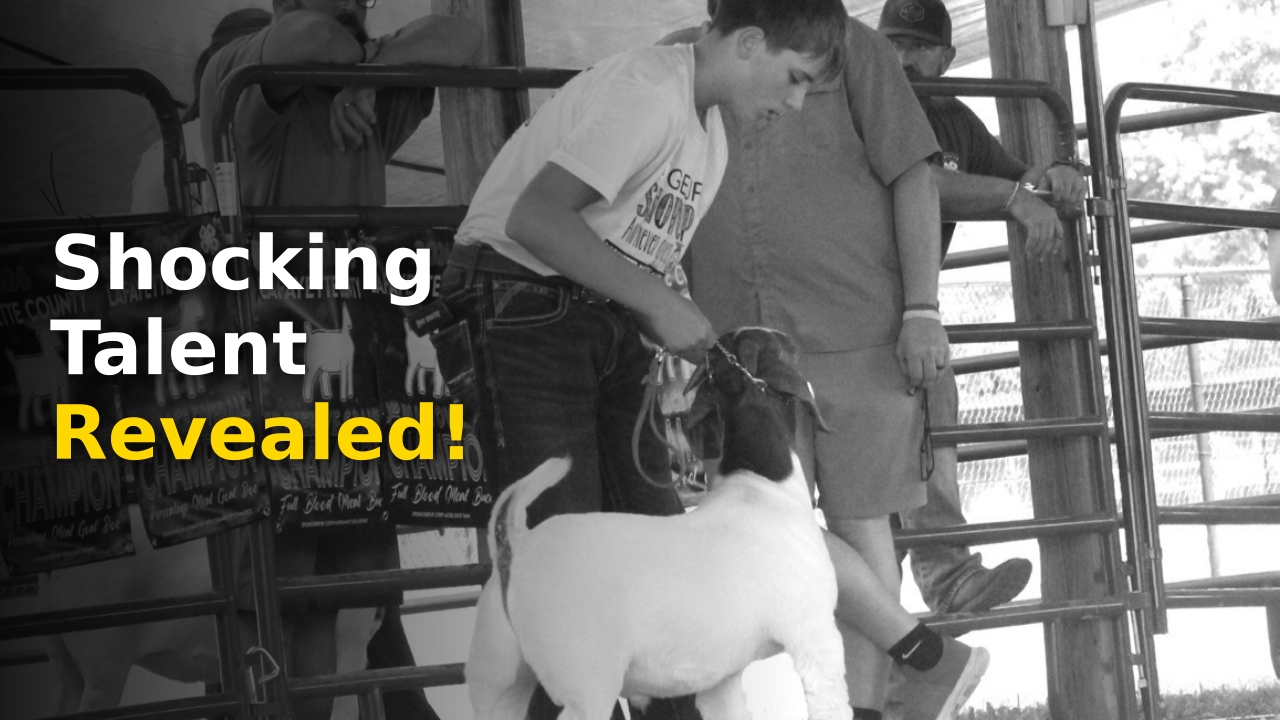
Goat Show participants recently gathered at the Lafayette County 4-H/FFA Fair to prove that dedication and hard work remain the cornerstones of rural American success. You might wonder what drives teenagers to spend months grooming animals in the sweltering heat, but the answer lies in the deep character-building lessons found only within the barn walls.
The atmosphere at the 4-H Barn in Fairground Park was electric, with every exhibitor aiming for the top spot. By participating in this high-stakes environment, these youth are not just showing goats; they are mastering the art of responsibility and future-focused livestock management.
The Unstoppable Goat Show Legacy
When you walk through the aisles of a county fair, you witness the intersection of history and modern agriculture. The Goat Show has evolved from a simple gathering into a complex display of genetic selection and expert showmanship. Young exhibitors learn to bridge the gap between historical farming traditions and contemporary nutrition science.
Preparation for such an event is a year-round commitment that goes far beyond just feeding the animals. Each student must track growth rates, manage specific medical records, and understand the nuances of the animal’s temperament. This level of engagement provides a competitive edge that few other extracurricular activities can offer for personal development.
Understanding the difference between Dairy Goat and Meat Goat classes is the first step toward mastery in this field. Dairy goats are judged on udder structure and milk production potential, while meat goats are evaluated on muscle mass and frame size. You can learn more about how celebrity farmers influence these standards in modern agriculture today.
Mentorship plays a critical role in the success of every 4-H and FFA member. Older, seasoned members often take younger students under their wings, teaching them the unspoken rules of the show ring. This culture of passing down knowledge ensures that the community remains resilient even as market conditions for livestock fluctuate significantly across the Midwest.
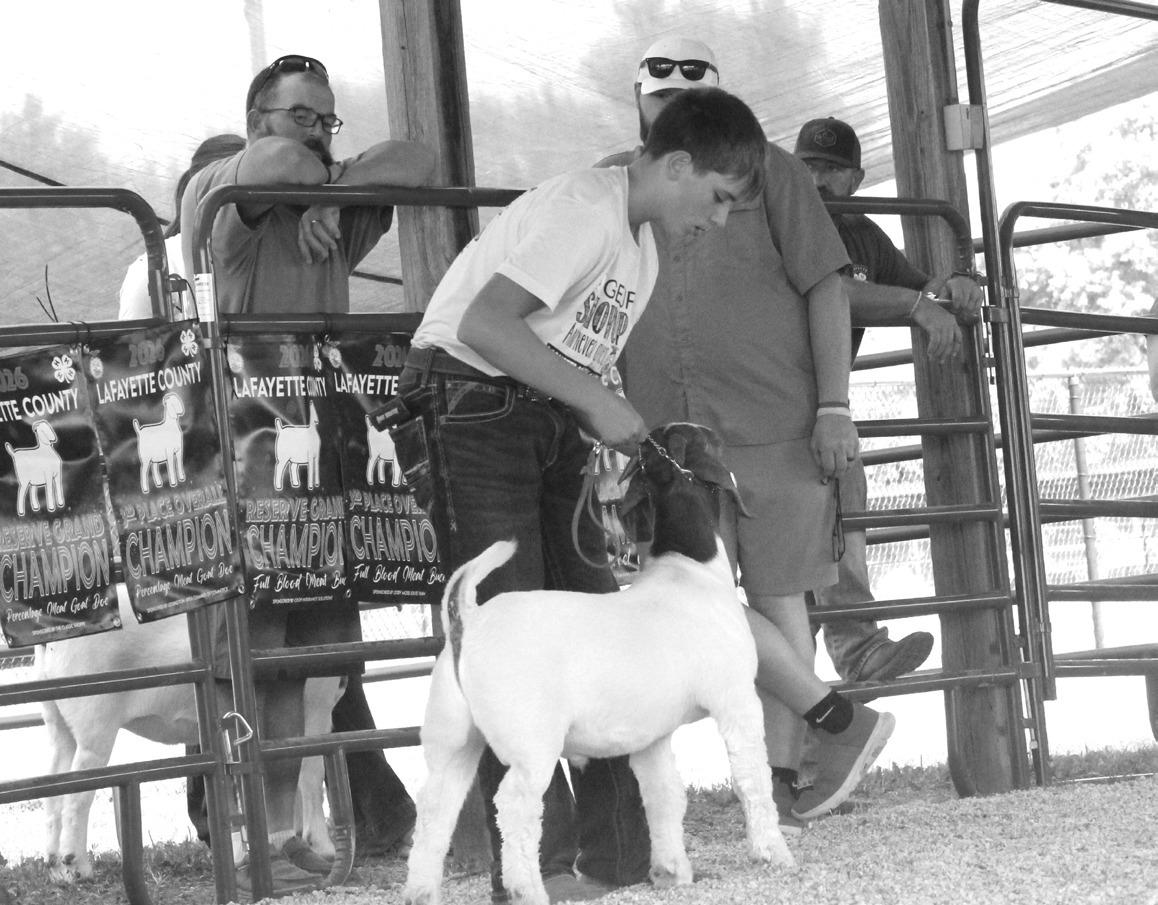
The psychological aspect of the show ring cannot be overstated for these young competitors. Facing a judge while controlling a strong animal requires intense focus and emotional stability under pressure. These skills translate directly into classroom performance and future career readiness in fields ranging from veterinary science to corporate logistics.
Social connections forged during these weeks last a lifetime, creating a support network that extends well beyond the fairgrounds. You are not just seeing a show; you are witnessing the birth of the next generation of food systems leaders. Many successful agricultural experts often trace their passion back to these formative moments in the show barn.
Essential Project Pillars
- Strategic animal nutrition planning
- Detailed health and vaccination records
- Professional-grade animal grooming techniques
- Effective public speaking and presentation
- Conflict resolution during competitive events
Data and Performance Metrics
Success in the show ring is rarely an accident; it is the result of thousands of hours of tracking data. The following table highlights the critical areas where participants invest their energy throughout the project cycle to ensure maximum potential on judging day.
| Project Metric | Impact Level | Goal |
|---|---|---|
| Record Keeping | High | Profitability Analysis |
| Nutrition Management | Critical | Optimal Growth |
| Showmanship | Moderate | Ring Presence |
Community Impact and Growth
The fairgrounds serve as the heartbeat of the community during the peak summer months. Beyond the ribbons and trophies, these events stimulate the local economy by drawing visitors who support local vendors and services. You can clearly see how a successful event elevates the pride of the entire Lafayette County region.
When you consider the costs of feed, vet bills, and transportation, the financial literacy gained is staggering. Participants must balance a budget, often seeking sponsorship from local businesses to cover their expenses. This is real-world entrepreneurship at its most authentic and demanding level.
Technological integration is changing how these youth prepare for the ring. From mobile apps that track daily weight gains to social media platforms used for marketing their animals, the digital age has reached the barn. You might be surprised at how data-driven the modern 4-H experience has truly become for participants today.
Sustainability is another theme woven into every project presented this year. These youth are learning how to produce high-quality protein while minimizing the environmental footprint of their livestock operations. They are the frontline workers in the future of sustainable food production, which makes their efforts nationally relevant.
Parents often remark that the show is the best teacher their children have ever had. The inevitable setbacks—a sick animal, a rainy day, or a tough judge—are handled with a grit that defines the Midwestern character. You are observing a training ground for future leaders in government, science, and community organization.
As these students move into adulthood, the lessons learned in the barn remain etched in their minds. Whether or not they pursue agriculture as a career, they leave the program as more capable and responsible citizens. Their time in the ring is a foundational investment in their collective future.
The Future of Agriculture
Looking ahead, the role of youth organizations in shaping food systems will only become more critical. As the global population grows, the need for individuals who understand animal biology and ethical management increases. You are watching these kids solve some of the world’s most complex challenges one animal at a time.
The evolution of livestock exhibition is just beginning to scratch the surface. Expect to see more focus on genetic transparency and welfare-centered practices in coming years. The youth involved today are setting the benchmarks that the rest of the industry will follow for decades to come.
The dedication shown by these individuals is a beacon of hope in an often uncertain world. If you want to see the best of what youth can achieve, look no further than the local livestock barn. They are the unsung heroes of the community, quietly working to make our world better.
By fostering a deep appreciation for hard work and integrity, these organizations ensure that excellence is passed down to the next generation. It is not just about the ribbon, but about the transformation that happens during the process. This is the real reward for every participant involved in the event.
Final Thoughts on Excellence
The impact of this program on our youth is immeasurable and continues to produce high-quality results. Your involvement and support for these members foster a stronger, more capable future for the entire region. The Goat Show remains a shining example of how traditional values can lead to modern success, consistently proving that when youth are given the tools, they will achieve greatness.
More Like This
For more updates, check out our latest entertainment and sports news.