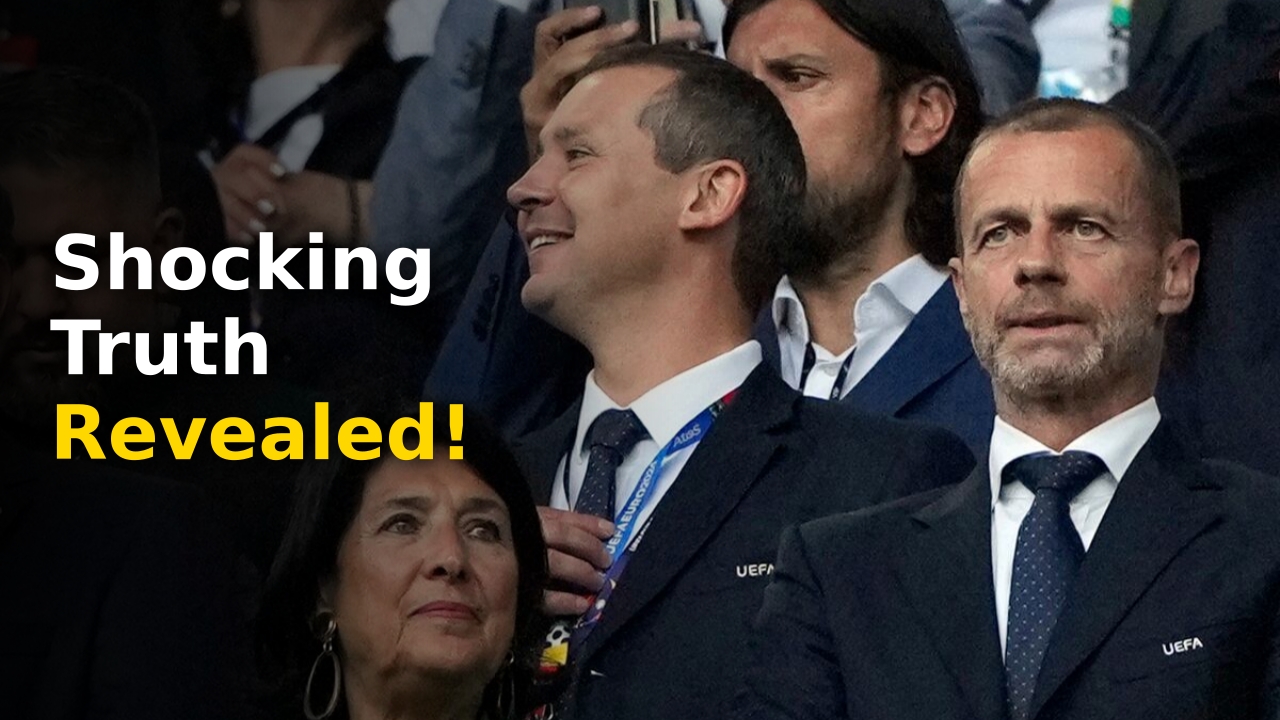
FIFA Fallout has reached a boiling point as the organization’s chief operating officer, Kevin Lamour, has officially stepped down from his post. You are witnessing a massive power struggle at the heart of global soccer as the fallout from Gianni Infantino’s controversial World Cup plans continues to tear the governing body apart.
The departure of Kevin Lamour from his office in Zurich comes only weeks after he publicly accused Gianni Infantino of deceiving staff. As the clock ticks toward the reelection deadline, you have to ask yourself if the organization can recover from this systemic lack of transparency.
The FIFA Fallout Power Struggle
The resignation of Kevin Lamour was not a quiet affair, but rather the culmination of months of simmering tension within the halls of FIFA. By choosing to walk away, Lamour has drawn a line in the sand, forcing the public to question the inner workings of an organization that controls the world’s most popular sport. His departure mirrors the exit of Carlos Cordeiro, the senior adviser who famously labeled the $20 billion proposal a bad deal for football.
When Infantino launched the FIFA Forward Enterprise proposal, he likely expected smooth sailing toward his next term. Instead, he triggered a firestorm that has alienated key allies across multiple continents. The sheer scale of the backlash suggests that the internal culture at FIFA is experiencing a fundamental shift. You are seeing a classic example of an institution struggling to balance commercial interests with the core values of the sport.
The timing of this resignation is particularly damning for Infantino, who remains under intense pressure to explain his vision to the national federations. With UEFA threatening a complete boycott of future events, the stakes for the upcoming 2026 election have never been higher. Every move made by the president now is scrutinized by global media and skeptical stakeholders who demand accountability.

This is not just about one official leaving a high-paying job; it represents a broader crisis of confidence in the current leadership. Many insiders suggest that the $20 billion sell-off plan was merely the catalyst for deeper resentment among long-term staff. When you strip away the corporate jargon, you are left with a leadership team that appears disconnected from the very federations that make the World Cup possible.
While Infantino maintains that he has support from specific regions, such as the six Arab federations that recently voiced their loyalty, the cracks are widening. The open letter from the heads of three major confederations, citing a fundamental breach of trust, serves as a formal warning that the current path is unsustainable. Will this lead to a contested election, or will the status quo prevail despite the growing unrest?
If you have followed the developments reported by Reuters, you know that the influence of private equity in sports is often met with resistance from traditionalists. The clash between profit-driven expansion and sporting legacy is a battleground that will define the future of football. Stay tuned to Bright Celebrity for more updates on how this power dynamic shifts in the coming months.
Key Departure Details
- Kevin Lamour served as Chief Operating Officer for two years.
- His exit was confirmed via a brief statement by a FIFA spokesperson.
- Carlos Cordeiro, senior adviser, resigned on the same day.
- No official replacement has been announced as of this week.
Data and Financial Impact Analysis
The financial implications of the scrapped $20 billion project are immense. This table outlines the key players and their current standing regarding the proposed reforms, showing why the FIFA Fallout has created such a significant rift in the sporting world.
| Entity | Stance on Plan | Impact Rating |
|---|---|---|
| UEFA | Opposition / Boycott Threat | High |
| Arab Federations | Full Support | Moderate |
| Continental Heads | Breach of Trust Allegation | Critical |

Future of Global Football Leadership
As we look toward the Nov. 18 deadline, the question remains whether a challenger will emerge to test Infantino. The political landscape of soccer is notoriously opaque, yet the recent resignations make it clear that the inner circle is not as united as it once seemed. For you as a fan, this means the governing structure of the games you watch is undergoing a forced, painful evolution.
The role of Kevin Lamour was pivotal in managing the day-to-day operations of the governing body. His absence leaves a power vacuum that Infantino must fill quickly if he hopes to restore a sense of normalcy before the reelection. If he fails to address the accusations of deception, his path to an unopposed victory will be anything but guaranteed.
We have seen similar crises in the history of international sports, where individual leaders lose the support of the regional bodies. The trajectory of this conflict suggests that FIFA may face a period of instability that extends well into the next World Cup cycle. Whether or not you support the current regime, the level of scrutiny being applied is objectively unprecedented for the current administration.
The involvement of private equity funds in the future of the World Cup remains a hot-button issue. While the $20 billion plan was withdrawn, the underlying demand for capital suggests that this issue will return in a different form. How leadership handles this tension will ultimately determine their legitimacy in the eyes of the global footballing community.
With the 2026 election looming, the pressure on Gianni Infantino is mounting by the day. Every public statement from now until November will be analyzed for signs of weakness or strength. As the FIFA Fallout continues to make headlines, you are seeing the true price of ambition in the highest echelons of professional sports.
Final Thoughts on Organizational Change
To summarize, the departure of Kevin Lamour is a symptom of a deeper fracture within the organization. By forcing a dialogue on transparency and the future of commercial rights, these events have changed the narrative for the upcoming election. The FIFA Fallout will likely be remembered as the moment the governing body was forced to account for its internal culture and strategic direction.
As you continue to follow this developing story, remember that the future of sports governance depends on the balance between financial growth and the voices of those who represent the game on the ground. Whether this leads to a new era of leadership or a solidification of the current president’s power remains to be seen. Keep watching, as the stakes remain incredibly high for everyone involved in international soccer.
More Like This
For more updates, check out our latest entertainment and sports news.