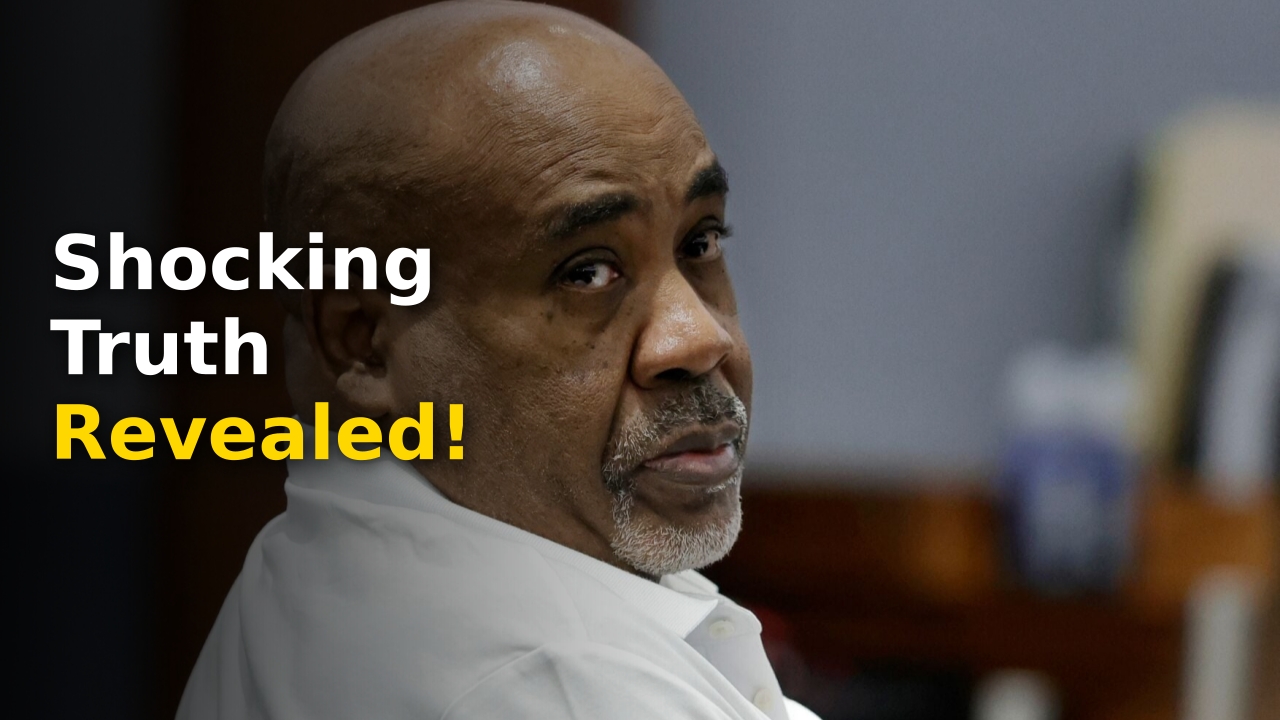
Tupac Shakur remains an enigma three decades after his death, but the latest courtroom drama has brought us closer to the truth than ever before. The Tupac Shakur murder trial involving Duane “Keffe D” Davis has ignited a fierce battle between cold facts and decades-old fiction. You are witnessing the most significant legal reckoning in hip-hop history as prosecutors finally attempt to close the book on the 1996 Las Vegas shooting that claimed a cultural icon.
As the trial unfolds at the Clark County District Court Regional Justice Center, the air is thick with accusations of lies, unreliable memories, and deep-seated conspiracies. For years, the legend of Tupac grew through myth and rumor; now, the judicial system is stripping away the veneer to expose the raw, uncomfortable reality of that fateful night in September 1996. Whether you are a long-time fan or a true-crime enthusiast, the details emerging from this courtroom are impossible to ignore.
The Tupac Shakur Case Origins
The prosecution’s opening statement laid out a narrative that points directly toward Duane Davis as the mastermind behind the retaliatory hit on Tupac Shakur. Prosecutors argue that the shooting was not a random act of violence, but a calculated revenge mission triggered by the beating of Orlando “Baby Lane” Anderson at the MGM Grand. This connection provides a motive that has been debated by internet sleuths for years, yet now holds the weight of formal evidence.
You must consider the sheer gravity of this claim. The state alleges that Davis, who has famously lived a life that kept him in the limelight, was the one who planned the logistics of the drive-by shooting. By using his own memoir, Compton Street Legend, and various taped interviews as key evidence, the prosecution is essentially using the defendant’s own words against him. It is a bold, high-stakes legal strategy that hinges on Davis’s inability to stop talking about his involvement over the last 30 years.
The defense, led by attorney Michael Sanft, has countered this narrative with aggressive skepticism. Sanft characterizes the prosecution’s case as a work of fiction, suggesting that Duane Davis was nothing more than a braggart who embellished his life to maintain his reputation on the streets. By painting his client as a man full of, in his own words, “crap,” the defense is attempting to devalue every admission Davis ever made to law enforcement or in his book.
This clash of narratives is not just about the guilt or innocence of one man; it is a battle for the legacy of an American icon. As the witnesses take the stand, including former police officers and bystanders who were present that night, the fragile nature of memory after 30 years becomes a central theme. You can see the frustration on the faces of family members, such as Maurice “Mopreme” Shakur, who have waited a lifetime for this moment of potential justice.
The cultural impact of this case cannot be overstated. Tupac Shakur continues to influence generations of artists, and his death left a void that has never truly been filled. The hip-hop community, which has long felt that justice was bypassed, is watching this trial with a mixture of hope and intense cynicism. For more updates on the intersection of celebrity and law, check out the latest reports from Bright Celebrity.

The logistical challenges of this trial are immense. With 35 to 45 witnesses expected to testify, the court is dealing with a web of half-remembered conversations and missing documentation from the original investigation. The distrust between various police departments involved in the 1996 and 1997 investigations—including the link to the Notorious B.I.G. shooting—continues to muddy the waters for the jury.
Key Trial Observations
- Witness Reliability: The 30-year gap makes accurate recollection of the events at the MGM Grand and the subsequent drive-by shooting nearly impossible for some witnesses.
- Documentary Evidence: The prosecution heavily relies on Davis’s 2019 memoir, which the defense is fighting to keep out of the minds of the jury.
- Police Testimony: Retired officers are struggling to reconcile their initial observations with the current legal theories presented by the District Attorney.
- The “Snitches” Culture: Bystanders who were present that night express a lingering fear of retaliation, proving that the “no snitching” code still impacts the courtroom.
Key Evidence And Witness Statistics
The scale of the prosecution’s case is vast, involving decades of investigative work. The following table highlights the critical components of the trial evidence currently being presented to the jury at the Regional Justice Center.
| Evidence Category | Significance | Status |
|---|---|---|
| Davis Memoir | Confessional Narrative | Contested |
| Audio Interviews | Direct Admissions | Admissible |
| Witness Count | Total Witnesses | 35-45 |
| Potential Sentence | Life Imprisonment | Pending Verdict |
The Emotional Impact
You cannot look at the trial without acknowledging the human element. The presence of Tupac Shakur‘s family in the gallery serves as a somber reminder that behind the headlines and the celebrity status, a young man was gunned down in his prime. Every time the audio of Duane Davis speaking about the shooting is played, the family is forced to relive the most painful chapter of their lives.
Witnesses like Ingrid Stokes, who were simply in the wrong place at the wrong time, bring a harrowing perspective to the courtroom. Her testimony regarding the fear of retribution from law enforcement and street associates highlights the pervasive atmosphere of intimidation that has persisted for decades. You can see how this trauma remains fresh, even 30 years later.
The defense’s strategy of dismissing the prosecution’s claims as “fiction” has drawn ire, yet it is a calculated gamble. By casting doubt on the police work and the original investigations, they hope to create just enough reasonable doubt to keep Duane Davis from spending the rest of his life behind bars. It is a high-stakes chess match where the board is littered with broken memories and fragmented truths.
Looking forward, the month-long trial will likely be a rollercoaster of shocking testimony and procedural battles. The legal system is attempting to do something that most believed was impossible: bringing someone to justice for a crime that felt like it had been permanently filed away in the “cold case” archives. Whether or not the prosecution succeeds, the trial itself is rewriting the narrative of one of music’s most tragic deaths.
It is worth noting that for many, the truth is already known, even if it hasn’t been legally established. You are witnessing a transition from street legend to judicial record, a process that is rarely clean or satisfying. Every day in court brings new light to the shadows of 1996, and the jury’s final decision will undoubtedly be one of the most scrutinized outcomes in modern criminal history.
Reflecting on the Truth
In the final analysis, the Tupac Shakur case is a testament to the persistent nature of truth. Despite the best efforts of time to erode the details of the crime, the legal system is finally demanding an accounting. Whether the jury finds the evidence sufficient to convict Duane Davis remains to be seen, but the process itself has already achieved something momentous: it has brought the reality of the tragedy back into the public eye.
As you watch the trial conclude, remember that the goal is not just a conviction, but a closure that the family and fans have been denied for decades. For more detailed accounts of the proceedings, visit Reuters for updates on the legal developments as they happen. Justice, however flawed or overdue, is finally having its day in court.
The Tupac Shakur legacy is safe, but the truth surrounding his final moments is still being written in the halls of the Regional Justice Center. Keep your eyes on the proceedings, because the final verdict will mark the end of an era in American culture. We are, at long last, reaching the truth behind the Tupac Shakur tragedy.
More Like This
For more updates, check out our latest entertainment and sports news.