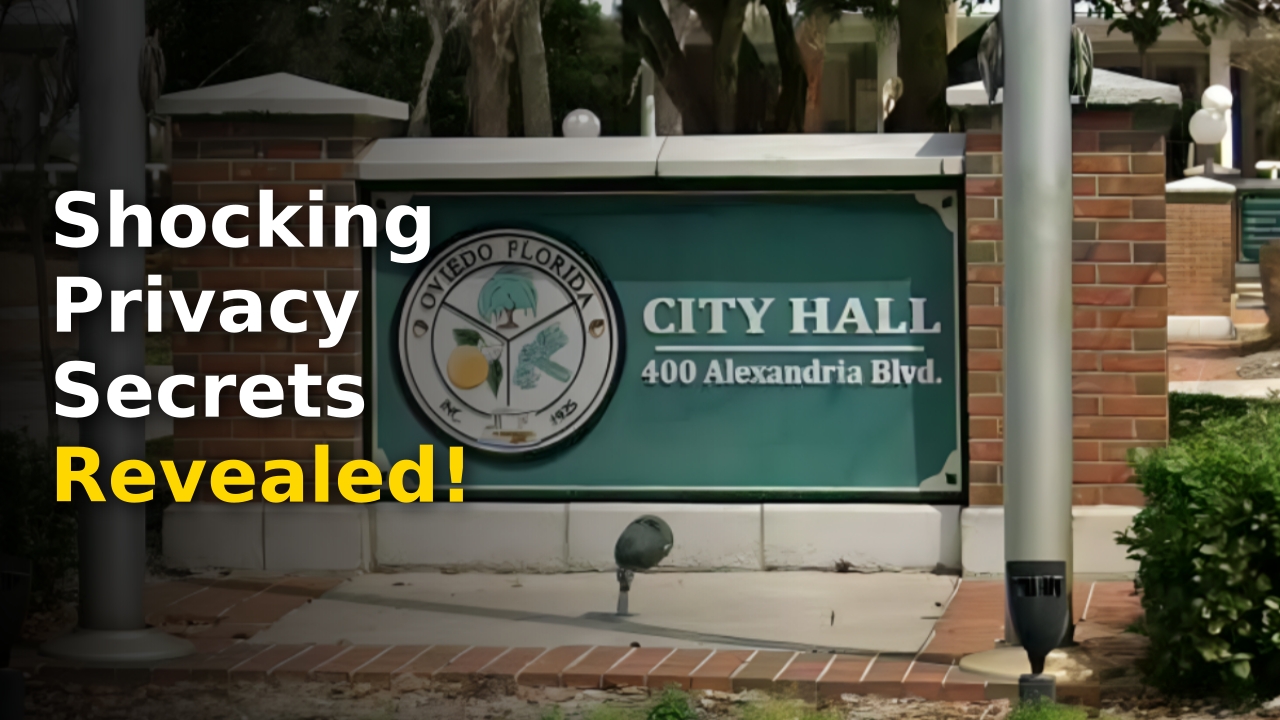
Flock Cameras are currently at the center of a heated legal storm in Florida that could change how you move around your own neighborhood forever. You might think your morning commute or late-night grocery run is a private affair, but the Oviedo City Council is currently debating whether your every move should be recorded, indexed, and stored in a digital database. This isn’t science fiction; it is a real-world clash between public safety and the Fourth Amendment rights you hold dear.
Residents in Oviedo are making their voices heard, and the message is loud and clear: privacy is not for sale. The council is revisiting the use of these automated license plate readers (ALPR) after a massive wave of public pushback. As the technology evolves, the line between helpful policing and a dystopian surveillance state becomes thinner than ever. You deserve to know how your data is being handled and who has the keys to your travel history.
Flock Cameras Privacy War
The core of the controversy surrounding Flock Cameras stems from the sheer scale of the data they collect every single second of the day. These devices don’t just look for criminals; they capture every vehicle that passes through their field of vision, regardless of whether a crime has been committed. This ‘dragnet’ style of surveillance is what has civil liberties advocates in Florida sounding the alarm. They argue that tracking law-abiding citizens without reasonable suspicion is a direct violation of constitutional protections.
Law enforcement officials often argue that these tools are essential for solving ‘cold cases’ and identifying stolen vehicles in real-time. However, the Oviedo community is asking a much tougher question: at what cost does this safety come? When you realize that Flock Safety, the company behind the tech, maintains a massive private database, the scope of the issue becomes truly staggering. This isn’t just about one city; it’s about a nationwide network of interconnected eyes watching your every turn.
The Constitutional Crisis
The Fourth Amendment to the United States Constitution is designed to protect you from unreasonable searches and seizures. Legal experts in August 2026 are now debating if the constant tracking of a vehicle’s movements constitutes a search. If the government can track where you go, who you visit, and where you sleep without a warrant, many argue the constitution is being ignored for the sake of convenience.
Critics point to the fact that Flock Cameras allow for retroactive searching. This means the police can look back weeks or months to see where you were at any given time. This ‘time machine’ for surveillance is exactly what the founding fathers wanted to prevent when they established privacy protections. You are essentially being followed by a digital shadow every time you leave your driveway.
The Data Retention Trap
- Data is often stored for 30 days or more, even for citizens with zero criminal record.
- Private companies like Flock Safety manage the servers, raising concerns about third-party data breaches.
- Inter-agency sharing allows multiple police departments to track a single vehicle across state lines.
- There is often a lack of transparency regarding who exactly has access to the login credentials.
Why Oviedo Residents Fume
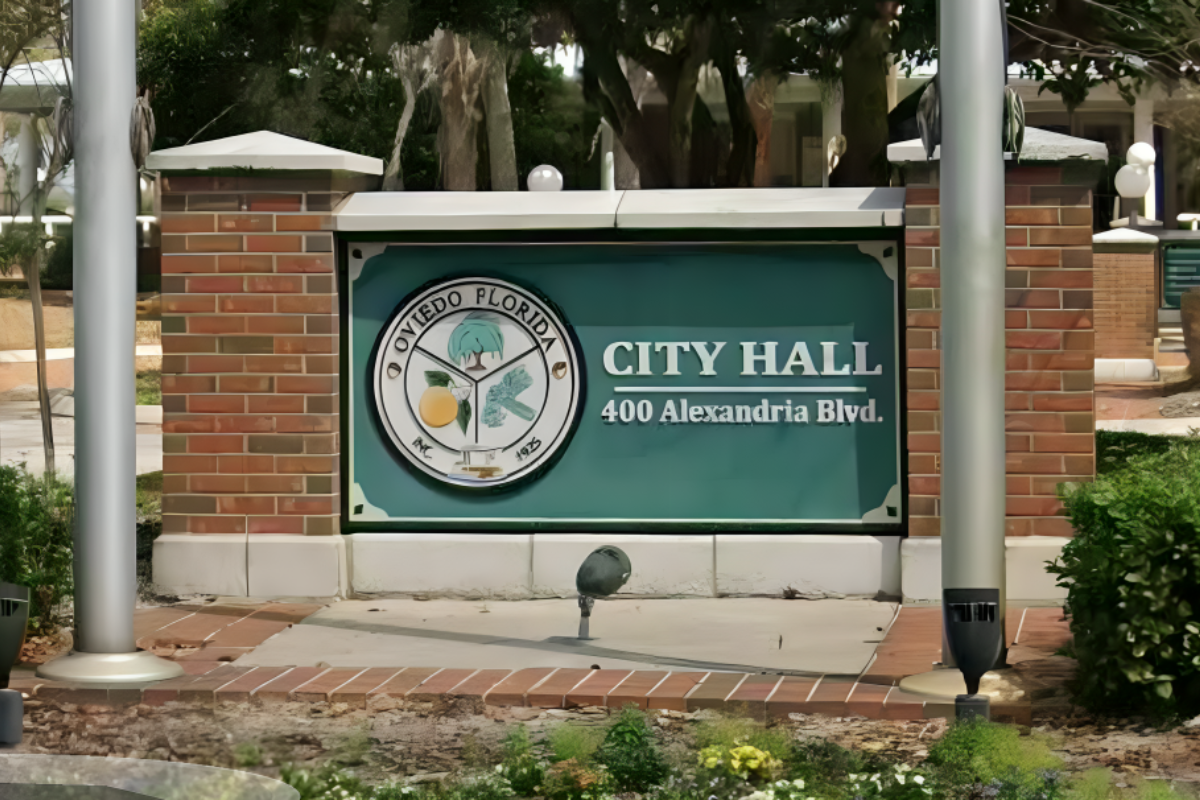
The residents of Oviedo are not just concerned about the abstract concept of privacy; they are worried about the tangible impact on their daily lives. Many feel that the Oviedo City Council implemented the program without sufficient public input. When the ‘eyes in the sky’ appeared on local intersections, the community reaction was swift and filled with skepticism. You can’t ignore the feeling of being watched when high-tech sensors are bolted to every major light pole.
Local activists have highlighted that these cameras create a ‘perpetual surveillance’ environment that discourages free movement. If you know you are being tracked, you might change your behavior, which is a subtle but powerful form of social control. As reported by the leading source for lifestyle and star news at Bright Celebrity, even high-profile figures are becoming increasingly wary of how their movements are tracked in public spaces. The desire for anonymity is a universal human trait that technology is slowly eroding.
Real-Time Surveillance Risks
The real-time nature of Flock Cameras means that an ‘alert’ can be triggered the moment a flagged plate is spotted. While this sounds great for catching car thieves, the margin for error is a major concern. ‘False positives’ have led to innocent people being pulled over at gunpoint in other jurisdictions across the United States. Imagine being treated like a dangerous felon simply because a computer misread a single letter on your license plate.
Furthermore, the Oviedo review is looking into the ‘VHI’ (Vehicle Fingerprint) technology used by Flock Safety. This tech doesn’t just read plates; it identifies unique vehicle features like roof racks, bumper stickers, and even dents. This level of detail makes it nearly impossible to ‘blend in’ or maintain any semblance of privacy on the road. Your car is no longer just a mode of transport; it’s a tracking beacon for the state.
Surveillance Impact Stats
To understand the scope of the Flock Cameras debate, we must look at the hard data collected from various municipal reviews. The following table highlights the tension between crime prevention metrics and privacy complaints reported by local watchdog groups. These figures represent the shifting landscape of suburban surveillance in the year 2026.
| Metric Category | Annual Growth | Public Sentiment |
|---|---|---|
| Camera Deployments | +45% | High Concern |
| Stolen Vehicle Recovery | +22% | Moderate Support |
| Privacy Lawsuits | +60% | Extreme Concern |
| Data Breaches (Global) | 12 Major Incidents | Critical Warning |
Future of Smart Cities
The push for Flock Cameras is part of a larger trend toward ‘Smart Cities’ where every piece of infrastructure is connected to the cloud. While this promises efficiency and safety, it also creates a massive vulnerability for the average citizen. If the Oviedo City Council decides to keep the program, it sets a precedent for other small towns in Florida to follow suit. You are witnessing the birth of a surveillance network that could eventually cover every square inch of the state.
As we move deeper into the decade, the integration of AI with Flock Cameras will only increase. Facial recognition and behavioral analysis are the next logical steps for these vendors. The cameras you see today are merely the foundation for a much more intrusive system tomorrow. It’s vital that the public stays informed and demands strict regulations before these ‘features’ are enabled without your knowledge.
Technological Evolution
The hardware inside Flock Cameras is significantly more advanced than the toll booth readers of the past. Using high-definition sensors and infrared night vision, these units can capture clear images in any weather condition. This means there is no hiding from the digital eye, regardless of the time of day or the visibility on the road. The technological leap is impressive, but it’s also terrifying for those who value their personal freedom.
Developers are also working on ‘audio detection’ features that could alert police to the sound of gunshots or even loud arguments. This expansion of the Flock Safety platform would turn license plate readers into a comprehensive audio-visual monitoring system. You have to ask yourself: where does the monitoring end? If the city council doesn’t draw a line now, the scope of surveillance will only continue to creep into every aspect of your life.
Policy Changes Ahead
One potential outcome of the Oviedo review is a strictly defined data retention policy. Many residents are demanding that data for vehicles not involved in a crime be deleted within 24 hours. Currently, the retention periods are much longer, which creates a goldmine of information for hackers or rogue employees. Transparency is the only way to build trust, and the council is under heavy pressure to provide it.
Another major policy shift involves ‘transparency portals’ where you can see exactly how many searches the police have performed using Flock Cameras. Accountability is key to preventing the abuse of power. Without these checks and balances, the potential for ‘stalking’ or unauthorized tracking by government employees remains a significant risk. The community is demanding that the watchers be watched themselves.
Flock Cameras Final Verdict
The decision facing the Oviedo City Council on Monday will echo far beyond the city limits of this Florida town. If they choose to limit or dismantle the Flock Cameras program, it will be a major victory for privacy advocates nationwide. However, if the program continues without major changes, it may signal the end of anonymous travel in the digital age. You have a stake in this fight because your data is what fuels the machine.
Ultimately, the battle over Flock Cameras is a test of our values. Do we value the potential for a slightly higher crime-solving rate more than our fundamental right to be left alone? The Fourth Amendment wasn’t written for the easy times; it was written to protect us from the very technology that now surrounds us. Stay vigilant, stay informed, and make sure your voice is heard before the cameras become a permanent fixture of your daily life.
As the debate concludes, the Oviedo residents remain the ultimate jury. The pressure on local officials is at an all-time high, and the world is watching to see how this small city handles a massive technological challenge. Whether you support the safety benefits or fear the privacy costs, the Flock Cameras controversy is a definitive moment in modern American history. The future of your privacy is being decided in a council chamber right now.
Law Enforcement Response Strategy
Law enforcement agencies across Florida are keeping a close eye on the Oviedo review. Many departments rely on Flock Cameras to act as a force multiplier, especially during staffing shortages. They argue that the cameras don’t have biases and simply report the facts of what they see. However, the software is only as good as the human who operates it, and that is where the danger lies.
The police department’s strategy often involves highlighting specific ‘wins’ where the cameras helped catch a violent offender. While these stories are compelling, they don’t address the millions of innocent drivers who are tracked daily. The Oviedo City Council must weigh these individual success stories against the collective loss of privacy for the entire population. It is a balancing act that will define the next decade of local governance.
In the end, Flock Cameras represent a tool, and like any tool, they can be used for good or for overreach. The residents of Oviedo are making it clear that they will not accept overreach without a fight. As this story develops, one thing is certain: the conversation about surveillance in 2026 is just getting started. You are part of a generation that will decide exactly how much of your life you are willing to share with the state in exchange for a sense of security.
More Like This
For more updates, check out our latest entertainment and sports news.