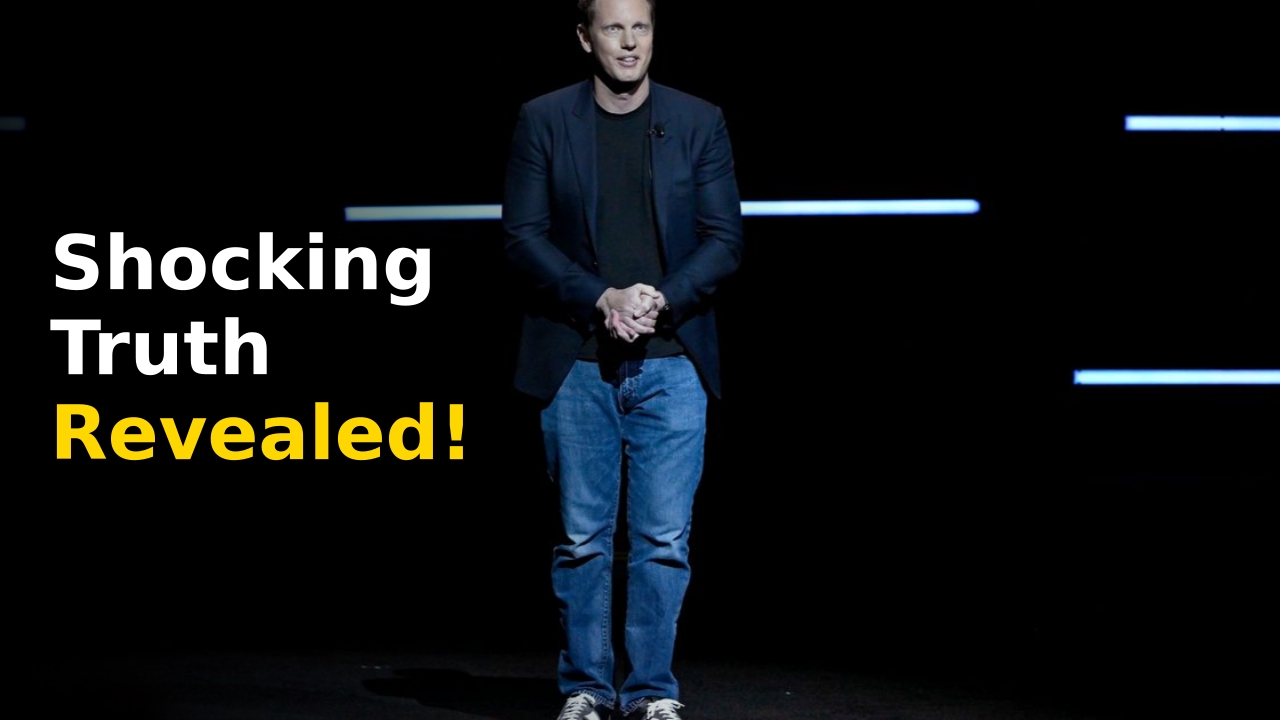
Desperate Measures are currently defining the tenure of David Ellison as he maneuvers through a high-stakes corporate chess match that threatens to dismantle the very foundations of the American entertainment industry. Have you ever wondered what happens when a billionaire decides that an entire state is his bargaining chip? You are watching a real-time crisis where Paramount and Skydance collide with California’s legal establishment in a way that could permanently scar the future of cinema.
As the walls close in on a potential Warner Bros. Discovery merger, the level of panic radiating from the C-suite has reached an all-time high. You might think this is just standard corporate posturing, but the threat to abandon the Golden State suggests a level of volatility rarely seen in the history of major studio leadership. This article explores the wreckage left behind by these bold, often reckless, attempts to dictate terms to state officials and regulatory bodies.
The Desperate Measures Behind The Merger
When you look at the recent timeline, it is clear that David Ellison is operating from a position of extreme deficit. The New York Times op-ed, intended to project a calm and reasonable image of a mogul protecting journalistic integrity, backfired spectacularly. It revealed a man scrambling for legitimacy while staring down the barrel of a major antitrust lawsuit led by Attorney General Rob Bonta.
The pivot from public charm offensive to aggressive threats—like the promise to relocate operations to Nashville, Atlanta, or Austin—was viewed by many industry insiders as a display of pure ‘Rich Kid Energy.’ You have to consider the audacity required to tell a state that has hosted your industry for a century that you are willing to burn it down if you don’t get your way. This is not just business; it feels personal.
The move to potentially sell the Melrose Avenue back lot is a massive signal of distress. Valued at roughly $4 billion, this asset is the heart of Paramount. Even floating the idea of such a sale creates a narrative that the company is effectively hollowing itself out to appease creditors and finalize the massive $110 billion transaction before the October 1 deadline.
Internal sources suggest that executives at Paramount are rightfully terrified of the logistics behind such an exodus. You cannot simply pick up a century of specialized labor and infrastructure and drop it into a red state without massive friction. The cost of building soundstages, relocating talent, and losing the ecosystem of specialized creative support in Los Angeles is nearly impossible to quantify.
The irony is not lost on the creative community. Ellison once positioned himself as the savior of cinema, the man who would stop the ‘tech overlords’ from ruining the big-screen experience. Now, he stands accused of trying to turn the most iconic creative hub in the world into a relic of the past, much like how the auto industry shifted away from Detroit.

Analysts at Lightshed have been vocal about the damage this PR campaign is doing. Instead of swaying the political establishment, these tactics have seemingly strengthened the hand of the Attorney General. By acting out, Ellison has effectively united opposition against him, making a clean regulatory path forward look increasingly like a pipe dream.
The Reality of The 30-Film Promise
- Catalog Dumping: The loophole allows for re-releases of classics like The Godfather to count toward the 30-film quota.
- Financial Penalties: A $10 million fine is essentially a rounding error for a merger of this magnitude.
- Marketing Voids: There is zero contractual obligation to ensure high-quality marketing budgets for these films.
- Time Constraints: The three-year promise only covers projects already in development.
Data and Financial Implications
The following table illustrates the stark reality of the financial pressures currently weighing on the deal, highlighting why Ellison is potentially forced to gamble with such extreme measures.
| Financial Metric | Value / Context |
|---|---|
| Total Deal Value | $110 Billion |
| Back Lot Sale Value | $4 Billion |
| Breach Penalty (Theatrical) | $10 Million |
| Penalty Percentage | 0.009% of Deal |
The Cultural Impact of The Exodus
Beyond the spreadsheets, the cultural fallout is where the real story lies. Hollywood is more than just a place to film; it is a specialized labor market built on decades of relationships. By threatening to leave, Ellison is effectively declaring war on the labor unions, including IATSE and the DGA. These organizations are the lifeblood of every production.
You must realize that while other states offer tax credits, they lack the concentration of talent required for high-end studio operations. For example, Reuters has noted that the competition for skilled crews is already fierce nationwide. Moving to a locale with a smaller talent pool during a peak in box-office performance, which reached $4 billion this summer, seems logically flawed.
The perception of Rich Kid Energy is not just a jab; it is a sentiment shared by studio heads who believe that Ellison is playing a game he does not fully understand. When you alienate the very people who need to believe in your vision to ensure the success of your films, you are setting yourself up for a long-term failure that no amount of cash can fix.

Is he serious, or is this the ultimate bluff? Many observers have pointed to Elon Musk and Larry Ellison, the CEO’s father, as examples of moguls who successfully relocated businesses. However, Paramount is a culture-based machine, not just an enterprise software company. The loss of the ‘spiritual’ home of the industry might be a bridge too far for the brand image.
Furthermore, the reliance on high-cost consulting and PR firms to fix this mess has only added to the perception of a man who is disconnected from the realities of his own industry. If he were truly interested in a settlement, he would be working through the night to build bridges with Bonta rather than burning them down with public threats.
Ultimately, the saga of David Ellison and these desperate measures will serve as a case study for future moguls. It highlights the dangers of prioritizing short-term financial engineering over the long-term health of creative partnerships. We are watching the potential dismantling of a legacy, and it remains to be seen if anything of value will remain once the dust settles.
Reflecting on a Reckless Future
When the final chapter of this merger is written, historians will point to these weeks as the inflection point where David Ellison chose to define his legacy by his willingness to break the machine. Whether or not he survives the antitrust firestorm, he has forever changed his standing in the creative capital of the world.
You have seen the data, the PR failures, and the cultural risks involved in these desperate measures. The question is not just whether he will win the merger, but whether he will still have a functional company to run if he does. Stay tuned to our updates as this narrative develops further.
More Like This
For more updates, check out our latest entertainment and sports news.