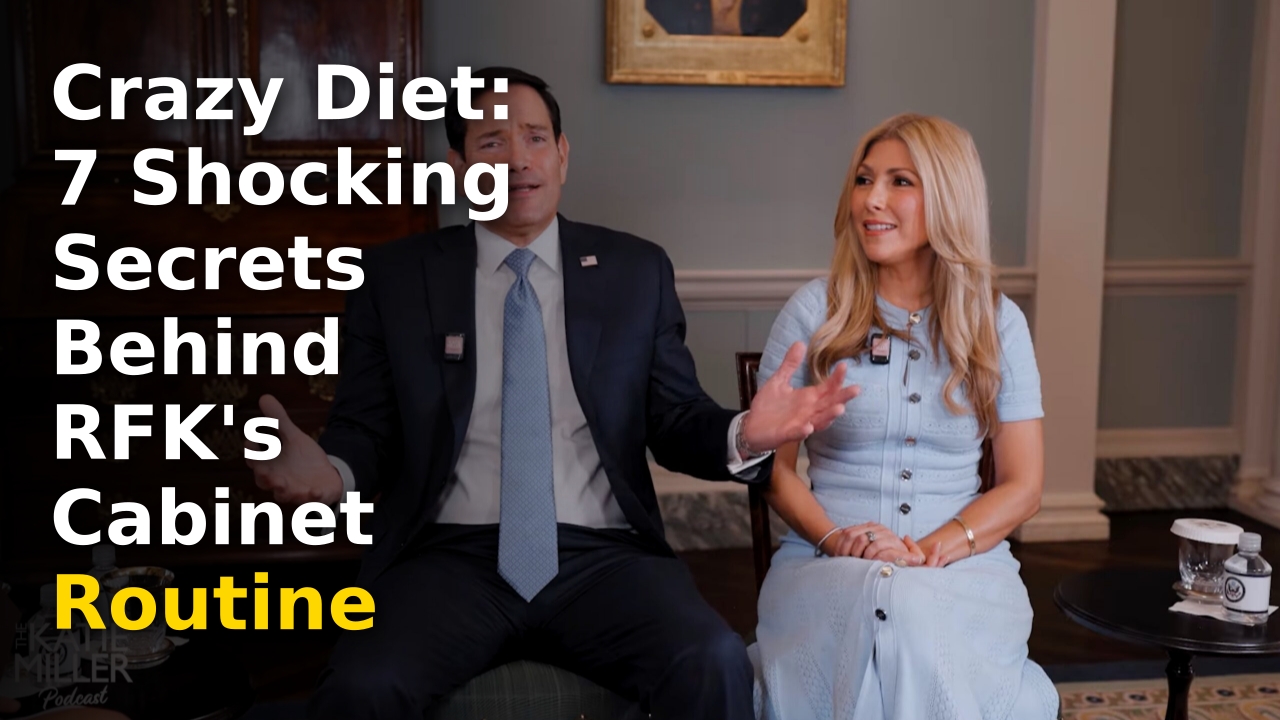
A crazy diet advocated by health crusade figurehead Robert F. Kennedy Jr. is officially causing a hilarious rift inside the highest halls of power in Washington, D.C. You might expect top cabinet members to seamlessly align on health initiatives, but executive dining tables tell a completely different story.
While several political insiders are eagerly swapping seed oils for bone broth, Secretary of State Marco Rubio is standing his ground with a completely different morning routine. Thanks to recent revelations from his wife, Jeanette Dousdebes Rubio, the world now knows that processed breakfast treats are winning the day inside their household.
The stark divide highlights a fascinating cultural battle playing out behind closed doors among modern political elites in 2026. From secret snack stashes to intense debates over raw milk, the personal habits of top leaders are taking center stage like never before.
Pop-Tarts Versus the Crazy Diet
When high-stakes international diplomacy meets strict nutritional guidelines, chaos is bound to follow. Marco Rubio has officially emerged as the ultimate political non-believer when it comes to adopting extreme fitness and nutrition regimens forced upon executive circles.
While key colleagues pledge allegiance to ultra-strict clean eating, the diplomat remains stubbornly devoted to iconic packaged snacks. His wife publicly revealed that the Secretary of State simply cannot give up his beloved Pop-Tarts, regardless of political peer pressure.
You can discover similar behind-the-scenes political secrets and updates by checking out exclusive celebrity lifestyle news updates daily. The contrast between high-level policy discussions and simple comfort food choices continues to captivate millions across the country.
The Ultimate Breakfast Showdown
- RFK Jr. Daily Protocol: Grass-fed tallow, unpasteurized raw dairy, organ meats, and zero refined sugars.
- Marco Rubio Daily Protocol: Hot coffee, quick packaged pastries, frosted Pop-Tarts, and classic American processed comfort foods.
- Cabinet Consensus: Highly divided between wellness purists and practical junk food loyalists.
The intense public debate over what fuels major decisions in Washington, D.C. proves that personal tastes always trump administrative agendas. Friends close to the family report that attempts to replace processed snacks with organic alternatives were shut down almost instantly.
Maintaining an international travel schedule demands quick energy, and packaged treats offer predictable convenience during high-stress hours. For leaders navigating multi-billion dollar diplomatic negotiations, simple dietary pleasures often serve as an essential mental reset.
This ongoing dynamic shows no signs of slowing down as political figures continue balancing public image with private indulgence. Comfort snacks remain deeply ingrained in American culture, even within elite administrative ranks.

Kennedy’s Extreme Nutritional Blueprint
Understanding the rift requires looking closer at the rigorous standards championed by RFK Jr. through his Make America Healthy Again initiative. His aggressive platform targets artificial dyes, ultra-processed preservatives, and industrial seed oils across the national food system.
Supporters of the movement insist that elite leadership must lead by example by consuming pristine, single-ingredient whole foods daily. However, implementing such hyper-strict standards across a diverse group of busy officials has proven notoriously difficult.
According to major media reports from Reuters, food industry regulations remain a primary legislative focus across capital committees. Yet, personal enforcement inside government breakrooms remains an entirely voluntary affair.
Inside the MAHA Movement
The core tenets of this radical wellness movement center on eliminating modern manufacturing additives entirely from executive kitchens. Proponents advocate for farm-to-table sourcing, high-protein ancestral meals, and strict daily intermittent fasting windows.
While fitness enthusiasts praise the intense dedication, traditional politicians often find the lifestyle far too rigid for unpredictable work schedules. Late-night legislative sessions and emergency international flights rarely accommodate fresh organic meal preparation.
As a result, a visible divide has formed between health zealots and practical eaters inside administrative quarters. The friction provides endless entertainment for staffers watching high-level figures navigate official luncheons.
Many aides admit to keeping hidden supplies of chips and candy bars for officials who privately reject raw organ meats. The daily friction demonstrates that even the most powerful figures struggle with modern dietary compliance.
Political Elite Daily Meal Breakdown
To fully grasp how drastically these administrative lifestyles differ, comparing daily caloric sources provides clear insight into political habits. The contrast between ultra-processed convenience and hyper-organic purity could not be more pronounced.
Financial estimates suggest that maintaining a pure, organic ancestral diet costs upwards of $15,000 annually per individual in major metro hubs. Meanwhile, classic packaged breakfast goods remain universally accessible and budget-friendly across every state.
| Official | Primary Stance | Go-To Breakfast | Key Motivation |
|---|---|---|---|
| RFK Jr. | Strict MAHA Organic | Raw Milk & Eggs | Longevity & Fitness |
| Marco Rubio | Traditional Fast Food | Frosted Pop-Tarts | Convenience & Speed |
| Standard Elite | Moderate Balance | Oatmeal & Coffee | Routine Maintenance |
The contrast outlined in the table highlights a fundamental clash between modern lifestyle trends and deeply rooted American consumption habits. Neither side appears ready to back down from their preferred choices anytime soon.
Public interest in these personal choices continues to soar as voters analyze the authenticity of their elected leaders. Eating choices have effectively transformed into subtle political statements in modern political discourse.
Rubio’s Unapologetic Snack Cravings
When Jeanette Dousdebes Rubio shared the funny truth during a recent interview in Miami, Florida, fans instantly applauded the relatable reveal. Her candid humor humanized the Secretary of State during an era dominated by carefully curated social media images.
She explained that while other administration members actively embrace the trendy crazy diet, her husband prefers classic American treats. His refusal to pretend to like wellness trends has resonated surprisingly well with mainstream voters.
Comfort Food in High Places
Every political era features iconic dietary quirks, from fast-food presidential banquets to classic jelly bean jars on executive desks. Relatability often wins over voters far more effectively than strict adherence to luxury health trends.
For diplomats traveling between multi-lateral summits, having familiar comfort foods provides a grounded connection to home. Trying to maintain complex meal prep routines while flying on government transport is virtually impossible.
Insiders note that Rubio’s staff frequently ensures his favorite pastry flavors are stocked in official vehicles before lengthy motorcades depart. The practical habit saves precious time during intense international briefing sessions.
Ultimately, personal comfort usually outweighs institutional ideology when long work hours take their toll on high-ranking leaders. Unapologetic authenticity often turns potential political vulnerabilities into genuine public charisma.
Future of Food Policy Debates
As health discussions intensify leading into late 2026, tension between government regulation and individual consumer choice will continue rising. Millions of voters closely watch whether leaders practice the exact dietary policies they publicly promote.
The debate over processed food additives, farm subsidies, and consumer freedom remains one of the fastest-growing political issues nationwide. Finding common ground between health activists and traditional consumers presents a complex challenge for lawmakers.
When prominent cabinet figures openly disagree on personal eating choices, it proves that national health standards are far from settled. Personal liberty when selecting breakfast options remains a cherished priority for citizens and politicians alike.
While wellness advocates will keep pushing for stricter national dietary guidelines, everyday convenience will always hold massive cultural sway. The friction between elite wellness trends and traditional preferences is set to define domestic policy debates for years.
Real Truth About Cabinet Diets
At the end of the day, political leaders are human beings driven by basic personal preferences and deeply ingrained daily habits. No matter how much political pressure surrounds adopting a viral crazy diet, personal taste buds will ultimately dictate real daily routines.
The lighthearted battle between raw milk enthusiasts and Pop-Tart loyalists offers a refreshing look into human dynamics behind historic policy decisions. It serves as an entertaining reminder that high-level politics involves real people with relatable everyday cravings.
As long as top officials face exhausting work schedules and high-pressure assignments, comfort snacks will retain their treasured place inside office desks. Expect the hilarious breakfast debate inside executive corridors to keep entertaining observers for a long time to come.
More Like This
For more updates, check out our latest entertainment and sports news.