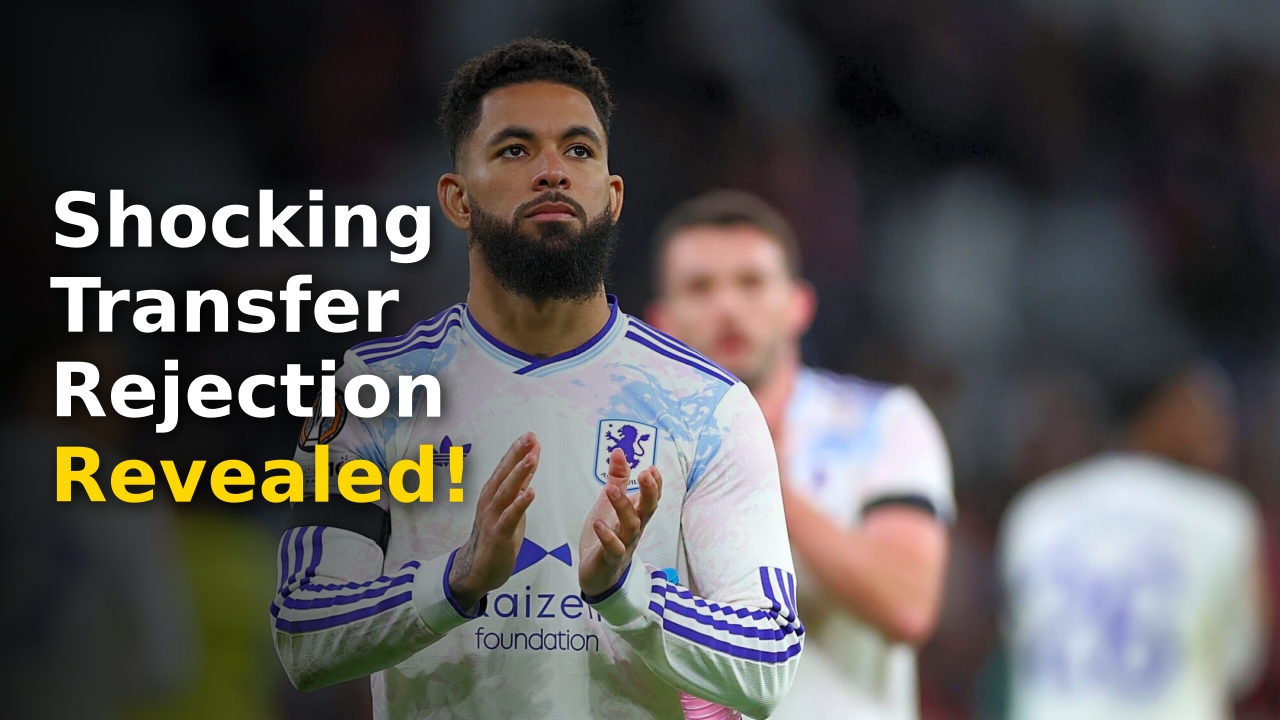
Douglas Luiz has officially delivered a reality check to the Premier League, with the Brazilian star choosing to snub a high-profile move to Merseyside this summer. You might be wondering why a player of such technical caliber would turn down a fresh start, but the decision reveals deeper concerns regarding his current career trajectory and physical longevity.
Everton’s pursuit of the 28-year-old midfielder was meant to signal a new era of ambition under David Moyes. Instead, the club is now facing a strategic crossroads that forces leadership to reconsider their heavy-spending approach in a market defined by inflated prices and injury risks.
Why Douglas Luiz Mattered
When you watch Douglas Luiz operate, it is impossible to ignore the sheer fluidity of his movement. He possesses the rare ability to transition the ball from defense to attack without skipping a beat, acting as the heartbeat of a side when he is fully fit.
His stint at Aston Villa, followed by a tactical role at Juventus, highlights a player who understands the nuances of top-tier football. Clubs value his 89% passing accuracy because it dictates the tempo of the entire match, ensuring that possession is never squandered under pressure.
However, the modern game requires more than just technical brilliance; it demands iron-clad availability. The 2025/26 season proved to be a nightmare for the midfielder, as recurring hamstring injuries limited his impact on the pitch. You cannot build a winning project around a centerpiece who spends more time in the medical room than on the grass.
Everton’s scouting department likely spent months analyzing his data, hoping that a change in environment would rejuvenate his physical reliability. The reality, however, is that betting €30 million on a player with a history of soft-tissue setbacks is a gamble that could derail a budget for years to come.
Perhaps the most fascinating element of this saga is the player’s own ambition. Despite a reported lack of clarity regarding his future in Turin, he remains fixated on proving his worth within the Juventus setup under manager Luciano Spalletti.

The Financial Risks Involved
Spending €30 million on a single midfielder is a massive financial commitment for any club outside the elite financial tier. When you add the high salary demands of an established star, the total cost of the deal quickly spirals into a figure that could have been used to sign two or three younger, more available talents.
Everton, much like any club operating under Profit and Sustainability Rules, must be meticulous with their spending. A player earning a top-tier wage while managing long-term recovery cycles is a luxury that few teams can justify in the current landscape of European football.
It is worth noting that the Premier League is a physically demanding league that leaves no room for players who lack full fitness. The sheer volume of matches, from the FA Cup to the rigorous Premier League schedule, requires a squad depth that relies on athletes who can handle heavy rotation.
If you look at the recent success stories in the league, you see clubs identifying value in undervalued markets. By scouting talent from Ligue 1 or the Championship, teams are finding athletic, hungry players who are desperate to make their mark on the biggest stage. This model of recruitment often pays higher dividends than chasing older, established names with high price tags.
Furthermore, the loan-to-buy market remains an underutilized tool that allows clubs to test a player’s commitment and fitness before committing to a permanent deal. It allows the club to mitigate risk while keeping the door open for a high-reward acquisition later on.
For those tracking these high-stakes negotiations, you can learn more about the evolving strategies of top teams through resources like Bright Celebrity, which tracks the intersection of sports performance and market value.
Comparing The Midfield Options
- Ligue 1 Targets: Often cheaper with higher athletic ceilings.
- Championship Gems: Proven durability and high work rates.
- Loan-to-Buy: Reduces financial exposure significantly.
- Established Stars: Higher injury risk and massive wage burdens.
Statistical Reality Check
Data tells a story that sentiment often hides. In the world of high-stakes football, the numbers behind a signing determine whether a move is a masterstroke or a disaster. The following table breaks down the factors that made the potential deal for the midfielder such a polarizing topic among analysts.
| Category | Metric Detail |
|---|---|
| Market Valuation | €30 Million Base Fee |
| 2025/26 League Minutes | Under 1,000 Minutes |
| Primary Concern | Recurring Hamstring Issues |
| Passing Accuracy | 89% Efficiency Rate |
| Key League Experience | Premier League & Europa League |
As highlighted in various reports, including insights from Reuters, the economics of football transfers have shifted drastically. Clubs are no longer just paying for talent; they are paying for certainty. When a player fails to clear the 1,000-minute mark in a season, their value proposition drops significantly, regardless of their past performance levels.
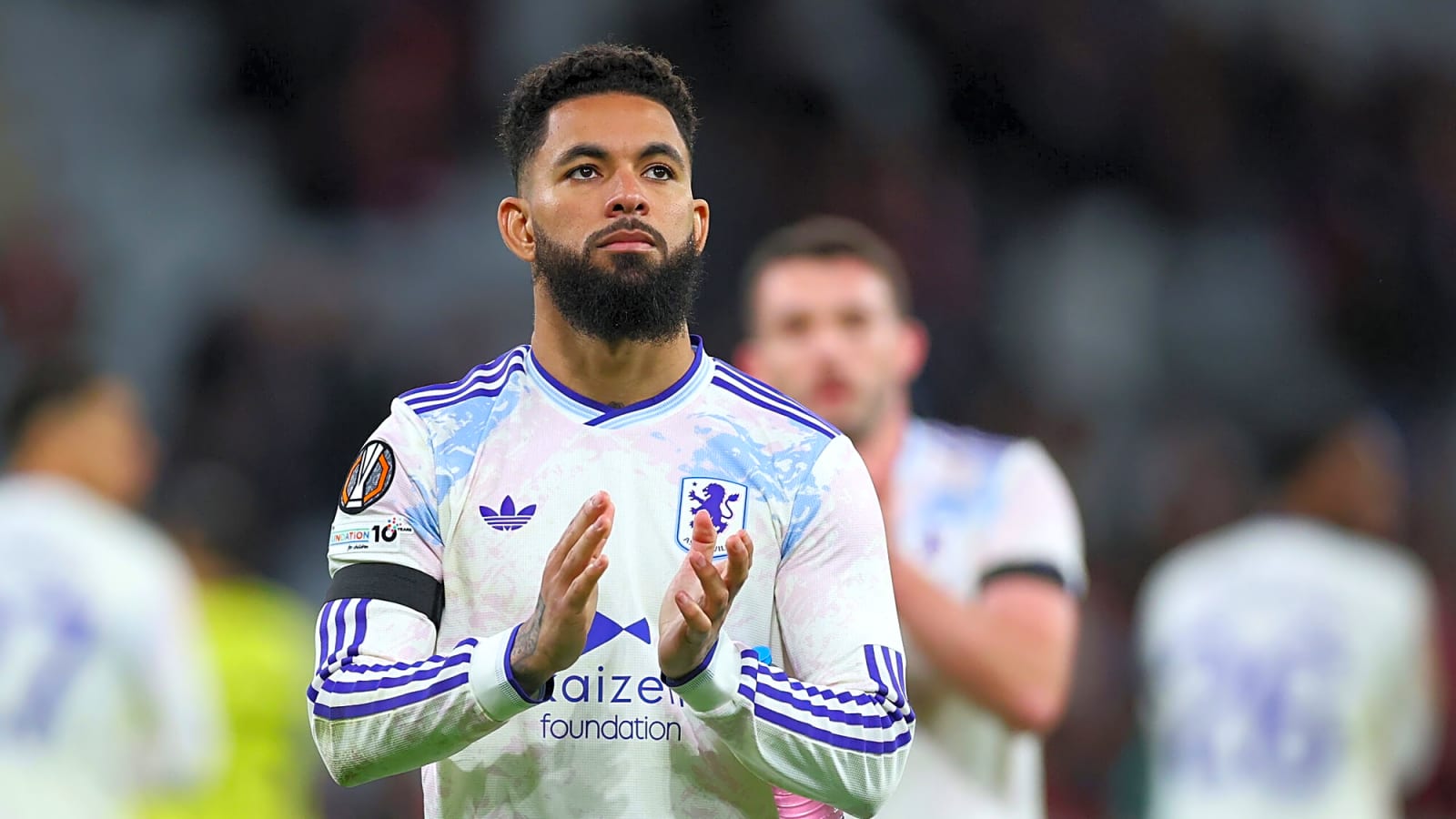
Moyes and the Midfield Crisis
The tactical frustration at Everton during the previous campaign was palpable. Without a genuine engine room, the team often lacked the drive required to transition from defense to attack. James Garner worked tirelessly to bridge that gap, but he was frequently left isolated, struggling to find runners who could complement his vision.
You could see the lack of physical authority in the center of the pitch during almost every match. Opponents often pushed through the middle with minimal resistance, exposing a defense that was left to deal with wave after wave of pressure. It is clear that the squad needs reinforcements, but those reinforcements must be players who can handle the physical toll of 38 league games.
Instead of chasing a name that carries heavy baggage, Everton should focus on building a core of players who are hungry and available. The culture of the club depends on signing individuals who want to be at Goodison Park, fighting for every ball, rather than those who might treat the move as a final payday.
There is a lesson here for the fans: patience is a virtue in the transfer market. While it is natural to want a marquee signing to boost morale, true success comes from the careful assembly of a squad that can maintain consistency throughout the long winter months of the season.
Building for the Future
Looking ahead, the focus must be on sustainable growth. The departure from the Douglas Luiz pursuit is not a loss; it is an admission that the club is finally prioritizing long-term health over short-term headlines. By choosing to walk away, the club has signaled to the market that they will not be taken for a ride by inflated fees.
You should expect the scouting team to pivot toward players who fit a more specific profile: high intensity, high availability, and reasonable salary structures. The market is deep, and there are hidden gems across Europe waiting to be discovered by a club that knows exactly what they are looking for.
In the end, Everton’s goal remains to reclaim their spot among the respectable sides of the Premier League. This requires discipline, and walking away from a high-risk transfer like Douglas Luiz is the first step in showing that the club has learned from its past mistakes.
Whether they sign a young prospect from a lower division or find an experienced leader who has been overlooked, the key will be to avoid the trap of the ‘expensive gamble.’ The future of the club depends on the decisions made in the next few weeks, and for the first time in a while, it feels like the right decisions are finally being prioritized over the loud, chaotic rumors that dominate every summer window.
More Like This
For more updates, check out our latest entertainment and sports news.