Key Takeaways
| The 1958 Berkeley Sports SE328 has been under single-family ownership since 2002. |
| This rare British microcar features a lightweight fiberglass body and a 328cc Excelsior engine. |
| The current auction is held at no reserve, offering a unique opportunity for vintage collectors. |
| Mechanically, the vehicle requires significant servicing, including clutch and carburetor adjustments. |
| The car includes original spare parts, side curtains, and essential manufacturer literature. |
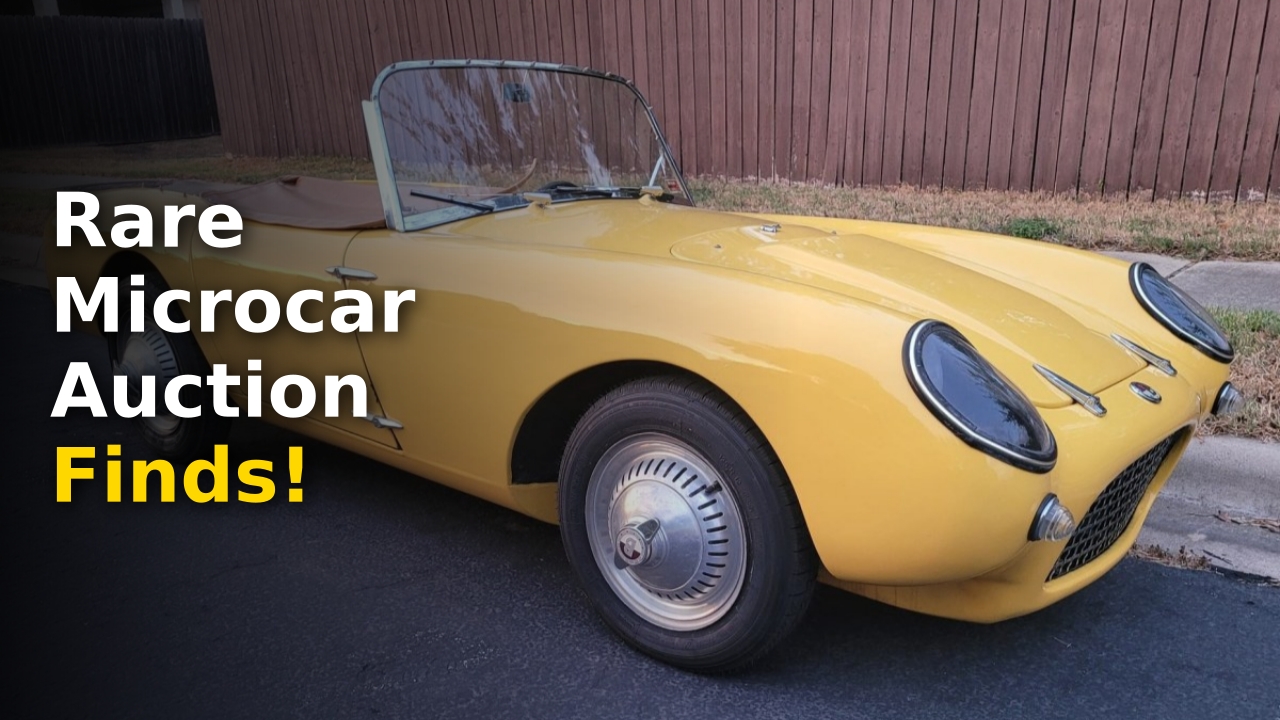
The 1958 Berkeley Sports SE328 has emerged as a high-stakes project for vintage microcar enthusiasts, currently hitting the auction block at no reserve after 24 years of single-family stewardship. You are looking at a rare piece of British automotive history that, while currently non-operational in regular usage, presents a compelling canvas for a dedicated restoration specialist. This specific Berkeley Sports SE328 example was acquired by the late owner in 2002 and is now being offered through an estate sale, complete with a Texas title and an array of spare parts.
For those unfamiliar with the brand, the Berkeley name is synonymous with the late 1950s microcar boom, blending motorcycle-derived power with innovative chassis design. Collaborations between Lawrie Bond and Berkeley Coachworks resulted in machines that punched well above their weight class in terms of visual appeal. This specific unit features the iconic yellow-finished fiberglass body, reinforced with distinct aluminum sections, providing a glimpse into the manufacturing ethos of the era.
Analyzing the 1958 Berkeley Sports SE328 Project

Restoring a 1958 Berkeley Sports SE328 is not for the faint of heart, but the reward is a vehicle with immense character. The powertrain consists of a 328cc air-cooled two-stroke Excelsior twin engine, a hallmark of mid-century British ingenuity. While factory-rated at 18 horsepower, the true charm of this vehicle lies in its front-wheel-drive dynamics and incredibly lightweight footprint. The current state of the vehicle—notably the inoperative reverse gear and the need for carburetor tuning—highlights the reality of maintaining 68-year-old engineering.
The cabin serves as a portal to 1950s design, featuring a gated sequential shifter and a simple, yet elegant, bench seat trimmed in brown upholstery. The dashboard houses period-correct gauges, though the fuel-level and speedometer units are currently non-functional. For collectors interested in the mechanical nuances, the four-wheel independent suspension remains a highlight, even if the front suspension showed signs of wear during a 2006 inspection. You can find detailed historical analysis on how these microcars perform on the Wikipedia profile for Berkeley Cars.
Restoration Challenges and Opportunities
- The fiberglass body requires minor cosmetic work due to previous overspray and worn exterior components.
- The Excelsior twin-cylinder engine will require a complete overhaul of the Amal carburetors.
- The drivetrain, specifically the chain-driven manual gearbox, necessitates professional inspection.
- Finding rare trim pieces is mitigated by the included spare parts and original literature.
Comparative Analysis of Microcar Auction Values
| Vehicle Model | Year | Market Status |
|---|---|---|
| Berkeley Sports SE328 | 1958 | No Reserve Auction |
| Bond Minicar | 1955 | Collector Demand |
| Messerschmitt KR200 | 1958 | High Appreciation |
Heritage and Engineering Context

The 1958 Berkeley Sports SE328 was born from a brief but explosive era of British manufacturing that prioritized efficiency during the fuel-constrained years following the Suez Crisis. Lawrie Bond, a designer already famous for his work on the Bond Minicar, brought his expertise in minimalist automotive construction to the Berkeley factory. The use of glass-reinforced plastic was revolutionary for the time, allowing for the sleek, low-slung lines that make the SE328 a perennial favorite at vintage rallies and classic car investing events.
By The Numbers: With total production figures for the marque remaining relatively low compared to mass-market contemporaries, each surviving Berkeley represents a significant slice of niche history. The 18-horsepower Excelsior “Talisman Twin” engine was not designed for speed, but rather for the spirited, nimble handling that defined the British roadster experience. For more insights on the state of the collector market, read the Forbes guide to classic car auctions.
Expert Take: Most enthusiasts agree that the primary value in these projects lies in the body’s integrity. Since the Berkeley utilizes a unique combination of fiberglass and aluminum, the structural soundness of the frame is often the deciding factor in restoration costs. Finding a car that has remained in one family’s possession since 2002, such as this one, is rare and often ensures that more of the original trim pieces remain with the vehicle.
People Also Ask
What is the current status of this 1958 Berkeley Sports SE328?
The vehicle is currently a running-and-driving project being sold at no reserve. It has not been driven regularly for years and will require significant mechanical servicing before it is road-ready.
What engines were used in the Berkeley Sports SE328?
The SE328 is powered by a 328cc two-stroke Excelsior twin-cylinder engine, which was factory-rated at approximately 18 horsepower.
Why is this auction significant for collectors?
This auction is significant because the vehicle has been held by a single estate for over two decades and is being offered at no reserve, allowing the market to determine its true value.
Are spare parts included with the purchase?
Yes, the seller is including various spare parts, side curtains, and original manufacturer literature as part of the estate sale package.
Final Assessment of the 1958 Berkeley Sports SE328
This auction is a rare opportunity to acquire an authentic piece of mid-century British motoring, and you should approach it with an eye for the long-term restoration potential of the 1958 Berkeley Sports SE328. While the mechanical requirements are clear, the provenance of a 24-year single-family ownership adds a layer of authenticity that is hard to replicate. Whether you intend to preserve it as a static display or return it to the open road, this project remains a testament to the adventurous spirit of 1950s car design. Keep updated on more automotive news and trends as this auction concludes.
More Like This
For more updates, check out our latest entertainment and sports news.