Key Takeaways
| Match Suspension: The Fecha 13 fixture between Millonarios and Once Caldas at Estadio El Campín was officially postponed due to an unplayable pitch. |
| Executive Outrage: Dimayor president Carlos Mario Zuluaga stated Colombian soccer has become an international embarrassment following repeated venue mishandling. |
| Venue Dispute: Dimayor directly blamed stadium operator Sencia for poor turf conditions and severely prioritizing public concerts over professional athletics. |
| Infrastructure Crisis: Estadio de Techo remains the only alternate venue available in Bogotá after legal injunctions halted entertainment events there. |
| Points Forfeit Risk: Governing officials confirmed Ongoing discussions regarding whether Once Caldas could claim all three competition points by administrative forfeit. |
You probably never expected South America’s premier domestic fixtures to collapse just minutes before kickoff, but that is precisely the reality surrounding the latest Dimayor 2026 controversy. League officials made the abrupt call to halt the eagerly anticipated match between Millonarios and Once Caldas at Estadio El Campín when the playing surface showed severe signs of disintegration. The shocking cancellation left traveling supporters stranded, sparked intense broadcast debates, and raised urgent questions about the operational integrity of Colombia’s top flight.
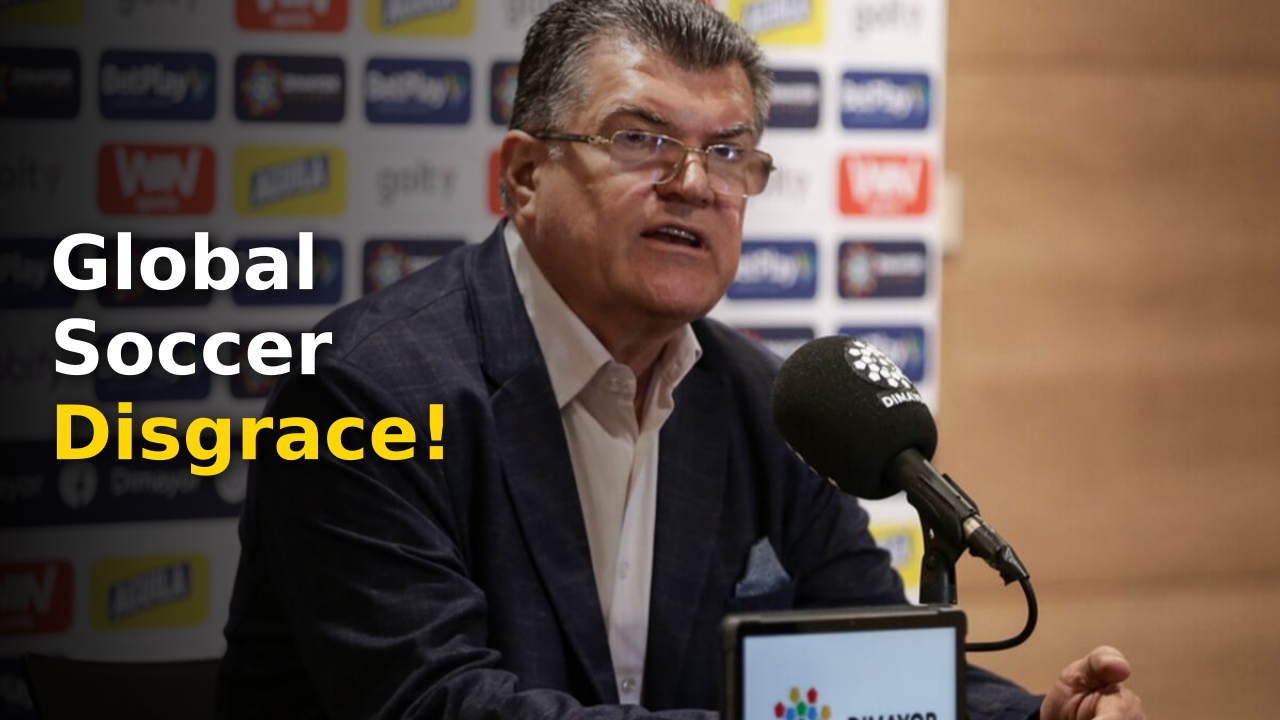
The fallout escalated rapidly when Dimayor president Carlos Mario Zuluaga appeared on ESPN Colombia’s sports coverage program F90 to issue a scathing assessment of the administrative meltdown. Zuluaga pulled no punches, confessing that the domestic game has been turned into a global laughingstock because commercial entertainment continues to displace professional athletes. His furious remarks exposed systemic infrastructure failures across Bogotá, triggering heated debate between club boards, stadium concessionaires, and municipal sports authorities.
For football fans tracking developments through sports updates, this sudden cancellation highlights a brewing showdown over corporate accountability. With Once Caldas seeking potential administrative compensation, the league faces a legal and logistical quagmire that threatens the competitive balance of the entire Liga BetPlay II-2026 campaign.
Fallout from the Dimayor 2026 Controversy
The core dispute centers on how a top-tier stadium pitch could deteriorate to the point of immediate endangerment. According to Zuluaga, stadium operator Sencia failed to deliver the pitch in usable shape despite technical personnel previously issuing a green light. When organizers removed protective tarps placed to shield the grass from torrential rainfall, the newly laid turf rolls peeled back instantly, making clean passing and player traction virtually impossible.
Had match refereeing teams allowed play to proceed, players risked devastating joint injuries and muscle tears. The league president explained that postponing the contest minutes prior to kick-off remained the only defensible measure, despite the public relations disaster it created. Fans inside the arena had already begun chanting, while television crews scramble to adjust programming schedules amid the baffling void.

Administrative Blame and Forfeit Demands
Beyond the surface aesthetic, the financial and athletic stakes are immense. Zuluaga openly discussed the legal argument regarding whether Once Caldas should receive all three points via forfeit due to the host club’s failure to provide a certified pitch:
- Host Club Obligations: Under regulatory bylaws, Millonarios holds the ultimate duty to provide a competition-ready venue free from safety hazards.
- Operator Negligence: League executives argue private concessionaire Sencia guaranteed the pitch condition via formal written logs and expert assurances.
- Fixture Congestion: Rescheduling the game presents severe calendar bottlenecks given upcoming international breaks and regional tournament dates.
- Economic Sanctions: Broadcast rights holders and ticket vendors face cascading refund demands from disgruntled matchday attendees.
Dimayor officials are reviewing technical logs to determine if the home side exhausted every operational avenue before canceling. If the disciplinary committee finds Millonarios liable for venue unfitness, the three points could shift to Manizales-based Once Caldas, completely scrambling the race for playoff spots in the domestic tournament.
This institutional conflict touches broader themes explored across entertainment trends, where live stadium concerts regularly clash with legacy sporting traditions. When music promoters commandeer athletic shrines, field integrity inevitably deteriorates, leaving athletes to navigate shredded turf and unstable root systems.
Bogotá Venue Data and Fixture Crisis
The cancellation of this high-profile fixture illustrates the fragile nature of Colombia’s sports venues. With El Campín sidelined and Santa Fe’s scheduled home bout against Jaguares facing an identical fate, the capital city finds itself functionally locked out of hosting professional sporting events. The lack of municipally sanctioned backup stadiums has produced an unprecedented operational logjam.
| Stadium Venue | Primary Use | Current Status | Capacity | Primary Bottleneck |
|---|---|---|---|---|
| Estadio El Campín | Millonarios / Santa Fe | Unplayable / Suspended | 36,343 | Turf failure post-concert load |
| Estadio de Techo | La Equidad / Fortaleza | Operational (Protected) | 10,000 | Overbooked scheduling conflicts |
| Estadio Olaya Herrera | Regional Leagues | Uncertified for Tier 1 | 2,500 | Lacks VAR & broadcast rigs |
| Estadio Metropolitano de Techo (Alt) | Emergency Contingency | Restricted Access | 8,000 | Municipal zoning ordinances |
The statistical snapshot confirms what local beat reporters have warned about for months: Bogotá lacks structural redundancy. By placing primary hosting power in a single arena that is simultaneously leased for mega-concerts, governing bodies created a fragile single point of failure. The current situation leaves four top-flight clubs fighting over the modest facilities at Techo.
As documented by global sports organizations like FIFA guidelines on pitch quality, international match standards strictly prohibit dynamic competition on unsecured root structures. The decision to pull players off the field avoided physical catastrophe, but the administrative chaos has severely damaged the domestic league’s credibility across the continent.

The Infrastructure Battle Behind the Pitch Crisis
To truly understand how this emergency developed, one must analyze the contentious management contract governing Estadio El Campín. Public-private partnerships designed to overhaul aging arenas often prioritize corporate entertainment revenues over pure sports maintenance. Zuluaga leveled direct accusations at Sencia, the consortium responsible for operating the facility, alleging systematic deterioration of infrastructure since the private group assumed operational reins.
According to Dimayor, modern hybrid or natural turf systems require precise recovery intervals following massive foot traffic from concerts. Heavy staging equipment compresses soil, suffocates root networks, and blocks necessary drainage channels. When contractors hurry turf replacement cycles without allowing the root mesh to bind with sub-soil layers, competitive footwear will rip up giant swaths of grass within minutes of kickoff.
Expert Take: The Agronomic Realities of Multi-Use Arenas
Agricultural engineering specialists and sports field consultants note that installing temporary turf blankets—often called sod carpets—requires a minimum rooting window under temperature-controlled conditions. In high-altitude environments like Bogotá, where nighttime temperatures dip sharply and seasonal rains saturate clay-heavy subsoils, new sod often takes weeks to integrate securely. Relying on superficial adhesives or top-weighted rolling machines is an invitation to matchday catastrophe.
Zuluaga went even further during his public address, lamenting the organizational challenges that plague Colombian sports logistics. He pointed out that professional clubs are forced to conduct tournaments amid highway strikes, severe geographic elevation shifts, and frequent municipal venue reassignments. ‘We are staging football in spite of the country we live in,’ he observed bluntly, highlighting the steep uphill battle domestic officials confront each matchday.
The dispute has also cost the league its administrative privileges inside the arena. Zuluaga disclosed that Dimayor can no longer access executive hospitality suites because private operators now monetize every tier of seating for concert VIP packages. This gradual commercial displacement shows how elite football is losing its priority status inside historic civic venues, as detailed in recent coverage of celebrity sports news.
People Also Ask
Why was the Millonarios vs Once Caldas match canceled?
The match was postponed due to the degraded condition of the pitch at Estadio El Campín, where loose turf posed extreme safety risks to players.
Who does Dimayor hold responsible for the unplayable pitch?
Dimayor president Carlos Mario Zuluaga explicitly blamed arena management company Sencia for failing to maintain the field following recent public events.
Could Once Caldas be awarded three points by forfeit?
Yes, league disciplinary bodies are examining whether home team Millonarios failed regulatory duties to supply a certified pitch, which could award Once Caldas victory.
What alternative stadiums are available for soccer in Bogotá?
Estadio de Techo is currently the only operational first-division venue in Bogotá, as other regional fields lack official broadcast, capacity, and VAR certifications.
Resolving the Fixture Dilemma Moving Forward
As the governing body struggles to clean up the mess, the broader repercussions of the Dimayor 2026 controversy will resonate through the upcoming calendar. Both Millonarios and Santa Fe face immediate scheduling gridlock, with international sporting authorities watching how Colombia resolves its chronic arena shortages. Finding a balance between municipal concert windfalls and athletic maintenance is no longer an academic debate—it is an existential requirement for the sport.
Restoring consumer confidence and athlete safety requires rigid agronomic oversight, binding contracts with commercial stadium operators, and enforceable penalty clauses. If private entities continue to sacrifice the integrity of playing surfaces for commercial revenue, domestic soccer will face constant scheduling chaos. Colombian soccer authorities must address these systemic infrastructure gaps immediately to ensure the league’s reputation does not suffer lasting damage on the international stage.
More Like This
For more updates, check out our latest entertainment and sports news.