Key Takeaways
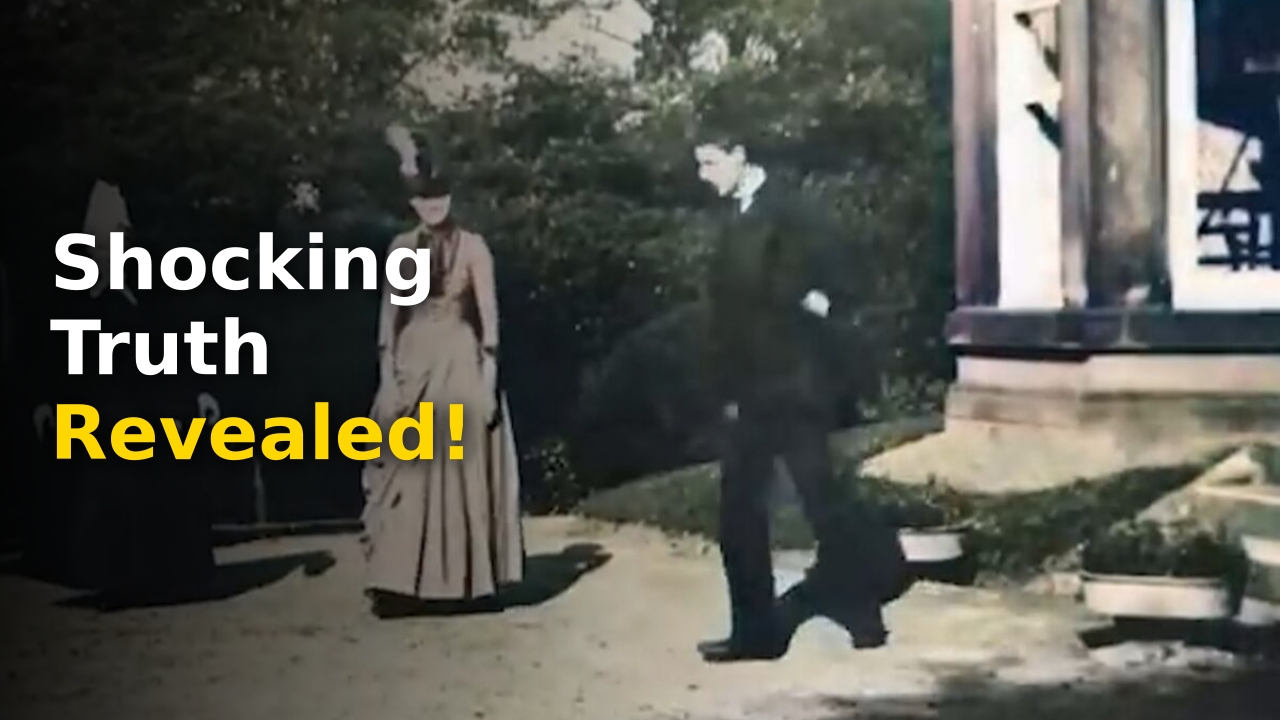
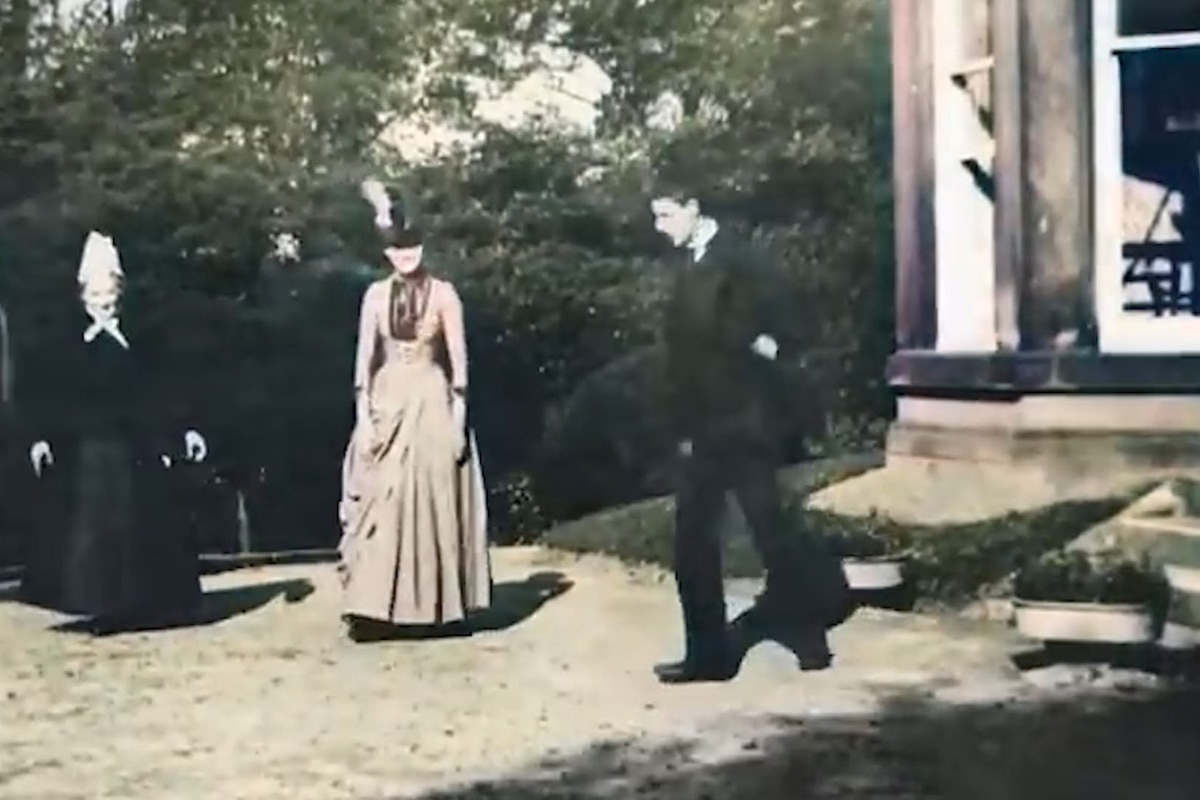
| First Film: Roundhay Garden Scene, filmed in 1888, holds the record as the oldest surviving motion picture. |
| The Inventor: Louis Le Prince, a French chemist, pioneered early cinematography years before Edison. |
| Total Disappearance: Le Prince vanished in 1890 on a train between Dijon and Paris; his body was never recovered. |
| Patent War: Rivalry with Thomas Edison and subsequent legal battles fueled intense murder conspiracies. |
The Louis Le Prince disappearance remains one of the most chilling, unsolved enigmas in the history of global innovation. While you likely associate the birth of cinema with industry titans, it was a French inventor who captured the very first moving images in a quiet Leeds garden, only to vanish into thin air two years later. His sudden exit from history on a train bound for Paris in 1890 sparked a century of debate involving corporate espionage, family secrets, and possible foul play.
You might be surprised to learn that this pioneer was not just an artist, but a scientist with a background in chemistry and photography. His 1.66-second masterpiece, Roundhay Garden Scene, effectively launched the seventh art, yet his name was nearly erased from the textbooks. We delve deep into the facts surrounding the Louis Le Prince disappearance to uncover what really happened to the man who could have been the world’s most famous filmmaker.
Understanding the Louis Le Prince Disappearance
The mystery begins in the autumn of 1888. Le Prince utilized his custom single-lens camera to record his family members in a natural, candid moment. This footage represents the foundational DNA of modern cinematography. Despite his clear technical superiority over early competitors, he struggled to transition from the laboratory to the commercial stage. His perfectionism, combined with the rising influence of rivals, created a pressure cooker of professional and personal anxiety.
The events leading up to his disappearance in September 1890 are documented with painful precision. After visiting family in Bourges, he boarded a train from Dijon to Paris. His brother, Albert, was the last person to see him alive on the platform. When the train arrived at its final destination, the carriage was empty. His luggage, his patent documents, and the man himself had vanished without a trace, leaving behind a void that even Scotland Yard could not fill.

The Rivalry with Thomas Edison
Many historians point to the cutthroat competition of the 19th-century invention market as a possible motive. Le Prince had previously sought funding from Thomas Alva Edison, a move that some believe exposed his proprietary work to theft. Edison was notorious for his ruthless tactics in the patent wars, and the timing of Le Prince’s vanishing—right before a major US exhibition—raises significant red flags.
By the numbers, the impact of Le Prince’s work is undeniable. He developed a three-lens projection system that anticipated modern film exhibition by nearly a decade. Despite this, he lost ground to Edison, who secured a stranglehold on the American market. The legal aftermath, which involved his son Adolphe testifying in patent courts, only deepened the suspicion that powerful industrial interests wanted the French inventor silenced.
Chronology of a Missing Visionary
| Year | Key Event |
|---|---|
| 1888 | Filming of Roundhay Garden Scene in Leeds. |
| 1890 | Louis Le Prince vanishes on a train to Paris. |
| 1898 | Adolphe Le Prince testifies in patent litigation; murdered shortly after. |
| 2003 | Police archives reveal unidentified body found in the Seine. |
Examining The Historical Theories
Over the decades, investigators and film scholars have proposed five primary theories regarding the inventor’s fate. The official police investigation concluded with no results, listing him as a simple missing person case. However, the lack of luggage or witness testimony in the carriage suggests a more calculated event took place during that short rail journey.
Suicide has long been cited as a potential explanation, given Le Prince’s reported financial struggles at the time. Yet, there is no evidence to support the theory that he took his own life. More compelling, though equally controversial, are the accusations of family involvement. Some suggest his brother, Albert, played a role due to potential inheritance disputes, while others speculate about a forced disappearance to protect the family from social shame regarding his private life.
Expert Take: The Forensic Gap
In 2003, a breakthrough occurred in the archives of the Paris Police. A photograph of a drowning victim from 1890 was identified—a man with a striking resemblance to Le Prince. While the body was never formally identified, the location in the River Seine and the timeline provide the most concrete, albeit tragic, lead in over a century. Forensic experts maintain that without DNA or further physical evidence, the truth remains locked in history.
You can find more historical documentation on IMDb’s archives of film history, which highlights the tragic nature of the first director who never got to see his industry rise to global dominance. His story is a poignant reminder of the fragility of legacy in the cutthroat age of the industrial revolution. For more on the life and work of early inventors, explore the curated resources at Bright Celebrity archives.
People Also Ask
What exactly was the first film in history?
The first film is titled Roundhay Garden Scene, a 1.66-second short captured by Louis Le Prince on October 14, 1888, in Leeds, England.
Was the disappearance ever solved?
No, the case remains officially unsolved. While a 2003 discovery of an unidentified body in the Seine matched his likeness, no definitive link was ever established.
Did Thomas Edison play a role in the disappearance?
It is a widely discussed conspiracy theory that Edison, seeking to eliminate his patent rival, may have been involved in the disappearance, though no concrete proof exists.
Where can I watch Le Prince’s work today?
Remastered versions of Roundhay Garden Scene and his other brief clips are available on YouTube, maintained by the National Museum of Photography, Film and Television.
Final Thoughts on the Pioneer’s Legacy
The Louis Le Prince disappearance serves as a cautionary tale of how easily genius can be eclipsed by intrigue and industrial combat. He gave us the ability to record life in motion, yet he could not control the momentum of his own fate. By visiting Bright Celebrity, you can find further deep-dives into the lives of historical figures who shaped our world in silence. As we continue to study the origins of the silver screen, Le Prince remains a ghostly but central figure whose contribution is finally receiving the recognition it deserves.
More Like This
For more updates, check out our latest entertainment and sports news.