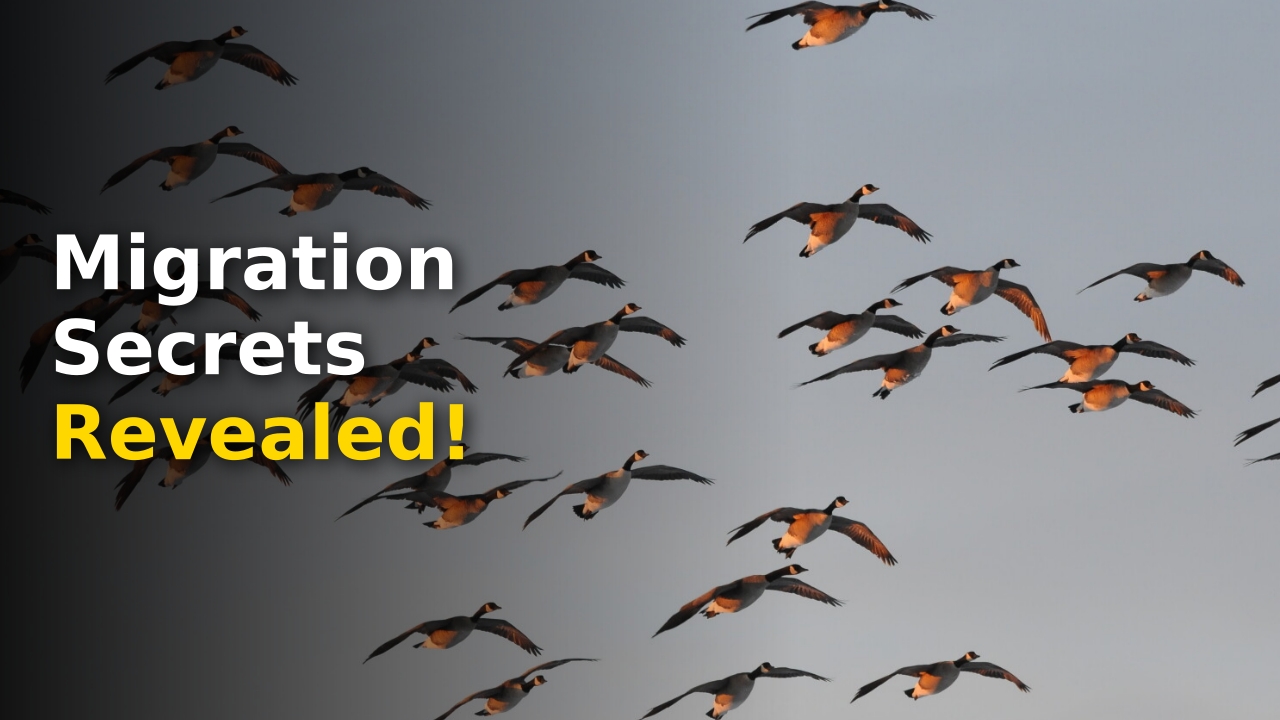
Key Takeaways
| Zero-tillage farming in Canada has created a vast buffet of waste grain for waterfowl. |
| North Dakota is replacing wheat with corn, causing ducks and geese to stay north into December. |
| Traditional migration patterns in the Central Flyway have effectively broken down into unpredictable movements. |
| Southern states like Texas and Oklahoma are seeing significantly shorter wintering windows for migratory birds. |
The changing waterfowl migration patterns observed over the last two decades have permanently altered the landscape for North American outdoorsmen and conservationists. If you have spent recent autumns looking at the horizon, you know the frost no longer dictates the movement of mallards and Canada geese. This shift is not a natural anomaly, but a direct consequence of modern agricultural efficiency and evolving climate conditions.
For generations, the migration followed a predictable, clockwork schedule dictated by the first heavy snows. Today, that connection has been severed by human land-use changes that provide food and habitat long after the traditional start of winter. As these birds adapt to new survival strategies, stakeholders from the Canadian prairie provinces to the Gulf Coast must navigate a fundamentally new reality.
Understanding Changing Waterfowl Migration Dynamics
The transformation begins in the vast, historic breeding grounds of the Canadian prairie pothole region. Two decades ago, the agricultural reliance on spring wheat and conventional tillage left fields bare by the time the first migrants arrived. Today, the widespread adoption of zero-tillage farming practices has changed everything for the local ecosystem.
By leaving significant crop residue across the fields, Canadian farmers have effectively laid out a massive, calorie-dense buffet. This accessibility allows waterfowl to bypass the biological need to push south at the first sign of freezing temperatures. Because energy requirements are met locally, birds delay their departure, lingering in northern latitudes until conditions force them to move.
The impact of these changes is a compounding effect that stretches thousands of miles down the flyway. When birds eventually decide to migrate, they encounter a landscape in North Dakota that has mirrored the shift in the north. The state has moved away from traditional small grains toward row crops, specifically corn, which remains a high-calorie fuel source during the deep freeze of late autumn.

Modern, hyper-efficient harvesting techniques still leave enough waste corn on the ground to sustain thousands of birds. Consequently, vast flocks now congregate on open water bodies, resisting the urge to flee south as long as food is plentiful. This leads to a broken, sporadic migration pattern that hunters in places like Nebraska and Oklahoma find difficult to track and predict.
Expert Take: The Agricultural Connection
Wildlife biologists note that the correlation between corn acreage expansion and bird retention is nearly linear. By shifting from wheat to row crops, the northern plains have essentially become an extension of traditional wintering grounds. This reduces the pressure on habitats in southern states, potentially leading to long-term shifts in biological population density and migration instinct.
Migration Impact Data and Statistics
The following table illustrates the shift in landscape utilization and its subsequent effect on the Central Flyway, highlighting the disparity between historical and modern expectations.
| Region | Historical Pattern | 2026 Status |
|---|---|---|
| Canadian Prairies | Early departure (Oct) | Extended stay (Nov+) |
| North Dakota | Staging ground | Holding wintering area |
| Gulf Coast | Reliable wintering | Unpredictable arrivals |
Evolution of Hunting Heritage and Policy
For the North Dakota Game and Fish Department, the challenge is maintaining a heritage of hunting in an environment that no longer functions as it did twenty years ago. The agency is now forced to adapt regulations and management strategies to a “new normal.” Hunters are encouraged to look beyond traditional dates and historical weather triggers to understand local bird populations.

This shift requires hunters to be more agile and less reliant on ancestral wisdom. Scouting reports, local agricultural harvest updates, and water temperature data are now more critical than ever. The legacy of waterfowl hunting in the United States is currently undergoing a massive transition, requiring a blend of technological reliance and old-world patience.
Conservationists are also closely monitoring the long-term effects of this habitat modification. If large percentages of populations begin skipping traditional wintering grounds, it may necessitate new federal protected area policies. Learn more about the US Fish and Wildlife Service initiatives regarding flyway health to stay informed on the broader environmental impact. Experts emphasize that the flexibility of both the hunter and the policy-maker is the only path toward preserving the sport.
People Also Ask
Why is the waterfowl migration changing in 2026?
The migration is changing primarily due to shifts in agricultural practices like zero-tillage in Canada and the expansion of corn production in the Dakotas. These provide abundant food sources, allowing birds to stay north much longer than they did in the past.
How does corn affect bird migration patterns?
Corn is a high-calorie food source that remains accessible even in late fall. Waterfowl utilize this energy to stay in northern regions as long as open water is available, rather than migrating south when temperatures drop.
How are Southern states affected by these shifts?
States like Texas, Oklahoma, and Kansas are seeing shorter wintering windows for migratory birds. Because many ducks and geese are staying further north for longer, the traditional winter arrival dates in the south have become unpredictable.
What should hunters do to adapt to the new migration?
Hunters must move away from relying on historical timing and instead focus on real-time data regarding food availability and open water. Checking local harvest reports and environmental trends is essential for successful hunting in the current landscape.
The Future of Migration Strategy
As we analyze the changing waterfowl migration patterns, it becomes clear that nature is adapting to our food systems. The traditional push of the migration has largely broken down, replaced by a slow, fluid movement that keeps populations scattered across the flyway. For those who follow the migration, the message is clear: adaptability is the new tradition.
Visit our outdoor resource hub for more updates on North American wildlife conservation. We continue to track how these shifts affect local economies and ecological health in our special report on habitat management. Ultimately, the future of this species depends on our ability to balance agricultural progress with the preservation of natural, migratory routes that have existed for millennia. Explore more on wildlife tracking trends at our main portal.
More Like This
For more updates, check out our latest entertainment and sports news.