Key Takeaways
| Confirmed setting within the elusive 15-year Naruto blank period. |
| Features Naruto Uzumaki at age 21 leading into Hokage status. |
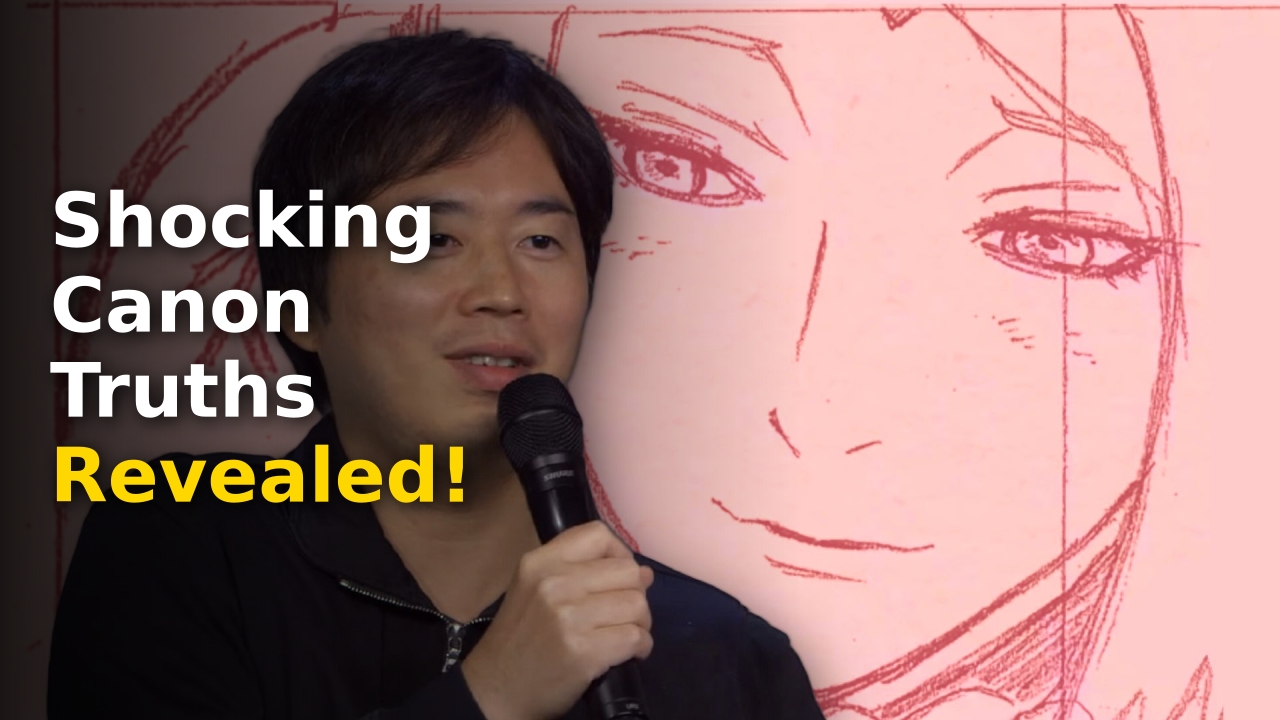
| Masashi Kishimoto returns to write and illustrate the project. |
| Focuses on post-war peace and rising extremist threats. |
You have waited years for the definitive word on the gap between the Fourth Great Ninja War and the start of the Seventh Hokage’s reign, and Naruto: Shadow Rising timeline details are finally here. Officially announced as of October 10, 2026, this new manga project marks the direct return of series creator Masashi Kishimoto to the illustration board. This series promises to bridge the massive narrative chasm that fans have colloquially termed the ‘blank period’.
By grounding the narrative in the years following the war, this project avoids the complexities of the current Boruto: Two Blue Vortex era. You will witness Naruto Uzumaki as a young adult, specifically around 21 years of age, navigating a world transitioning from global conflict to fragile, long-term peace. This isn’t just another spin-off; it is a vital missing piece of the official Naruto canon.
Understanding the Naruto: Shadow Rising Timeline
The Naruto: Shadow Rising timeline places the story firmly within the decade-and-a-half window after the war ended. This era, once only explored through scattered light novels like Sakura Hiden, is now receiving the full, high-budget Shueisha treatment. You are looking at a story that documents the gradual political and personal shift of the Konoha 11 as they transition into adulthood.
Unlike previous installments that rushed through Naruto’s progression, this series takes a deliberate, focused look at his maturation. With Kakashi Hatake still holding the mantle of Lord Sixth Hokage, the series provides a unique perspective on the power dynamics within the Hidden Leaf Village. This setting allows for a deeper examination of how global peace was negotiated and why threats still managed to fester in the shadows.
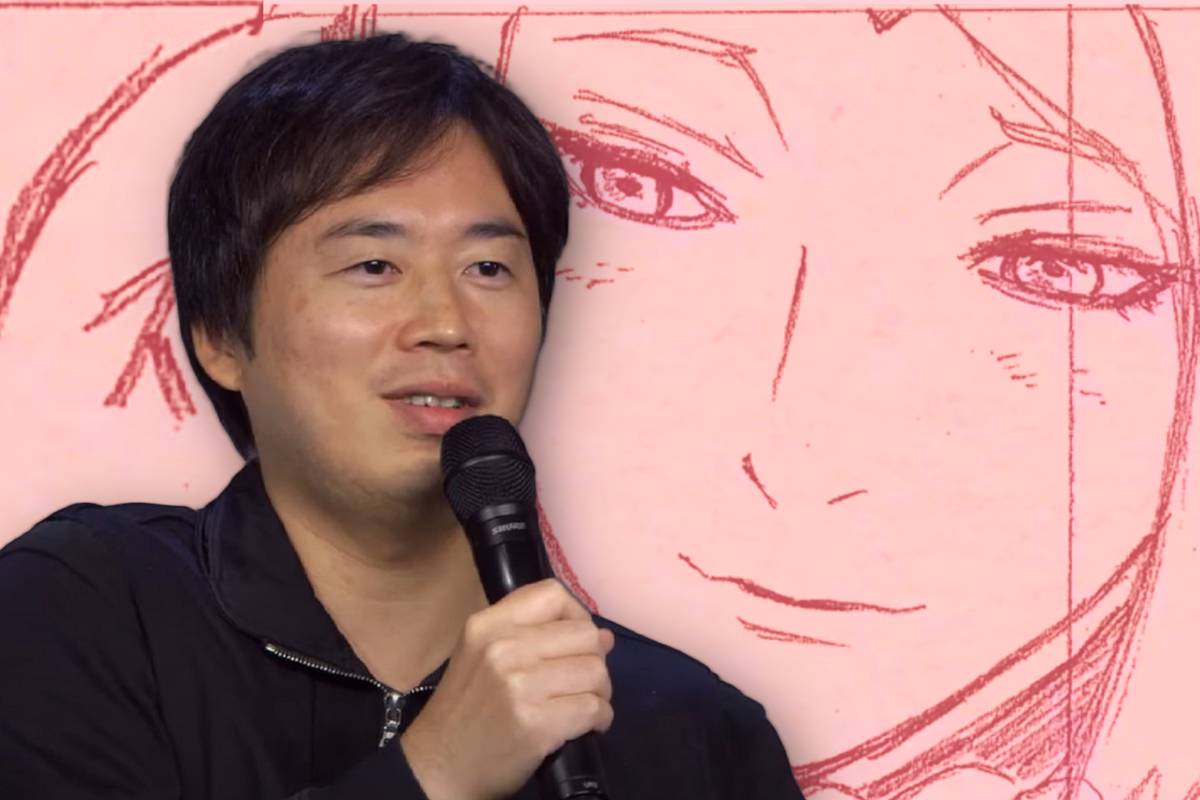
For fans curious about the visual evolution, early production artwork suggests a grounded aesthetic that reflects the aftermath of the Fourth Great Ninja War. This is not merely a nostalgic trip; it is a strategic exploration of the world-building that necessitated the eventual era of Boruto. By anchoring the narrative here, Kishimoto ensures that every character development—from Gaara‘s early leadership to the reconciliation between Naruto and Sasuke—is given the gravity it deserves.
Defining the Blank Period Significance
The blank period has remained a point of immense contention and curiosity for nearly 15 years. It is the era where the legendary heroes become the legends themselves, yet the specific day-to-day sacrifices were largely left to the imagination. This series serves as the definitive chronicle for this gap, potentially explaining the shift in the global shinobi alliance’s priorities.
By focusing on this time, the manga can explore the logistical challenges of rebuilding after a total war. You will likely see the internal struggle of the village leaders balancing internal stability with external threats. This era is where the Will of Fire was truly tested in a time of relative quiet rather than war.
Chronology of the Hokage Transition
| Era Period | Core Focus | Naruto Age |
|---|---|---|
| The Last Movie | Romance & Rebuilding | 19-20 |
| Shadow Rising | Politics & Prime Strength | 21-25 |
| Hokage Ascendance | Seventh Hokage Era | 27-32 |
This timeline analysis helps clear up common misconceptions regarding when exactly Naruto takes his place as the Seventh Hokage. While historical estimations varied wildly, this series intends to lock in the canon trajectory. The presence of young Sarada in early concept art confirms the timeline is pushing toward the late 20s of the protagonist’s life, creating a bridge between his prime strength and his administrative duties.
Expert Take on Narrative Expansion
From an analytical standpoint, Masashi Kishimoto opting to detail the era of peace is a genius move for franchise longevity. While action-heavy shonen series often struggle when they reach a peaceful status quo, this series utilizes the ‘threat in the shadows’ trope to maintain tension. By focusing on a period where Naruto and Sasuke are at their physical peak, the editorial team ensures high-stakes engagement without needing to escalate the power scaling to alien-level threats immediately.
According to Shonen Jump’s historical publishing records, this is the first time the creator has revisited this specific window with total control. This allows for the correction of minor inconsistencies found in supplementary light novels. It effectively standardizes the lore for the next generation of Bright Celebrity entertainment news enthusiasts.
People Also Ask
What is the Naruto: Shadow Rising timeline setting?
The series is set during the 15-year ‘blank period’ following the Fourth Great Ninja War, specifically focusing on Naruto’s life starting around age 21.
Why is this Naruto manga release significant?
It is significant because Masashi Kishimoto is personally writing and illustrating the story, providing an official look at previously unexplored years in the canon timeline.
Does this new series change Boruto canon?
No, it does not delegitimize Boruto. Instead, it serves as a prequel that offers context for the state of the world leading directly into the events of the Boruto series.
Will Naruto and Sasuke fight in the new manga?
Yes, teasers have confirmed a spectacular confrontation between the two, providing a rare glimpse of both characters fighting at their absolute prime.
The Future of Konoha Lore
As you look forward to the release of Naruto: Shadow Rising, remember that this is a pivotal moment for the legacy of the franchise. It validates years of fan speculation while providing the creator a fresh canvas to define the final steps of Naruto Uzumaki toward his ultimate destiny. Whether it turns out to be a limited series or a sprawling epic, the impact on the Naruto: Shadow Rising timeline will be permanent, solidifying the history of Konoha for generations to come.
More Like This
For more updates, check out our latest entertainment and sports news.