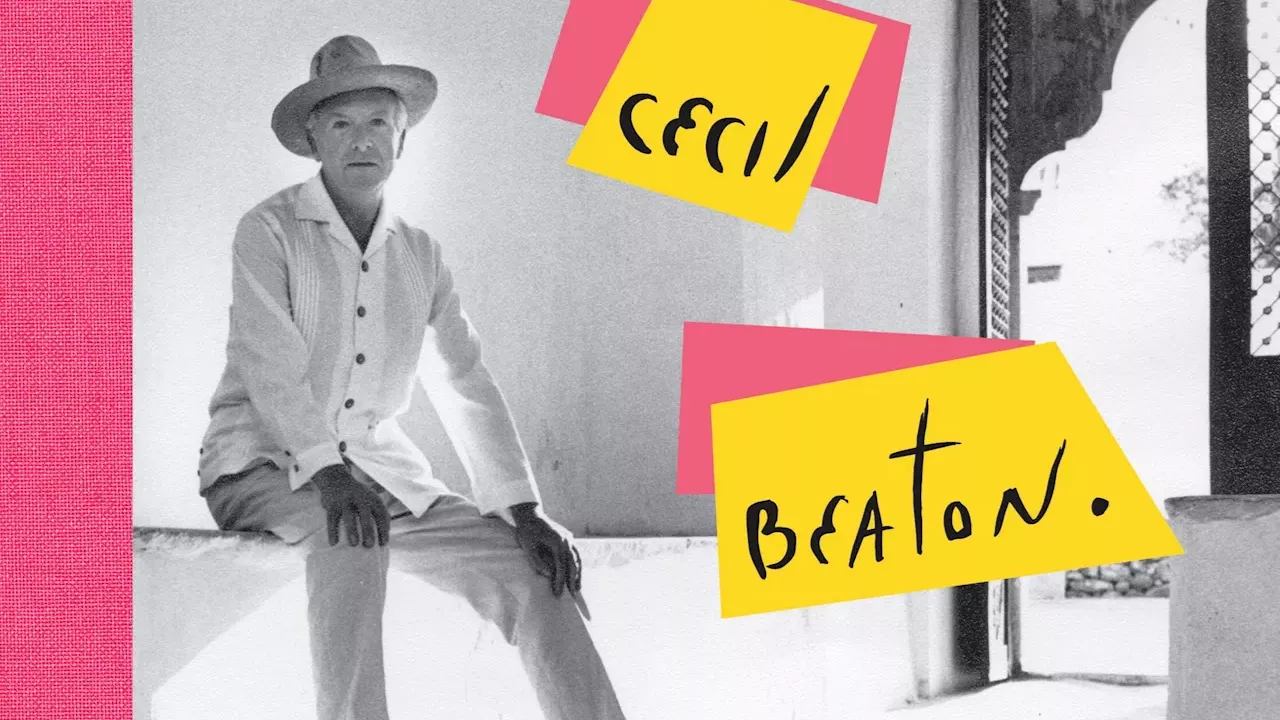
Key Takeaways
| Hidden Romance: Cecil Beaton and Kinmont Hoitsma maintained a secret relationship from 1963 to 1980. |
| Archival Discovery: Over 600 private letters were kept hidden for decades to protect the pair from societal ruin. |
| Artistic Legacy: Beaton’s portraits of Hoitsma reveal an emotional intimacy previously unknown to the public. |
| New Publication: Andrew Ginger’s latest book utilizes never-before-seen archives to document queer history. |
Beaton in Love is the lens through which we finally understand the complex, hidden life of the legendary photographer Cecil Beaton. You might know him for his iconic portraits of Marilyn Monroe or his Academy Award-winning costume designs, but his private reality was defined by a profound, clandestine romance that spanned nearly two decades. This story, long obscured by the prejudices of mid-century England, is now coming to light through the exhaustive research of scholar Andrew Ginger.
For years, the public narrative suggested that Beaton’s romantic life was defined by famous women like Greta Garbo. However, the discovery of a massive cache of 600 letters and intimate photographs reveals that his truest connection was with Kinmont Hoitsma, an art history scholar and former Olympian. This article explores how this relationship challenged the constraints of the 1960s and transformed Beaton’s artistic expression.
The Secret Behind Beaton in Love
The intensity of the relationship between Cecil Beaton and Kinmont Hoitsma provides a window into the life of a man perpetually haunted by his own public persona. In a time when being openly gay in England could lead to imprisonment and social ostracization, Beaton performed a delicate balancing act. He was a master of the celebrity spotlight who lived in terror of being exposed for his true self.
The catalyst for this revelation was a chance discovery of an oil portrait by Ginger in 2014. While scouring online auctions, the scholar found a painting of Hoitsma that had failed to sell—a work marked by an unmistakable emotional depth. This discovery opened a doorway into an archive that had been held by Hoitsma’s family since his death in 2013, including telegrams, cards, and letters that had been previously suppressed to avoid scandal.

The narrative of their love was often dismissed as a brief affair due to their limited time cohabiting in 1964. Yet, as the letters prove, the connection remained strong until Beaton’s death in 1980. This defies the historical narrative of the lonely, isolated gay man, offering instead a story of endurance across continents and decades. As noted in exclusive archives on queer history, this documentation serves as a critical counter-narrative to the era’s suppression of LGBTQ+ lives.
Defining Queer Relationships in the 1960s
- The necessity of geographical separation as a survival mechanism.
- The role of the age gap (30 years) in shaping their dynamic.
- The contrast between public flamboyance and private fear of prosecution.
- How the 1967 decriminalization of homosexuality finally began to shift the landscape.
Beaton in Love: Statistical Insights
By examining the primary source material found in the 145 volumes of Beaton’s handwritten diaries and his correspondence, we can quantify the evolution of this relationship. The data below illustrates the timeline of this significant, yet hidden, historical bond.
| Category | Historical Detail |
|---|---|
| Archive Volume | 600+ letters and correspondence |
| Relationship Span | 1963 to 1980 (17 years) |
| Cohabitation Period | 1964 to 1965 |
| Diary Collection | 145 volumes |
Historical Context and Expert Analysis
Understanding Beaton in Love requires a deep dive into the psychological toll of mid-century secrecy. Experts, including biographer Hugo Vickers, have long recognized the inherent tension in Beaton’s life. Unlike contemporaries who navigated their sexualities more fluidly, Beaton was a man trapped in a paradox: he was obsessed with public fame but terrified of public ruin. This constant state of anxiety, often detailed in his dreams recorded in his diaries, shaped his harsh judgments of others who were more openly queer.
The historian Andrew Ginger highlights that Beaton’s journey toward self-acceptance was an arduous, lifelong process. By analyzing the work he produced during the years he spent in Hollywood, one can see the shifting influence of Hoitsma. Their bond was not merely a romantic pursuit; it was a spiritual connection that provided Beaton a rare sense of sanctuary. For more insights on the preservation of these historical archives, visit Cecil Beaton’s official IMDb biography or check our specialized analysis on creative legacies.

The Impact of Archival Silence
For decades, the decision to keep these 600 letters sealed protected not just Beaton, but Hoitsma as well. In the post-war era, the threat of blackmail was a constant shadow over gay men in the arts. By returning the correspondence to Hoitsma upon Beaton’s passing in 1980, the executor ensured that the details remained private until the historical climate shifted enough to allow for their examination. This archival silence, while frustrating for researchers for years, ultimately preserved the integrity of the intimate bond shared by the two men.
People Also Ask
What happened with the Beaton-Hoitsma archive today?
The archive, consisting of 600 letters and portraits, is now being utilized by author Andrew Ginger for his new book, finally bringing the full story of their relationship to the public.
Why is the Beaton in Love story trending now?
It is trending due to the recent publication of Andrew Ginger’s research, which challenges long-standing misconceptions about Beaton’s personal life and sexuality.
How does this affect our understanding of Beaton’s art?
The revelation of this intense relationship provides context for the emotional depth found in his late-career portraits, showing that his personal life was deeply linked to his creative output.
Who was Kinmont Hoitsma?
Kinmont Hoitsma was an art history scholar, a former Olympian, and the lifelong partner of Cecil Beaton whom he met in 1963.
Refining the Narrative of Beaton in Love
The story of Cecil Beaton and Kinmont Hoitsma is a testament to the resilience of human connection in the face of systemic oppression. As we uncover these new chapters, we gain a more nuanced understanding of not just the artist, but the human being who existed behind the flashing bulbs and the glamorous sets. Beaton in Love serves as a vital reminder that behind every legendary figure lies a complex, often untold, journey of truth, fear, and enduring love. For further updates on this developing historical narrative, keep an eye on our latest entertainment news coverage.
More Like This
For more updates, check out our latest entertainment and sports news.