Key Takeaways
| Historic Controversy: Season 29 Episode 2, titled “Billionaire Weenietown,” sets a brand-new television shock-value benchmark after 29 years on the air. |
| Central Plot: Butters Stotch battles AI data centers built in his yard by literal, talking male appendages representing elite tech moguls. |
| Political Satire: The episode features an unprecedented deep-fake closing sequence targeting the sitting US president alongside scathing critiques of libertarian podcasts. |
| Banned Territory: Media critics report the visual audacity easily eclipses past banned installments like “200” and “201”. |
You might think after nearly three decades of broadcast history that Matt Stone and Trey Parker had exhausted their ability to genuinely stun television audiences, but this South Park controversial episode proves that nobody is safe. Premiering in season 29, the episode “Billionaire Weenietown” shatters conventional standards of television satire by delivering what multiple national television critics are labeling the most unapologetically vulgar, politically aggressive half-hour in animated history. By transforming the hyper-wealthy Silicon Valley donor class into literal, anatomically explicit appendages, the series stakes out a blistering new frontier of cultural critique.
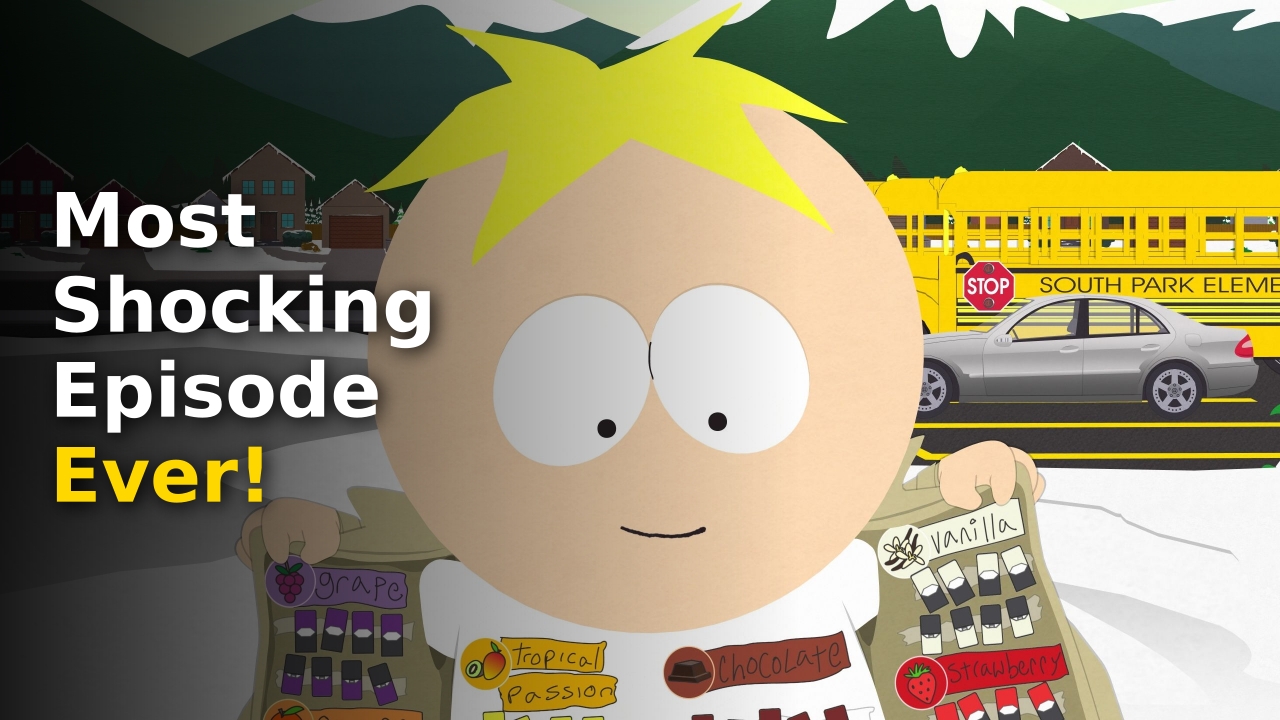
Instead of relying on familiar ensemble dynamics centered on Stan, Kyle, Kenny, or Cartman, the narrative puts fan-favorite Butters Stotch squarely in the crosshairs of rapid technological displacement. Butters merely wants to relax after school and watch his favorite cable reality program, Dr. Pimple Popper, but tech elites build sprawling power stations across his private yard. What begins as a petty neighborhood dispute spirals rapidly into an all-out assault on venture capital, alternative media ecosystems, and the current political establishment. You can dive deeper into the series’ rich production archives through our celebrity entertainment hub for extensive industry profiles.
The sheer velocity of offensive imagery in this South Park controversial episode has ignited immediate discourse across both legacy media publications and social networks. While earlier installments courted international diplomatic incidents and network censorship over religious depictions, “Billionaire Weenietown” bypasses subtle allegorical parodies in favor of direct, visceral confrontation. As streaming platforms evaluate content guidelines heading further into 2026, Parker and Stone have delivered an unforgettable broadcast event designed to provoke immediate visceral reactions from every corner of the political spectrum.
The South Park Controversial Episode Explained
The core conflict of “Billionaire Weenietown” launches when Butters Stotch discovers his home electrical grid completely collapsing under extreme outside strain. The culprit is a sudden invasion of high-density AI data centers constructed right behind his fence line. Rather than portraying tech leaders as standard animated caricatures, the series takes the term “billionaire weenies” entirely literally. Viewers are subjected to an unprecedented quantity of uncensored full-frontal visual gags featuring anthropomorphic human penises conducting board meetings, arguing on audio mixers, and building industrial infrastructure.
While prestige dramas like HBO’s Euphoria or Prime Video’s The Boys pushed boundaries with brief moments of prosthetic male nudity, this animated broadcast sustains the visual motif across multiple uninterrupted scenes. The audacity of presenting these crude designs in broad daylight serves as an unsubtle visual metaphor for the unchecked ego of modern technological monopolists. The creators take direct aim at the aggressive resource consumption of machine-learning server farms that drain municipal power supplies across rural American towns.
The satirical bite sharpens when these characters escape community accountability by retreating into sycophantic digital subcultures. In several extended sequences, the tech magnates host marathon sessions on libertarian podcasts where fawning interviewers validate their grievances. One plotline even skewers contemporary celebrity activism, parodying indie hip-hop artist Macklemore and his widely reported protest against tour schedules. The show lays bare how elite wealth insulates public figures from ordinary societal norms.

Satirical Targets and Narrative Turning Points
To fully grasp how the storyline builds toward its shocking climax, explore the primary creative targets skewered across the narrative:
- Artificial Intelligence Infrastructure: The unconstrained construction of industrial server complexes draining municipal power grids in small residential neighborhoods.
- Libertarian Podcast Culture: Digital alternative media programs that offer uncritical platforms and slavish praise to self-styled tech disruptors.
- Parental Radicalization: The tragicomic transformation of Stephen Stotch into an online conspiracy theorist willing to turn on his own son.
- Executive Incompetence: A degrading deep-fake portrait attacking the physical and mental stamina of the sitting Commander-in-Chief.
Comparing Shock Value Across South Park History
Measuring the cultural earthquake of this South Park controversial episode requires examining it against the franchise’s long history of network censorship battles. Over the course of 29 broadcast years, Comedy Central has repeatedly clashed with internal standards departments over religious iconography, celebrity private lives, and graphic violence. Yet industry observers widely agree that “Billionaire Weenietown” pushes aesthetic vulgarity and political aggression past previous internal red lines. To benchmark how this release compares to earlier historic flashpoints, explore the comparative breakdown below.
| Episode Title & Year | Primary Controversy Target | Broadcast Fallout / Ban Status | Shock Rating (Out of 10) |
|---|---|---|---|
| “Trapped in the Closet” (2005) | Scientology, Tom Cruise | Isaac Hayes departed; legal threats | 8.2 / 10 |
| “200” & “201” (2010) | Prophet Muhammad depictions | Permanently pulled from syndication and streaming | 9.7 / 10 |
| “Band in China” (2019) | Chinese state censorship & Hollywood | Series entirely erased from Chinese internet | 9.1 / 10 |
| “Billionaire Weenietown” (2026) | Tech billionaires, slurs, Sitting US President | Under heavy network regulatory review | 9.9 / 10 |
As documented in historical archives like Wikipedia’s South Park controversy records, past bans were primarily sparked by security concerns and fear of litigation. By contrast, the fallout surrounding this South Park controversial episode centers on domestic regulatory standards and political indecency. For additional context on high-profile streaming disputes, check out our coverage of major streaming series updates.
Behind the Political Fury and Extreme Imagery
The tonal hostility of season 29 was clearly foreshadowed when the series temporarily altered its promotional branding to “South America.” That tactical branding move was an overt reference to federal proposals to rename major geographic landmarks like the Gulf of Mexico and Lake Ontario. While casual television consumers may have missed the subtle foreign policy dig, nobody could mistake the ideological barrage unleashed inside “Billionaire Weenietown.”
A deeply unsettling sub-narrative focuses on Butters’ father, Stephen Stotch, long recognized as one of the most toxic parental figures in animation. When Butters complains about his neighborhood power outages, Stephen sides unconditionally with the tech moguls. In a heated confrontation, Stephen uses an offensive slur that has recently resurfaced among fringe online communities. Stephen hysterically accuses Butters’ childhood vaccinations of turning his son against free-market enterprise.
By portraying Stephen Stotch as a gullible stooge parroting talking points from corporate elites, Parker and Stone mount a scathing attack on the modern working-class populist right. The episode pulls no punches in showcasing how vulnerable voters are manipulated into defending tax shelters and unchecked corporate deregulation. It is an unapologetic repudiation of billionaire worship from creators who are themselves deeply entrenched in Hollywood’s top wealth bracket.
Expert Take: Analyzing Satirical Impact in 2026
According to seasoned media analysts tracking late-night broadcast trends, “Billionaire Weenietown” represents a definitive structural pivot for the franchise. Rather than maintaining their historic position of radical libertarian neutrality—an ethos often summarized in early internet discourse as equal-opportunity apathy—Parker and Stone have taken a definitive stand against Silicon Valley oligarchy. According to regulatory tracking reported by Variety’s television industry reports, animated political satire attracts unprecedented FCC scrutiny whenever deep-fake depictions intersect with sitting federal officials.
The climactic sequence serves as the ultimate catalyst for the current media storm. The narrative concludes with a photorealistic deep-fake rendering of the sitting US president sitting on a toilet while his anatomy detaches and drifts away into the sky. Television critics at The Daily Beast described the sequence as “the most degrading attack on a sitting president in the show’s 29-year history.” The sheer insolence of the final frames guarantees this South Park controversial episode will remain a lightning rod for cultural debate for years to come. For additional breakdowns on television icons pushing creative envelopes, read our entertainment analysis reports.
The Paramount Paradox: Rich Creators Mocking Wealth
One paradox at the center of this cultural uproar is the financial reality of the men writing the scripts. In 2021, Matt Stone and Trey Parker finalized an historic $900 million production deal with Paramount Global, instantly cementing them among the most financially successful creators in show business history. Watching multi-millionaires viciously demean the billionaire class presents an irony that cultural commentators have seized upon.
Yet “Billionaire Weenietown” does not apologize for its creators’ fortune. Instead, it suggests that true independence from corporate boardrooms requires wielding that vast wealth as an artistic weapon. By targeting both corporate sponsors and political heads of state simultaneously, Stone and Parker demonstrate that their financial security allows them to ignore typical industry censorship. While modern corporate entertainment plays it safe to protect ad revenue, South Park weaponizes its leverage to produce boundary-smashing art.
People Also Ask
What happened in the South Park controversial episode today?
Season 29 Episode 2, titled “Billionaire Weenietown,” debuted featuring Butters fighting literal talking male appendages that represent AI tech billionaires building data centers in his yard. The broadcast concluded with an uncensored, highly controversial deep-fake sequence targeting the sitting US president.
Why is Billionaire Weenietown trending right now?
The episode is trending due to its unprecedented volume of animated graphic male nudity, the use of a resurging political slur by character Stephen Stotch, and a closing deep-fake attack on the sitting US president that critics call the most vulgar in series history.
How does this episode compare to South Park’s banned episodes?
While past banned episodes like “200” and “201” were censored due to religious depictions and physical security threats, “Billionaire Weenietown” breaks records for raw visual indecency, political defamation, and aggressive targeting of Silicon Valley executives.
When does the next episode of South Park season 29 air?
New episodes of South Park season 29 air Wednesday nights at 10:00 PM Eastern Time on Comedy Central, with next-day streaming access available across select Paramount streaming platforms.
Final Legacy of Billionaire Weenietown
As the initial outrage surrounding “Billionaire Weenietown” settles into broader industry analysis, the episode will inevitably stand as a landmark achievement in televised defiance. Trey Parker and Matt Stone have managed to prove that even after nearly three decades on commercial television, their creative voice remains as abrasive and vital as it was during its late-1990s debut. By using Butters Stotch’s innocence to expose elite hypocrisy, the show delivered a masterclass in modern shock humor.
Whether network executives attempt to edit future rebroadcasts or digital streaming hubs reclassify the catalog, this South Park controversial episode has already cemented its status in pop-culture folklore. In a media landscape dominated by algorithmic caution and PR-vetted messaging, South Park remains an untamed anomaly willing to burn down institutional decorum to deliver an unforgettable satirical point.
More Like This
For more updates, check out our latest entertainment and sports news.