Key Takeaways
| Proper Cloth is aggressively expanding its physical footprint with 10 new showrooms planned across major US metros. |
| The SoHo flagship expansion focuses on efficiency, increasing fitting station capacity by 50% to optimize daily consultations. |
| Tailored clothing now accounts for 40% of total revenue, signaling a major shift from the brand’s shirt-focused origins. |
| The company is bucking traditional retail trends by intentionally avoiding street-level, high-traffic corridors for their expansion. |
Proper Cloth retail rollout plans for 2026 are officially in motion, signaling a bold pivot for the bespoke men’s wear giant as it seeks to scale its offline presence nationwide. You are likely familiar with their digital-first roots, but the brand’s latest moves prove that the future of made-to-measure shopping lies in a hybrid model of physical consultations and high-tech digital backend infrastructure.
Founder Seph Skerritt, who built the company from a basement operation into a menswear powerhouse, is now steering the brand toward a multi-city expansion. By focusing on larger showrooms and increased fitting capacities, the company is attempting to rewrite the playbook for how specialized men’s retailers succeed in an era of waning traditional storefront appeal.
Proper Cloth Retail Rollout Expansion Strategy
The core of the Proper Cloth retail rollout strategy centers on moving away from the small, limited-capacity studios that hampered its competitors. While many peers in the made-to-measure space struggled to scale because their physical locations were too small to handle high customer throughput, Skerritt has prioritized larger, more functional showroom designs that accommodate six fitting stations rather than the previous industry standard of four.
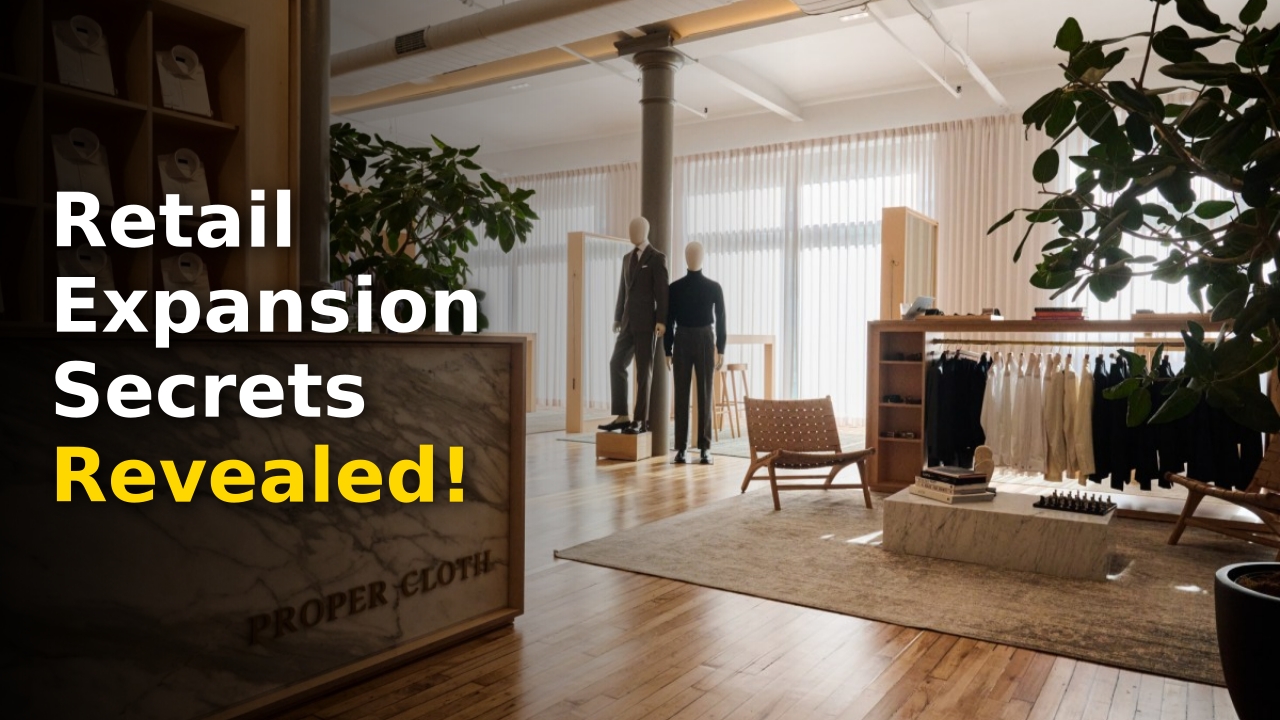
This efficiency shift is best demonstrated by the recent renovation of their SoHo showroom at 495 Broadway. By enlarging the footprint, the company can now facilitate more consultations per day, turning previously sluggish operations into a high-octane revenue engine. This model allows the firm to maintain its signature “invisible to the street” aesthetic, prioritizing privacy and focused customer service over expensive, high-traffic retail real estate.

The brand currently serves an affluent professional demographic aged 35 to 65, a group that values the combination of technical measurement accuracy and personal interaction. Unlike traditional retail, where success depends on foot traffic, these showrooms operate as high-end destination hubs. This allows the business to keep overheads lower while ensuring that every visitor receives a bespoke consultation experience that reinforces the value of their custom wardrobe solutions.
The Shift to Tailored Clothing
While the company initially gained fame for its proprietary prediction algorithm for custom shirts, the shift toward a full-suite tailoring brand is undeniable. Today, tailored clothing represents nearly 40% of their total business revenue. This evolution highlights a major change in consumer demand, as their core customer base increasingly looks to the brand for complete wardrobe solutions, including chinos, jeans, and unstructured blazers.
Growth Metrics and Industry Positioning
| Metric | Status |
|---|---|
| Target New Showrooms | 10 locations by 2028 |
| Current Fitting Capacity | 6 stations per hub |
| Tailored Clothing Revenue | 40% of total |
| Core Demographic | Affluent professional men (35-65) |
Background on Brand Scaling
The journey from a home-based shirt business to a national retail force reflects a decade of infrastructure building. Skerritt has focused heavily on the “invisible” nature of their growth, choosing second-story or non-traditional retail spaces that allow for larger floor plans at a fraction of the cost of Fifth Avenue flagships. This unique real estate strategy offers an “escape from the street” that resonates with their professional clientele.
By the numbers, the company’s transition proves that digital-native brands do not need massive, street-level visibility to succeed. Instead, they require robust operational capacity and a deep integration between their online prediction algorithms and physical fitting experiences. For an in-depth look at how retail technology changes consumer habits, read Forbes’ coverage of the digital-to-physical retail shift. As the brand eyes expansion into cities like San Francisco, Dallas, and Philadelphia, this model will serve as their primary blueprint for scalability.
Industry observers have noted that the success of bespoke menswear trends largely depends on this very synthesis. Without the physical touchpoint, high-end consumers are often hesitant to invest in premium fabrics. Proper Cloth has essentially digitized the trust process, using physical showrooms to bridge the gap between their complex 3D visualization technology and the tactile reality of high-end tailoring.
People Also Ask
What happened with the Proper Cloth SoHo showroom today?
The SoHo showroom has undergone a significant renovation and expansion, increasing its physical footprint and boosting its fitting station capacity from four to six units to better serve growing customer demand.
Why is the Proper Cloth retail rollout trending right now?
The brand is trending because it has announced an aggressive strategy to open 10 new showrooms in major U.S. cities over the next few years, signaling a major shift in its retail growth strategy.
How does the Proper Cloth expansion affect its business model?
The expansion prioritizes larger showroom footprints that allow for more daily appointments, moving away from small, limited-capacity spaces to improve operational efficiency and total throughput.
Where is Proper Cloth planning to open new showrooms?
The brand is actively scouting locations in top-tier U.S. markets, specifically identifying San Francisco, Los Angeles, Dallas, Houston, Boston, Philadelphia, and Miami as priority areas.
Final Strategy Outlook
The aggressive roadmap for the Proper Cloth retail rollout underscores a critical lesson in modern commerce: digital capabilities and physical presence must act as symbiotic forces. As the brand continues to scale its operations into major metropolitan hubs, it remains firmly positioned at the intersection of tech-driven customization and traditional artisanal craftsmanship.
More Like This
For more updates, check out our latest entertainment and sports news.