Key Takeaways
| Iran has successfully revitalized its military production facilities despite recent airstrikes. |
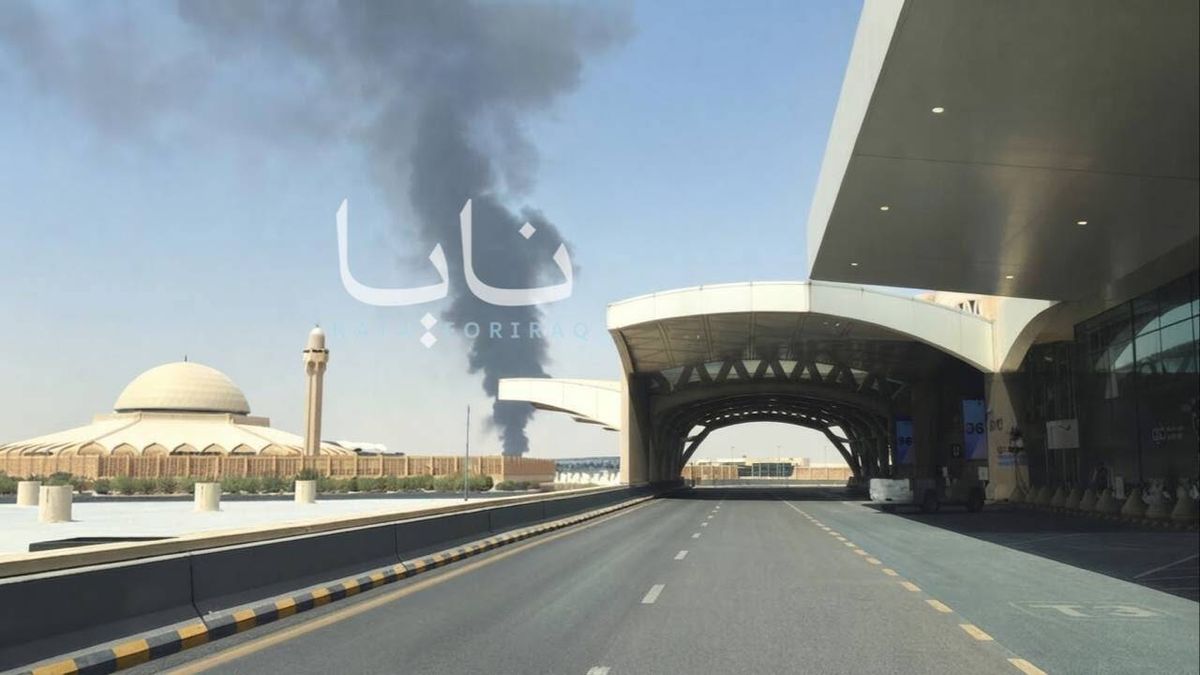
| Yemen-based Houthi rebels launched multiple attacks on the King Khaled International Airport in Riyadh. |
| Donald Trump is actively evaluating potential US intervention alongside Saudi Arabia. |
| The Palestinian Authority has officially delayed legislative and presidential elections until September 2027. |
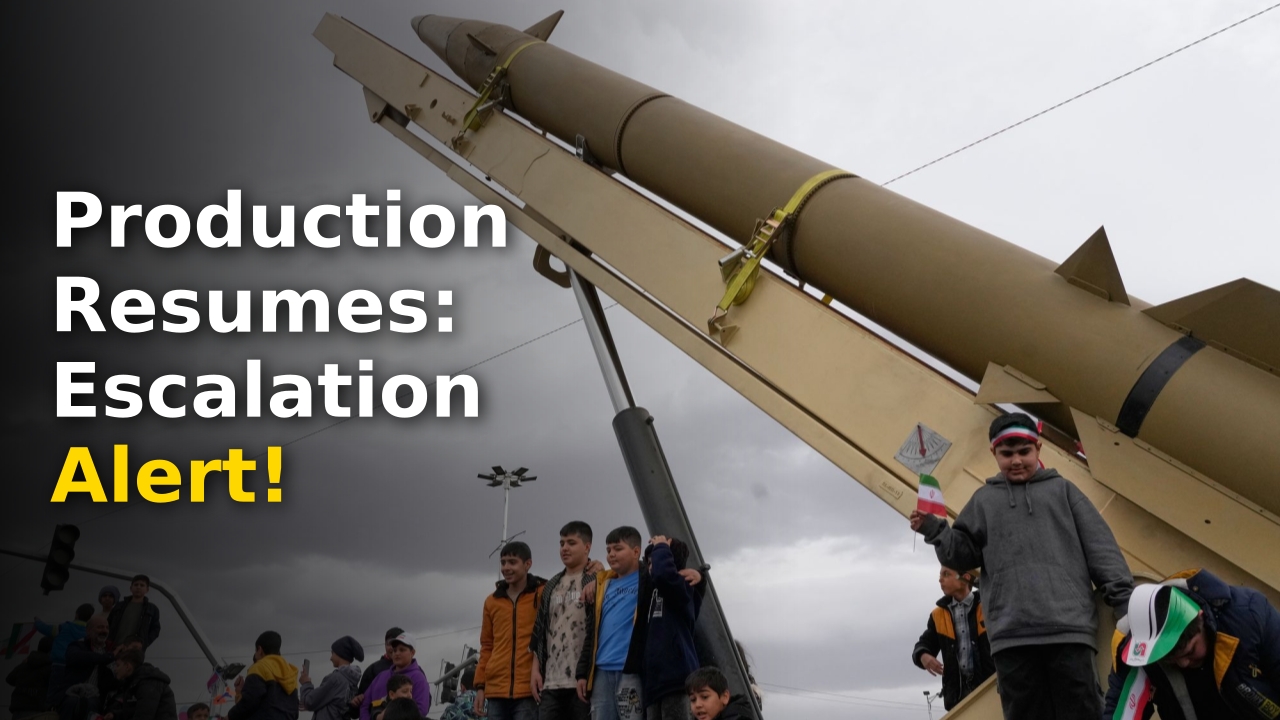
Iran missile production has emerged as the central pivot point of current Middle Eastern instability, with recent intelligence revealing that Tehran has effectively circumvented months of targeted strikes to restore its manufacturing capabilities. You are witnessing a critical juncture where regional tensions are spilling over into direct attacks on international infrastructure, including the latest assault on Riyadh’s air traffic hub.
As global powers watch the volatile situation unfold, the strategic resilience of Iranian proxy networks, particularly the Houthi forces in Yemen, remains a primary concern for the United States. While political maneuvering continues in Washington, the reality on the ground is marked by escalating violence and the ongoing reconstitution of military arsenals by state and non-state actors alike.
The Surge in Iran Missile Production
The latest reports indicate that Iran missile production facilities, once thought to be severely compromised by precision strikes, are back at operational capacity. This rapid recovery highlights a significant gap in the deterrence strategies previously employed by Israel and the United States. Intelligence sources suggest that the domestic industry is focusing heavily on antiship weapons and advanced ballistic systems, which could significantly alter the balance of power in the Persian Gulf.
This recovery is occurring despite a period of relative quiet from the White House regarding new kinetic operations. Observers suggest that the upcoming mid-term election cycle may be influencing current US strategic patience, allowing Tehran a window of opportunity to harden its infrastructure against future tactical incursions. The ability of these militias to continue their operations suggests a robust supply chain that remains largely intact.

Understanding Regional Proxy Dynamics
The relationship between Iranian leadership and the Houthi movement serves as the heartbeat of this conflict. By outsourcing regional pressure to groups like the Houthis, Tehran successfully avoids direct culpability while achieving its strategic goals of destabilizing regional energy and transport hubs. The attack on the King Khaled airport is not an isolated incident but a symptom of a wider, coordinated effort to force concessions from the Saudi government.
Tactical Impact and Market Disruption
The security landscape in Saudi Arabia has shifted dramatically following the repeated strikes on Riyadh. The airport, a critical nexus for international travel and cargo, has faced total operational halts as authorities scramble to manage the damage and ensure passenger safety. This disruption has ripple effects across regional economies, highlighting the vulnerability of critical national infrastructure to drone and missile warfare.
| Event | Status | Region |
|---|---|---|
| Riyadh Airport Attack | Active/Suspended | Saudi Arabia |
| Missile Facility Reset | Confirmed | Iran |
| Elections Delay | Postponed | West Bank |
Expert Analysis of Military Reconstitution
Defense analysts suggest that the ability to repair military infrastructure under duress is a hallmark of the modern Iranian strategy. By adopting decentralized manufacturing, Iran has made it nearly impossible for traditional airstrikes to permanently cripple their production lines. This ‘defense in depth’ strategy means that even if one plant is destroyed, components are produced across a network of hidden sites, ensuring the supply of weaponry to regional proxies remains constant.
By the Numbers: Expert analysis from Forbes financial and defense reporting highlights that the cost of drone production for these groups is a fraction of the cost required to intercept them using advanced air defense systems. This economic asymmetry creates an unsustainable scenario for regional defenders, potentially shifting the strategic advantage toward the aggressors unless defense technologies are drastically improved in the coming fiscal year.
Diplomatic Challenges and Escalation Risks
Vladimir Putin has recently intervened, attempting to bridge the diplomatic chasm between Washington and Tehran. While Moscow’s involvement is often viewed with skepticism in Western capitals, the direct line of communication between the Kremlin and the White House regarding Iran’s positioning remains a vital component of global stability. Whether this will lead to a de-escalation of the Iran missile production output remains a subject of intense debate among international relations experts.
Furthermore, the internal politics of the Palestinian Authority add another layer of complexity. With elections postponed until 2027, the power vacuum in Gaza and the West Bank continues to be exploited by groups like Hamas and the Islamic Jihad. As documented by current regional updates, the ongoing neutralizations of key militants by Israeli forces are part of a broader, unfinished campaign to degrade regional terrorism capabilities.
People Also Ask
What happened with Iran missile production today?
Reports indicate that Iran has successfully restored its missile and drone manufacturing capabilities despite months of targeted strikes, maintaining a steady flow of armaments to proxy groups.
Why is the Riyadh airport trending right now?
The airport is trending due to multiple attacks carried out by Houthi rebels, which resulted in passenger injuries and the suspension of international flight traffic.
How does the election delay affect the Palestinian Authority?
The postponement of elections to September 2027 by Mahmoud Abbas effectively cements the current political status quo, drawing criticism and further complicating regional peace efforts.
When is the next major diplomatic update regarding the Middle East?
Diplomatic efforts involving Russia and the United States remain ongoing, though no formal schedule for a breakthrough has been released as of late 2027.
Future Outlook and Strategic Summary
As we head into the final months of the year, the stability of the Middle East remains tied to the ongoing developments in Iran missile production. The interplay between drone warfare, proxy agitation, and the shifting political landscape in Washington suggests that this conflict will remain a primary global concern well into 2028. You can find more detailed geopolitical insights here as the situation evolves.
Keeping a close watch on these developments is essential for understanding the future of global energy prices and regional security alliances. With the international community divided on the best path forward, the resolution of these conflicts will likely require more than just diplomatic words; it will require a fundamental reassessment of current containment policies and long-term strategic investments by all involved stakeholders.
More Like This
For more updates, check out our latest entertainment and sports news.