Key Takeaways
| G-Force Intensity | Passengers endure 7.5Gs, equivalent to 7.5 times Earth’s gravity. |
| Vertical Climb | The Super Hornet climbs from 1,000 to 15,000 feet in just 15 seconds. |
| Supersonic Capability | The flight profile includes a 360-degree lap that breaks the speed of sound. |
| Pilot Spotlight | Lieutenant Commander Ronny Hafeza, a first-gen American, leads the 2026 maneuvers. |
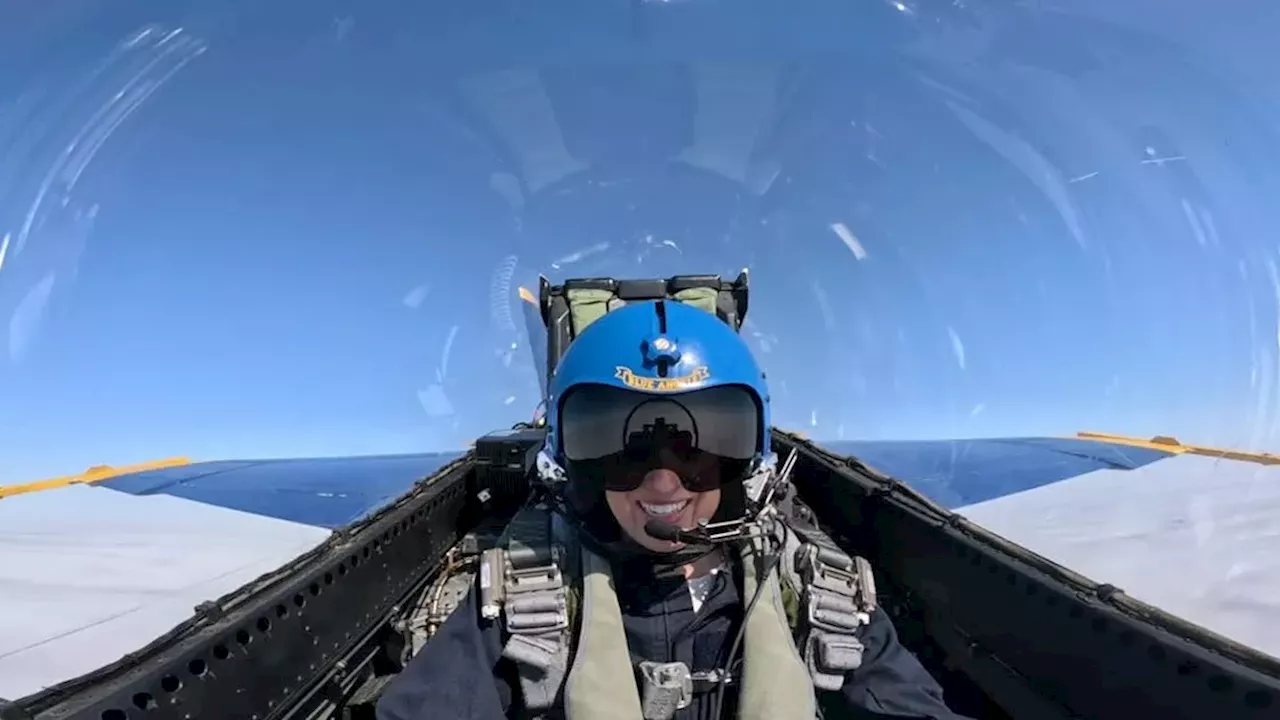
You are strapped into the cockpit of a multi-million dollar machine, your heart hammering against your ribs as the smell of jet fuel fills the crisp Oakland air. The Blue Angels Fleet Week 2026 experience is not merely a flight; it is a violent, beautiful confrontation with the laws of physics that redefines what the human body can endure. When the afterburners kick in, the world behind you dissolves into a blur of heat and noise, leaving only the focused precision of naval aviation excellence.
The return of the U.S. Navy’s premier flight demonstration squadron to Northern California marks a pivotal moment for the region. Following previous cancellations due to federal budget constraints, the 2026 appearance represents a full-scale restoration of military pageantry. For the pilots and the lucky few who ride in the backseat, the mission is clear: showcase the pinnacle of American air power while weaving through the iconic fog of the San Francisco Bay.
Flying in a Boeing F/A-18E/F Super Hornet requires more than just courage; it demands a physical resilience that rivals professional athletics. As the jet screams down the runway at Oakland International Airport, the transition from Earth-bound to skyward is instantaneous. There is no middle ground, only the sudden, crushing weight of gravity as the aircraft tilts its nose toward the edge of space.
The Intensity of Blue Angels Fleet Week 2026
Experience the sheer force of Blue Angels Fleet Week 2026 through the eyes of those who have survived the 7.5G pull. This level of gravitational force means a 180-pound person suddenly feels as though they weigh over 1,350 pounds. To combat this, you must engage in a full-body isometric contraction, essentially holding a maximum-effort squat and plank simultaneously for nearly a minute while attempting to breathe in short, rhythmic bursts.
Lieutenant Commander Ronny “Downy” Hafeza, who joined the elite team in 2025, serves as the steady hand guiding these high-stakes maneuvers. For Hafeza, a first-generation American with nine years of Navy service, these flights are a fulfillment of a lifelong dream to reach the edge of space. His expertise allows the Super Hornet to execute rolls, loops, and high-speed passes that seem to defy the very air supporting the wings.
The flight path over San Francisco offers a perspective reserved for the elite. Seeing the Golden Gate Bridge from 15,000 feet, only to dive toward the water at subsonic speeds, creates a sensory overload that few other experiences can match. The precision required to fly inches from another aircraft while maintaining these speeds is why the Blue Angels remain the gold standard of aerial performance.

The Physical Toll of High-G Maneuvers
The most difficult aspect of the flight is the vertical climb. Moving from 1,000 feet to 15,000 feet in roughly 15 seconds creates a physiological shock known as G-LOC (G-force induced Loss Of Consciousness) if the passenger fails to stay flexed. The stomach churns, the vision narrows, and the brain struggles to process the rapid change in altitude. It is a roller coaster that never ends, powered by twin engines generating 44,000 pounds of thrust.
Despite the violence of the movement, the cockpit remains a place of intense focus. Hafeza narrates every move, from the 360-degree laps to the supersonic breaks that rattle the windows of the city below. For the residents of San Francisco, the sound is a familiar roar; for the person in the jet, it is a symphony of engineering and human will. This year’s event has seen record engagement, as fans flock to the Embarcadero to witness the official U.S. Navy flight demonstration squadron in peak form.
Super Hornet Performance Data 2026
To understand why the Blue Angels are so effective, one must look at the hardware. The Boeing F/A-18E/F Super Hornet is a masterpiece of modern warfare, adapted for the tight, graceful maneuvers of an air show. Below is a breakdown of the technical specifications that make the Blue Angels Fleet Week 2026 possible.
| Metric | Super Hornet Specification |
|---|---|
| Top Speed | Mach 1.8 (1,190 mph) |
| Maximum G-Rating | 7.5G (Air Show Limit) |
| Climb Rate | 45,000+ feet per minute |
| Engine Thrust | 22,000 lbs per engine |
| Wing Span | 44.7 feet |
Expert Take: The Engineering Moat
By the numbers, the F/A-18E/F is significantly more advanced than the older “Legacy” Hornets used in decades past. The increased fuel capacity and advanced flight control systems allow the 2026 team to perform longer sequences with tighter turn radii. According to aerospace analysts, the shift to the Super Hornet has allowed the Blue Angels to incorporate more “nose-high” maneuvers that weren’t physically possible 20 years ago, creating a more dramatic spectacle for the millions watching from the San Francisco waterfront.
The Legacy of Naval Aviation in San Francisco
San Francisco’s relationship with the Navy is deeply rooted in the city’s history, dating back to the heavy naval presence at Treasure Island and the Presidio. Fleet Week serves as the annual connective tissue between the civilian population and the military. For many, the sight of the blue and gold jets over Alcatraz is a symbol of stability and technological pride. The 2026 event is particularly poignant as it marks a full return to form for the city’s tourism sector.
Lieutenant Commander Hafeza’s story is a central theme of the Blue Angels Fleet Week 2026 narrative. As a first-generation American, his climb to the rank of fighter pilot embodies the “American Dream” often cited by the Navy’s recruitment wing. His presence on the tarmac, meeting with families and aspiring aviators, bridges the gap between the intimidating machinery of war and the human stories behind the helmets.
During the practice rounds on Thursday, the team focused on local landmarks, using the Transamerica Pyramid and the Salesforce Tower as visual waypoints. This familiarity with the local terrain is vital, as the micro-climates of the Bay Area can create sudden pockets of fog that require pilots to switch to “low-show” routines instantly. Their ability to adapt ensures that the show goes on, regardless of the weather.

Community Impact and Outreach
Beyond the aerobatics, the Blue Angels engage in significant community outreach. Figures like Michael McNeill, an executive with the Glens Academy soccer club, are often selected for civilian flights to highlight local leadership. These “key influencer” flights are designed to showcase the discipline and professionalism of the Navy to those who shape local communities. It’s a strategy that has kept the Blue Angels relevant in the digital age, as social media clips of these flights garner millions of views on platforms like Bright Celebrity news coverage.
Technical Precision and Safety Protocols
Safety is the primary concern for any flight involving the Blue Angels. Before any reporter or civilian enters the cockpit, they undergo hours of safety briefings. This includes learning how to operate the ejection seat—a last-resort system that no one ever hopes to use—and understanding the communication protocols with the pilot. The Blue Angels Fleet Week 2026 team operates with a zero-margin-for-error mindset, where every bolt and fuel line is inspected multiple times daily.
The “Downy” Hafeza flight was a masterclass in this protocol. Every roll and loop was preceded by a verbal countdown, allowing the passenger to prepare their body for the G-load. This communication is what allows the Blue Angels to fly in formations where the wingtips are sometimes less than 18 inches apart. Such precision is not just for show; it is a demonstration of the tactical discipline required in actual combat scenarios.
The logistics of moving the entire squadron, including the C-130 support aircraft known as “Fat Albert,” is a feat of military planning. From their home base in Pensacola to the temporary hangar in Oakland, the team operates as a self-contained city. This efficiency is a core reason why they can maintain a grueling schedule that spans across North America for the majority of the year.
By The Numbers: Fuel and Logistics
The environmental and logistical footprint of the show is massive. A single Blue Angels performance can consume thousands of gallons of specialized JP-5 jet fuel. In 2026, the Navy has integrated more sustainable logistics practices, though the raw power of the Super Hornet remains unchanged. For those tracking the economic impact, Fleet Week brings in an estimated $10 million in revenue to San Francisco’s hospitality industry, proving that the roar of the jets is also the sound of a thriving local economy.
People Also Ask
What happened with the Blue Angels in San Francisco today?
The Blue Angels conducted high-intensity practice flights over the San Francisco Bay, including precision maneuvers over the Golden Gate Bridge and Alcatraz, in preparation for the official Fleet Week 2026 air show.
Why is Fleet Week 2026 trending right now?
Fleet Week is trending due to the return of the Blue Angels after previous cancellations and the inclusion of first-generation pilot Lieutenant Commander Ronny Hafeza, whose story has captured national media attention.
How many Gs do Blue Angels pilots pull?
Blue Angels pilots and their passengers typically pull up to 7.5Gs during their demonstration maneuvers, which is 7.5 times the force of Earth’s normal gravity.
When is the next Blue Angels air show in 2026?
The Blue Angels are scheduled to perform three consecutive days of air shows in San Francisco during Fleet Week, typically occurring in the second week of October.
Final Thoughts on the Blue Angels Performance
The thunderous conclusion of a Blue Angels Fleet Week 2026 flight leaves more than just a ringing in the ears; it leaves a profound respect for the limits of human achievement. As the Super Hornet touches back down on the tarmac and the canopy opens, the transition back to “Earth gravity” feels heavy and slow. You realize that for a brief window, you were part of a legacy that spans decades of naval excellence.
For the millions of fans who watch from the ground, the show is a spectacle of light and sound. For the pilots like Ronny Hafeza, it is a daily commitment to the values of the U.S. Navy. As the team prepares for their next flight over the Bay, the 2026 season stands as a testament to the enduring power of flight and the unbreakable bond between the city of San Francisco and the men and women who serve in the armed forces. Whether you are a first-time viewer or a seasoned aviation enthusiast, the thrill of the Blue Angels remains an unmatched American experience.
More Like This
For more updates, check out our latest entertainment and sports news.