Key Takeaways
| A high-stakes, two-hour meeting in a Miami hotel room served as the turning point for the 2026 Padres season. |
| The team abandoned traditional rotations for a radical, matchup-based pitching strategy coined as pitching chaos. |
| Management successfully leveraged an 11-man bullpen to maximize favorable matchups against opposing lineups. |
| Post-meeting adjustments resulted in a 5-1 record over the implementation period, keeping playoff hopes alive. |
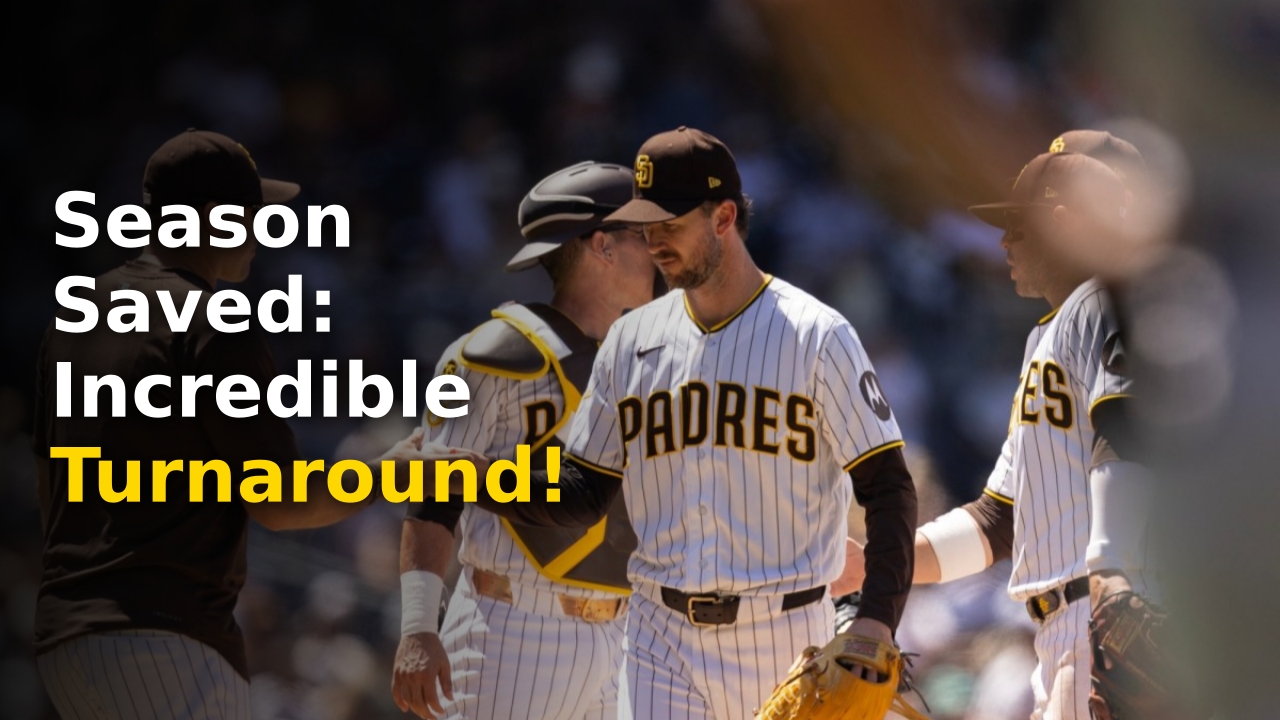
The Padres season saved by a radical tactical shift in July 2026 stands as one of the most remarkable turnarounds in modern baseball history. When the team sat three games under .500 and stared down the barrel of a fire-sale trade deadline, a heated, two-hour intervention in a Miami hotel room changed the trajectory of the entire franchise.
You are looking at a masterclass in organizational pivots. By embracing their lack of traditional starting pitching, the front office and coaching staff turned a potential disaster into a 97% playoff probability. This is how the 2026 San Diego Padres redefined the way modern teams approach the mound.
The Padres Season Saved By Radical Strategy
The decision to pivot came after the team had struggled to provide consistency for over 100 games. Throughout June and July, the starting rotation was decimated by injuries, forcing manager Craig Stammen and pitching coach Ruben Niebla to operate with limited resources. 
The catalyst for the change was a series of losses where starters were unable to bridge the gap to the later innings. In a 32-game stretch, the Padres managed five or more innings from their starter just 13 times, forcing the bullpen into a state of exhaustion. The front office knew that continuing on the current path meant surrendering the 2026 postseason. Learn more about the front office culture at Bright Celebrity.
During the Miami summit, A.J. Preller pushed the organization toward a highly experimental, matchup-driven rotation. The staff moved away from traditional “bulk” starters and instead implemented a highly detailed, pitcher-by-pitcher recipe. This approach ensured that every athlete faced only the hitters they were statistically optimized to retire. You can find detailed league-wide statistics at ESPN, which confirm the extreme disparity in bullpen usage during this mid-season period.
The Pitching Chaos Methodology
The term “pitching chaos” became a shorthand for what was actually a deeply analytical, data-heavy operation. Led by the research and development team, coaches mapped out every at-bat based on advance scouting and real-time situational data. The objective was simple: maximize talent and minimize exposure to unfavorable matchups.
- Strict lane enforcement for every pitcher on the roster.
- Utilizing a rotation of 11 relievers to cover innings.
- Aggressive substitution patterns, even during high-performing outings.
- Prioritizing matchup efficiency over the traditional five-inning starter requirement.
Padres 2026 Performance Metrics
| Metric | Before Meeting (June-July) | After Strategy Shift |
|---|---|---|
| Record | Sub .500 | 5-1 in experimental period |
| Starter 5+ Innings | 13 out of 32 games | Consistently high efficiency |
| Playoff Odds | Below 50% | 97% |
The Cultural Impact of the Pivot
Beyond the spreadsheets and scouting reports, the success of the 2026 Padres relied heavily on player buy-in. Veterans and younger arms alike had to sacrifice personal goals, such as traditional starting rotation time, for the good of the organization. Michael King and others eventually embraced the program once the early wins began to pile up. 
This level of selflessness is often cited as the “X-factor” that allowed the team to survive the transition period. Stammen and Niebla played a pivotal role in keeping the clubhouse unified despite the chaotic nature of the schedule. For further insight into player management, read more about modern sports management trends at Bright Celebrity.
The front office did not stop with the experiment. Once the team had stabilized their position, they made key acquisitions, such as Walker Buehler and Casey Mize, at the trade deadline. These moves were only possible because the team remained in the hunt during those critical 10 days of pitching innovation.
People Also Ask
What happened with the Padres pitching staff in July 2026?
The team held a high-stakes meeting in Miami that resulted in a switch to a radical, matchup-based pitching rotation. They moved to an 11-man bullpen approach to maximize efficiency and avoid further losses.
Why is the Padres 2026 season considered a comeback?
The team was below .500 and out of playoff contention before the tactical shift in late July. They eventually secured a 97% chance of reaching the playoffs through this mid-season adjustment.
How does the new pitching strategy affect the playoffs?
The stabilized rotation allowed them to acquire reinforcements at the trade deadline. They now possess a legitimate starting rotation for the postseason run.
Who were the key figures in the Padres turnaround?
The primary decision-makers included president A.J. Preller, manager Craig Stammen, and pitching coach Ruben Niebla, supported by the R&D and scouting departments.
Reflections on a Saved Season
The 2026 season demonstrates that organizational flexibility is just as important as on-field talent. By being honest about their limitations and courageous enough to experiment, the Padres not only saved their season but perhaps influenced the future of the game. The Padres season saved through such unconventional means is a testament to the power of adaptation in professional sports.
More Like This
For more updates, check out our latest entertainment and sports news.