Key Takeaways
| Broadcast Crisis: The struggling 0-2 Atlanta Falcons are locked into three consecutive national primetime games starting in Week 3. |
| Offensive Futility: Atlanta has failed to run a single offensive play inside the opponent’s redzone through two full weeks of the 2026 season. |
| Quarterback Chaos: Star acquisition Tua Tagovailoa and backup Michael Penix Jr. are both sidelined, forcing third-stringer Cooper Rush into action. |
| Scheduling Quirk: Early-season NFL broadcasting contracts prevent the league from flexing the Falcons out of high-profile TV windows. |
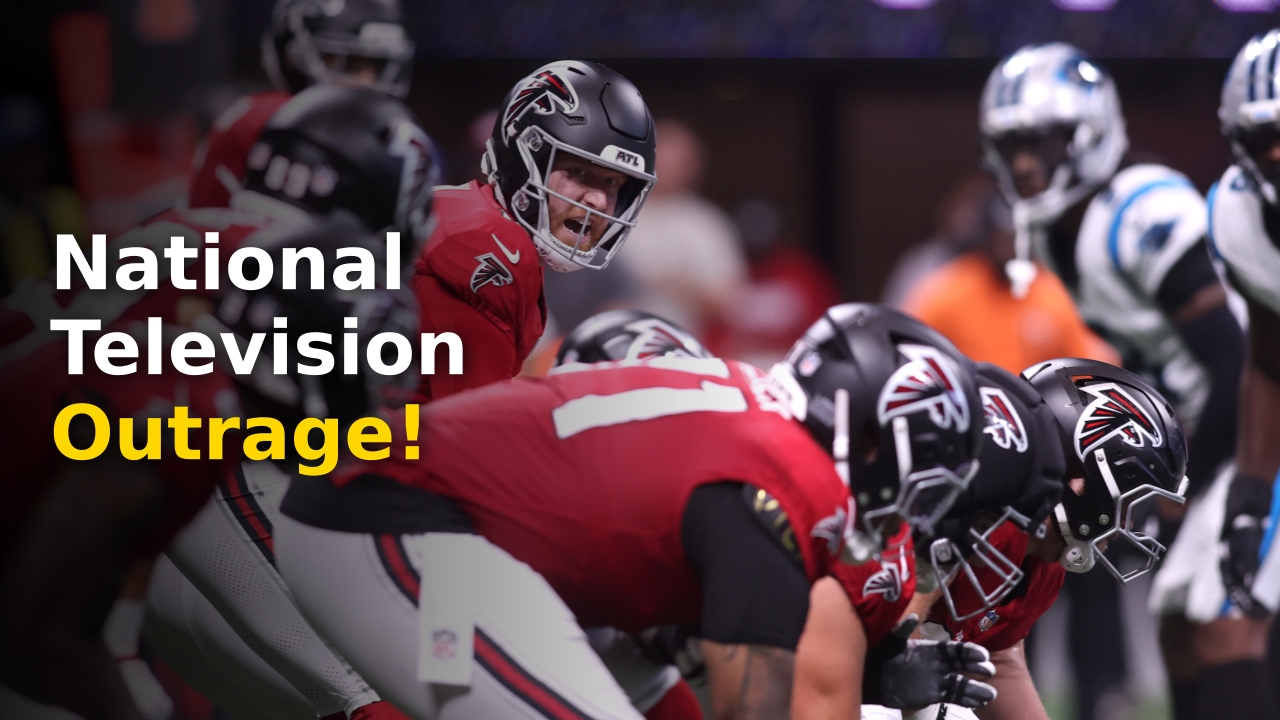
If you are a football fan who values highly competitive, high-scoring national broadcasts, the newly adjusted Falcons Primetime Schedule for the 2026 season is about to test your patience. The Atlanta Falcons are currently sitting at a miserable 0-2 record, having failed to score a single touchdown in their last game. Now, the NFL is forcing this struggling franchise into the national spotlight for three consecutive weeks, showcasing a backup-driven roster to millions of disgruntled households across the United States. Whether you are ready or not, Atlanta will anchor the league’s marquee television windows, starting with a cold trip to Green Bay.
This unprecedented television stretch has sparked a massive wave of backlash across social media platforms. Fans are expressing deep frustration that a team averaging a mere 1.5 points per game over their last eight quarters is dominating evening television. The situation highlight a structural issue within the league’s scheduling matrix. When television executives drafted this lineup, they envisioned a high-flying offense led by newly acquired superstar quarterback Tua Tagovailoa. Instead, a series of catastrophic injuries has left the team relying on journeymen and undrafted rookies.
The Impact of the Falcons Primetime Schedule
The decision to showcase the Atlanta Falcons national games on consecutive nights is already backfiring in spectacular fashion. According to reports from ESPN’s official NFL coverage, the team’s offense is historically stagnant, failing to establish any vertical passing threat. The upcoming Falcons Primetime Schedule represents a massive gamble for networks like Amazon Prime, ESPN, and NBC, who paid billions for premium matchups. If the team continues its offensive collapse, viewership numbers for these multi-million dollar broadcasts could reach historic lows.
The scheduling quirk stems from the league’s desire to capitalize on the franchise’s chaotic off-season quarterback battle. In the spring of 2026, the front office made waves by signing Tua Tagovailoa to a blockbuster contract while simultaneously managing second-year signal-caller Michael Penix Jr.. This dual-threat quarterback narrative made Atlanta one of the most intriguing teams in the league. However, with both players currently injured, the national audience must now endure a team lacking identity and offensive production.
Unpacking the Social Media Backlash
NFL analysts and fans have taken to social media to vent their frustrations regarding the upcoming broadcast slate. High-profile insiders have pointed out that Atlanta has played two full games without running a single play inside the redzone. This level of offensive futility is nearly unprecedented in the modern era of professional football. For fans who subscribe to expensive streaming packages, the prospect of watching three straight weeks of this product is incredibly disappointing.
Many fear that these primetime slots will turn into blowout games that fail to keep viewers engaged past the second quarter. When a national audience tunes in for marquee matchups, they expect high-octane offensive battles and tactical masterclasses. Instead, the upcoming slate offers a wounded team trying to survive against three of the most physical defenses in the league. This disparity is expected to drive viewers away from linear television toward alternative streaming options.
Why the NFL Scheduling Formula Backfired
The league’s broadcast scheduling department utilizes complex algorithms to predict which teams will remain competitive late into the year. However, these algorithms cannot account for sudden, devastating injuries to key franchise players. Because the schedule is locked in months in advance, there is very little room for flexibility during the first month of the season. This rigid structure explains why the public is stuck with uncompetitive matchups during the crucial early weeks.
Furthermore, early-season flex rules are highly restricted due to the massive logistical challenges of moving games. Stadium staff, local law enforcement, and television production crews require weeks of advance notice to shift kickoff times. As a result, the league must proceed with its scheduled broadcasts, regardless of how badly a team is performing. This systemic issue highlights the need for more adaptable broadcasting policies in future television contracts.
Inside the Atlanta Quarterback Nightmare
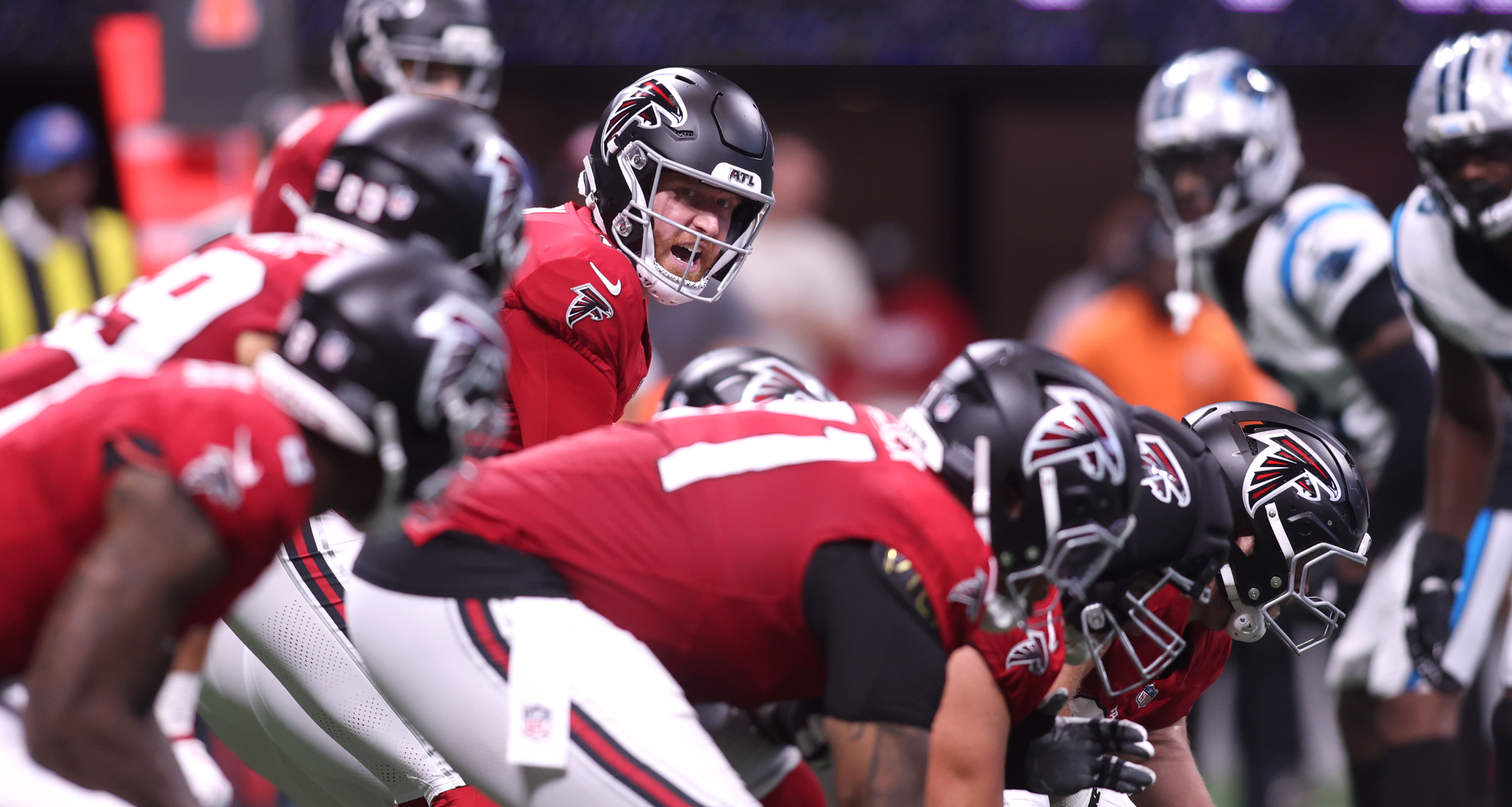
To understand how the NFL primetime TV broadcast lineup became so compromised, one must analyze the historic collapse of Atlanta’s quarterback room. The organization entered the 2026 offseason with one of the most expensive and highly debated quarterback situations in league history. They structured their entire playbook around the quick-release passing style of Tua Tagovailoa. His ability to distribute the ball to perimeter playmakers was supposed to elevate the entire franchise.
Unfortunately, the offseason optimism evaporated when both Tagovailoa and Michael Penix Jr. suffered severe injuries before the regular season kicked off. This left the front office scrambling to find a viable starting option on short notice. The responsibility fell to veteran backup Cooper Rush, who has struggled to replicate his past success in a brand-new offensive system. The lack of chemistry between Rush and his receiving corps has been painfully obvious on game days.
The Offseason Hype of Tua Tagovailoa and Michael Penix Jr.
When the front office completed the signing of Tua Tagovailoa, they believed they had secured a franchise savior. The media coverage surrounding the signing was intense, with local outlets predicting a deep playoff run. Behind the scenes, coaches were also developing Michael Penix Jr., hoping to create a dynamic two-quarterback system that would confuse opposing defensive coordinators. This aggressive strategy was praised by mainstream outlets covering entertainment industry news and sports culture.
However, the aggressive approach left the roster incredibly top-heavy, with minimal salary cap space remaining for quality depth. When both quarterbacks went down, the team had no established safety net. The drop-off in talent from the starters to the backup unit has completely crippled the team’s ability to move the chains. This roster construction failure is now being exposed on the national stage.
Cooper Rush and the Offensive Meltdown
The insertion of Cooper Rush Falcons quarterback duties has resulted in some of the worst offensive metrics in franchise history. In Week 1, Rush threw a devastating, game-losing interception directly to star defender T.J. Watt. The following week, the offense managed just three points against a Carolina Panthers defense that had previously surrendered 59 points. Rush turned the ball over three times before being benched for undrafted rookie Jack Strand.
Strand’s appearance did little to spark the offense, as the young quarterback looked completely overwhelmed by the speed of the professional game. The coaching staff is now facing the impossible task of preparing these depth players for three consecutive championship-caliber defenses. Without a dramatic turnaround in protection and play-calling, the offensive unit is on track to set historic lows for efficiency.
Analyzing the 2026 National Broadcasts
The upcoming three-game stretch represents a brutal gauntlet that could officially end Atlanta’s postseason aspirations before October. Each of the three opponents features a highly aggressive defensive front that excels at forcing turnovers. For a backup quarterback operating behind a struggling offensive line, this schedule is a absolute worst-case scenario. Let’s break down the three upcoming national games that have fans so concerned.
National broadcasters are already preparing contingency plans to keep viewers engaged during potential blowouts. This includes featuring deep-dive segments on individual player histories, upcoming draft prospects, and league-wide trade rumors. Producers are well aware that maintaining high dwell times during uncompetitive games requires creative broadcasting strategies. However, no amount of production value can completely mask a poor product on the field.
Week 3: Atlanta Falcons at Green Bay Packers on Thursday Night Football
The gauntlet begins with a difficult road trip to Lambeau Field to face the physical Green Bay Packers. Thursday night games are notoriously difficult for visiting teams due to the incredibly short preparation window. Players have only three days to recover physically and install a complex game plan. For a struggling quarterback like Cooper Rush, this lack of preparation time is a recipe for disaster.
There is a slight glimmer of hope, as a recent Michael Penix Jr injury update suggests the young quarterback could be cleared to play. However, rushing a young player back from injury on a short week without practice reps carries immense risk. If the coaching staff rushes his return, they risk aggravating the injury and permanently damaging his development. Most analysts expect Green Bay’s defense to dominate this matchup from the opening kickoff.
Week 4: Atlanta Falcons at New Orleans Saints on Monday Night Football
In Week 4, the team travels to the raucous Caesars Superdome for a historic division rivalry against the New Orleans Saints. This matchup is traditionally one of the most physical and intense games on the NFL calendar. Playing in front of a hostile New Orleans crowd is difficult for elite teams; for a backup-led offense, it will be deafening. The Saints defensive coordinator is known for utilizing exotic blitz packages that excel at rattling inexperienced quarterbacks.
This game will be broadcast to a massive audience on ESPN, placing additional pressure on the coaching staff to perform. If the offense continues its trend of failing to reach the redzone, the national commentary will likely turn highly critical. This game represents a crucial turning point for the franchise’s public image during the 2026 season.
Week 5: Baltimore Ravens at Atlanta Falcons on Sunday Night Football
The national stretch concludes with a home game against the powerhouse Baltimore Ravens on NBC’s Sunday Night Football. The Ravens possess one of the most complete rosters in professional sports, led by a devastating running game and a relentless defense. Facing this caliber of opponent in a primetime slot is a monumental challenge for any coaching staff.
By the time Week 5 arrives, the physical toll of this primetime stretch will be fully apparent. If Atlanta enters this game with an 0-4 record, team morale could be at an all-time low. This game could easily turn into a showcase for Baltimore’s star players, leaving local fans disappointed in their home stadium.
By the Numbers: Ratings and Performance Metrics
To fully understand the gravity of this broadcasting crisis, we must examine the comparative data. The following table outlines the details of the upcoming primetime stretch, illustrating the massive challenges facing the broadcast networks and the franchise itself. This data highlights why sports fans are so concerned about the quality of evening television over the next three weeks.
| Week | Opponent | Broadcast Network | Key Matchup Focus | Projected Starting QB |
|---|---|---|---|---|
| Week 3 | at Green Bay Packers | Amazon Prime Video | Packers Pass Rush vs. Weak O-Line | Cooper Rush / Michael Penix Jr. |
| Week 4 | at New Orleans Saints | ESPN / Monday Night Football | Hostile Dome Crowd vs. Silent Count | Cooper Rush / Jack Strand |
| Week 5 | vs. Baltimore Ravens | NBC / Sunday Night Football | Ravens Ground Game vs. Tired Defense | Michael Penix Jr. (Anticipated) |
According to Forbes’ sports business reporting, uncompetitive primetime games can cause live viewership to drop by as much as 25% during the second half. This drop-off directly impacts the advertising revenue of the broadcasting networks, who guarantee certain ratings milestones to their corporate sponsors. If viewers tune out early, networks are often forced to provide “make-good” commercial slots later in the season. This financial pressure is why the league is facing intense behind-the-scenes criticism from its media partners.
For the team, the lack of offensive production is translating into historical futility. The defensive unit, which played admirably during the first six quarters of the season, is starting to show signs of extreme fatigue. Because the offense cannot sustain drives, the defense is forced to remain on the field for extended periods. This imbalance will likely result in even larger margins of defeat as the season progresses.
The Financial Stakes of Bad NFL Broadcasts
The modern sports media landscape is built on the back of massive multi-billion dollar television contracts. These agreements guarantee that the league will provide high-quality, entertaining content to its broadcast partners. However, when a prominent franchise experiences a total collapse due to injuries, the entire financial ecosystem suffers. This reality is currently being felt by executives who manage national television portfolios.
When ratings decline, local businesses that purchase advertising space during these games also experience a drop in consumer engagement. This ripple effect extends to sports bars, restaurants, and merchandising outlets that rely on fan excitement to drive revenue. The current situation highlights the inherent financial risks of scheduling a single team for multiple consecutive national windows early in the year. The league may need to reconsider its approach to early-season scheduling in future negotiations.
Historically, the league has resisted making major changes to its scheduling format mid-season. However, the rise of streaming platforms and alternative viewing options has given consumers more choices than ever before. If a primetime broadcast is uncompetitive, viewers can easily switch to other high-quality entertainment options. This shift in consumer behavior is forcing league executives to pay closer attention to the quality of their weekly matchups.
To combat this issue, some industry experts have proposed implementing a more flexible scheduling system that begins earlier in the season. While this would present massive logistical challenges, it would ensure that national audiences are always treated to competitive games. As the media landscape continues to evolve, the pressure to deliver high ratings will only increase. This dynamic makes the outcome of the current broadcasting crisis incredibly important for the future of sports media, which we cover extensively in our sports culture features and exclusive celebrity updates.
People Also Ask
What is the current Atlanta Falcons quarterback situation?
The team is currently experiencing a severe quarterback crisis due to injuries to starter Tua Tagovailoa and backup Michael Penix Jr., leaving third-stringer Cooper Rush to start under center.
Why are the Atlanta Falcons playing three straight primetime games?
A unique quirk in the 2026 NFL broadcast schedule placed Atlanta in three consecutive national windows because league executives anticipated a highly competitive quarterback battle during the offseason.
Can the NFL flex the Atlanta Falcons out of primetime?
No, early-season flex scheduling rules are highly restricted due to the complex logistical challenges of moving games, meaning these matchups must proceed as originally scheduled.
When is Michael Penix Jr. expected to return from injury?
Insiders report there is a chance Penix could return as early as the Week 3 matchup against the Green Bay Packers, though playing on a short week presents significant risks.
Concluding the Falcons Primetime Schedule Slate
While the upcoming Falcons Primetime Schedule feels like a punishment for national viewers, it represents an even bigger danger for the franchise itself. If the coaching staff cannot find a way to generate offensive production immediately, an 0-5 start to the season is highly probable. This outcome would effectively end their playoff aspirations before the middle of October, rendering their expensive offseason acquisitions meaningless. The next three weeks will determine the direction of the franchise for the remainder of the 2026 season.
Ultimately, the situation serves as a warning for how quickly NFL storylines can change. A team that looked like a ratings goldmine in the spring has transformed into a national broadcasting headache by the autumn. As the entire country tunes in to watch this struggling unit, the pressure on the coaching staff and the backup players will reach an all-time high. Only time will tell if they can defy the odds and deliver a competitive performance on the national stage.
More Like This
For more updates, check out our latest entertainment and sports news.