Key Takeaways
| Final Fantasy 6 features a unique ensemble cast that lacks a traditional single protagonist. |
| Kefka Palazzo is widely ranked as the most effective villain in JRPG history. |
| The 2022 Pixel Remaster has revitalized interest in these characters for a 2025 audience. |
| Terra Branford and Celes Chere represent the dual emotional core of the narrative. |
You likely remember the haunting image of Magitek armor trudging through a blizzard toward the mining town of Narshe, a scene that redefined storytelling in the 16-bit era. This iconic opening introduced a generation to Final Fantasy 6 Characters, a cast that remains the gold standard for depth, trauma, and redemption in the gaming industry legends. Released originally in 1994 as Final Fantasy III in North America, this Square Enix masterpiece discarded the trope of the lone hero in favor of a sprawling ensemble that felt human despite their pixelated forms.
The brilliance of the writing lies in how Final Fantasy 6 Characters are woven into a narrative that shifts from a political rebellion to a post-apocalyptic struggle for survival. Unlike modern titles that often rely on photorealistic graphics to convey emotion, FF6 used Nobuo Uematsu’s legendary score and Yoshitaka Amano’s ethereal character designs to create an atmosphere of profound melancholy. Whether you are a veteran returning for the Pixel Remaster or a newcomer exploring the series’ roots in 2025, the complexity of these figures offers a narrative density rarely matched in contemporary RPGs.
To understand why this title occupies such a hallowed space in entertainment history, one must look at the specific psychological archetypes represented within the party. From the existential crisis of a half-human weapon of war to the nihilistic ascension of a clown-faced god, the game tackles themes of grief, loss, and the will to live. As we analyze the five best individuals from the game, we find that their enduring popularity is not just a matter of nostalgia, but a testament to superior character construction and thematic resonance.
Ranking the Best Final Fantasy 6 Characters in 2025
When evaluating the definitive list of Final Fantasy 6 Characters, the conversation invariably begins with Terra Branford. As the literal bridge between the human world and the magical Esper realm, Terra serves as the initial lens through which players experience the Gestahlian Empire’s cruelty. Her journey is not one of seeking power, but of finding the capacity to love—a quest that is subverted and tested throughout the game’s two distinct halves.
Terra is uniquely powerful in gameplay, possessing the natural ability to use magic without the aid of Magicite, but her true strength lies in her vulnerability. In the World of Ruin, she transitions from a soldier to a protector of orphans in Mobliz, proving that her character arc is about maternal instinct and the choice to fight for the future of others. Her Trance ability, which doubles her damage output, is a mechanical manifestation of her inner turmoil and ultimate acceptance of her dual heritage.
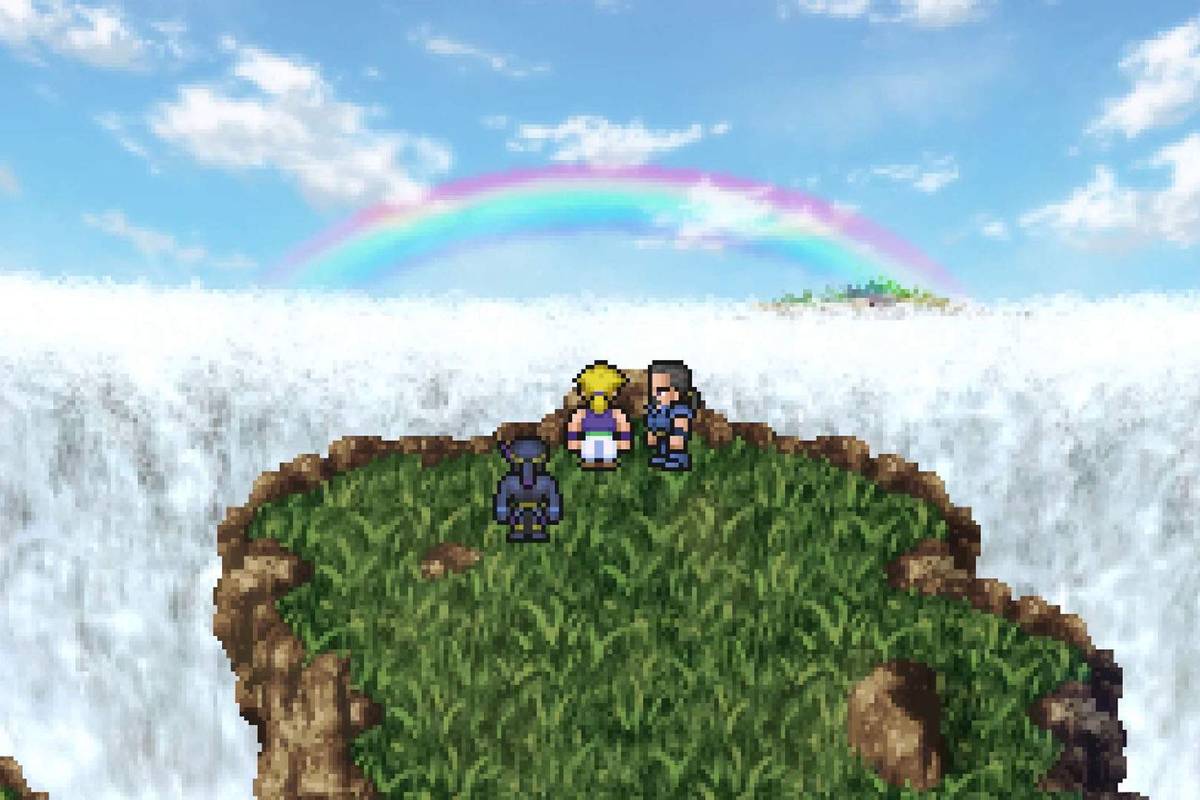
Parallel to Terra is Celes Chere, a former Imperial General whose narrative arc provides the backbone of the game’s second half. Celes is often considered the true protagonist of the World of Ruin, beginning her journey on a solitary island in a scene that remains one of the most emotionally taxing moments in pop culture retrospectives. Her ability to use Runic allows her to absorb enemy spells, making her an indispensable tactical asset in high-level boss encounters.
The relationship between Celes and the rest of the party, particularly her burgeoning romance with Locke, is handled with a subtlety that was revolutionary for 1994. Her performance in the Opera House—singing the Aria di Mezzo Carattere—is more than just a mini-game; it is a profound exploration of her character’s internal desire for connection and her fear of betrayal. In 2025, players still cite this scene as the moment they truly fell in love with the game’s storytelling capabilities.
The Mechanical Prowess of Sabin Rene Figaro
While the women of FF6 provide much of its emotional depth, Sabin Rene Figaro offers a blend of physical dominance and comedic levity. As the runaway prince of Figaro, Sabin’s rejection of his royal duties in favor of martial arts training gives him a unique outsider perspective. His Blitz commands, which require fighting-game style inputs, made him a fan-favorite for players who wanted more engagement than standard menu-driven combat.
- Phantom Train Suplex: An iconic gaming moment where Sabin physically lifts a locomotive.
- Aura Bolt: A powerful holy-elemental attack that scales with magic stats.
- Phantom Rush: Sabin’s ultimate Blitz, dealing massive non-elemental damage.
- Bum Rush: The original name for his ultimate move in the SNES translation.
Sabin’s bond with his brother Edgar is a highlight of the game’s early chapters, showcasing a healthy, supportive sibling relationship that is rare in the genre. Despite his massive strength, Sabin is often the first to offer a kind word or provide a moment of comic relief during the game’s darkest hours. His presence in the party ensures that even when the world is literally ending, there is still a sense of brotherhood and hope.
Statistical Analysis of Final Fantasy 6 Characters
In the following table, we break down the base statistics and unique roles of the core party members. Understanding these metrics is vital for optimizing your party for Kefka’s Tower, the game’s grueling final dungeon. Note how each character’s stats reflect their narrative role—with Terra and Celes excelling in Magic, while Sabin and Locke focus on Speed and Power.
| Character Name | Unique Ability | Primary Stat Focus | Narrative Role |
|---|---|---|---|
| Terra Branford | Trance / Magic | Magic / MP | The Reluctant Hero |
| Celes Chere | Runic / Magic | Magic / Stamina | The Redeemed General |
| Locke Cole | Steal / Mug | Speed / Agility | The Grieving Protector |
| Sabin Figaro | Blitz | Strength / HP | The Wandering Monk |
| Kefka Palazzo | Havoc Wing | N/A (Villain) | The God of Destruction |
Expert Take: By The Numbers – According to historical development data from 1994, the SNES version of Final Fantasy VI utilized a 24-megabit cartridge, the largest of its time. This allowed for 14 playable characters, the highest in the main series until the online installments. Interestingly, despite the technical limitations, the game tracks over 25 individual stats per character, including hidden variables like evasion and magic defense, which were famously bugged in the original North American release but fixed in the Pixel Remaster.
The Shadowy Past of Locke Cole and the Thief Prototype
Locke Cole is the emotional anchor for much of the game’s first half. While he insists on being called a “Treasure Hunter,” his skills as a thief are essential for acquiring rare gear from bosses. Locke’s motivation is rooted in profound loss; his inability to save his former love, Rachel, fuels his obsessive need to protect the women he encounters, specifically Terra and Celes. This survivor’s guilt is a dark, mature theme that elevated the game above its contemporaries.
His character quest in the World of Ruin involves the Phoenix Magicite, a powerful artifact that represents his desire to resurrect the dead. The resolution of his story—where he finally learns to let go and move on—is a powerful statement on the nature of grief. In terms of gameplay, a properly equipped Locke with the Valiant Knife and Master’s Scroll becomes arguably the highest damage dealer in the game, capable of striking eight times in a single turn.

Beyond his stats, Locke represents the “Everyman” archetypes that link the fantastical elements of Espers and Emperors to the human reality of the characters. He is flawed, impulsive, and often hides his pain behind a mask of bravado. This complexity makes him more relatable than many of the more powerful magical entities in the party, providing a grounded perspective on the world’s collapse.
Villainy Perfected: The Rise of Kefka Palazzo
No discussion of Final Fantasy 6 Characters is complete without Kefka Palazzo. While most villains of the era were motivated by power or a tragic backstory, Kefka is driven by pure, unadulterated nihilism. He doesn’t want to rule the world; he wants to break it. His transition from a court jester to a literal god who destroys civilization from a tower of garbage is one of the most daring narrative pivots in gaming history.
Expert Take: Narrative Subversion – In a traditional Hero’s Journey, the protagonist prevents the catastrophe. Final Fantasy 6 subverts this entirely by having Kefka succeed at the game’s midpoint. This pivot creates the “World of Ruin,” shifting the game’s tone from adventure to post-apocalyptic survival. According to IGN’s ranking of top franchise characters, Kefka often beats out FF7’s Sephiroth because his villainy is more intimate and successful within the context of his own story.
Historical Context: Why FF6 Characters Outshine Modern Titles
The enduring legacy of Final Fantasy 6 Characters can be attributed to the collaborative environment at Square (now Square Enix) during the early 1990s. Directors Yoshinori Kitase and Hiroyuki Ito encouraged the staff to contribute character ideas, leading to the diverse and eccentric cast we see today. This decentralized approach to character design ensured that no single perspective dominated the narrative, allowing for a more authentic ensemble feel.
Furthermore, the game’s translation by Ted Woolsey, while containing some inaccuracies, added a level of charm and personality that helped the characters resonate with a Western audience. Phrases like “Son of a sub-mariner!” became part of gaming lexicon. For a deeper look at how these localization choices affected the game’s reception, you can explore the Final Fantasy VI development history on Wikipedia, which details the rigorous 12-month production cycle.
As we look at the 2022 Pixel Remaster, we see these characters through a new lens. The updated sprites and orchestral rearrangements of character themes bring a new level of clarity to their journeys. In 2025, the game remains a must-play, not just for the gameplay, but for the masterclass in character development that it provides. It is a reminder that in the world of RPGs, the most powerful weapon is not a sword or a spell, but a well-written backstory.
People Also Ask
Who is the main protagonist of Final Fantasy 6?
Final Fantasy 6 is unique because it lacks a single main protagonist. While Terra Branford is the primary focus of the first half (World of Balance), Celes Chere takes the lead in the second half (World of Ruin), making the game a true ensemble narrative.
Is Kefka a better villain than Sephiroth?
This is a long-standing debate among fans, but Kefka is often considered superior because he actually succeeds in destroying the world and ascending to godhood. His pure nihilism and iconic laugh make him more of a direct, persistent threat throughout the story.
What makes the Opera House scene in FF6 so famous?
The Opera House scene is famous for its cinematic direction and emotional score, which was unprecedented on the SNES. It integrated gameplay, music, and character development into a single, cohesive performance that remains a landmark in gaming history.
How many playable characters are in Final Fantasy 6?
There are a total of 14 permanent playable characters in Final Fantasy 6, including hidden ones like Shadow, Mog, Gogo, and Umaro. This large cast allows for significant party customization and multiple parallel storylines.
The Final Legacy of the Figaro and Branford Names
In conclusion, the impact of Final Fantasy 6 Characters cannot be overstated. They represent a pinnacle of 16-bit storytelling that has yet to be eclipsed in many modern RPGs. By focusing on internal conflict, trauma, and the collective strength of an ensemble, Square Enix created a world that feels alive and characters that feel like old friends. Whether you are suplexing a train with Sabin or weeping over Celes’s island solitude, the emotional range of this game is staggering.
As we move further into the decade, these characters will continue to be studied by writers and game designers alike. Their stories are a testament to the power of the medium to explore the human condition. For more on the evolution of these archetypes, visit our sections on entertainment history and gaming industry legends to see how FF6 influenced the next generation of creators. The journey from Narshe to Kefka’s Tower is one every gamer should take at least once, for it is there that the true heart of the Final Fantasy series resides.
More Like This
For more updates, check out our latest entertainment and sports news.