Key Takeaways
| 12 Finalists Announced | Icons like Pokémon, Elmo, and Bingo are vying for induction. |
| Public Voting Dates | Fans can cast their ballots from September 16 to September 23. |
| Selection Criteria | Must possess icon status, longevity, and foster discovery/innovation. |
| November Winners | The final three inductees will join 90 existing legends in the Hall. |
You probably remember the holiday frenzy of 1996, when parents were literally brawling in store aisles to get their hands on a giggling red Muppet. The **Toy Hall of Fame 2026** finalists have officially been unveiled, and that same legendary Tickle Me Elmo is once again at the center of a national conversation, joined by heavy hitters like Bingo and the Pokémon Trading Card Game.
For decades, the National Toy Hall of Fame at The Strong Museum in Rochester, New York, has served as the ultimate arbiter of play value, and this year’s list is perhaps the most competitive in recent memory. Whether you are a fan of ancient tabletop strategy or 90s plush icons, the lineup for the Class of 2026 offers a nostalgic journey through the toys that defined our childhoods and shaped the cultural landscape of the United States.
This year’s competition isn’t just about fun and games; it is about recognizing the objects that have profoundly changed how we interact, learn, and grow. From the humble playground slide to the complex mechanics of Monster High dolls, the 12 finalists represent a diverse cross-section of play history that spans centuries of human ingenuity and entertainment.
Toy Hall of Fame 2026: Meet the 12 Finalists
The announcement of the **Toy Hall of Fame 2026** finalists has sparked a heated debate among collectors, historians, and casual fans alike. Leading the pack are household names that have permeated every corner of global culture, starting with the ubiquitous game of chance, Bingo, and the interactive phenomenon known as Tickle Me Elmo.
Joining these titans are the Pokémon Trading Card Game, which continues to dominate the secondary market with record-breaking auction prices, and the beloved Care Bears, whose message of emotional intelligence remains relevant decades after their debut. The list also includes the fast-paced handheld game Bop It!, the fashion-forward Monster High dolls, and the miniature play-sets of Polly Pocket.
Traditional board games are also well-represented this year, with Mouse Trap, Sorry!, and the dice-based classic Yahtzee making the cut. For those who appreciate the deep historical roots of play, the ancient game of Mahjong and the classic playground slide round out a roster that covers everything from physical activity to digital-era collectibility.
To understand the magnitude of this selection, one must look at the strict criteria set by the National Toy Hall of Fame. To be considered, a toy must have achieved “icon status,” meaning it is widely recognized and remembered. It must have longevity, spanning multiple generations, and it must foster discovery or innovation in toy design. This year’s finalists, particularly those making a repeat appearance on the ballot, have consistently proven they meet these high standards.
The Rise of Pokémon and Modern Collectibles
The Pokémon Trading Card Game (TCG) is perhaps the most formidable contender on the list. Since its American debut in 1998, it has transformed from a playground hobby into a multibillion-dollar industry. Collectors often track the most valuable toys in history, and Pokémon cards frequently top those lists, with rare holographic Charizards and Illustrator Pikachus fetching six and seven figures at elite auction houses like Heritage Auctions.
What makes Pokémon a strong candidate for the **Toy Hall of Fame 2026** is its ability to bridge the gap between social play and strategic collection. It isn’t just a game; it is a social currency that has survived the transition from the physical world to the digital age, maintaining a massive player base through professional tournaments and digital adaptations.
The Unstoppable Legacy of Tickle Me Elmo and Bingo
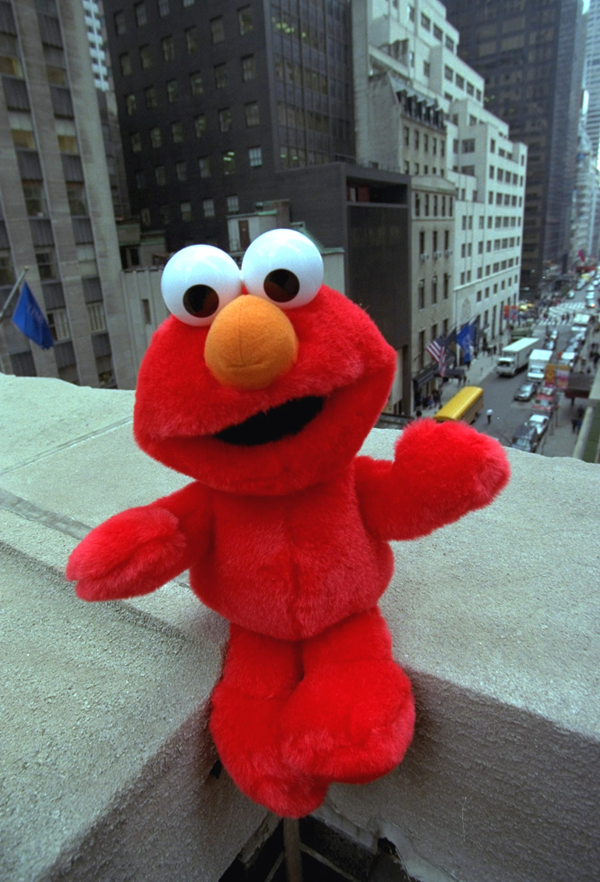
When Tickle Me Elmo first hit shelves in 1996, it created a retail phenomenon that has rarely been matched. Invented by Ron Dubren and Greg Hyman and marketed by Tyco, the doll utilized a simple but effective vibrating mechanism that simulated laughter. When Elmo was featured on The Rosie O’Donnell Show, the demand skyrocketed, leading to a shortage that saw the $28.99 doll being resold for upwards of $1,500.
Tickle Me Elmo represents a pivotal moment in the toy industry—the birth of the “must-have” holiday viral hit. It proved that technology, when paired with a beloved character from Sesame Street, could create an emotional bond with children that went beyond traditional play. Decades later, Elmo remains a staple of the preschool market, proving his longevity is no fluke.
Bingo, on the other hand, represents the “longevity” pillar of the Hall of Fame criteria like no other. Tracing its roots back to 16th-century Italy, the game evolved from a lottery known as “Lo Giuoco del Lotto d’Italia” into the modern version popularized by Edwin Lowe in 1929. Bingo is unique because it transcends age, played with equal enthusiasm in elementary school classrooms and senior living communities.
The cultural footprint of Bingo is massive. It has been used as a tool for education, a method for charitable fundraising, and a form of social gambling. Its inclusion in the **Toy Hall of Fame 2026** finalists list is a nod to the social power of play—how a simple card and some markers can bring an entire room of people together in pursuit of a single, exhilarating shout.
2026 Finalist Statistics and Comparative Play Value
Choosing between a plush doll and an ancient board game is no easy task for the selection committee. To better understand the field, we can look at the historical impact and market presence of these contenders. The following table provides a snapshot of the key metrics that define this year’s most prominent nominees.
| Toy / Game | Year Invented | Key Strength | Primary Audience |
|---|---|---|---|
| Bingo | 1530s (Modern: 1929) | Social Interaction | All Ages |
| Tickle Me Elmo | 1996 | Emotional Bonding | Preschoolers |
| Pokémon TCG | 1996 | Collectibility | Youth / Adult Collectors |
| Care Bears | 1981 | Emotional EQ | Children |
| Mahjong | 19th Century | Strategic Depth | Adults |
As the table illustrates, the 2026 finalists offer a diverse range of “play styles.” While Bingo and Mahjong rely on social mechanics and strategy, Tickle Me Elmo and Care Bears rely on the plush and nurturing aspect of play. This variety is intentional, as the National Toy Hall of Fame aims to celebrate all facets of the human play experience.
The Cultural Impact of Care Bears and Pokémon
The nomination of the Care Bears highlights a significant trend in the toy industry: the focus on emotional wellness. Originally created for greeting cards by American Greetings, the characters were transformed into a line of plush toys in 1983. Each bear, with its unique “belly badge,” represented a different emotion or personality trait, from Cheer Bear to Grumpy Bear.
This was revolutionary for the time. Before the Care Bears, many toys were focused on action or simulation. The Care Bears encouraged children to express their feelings and practice empathy. Today, as educators and parents place more emphasis on social-emotional learning, the Care Bears feel more relevant than ever. Their inclusion in the **Toy Hall of Fame 2026** acknowledges the toy’s role as a companion and a teacher of life’s most important lessons.
On the opposite end of the spectrum is the Pokémon Trading Card Game. While it also fosters community, its primary driver is the thrill of the hunt. The phrase “Gotta Catch ‘Em All” became a global mantra, leading to billions of cards sold worldwide. The game’s success is a testament to the power of intellectual property (IP). According to Forbes’ reporting on the toy industry, Pokémon remains the highest-grossing media franchise in history, and its trading cards are the physical anchor of that massive success.
In many ways, Pokémon redefined what it meant to be a “fan.” It wasn’t enough to just watch the show; you had to own the cards, battle your friends, and trade for the rarest items. This level of engagement is exactly what the National Toy Hall of Fame looks for—a toy that doesn’t just sit on a shelf but becomes an active part of a child’s daily life and identity.
Background and the Evolution of Modern Play
To truly appreciate the **Toy Hall of Fame 2026** nominations, one must understand the history of the Strong National Museum of Play. Founded in 1968 by Margaret Woodbury Strong, the museum houses the world’s most comprehensive collection of play-related materials. The Hall of Fame was established in 1998, and since then, it has inducted 90 toys, ranging from the cardboard box to the Nintendo Game Boy.
The selection process is rigorous. Anyone can nominate a toy, but the final decision rests with a panel of experts—historians, educators, and industry professionals. The public vote, which takes place this year between Sept. 16 and 23, acts as the “13th judge,” contributing to the final tally. This ensures that the toys inducted aren’t just historically significant, but also beloved by the people who played with them.
Expert Take: By The Numbers
According to internal data from the Strong Museum, the 12 finalists for 2026 represent over 1,000 years of collective history. The playground slide, for instance, dates back to the early 20th century in its modern form but is based on physical play concepts as old as humanity itself. Meanwhile, modern entries like Monster High, launched in 2010 by Mattel, represent the “disruptive” side of the industry. Monster High challenged traditional beauty standards for dolls, utilizing a gothic, “freaky-fab” aesthetic that resonated with a generation looking for something beyond the classic Barbie look. This tension between the ancient and the avant-garde is what makes the Hall of Fame such a fascinating study of human behavior.
We have also seen a massive surge in nostalgia trends shaping entertainment, where adults are buying back the toys of their youth. This “kidult” market now accounts for nearly 25% of all toy sales, which significantly boosts the chances for contenders like Polly Pocket and Bop It!. These toys aren’t just for kids anymore; they are artifacts of a shared cultural memory that adults are eager to preserve for the next generation.
People Also Ask
Which toys are the finalists for the Toy Hall of Fame 2026?
The 12 finalists for 2026 are Bingo, Bop It!, Care Bears, Mahjong, Monster High, Mouse Trap, Pokémon Trading Card Game, Polly Pocket, playground slide, Sorry!, Tickle Me Elmo, and Yahtzee.
How can I vote for the Toy Hall of Fame 2026 nominees?
Public voting for the Class of 2026 is open from September 16 to September 23 on the official National Toy Hall of Fame website. Fans can vote daily for their favorite finalists.
What are the criteria for being inducted into the Toy Hall of Fame?
To be inducted, a toy must meet four key criteria: Icon status (widely recognized), Longevity (multiple generations), Discovery (fosters learning), and Innovation (profoundly changed play design).
When will the winners of the Toy Hall of Fame 2026 be announced?
The winners will be officially announced in November during a ceremony at The Strong National Museum of Play in Rochester, New York.
Predicting the Class of 2026 Inductees
As the debate rages on, it is clear that the **Toy Hall of Fame 2026** will be one of the most memorable classes in history. If we look at past patterns, usually three toys are chosen: one classic/ancient game, one modern icon, and one “outside-the-box” entry. This would suggest that Bingo, Tickle Me Elmo, and perhaps the Pokémon Trading Card Game have the strongest paths to victory.
However, never count out the Care Bears. With the rise of hottest collectibles of 2026, the emotional resonance of these colorful characters could carry them across the finish line. Similarly, Mahjong has been a finalist multiple times, and many historians believe it is long overdue for its place among the greats like Chess and Scrabble.
Ultimately, the Hall of Fame serves as a reminder that play is a universal language. Whether you are shouting “Bingo!” in a crowded hall, trading cards in a schoolyard, or giggling along with Elmo, these experiences tie us together. As we wait for the final results in November, the debate itself—the memories shared and the cases made for our favorite childhood staples—proves that these toys have already won their place in our hearts.
More Like This
For more updates, check out our latest entertainment and sports news.