Key Takeaways
| Tim Brando cites a lack of mutual respect as the root cause of media tension. |
| Modern college coaches prioritize operational control over traditional press access. |
| Sports Information Directors have lost their historical influence on head coaches. |
| High-stakes interviews are increasingly replaced by scripted, softball media sessions. |
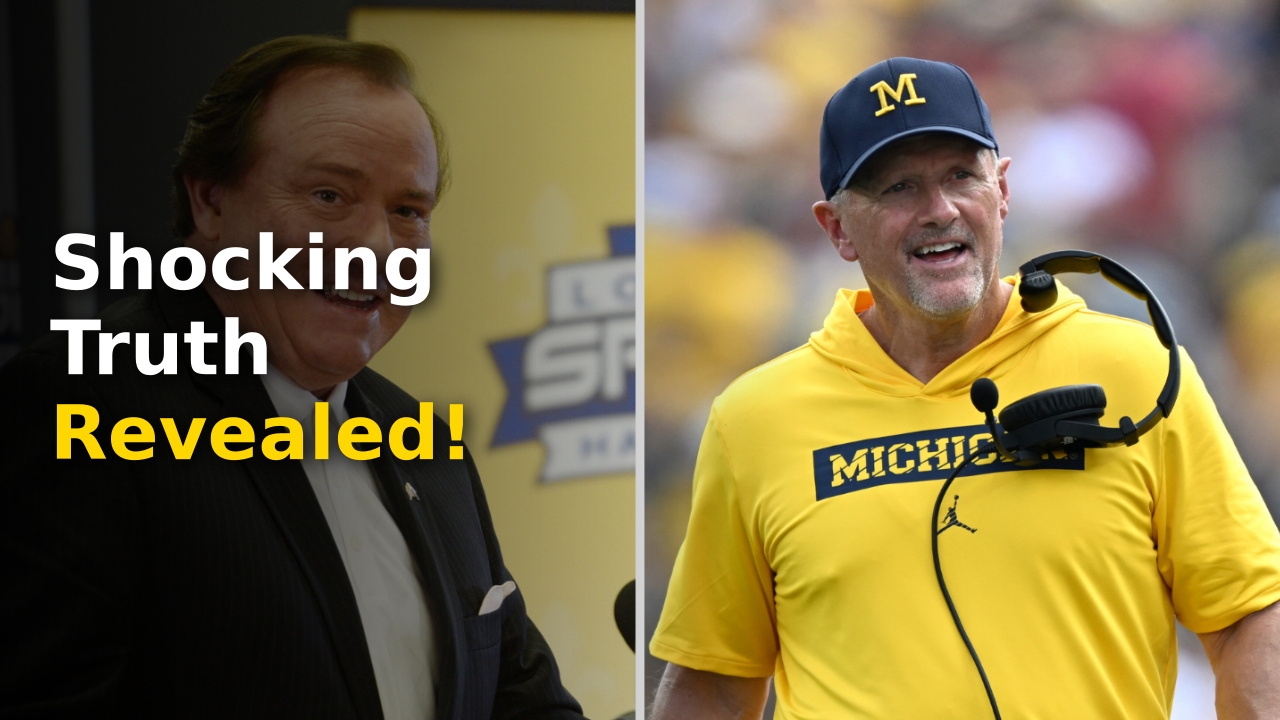
You might think the sideline tensions between coaches and the press are just a modern nuisance, but Tim Brando college coaches breakdown 2026 analysis suggests a systemic collapse of professional respect. As the influence of collegiate head coaches reaches unprecedented levels, the bridge between the program and the public has begun to crumble.
The current media landscape is defined by an ongoing power struggle where coaches demand absolute control over their narrative. Brando, a veteran voice in the industry, notes that the collaborative spirit of the past has been replaced by calculated isolationism.
The Tim Brando College Coaches Breakdown 2026 Reality
In the high-stakes environment of modern college athletics, access is often weaponized as a tool of compliance. Broadcaster Tim Brando has witnessed this evolution firsthand, observing how the era of open communication has faded into a guarded regime. Whether it is Steve Sarkisian or the legacy of Nick Saban, the trend of limiting media access is becoming the industry standard.
This shift isn’t just about avoiding tough questions; it’s about the erosion of the intermediary role once held by Sports Information Directors (SIDs). In previous decades, these individuals were legends who acted as conduits between the press and the program. Today, they are often sidelined by operational staff who prioritize shielding the coach above all else.
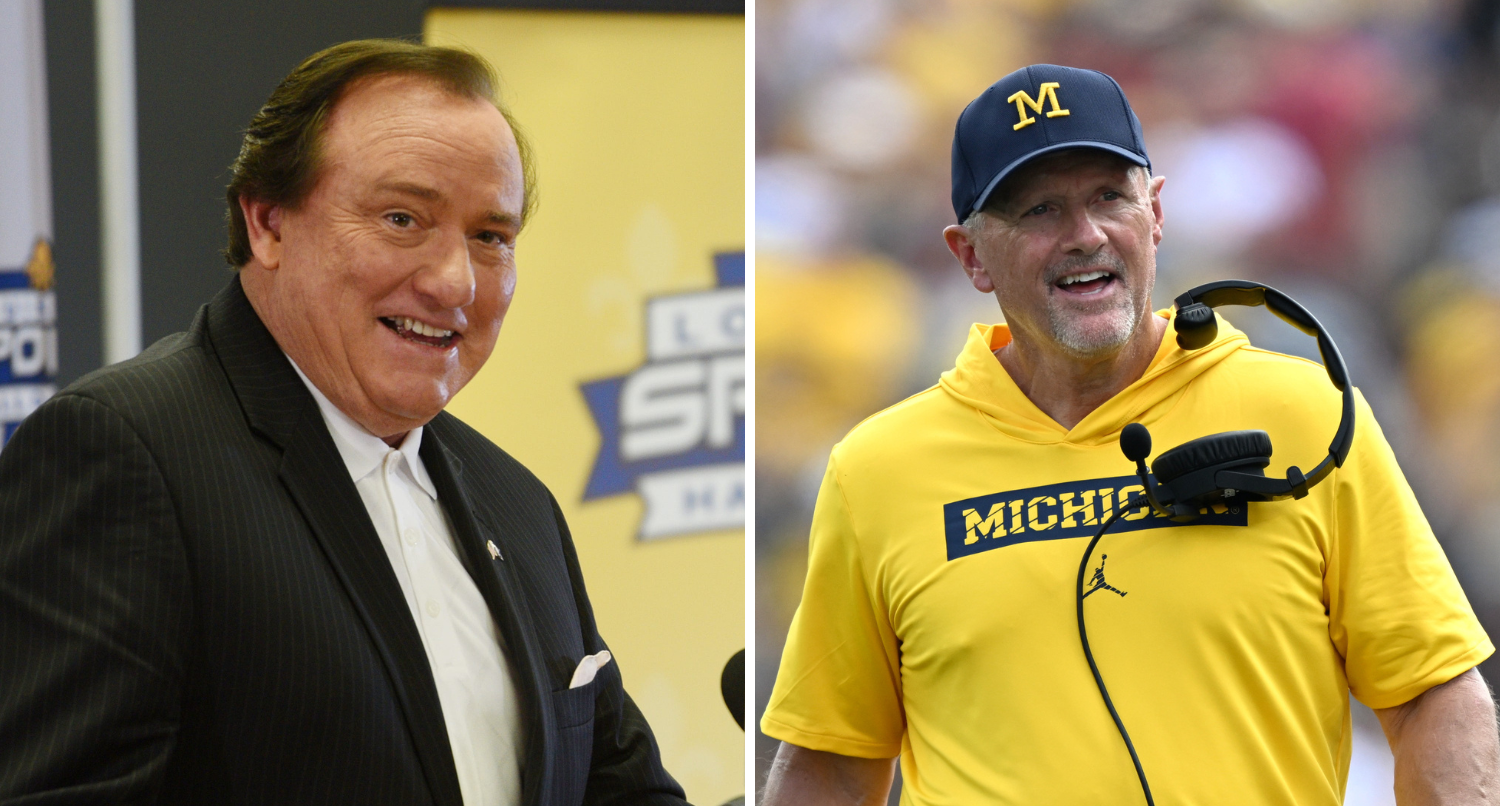
The consequences of this change are clear. When journalists like Brando attempt to address critical issues—such as the quarterback status of Cam Rising—the response is frequently adversarial rather than cooperative. This confrontational posture from coaching staffs signals a deeper disconnect in the culture of college sports.
The Erosion of SID Influence
- Historically, SIDs were essential gatekeepers and trusted advisors.
- Current organizational structures prioritize operations managers over traditional media liaisons.
- Coaches now feel less pressure to cooperate with journalists.
- Journalistic autonomy is frequently challenged by restrictive media protocols.
Comparative Media Dynamics in College Athletics
| Era | Coaching Philosophy | Media Access Level |
|---|---|---|
| Pre-2010 | Collaborative Partnership | High |
| 2010-2020 | Managed Communication | Moderate |
| 2026 and Beyond | Total Information Control | Low |

Historical Context of Media Relations
The transition from the days of Bud Ford and Roger Valdiserri to the present demonstrates a significant decline in the prestige afforded to sports communications professionals. Historically, these individuals were considered the moral compasses of athletic departments. They understood the symbiotic relationship between the program and the ESPN broadcast teams that tell the sport’s story to the nation.
By the numbers, the shift in power has been monumental. Today’s head coaches earn salaries that grant them near-total authority over athletic administration. This financial leverage creates a hierarchy where media personnel are seen as obstacles rather than partners. Understanding this media industry evolution is crucial for anyone following the sport’s trajectory.
Expert Take: The decline in media access is inversely proportional to the rise in coaching compensation. As contracts reach the hundred-million-dollar mark, the risk-aversion of head coaches creates a sterile environment that ultimately damages the fan experience and the integrity of sports journalism.
People Also Ask
What happened between Tim Brando and Kyle Whittingham?
Brando reported that Whittingham became confrontational when asked about the quarterback situation regarding Cam Rising. Despite requests from the Utah staff to avoid the topic, Brando proceeded to ask the question directly.
Why are college coaches more guarded with the media today?
Coaches are increasingly focused on maintaining total control over their team’s narrative and preventing any potential competitive advantage from leaking. This culture of secrecy is reinforced by high-pressure environments and massive coaching salaries.
How has the role of an SID changed in college football?
The role has shifted from a position of trusted authority to a subordinate function. Many SIDs now report through operational staff, losing the direct influence they once held over head coaches.
Who are the legendary SIDs mentioned by Tim Brando?
Brando referenced historical figures like Bud Ford of Tennessee, Roger Valdiserri of Notre Dame, and Paul Manasseh of LSU as examples of the highly respected communications professionals who defined the previous era.
Final Thoughts on Modern Coaching Communication
The Tim Brando college coaches breakdown 2026 perspective serves as a stark warning about the future of the sport. If the current trajectory of isolation and control continues, the vibrancy of college football’s media coverage may be permanently diminished. Respect and transparency are not just professional courtesies; they are the pillars upon which the public trust in amateur athletics is built.
More Like This
For more updates, check out our latest entertainment and sports news.