Key Takeaways
| Miraculous Cure Rate | The antiviral GS-441524 boasts a recovery rate of over 80% to 90% for cats with FIP. |
| The Gilead Conflict | Gilead Sciences withheld licensing for GS-441524 to protect human drug development. |
| Underground Networks | FIP Warriors leveraged social media to distribute untested formulas to desperate owners. |
| Regulatory Shifts | The veterinary landscape is evolving as legal pathways finally emerge in Western nations. |
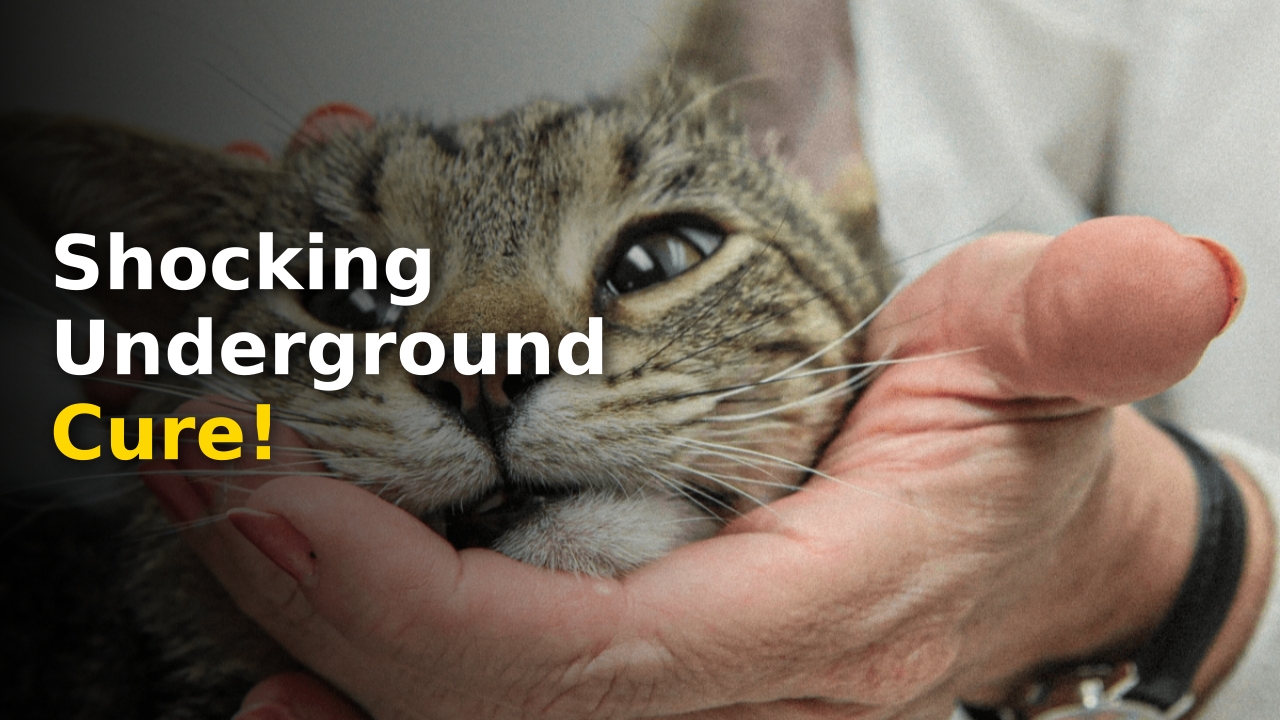
Saving your beloved pet should never make you a criminal, yet the desperate quest for an unauthorized FIP cat drug has forced thousands of American pet owners into a shadow economy. Imagine discovering your playful new kitten has a fatal disease, only to learn the cure exists but is completely illegal. This is the harrowing reality that Marlena Arjo faced when her adopted one-eyed cat, Otto, suddenly stopped eating and withered away. Like countless others, she found herself caught in an underground rescue movement that challenged federal laws.
You might think a terminal feline diagnosis means saying a final, painful goodbye. However, the viral evolution of social networks and foreign pharmaceutical operations turned a death sentence into a fight for survival. This extensive investigation details how cat lovers, veterinarians, and black-market chemists organized one of the most successful medical smuggling rings in modern history. Through sheer determination, these advocates bypassed the established regulatory systems to save their beloved companions.
FIP Cat Drug History: From Lab to Black Market
The history of feline infectious peritonitis is a tale of scientific triumph overshadowed by corporate caution. For decades, a diagnosis of FIP was a definitive death sentence for domestic felines, boasting a mortality rate exceeding 95 percent. The disease arises from a mutated form of the common feline enteric coronavirus, which suddenly attacks systemic organs. Everything changed when groundbreaking academic research proved that a specific antiviral compound could halt the virus in its tracks.
Our understanding of this medical breakthrough traces back to the UC Davis School of Veterinary Medicine. In 2019, legendary researcher Dr. Niels Pedersen published a landmark study showing that an antiviral agent called GS-441524 could effectively cure FIP. The feline community celebrated, believing an end to the heartbreak was finally within reach. However, the path to commercialization immediately hit a massive regulatory roadblock.
The UC Davis Breakthrough
During his laboratory trials, Dr. Niels Pedersen administered the antiviral compound to dozens of terminally ill cats. The results were nothing short of miraculous, as severely compromised felines began playing and eating within days of their first injection. This scientific validation gave owners hope, but the intellectual property belonged to a pharmaceutical giant. The struggle to translate this lab-bench victory into an accessible commercial product would take nearly a decade.
Pet owners quickly discovered that clinical success does not guarantee market availability. Because the drug was not approved by regulatory bodies, veterinarians were legally forbidden from prescribing or administering it. This administrative wall created a desperate vacuum that could only be filled by unconventional means.
The Remdesivir Connection
The compound GS-441524 is structurally almost identical to Remdesivir, a high-profile human antiviral owned by Gilead Sciences. Fearing that any adverse reactions in cats could derail the FDA approval process of Remdesivir for humans, the pharmaceutical manufacturer refused to license the formula for animal health. This corporate decision effectively locked the cure away from the veterinary market. Our investigative deep dives into global health controversies reveal how corporate risk-mitigation frequently compromises animal welfare.
With human trials for Ebola and later COVID-19 taking priority, the feline cure remained locked in regulatory limbo. The refusal by Gilead Sciences to lease the veterinary rights created an immense demand. Chinese biochemical factories recognized this untapped market and began synthesizing the compound independently, setting the stage for a global smuggling pipeline.

The Mechanics of the FIP Cat Drug Underground
The creation of a transnational black market requires sophisticated logistics, absolute trust, and a high degree of organization. When traditional clinics turned away dying pets, desperate owners turned to closed online communities. These digital hubs connected grieving cat parents with anonymous administrators who coordinated the delivery of imported vials. This shadow market operated in the open on mainstream social media platforms, completely bypassing international trade laws.
According to veterinary ethicists, this underground network represented a form of necessary civil disobedience. When the formal legal system fails to provide a viable pathway to save a life, human nature will always seek alternative routes. Vets were forced to choose between upholding professional regulations or honoring their oath to prevent animal suffering. This conflict created an unprecedented dynamic where doctors whispered treatment plans in parking lots.
The Rise of FIP Warriors
The most prominent organization driving this movement was a massive online collective known as FIP Warriors. This group acted as an informal triage center, matching sick cats with local admins who kept emergency stockpiles of the FIP cat drug in their homes. Through these networks, pet parents received dosing calculators, injection tutorials, and invaluable emotional support. It was a highly organized volunteer apparatus that operated with the precision of a professional medical clinic.
Many admins worked around the clock, meeting strangers in suburban parking lots to hand over lifesaving vials. They did not do this for profit, but out of a shared passion for animal preservation. This collective action turned a disparate group of pet lovers into a formidable international logistics force.
Navigating the Shadow Economy
Purchasing these unapproved compounds required navigating a complex financial landscape. Transactions were conducted using peer-to-peer payment apps, international wire transfers, or cryptocurrency to evade banking security filters. Because these substances were entirely unregulated, buyers had to trust that the liquid in the vials was genuine GS-441524. Despite the inherent risks of contamination or fraud, the community self-policed, constantly testing batches to verify purity.
For many owners, the stress of administering daily, highly painful injections was compounded by the fear of federal prosecution. Yet, the sheer success of the therapy kept the network thriving. The positive outcomes were undeniable, forcing the mainstream veterinary industry to acknowledge the underground’s efficacy.
FIP Cat Drug by the Numbers: Costs and Efficacy
To appreciate the magnitude of this medical underground, we must analyze the economic and clinical data. The financial burden placed on individual households was immense, yet families routinely drained their savings accounts to afford the regimen. The sheer scale of these transactions generated millions of dollars for overseas laboratories. Let us look closely at the comparative financial and clinical metrics that defined this movement.
| Treatment Metric | Underground Market (US) | Legal Compounding (UK/AU) | Traditional Supportive Care |
|---|---|---|---|
| Average Regimen Cost | $2,000 – $10,000 | $1,500 – $4,000 | $500 – $1,500 |
| Average Survival Rate | 80% – 90% | 85% – 95% | Less than 5% |
| Legal Risk for Vets | High (License Threat) | None (Approved Import) | None |
| Treatment Duration | 84 Days | 84 Days | Life-prolonging only |
Cost Breakdown of Underground Therapy
A standard treatment program lasts precisely 84 days without interruption. Depending on the weight of the cat and the severity of the neurological symptoms, the required daily dosage of the FIP cat drug can vary wildly. Some owners paid upwards of $10,000 for a single course, frequently utilizing crowdfunding campaigns or high-interest credit cards to finance the purchase. This extreme financial sacrifice highlights the profound bond between Americans and their pets.
As the market matured, competing Chinese manufacturers emerged, driving prices down considerably. What once cost several thousand dollars can now be sourced for a fraction of that price, though quality control remains a constant variable. The financial risk was entirely borne by the pet owners, who had zero recourse if a batch turned out to be inactive or contaminated.
Clinical Trials vs Real-World Survival
Real-world data compiled by grassroots veterinary coalitions confirms the findings of official laboratory trials. Over 80 percent of cats entering the underground protocol survive and live normal, healthy lives. This statistical reality stands in stark contrast to the standard veterinary textbooks, which long classified FIP as universally fatal. To discover more about how pet survival stories are rewriting veterinary manuals, explore our exclusive pet care features.
These remarkable recovery figures eventually caught the attention of academic institutions worldwide. Researchers began documenting the informal trials, creating a massive body of peer-reviewed evidence that could no longer be ignored by regulatory agencies. The numbers proved that the black-market therapy was a highly effective medical intervention.

Regulatory Roadblocks and Veterinary Dilemmas
The persistence of the black market highlights a systemic failure in how animal drugs are approved in the United States. While European and Australian regulators moved quickly to grant access to compounded antiviral therapies, American agencies lagged behind. This delay created an ethical minefield for local veterinary practitioners who wanted to help their patients but feared professional ruin.
While the US market remained locked in an administrative gridlock, other nations offered a blueprint for reform. In 2021, the United Kingdom and Australia approved legal compounding pathways for GS-441524, immediately decimating their domestic black markets. Over 10,000 cats in those regions have since been treated safely under the direct supervision of licensed veterinarians. This stark geographical disparity demonstrates that policy, not science, was the primary barrier to safe care.
The Legal Tightrope for Veterinarians
Under the U.S. Food and Drug Administration guidelines, veterinarians face severe disciplinary action for administering unapproved foreign drugs. State licensing boards have the power to revoke a practitioner’s license, effectively ending their career. Consequently, many doctors were forced to speak in hushed tones, directing owners to online groups without writing anything down on official medical charts. This defensive posturing left owners to navigate complex medical procedures without professional supervision.
This dynamic caused immense moral distress within the veterinary community. Many practitioners reported feeling helpless as they watched animals die of a treatable condition. This legal tension fueled a growing movement for reform among veterinary professionals who demanded a safe harbor for prescribing life-saving agents.
Regulatory Progress and Legal Imports
Pressure from grassroots organizations and professional veterinary associations finally began to shift the needle. By 2024, several domestic compounding pharmacies began working with regulatory authorities to find a legal loophole for importing the raw materials. These efforts sought to establish a safe, tested, and legally compliant source of the drug within the United States. You can read more about how veterinary professionals lobby for policy reform on our hub for modern veterinary advocacy.
The path to full FDA approval remains long and financially prohibitive for animal drugs. However, the creation of legal, compounded alternatives represents a monumental victory for cat lovers. This hard-fought regulatory progress shows that organized citizen advocacy can successfully challenge entrenched bureaucratic systems.
People Also Ask
What happened with FIP cat drug regulations today?
Today, regulatory pathways are expanding as more compounding pharmacies receive authorization to import and prepare GS-441524. While full FDA commercial approval is still pending, these temporary allowances have significantly reduced reliance on the dangerous black market.
Why is the FIP cat drug trending right now?
The FIP cat drug is trending due to recent investigative media coverage highlighting the underground networks that saved thousands of pets. Desperate pet owners are sharing their success stories, bringing the conversation about veterinary drug reform into the mainstream spotlight.
How does FIP cat drug access affect veterinary clinics?
Access to legal compounding options relieves veterinarians of the legal risks and ethical dilemmas associated with the black market. Practitioners can now openly guide pet owners through the treatment process, improving patient outcomes and standardizing clinical protocols.
When is the FIP cat drug going to be fully FDA approved?
Full FDA approval for a commercial feline brand of GS-441524 is expected to take several years due to costly clinical trials. However, the current availability of compounded versions provides an immediate, legal alternative for cat owners in need.
The Future of FIP Cat Drug Accessibility
The story of the FIP cat drug is a powerful testament to the lengths that pet owners will go to protect their animals. What began as a scattered network of desperate whisperings has blossomed into a global movement that successfully challenged regulatory giants. Because of the persistence of advocates, the black market is gradually being replaced by legitimate, safe, and professional veterinary solutions.
For cats like Otto, the courage of their owners made the ultimate difference between life and death. Today, Otto is a thriving, energetic feline whose chaotic antics bring joy to his home, a living monument to scientific progress and community action. As we move forward, the lessons learned from this veterinary underground will undoubtedly shape how we handle future medical breakthroughs for both animals and humans alike.
More Like This
For more updates, check out our latest entertainment and sports news.