Key Takeaways
| Ys VIII features a dual-protagonist system that shifts focus from Adol Christin to Dana Iclucia. |
| The game explored an ecological apocalypse where players unknowingly became the instruments of destruction. |
| Nihon Falcom implemented a detailed NPC bond system that turned generic villagers into essential emotional pillars. |
| The True Ending requires 200 reputation points, leading to a bittersweet deification of the central heroine. |
You might think you know how a standard fantasy adventure ends, but the Ys VIII Apocalypse Story fundamentally challenges the trope of the hero saving the world with a simple sword swing. Released by Nihon Falcom in 2016, this title has managed to maintain a vice-grip on the JRPG community, outlasting many of its high-budget contemporaries through sheer narrative depth. While its successors like Ys IX: Monstrum Nox and Ys X: Nordics introduced new mechanics, the haunting mystery of Seiren Island remains the series’ high-water mark.
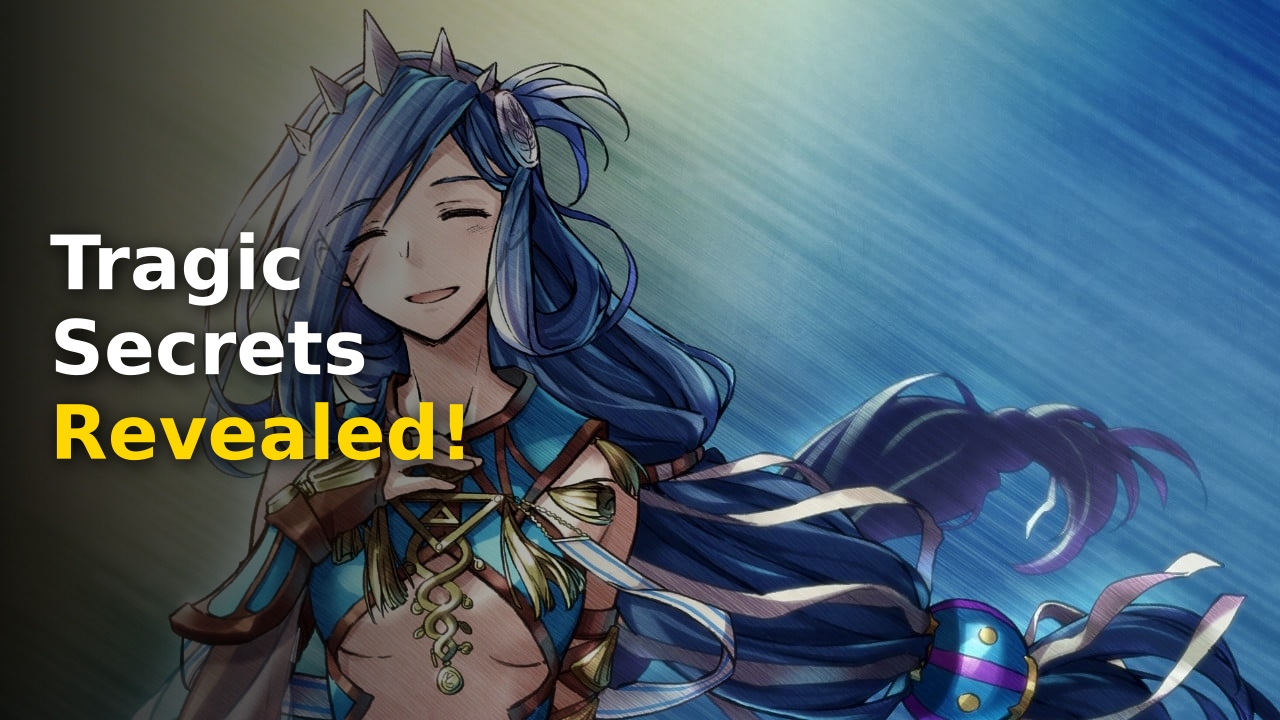
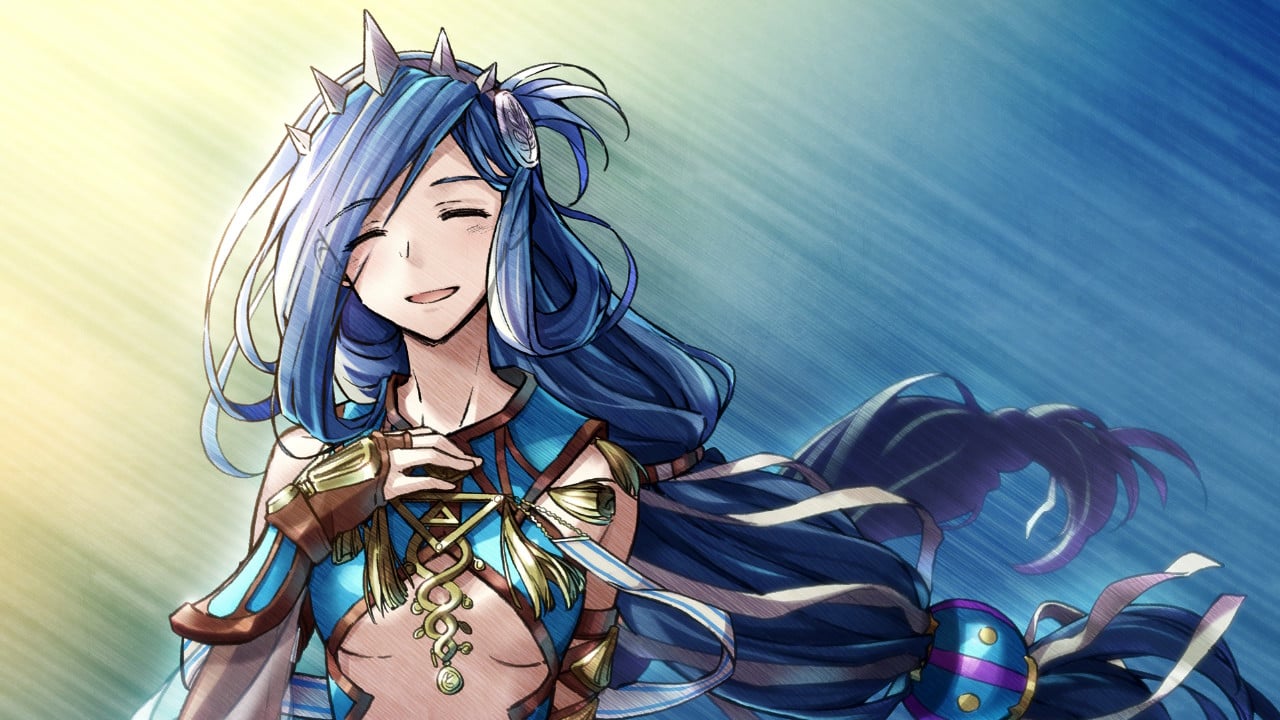
As you step into the boots of Adol Christin, a red-haired adventurer shipwrecked on a cursed land, the initial goals feel grounded in survival. You are tasked with finding castaways and building a village, yet the dreams of a blue-haired woman named Dana Iclucia quickly transform the experience into something far more existential. This isn’t just a story about surviving a shipwreck; it is a meditation on the inevitability of extinction and the cruelty of natural selection.
The brilliance of this narrative lies in how it frames the end of the world not as a singular event, but as a recurring biological cycle. Ys VIII: Lacrimosa of Dana presents a world where the “Great Tree of Origins” periodically wipes the slate clean to allow for new life, a process known as the Lachrymosa. Understanding this cycle is key to grasping why the game continues to trend among fans of top-tier JRPG rankings and narrative-driven action games.
Exploring the Ys VIII Apocalypse Story Narrative
The Ys VIII Apocalypse Story begins with a simple premise: survival on the mysterious Seiren Island. Adol Christin and the survivors of the Lombardia must work together to build Castaway Village, a thriving hub that serves as the heart of the game. However, the narrative complexity spikes when the game introduces Dana Iclucia, a woman from the ancient Eternian civilization who lived thousands of years in the past. You don’t just watch her story; you inhabit it, switching between timelines to solve puzzles and influence the present day.
In the past timeline, Dana is the Maiden of the Great Tree, a position of religious and political power. Unlike Adol, who is reacting to the island’s dangers, Dana is proactive, using her foresight to prepare for a looming catastrophe she knows her people cannot escape. This creates a profound sense of dramatic irony as you explore the ruins of Eternia in Adol’s time, knowing exactly how those structures fell and who died within them.

The second half of the game masterfully shifts the spotlight away from Adol, making Dana the true emotional core of the journey. Her struggle against the Lachrymosa—a divine decree of extinction—is lonely and agonizing. She watches her friends, family, and entire culture crumble under meteors and freezing winters, all while being unjustly blamed by her own people for the disaster she tried to prevent. It is a level of character development rarely seen in the Ys series, which historically prioritized fast-paced combat over philosophical inquiry.
The Tragic Vision of Dana Iclucia
Dana functions as a tragic heroine in the vein of Cassandra, cursed to see the future but unable to alter its fundamental trajectory. Her interactions with the Wardens of Evolution—previous survivors of extinct species—reveal the cold logic of the world. These Wardens have lived for eons, watching species after species get ground up by the Great Tree, and their apathy serves as a chilling mirror to Dana’s desperate empathy.
The Expert Take on this dynamic suggests that Nihon Falcom was intentionally subverting the “Power of Friendship” trope common in JRPGs. While bonds help the characters endure, they cannot stop the cosmic clock from ticking. According to historical records of Nihon Falcom’s history of JRPG development, the writers wanted to create a scenario where the hero’s victory felt like a defiance of the universe itself, rather than a sanctioned triumph. This is what makes the Ys VIII Apocalypse Story so poignant; it is a battle against the very concept of Fate.
Castaway Village: Building Life Amidst Extinction
While the cosmic apocalypse looms, the day-to-day life in Castaway Village provides the necessary grounding for the player. The Ys VIII Apocalypse Story succeeds because it makes you care about the individuals who would be lost if the Lachrymosa were to succeed. Each of the 24 castaways has a personal arc, ranging from the arrogant aristocrat Sir Carlan to the grieving fisherman Sahad. By completing side quests, you deepen your bonds with these characters, which in turn unlocks the “True Ending” of the game.
One of the most moving subplots involves Hummel, a mysterious transporter who initially appears cold and transactional. As you max out your bond with him, you discover his background as an entertainer and his complicated relationship with his father’s legacy. His decision to help rescue a Saurian egg—an act of pure altruism that offers him no profit—marks a turning point in his character. It demonstrates how even in the face of certain doom, human beings find meaning in small acts of kindness.
The village also serves as a microcosm of society. You see Alison, a pregnant seamstress, reunite with her lost husband Ed and give birth on the island. These moments of life and renewal contrast sharply with the ancient ruins of Eternia. The game forces you to consider: what is the point of bringing a new life into a world scheduled for deletion? The answer lies in the characters’ refusal to give up, a theme that resonates deeply with players seeking best storytelling in gaming today.
The Silent Tower and the Ultimate Challenge
For players seeking a mechanical challenge to match the narrative weight, the Silent Tower stands as the ultimate test. This optional dungeon is only accessible once all 24 castaways have been rescued and their collective strength can clear the rubble. Inside, players face Mephorashmoo, a boss significantly more difficult than the final story encounter. Defeating this entity is required to max out Adol’s relationship with the blacksmith Kathleen, further emphasizing the theme that survival requires every member of the community to contribute their specific skills.
Data/Stats: Comparing the Ys Narrative Evolution
To understand why the Ys VIII Apocalypse Story stands out, we must look at the data regarding its critical reception and narrative complexity compared to its peers. The transition from the linear adventures of the early 2000s to the open-zone exploration of the modern era significantly impacted player engagement metrics.
| Game Title | Metacritic Score | Central Theme | Playable Characters |
|---|---|---|---|
| Ys VII: Lacrimosa of Dana | 85 (PS4) | Extinction/Cycle | 6 (Dual Timeline) |
| Ys IX: Monstrum Nox | 80 (PS4) | Imprisonment/Identity | 6 |
| Ys VI: The Ark of Napishtim | 72 (PS2) | Ancient Technology | 1 (Adol Only) |
As the table demonstrates, Ys VIII remains the highest-rated entry in the modern trilogy. Its 85 Metascore is a testament to how the narrative depth of the Lachrymosa resonated with critics more than the gothic setting of Monstrum Nox or the more traditional seafaring of Ys X. This data confirms that for many, the peak of the franchise was reached when the stakes were at their most cosmic. You can find more details in the Metacritic scores for Ys VIII: Lacrimosa of Dana historical archive.
The Irony of the Environmental Destruction
One aspect of the Ys VIII Apocalypse Story that is frequently overlooked is the player’s role as an ecological intruder. While Adol and his companions are trying to survive, they are effectively colonizing an island that belongs to the Primordials—ancient saurians that have survived for millions of years. In order to thrive, you must harvest massive amounts of flora and slaughter hundreds of local animals. This creates a fascinating irony: while you are fighting to stop a cosmic extinction event, you are actively causing a localized one.
The Primordials are not inherently evil; they are prehistoric creatures protecting their territory from foreign invaders who have brought steel and fire to their shores. The game subtly hints at this during the raiding sequences, where the dinosaurs form parties to attack Castaway Village. It is a desperate attempt by the island’s original inhabitants to purge the human virus that is ravaging their ecosystem. This nuanced perspective adds a layer of moral ambiguity to Adol’s typical hero journey.
By the time the survivors leave Seiren Island on the Lombardia II, the ecosystem has been fundamentally altered. The resources have been depleted, the apex predators have been hunted to near-extinction, and the ancient ruins of Eternia have been picked clean. Nihon Falcom forces the player to question if their survival was worth the cost to the natural world. This is the hallmark of a JRPG classic review—it leaves you feeling slightly unsettled about your own victory.
People Also Ask
How do you get the true ending in Ys VIII?
To unlock the true ending in the Ys VIII Apocalypse Story, Adol must accumulate at least 200 reputation points by completing villager side quests, clearing all Interception raids, and discovering all map locations before the final boss battle with the Origin of Life.
Does Dana die at the end of Ys VIII?
In the true ending, Dana does not technically die; instead, she undergoes a deification process where she becomes a goddess to balance the dreams of Maia, effectively erasing her existence from the human realm while preventing the recurrence of the Lachrymosa.
Is Ys VIII: Lacrimosa of Dana a sequel or prequel?
Chronologically, Ys VIII takes place between Ys V: Lost Kingdom of Kefin and Ys VI: The Ark of Napishtim, making it a mid-series entry that focuses on Adol’s adventures at age 21 before he heads to the Canaan Islands.
Why is the apocalypse in Ys VIII called the Lachrymosa?
The term Lachrymosa refers to a ‘day of weeping’ or a ritual of extinction orchestrated by the Great Tree of Origins to prune species that have peaked, ensuring the world continues to evolve through a ruthless cycle of destruction and rebirth.
Legacy of the Ys VIII Apocalypse Story
In the final moments of the Ys VIII Apocalypse Story, the goddess Maia restores the memories of Adol’s companions, allowing them to remember the sacrifice Dana made. It is a bittersweet conclusion that refuses to offer a perfect happy ending. While the world is saved, the woman who did the most to save it is isolated in a celestial sphere, doomed to watch over the world as a deity rather than live within it as a person. This ending is why the game remains a mandatory play for fans of the genre.
The impact of this story can still be felt in how Nihon Falcom approaches narrative structure today. The focus on character-driven stakes amidst world-ending events has become a staple of their design philosophy. Even as we look forward to future entries in the franchise, the Ys VIII Apocalypse Story serves as a reminder that the best adventures aren’t just about the monsters you kill, but the friends you remember and the world you leave behind. If you haven’t yet experienced Seiren Island, there has never been a better time to discover why this apocalypse is so uniquely compelling.
More Like This
For more updates, check out our latest entertainment and sports news.