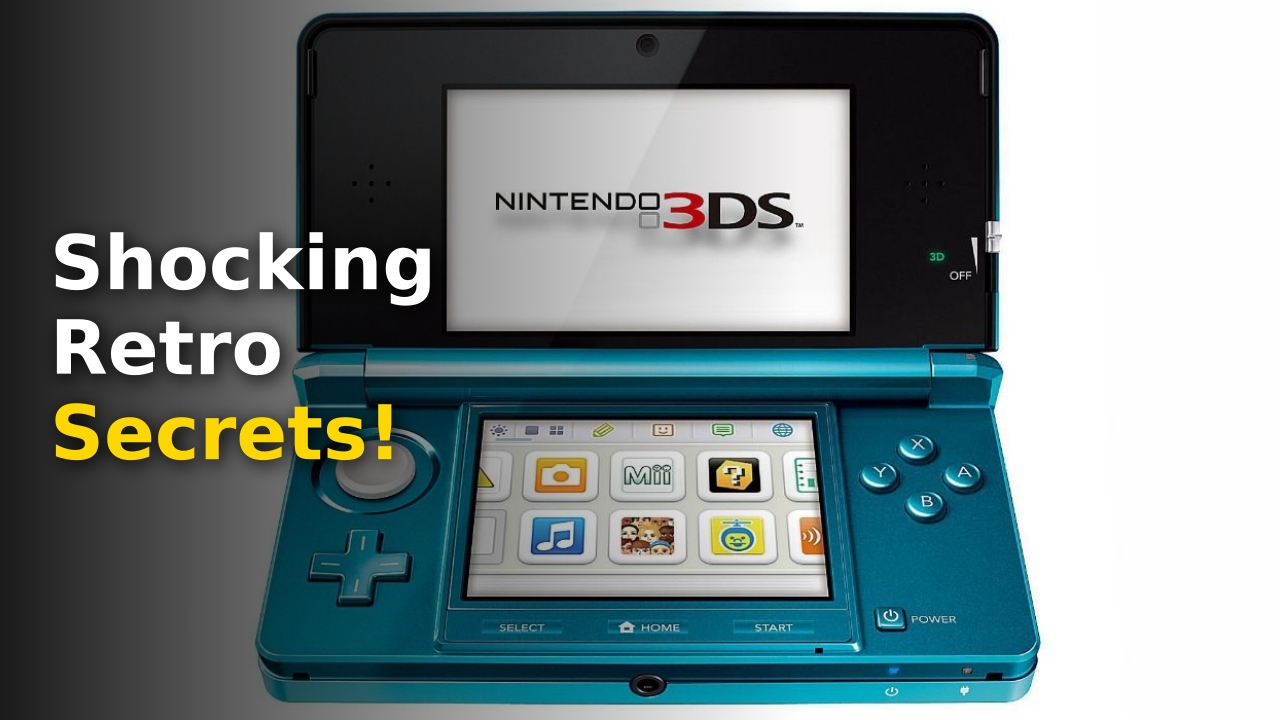
Do you remember the exact moment you first opened your dual-screen console, or is 3DS nostalgia something that only recently took over your social media feeds? The cultural wave of 3DS nostalgia is sweeping across the gaming community as players look back at the 2010s. Many modern gamers find themselves wishing for the simpler days of local wireless play and tactile physical buttons.
Indeed, the sheer volume of high-quality titles created a sense of 3DS nostalgia that remains unmatched today. Nintendo dominated the handheld market by delivering premium experiences that fit right in your pocket. From bustling towns to high-speed racetracks, the library offered an escape for every type of player.
Fueling Your 3DS nostalgia
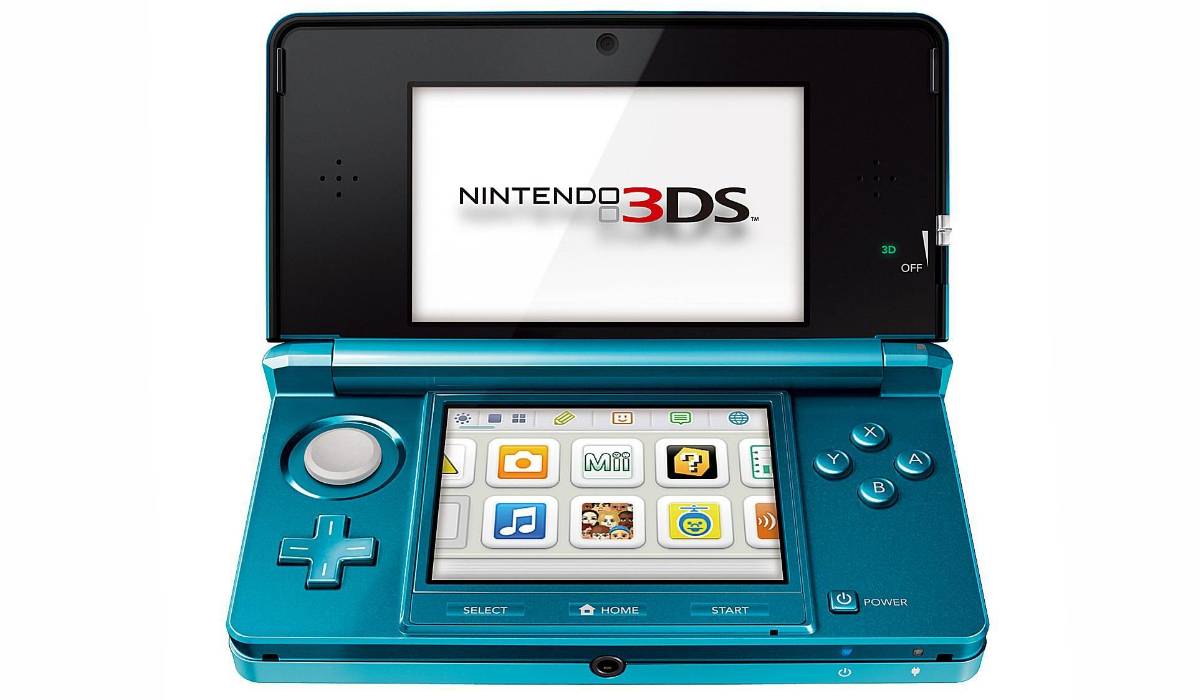
The sensation of 3DS nostalgia is deeply tied to the physical design of the device. Released globally in **March 2011**, the innovative system featured a stereoscopic 3D screen that did not require bulky glasses. This unique visual gimmick set it apart from previous handheld devices and captured the public imagination.
Backwards Compatibility Power
The system offered instant access to thousands of classic **Nintendo DS** games. This brilliant capability is a core pillar of why 3DS nostalgia remains so potent for modern collectors. You could easily play classics like **Mario Kart DS** or **New Super Mario Bros.** without owning multiple devices.
This feature preserved decades of gaming history in a single, pocket-sized machine. Players could explore old favorites while keeping up with the latest software releases. It saved parents money and ensured the console had a massive library on day one.
Retro collectors still appreciate this seamless integration today. It makes the system the ultimate preservation device for dual-screen gaming history.
StreetPass Cultural Phenomenon
Who could forget walking through a crowded mall hoping for a green notification light? StreetPass turned daily commutes into exciting social multiplayer opportunities. You exchanged virtual puzzle pieces and customized avatars with complete strangers who passed by you.
This feature fostered a real-world community that modern internet-connected consoles have struggled to replicate, keeping 3DS nostalgia fresh. It motivated people to take their systems outside and explore local conventions or parks. The thrill of finding a rare puzzle piece was unmatched.
Even today, fans organize local meetups to spark those social features. It remains a legendary experiment in location-based gaming.
The Double Screen Magic
The dual-screen layout allowed developers to create clean, clutter-free gameplay interfaces. Having the map or inventory permanently displayed on the bottom touch screen was a massive quality-of-life upgrade. It streamlined complex RPGs and fast-paced action games alike.
Gamers quickly grew accustomed to this intuitive setup. It made returning to single-screen systems feel somewhat restrictive and old-fashioned. The touch screen also allowed for unique drawing mechanics in various titles.
Animal Crossing Leaf Secrets
For many, the peak of 3DS nostalgia is found in the tranquil virtual town of New Leaf. Launched in **November 2012** in Japan and **June 2013** globally, this game completely revolutionized the social simulation genre. You were no longer just a resident living under Tom Nook’s financial rules.
Customizing Your Village
As the newly appointed town mayor, you gained unprecedented control over your village layout. You could construct massive public works projects like stone bridges, customized benches, and police stations. This freedom is why Animal Crossing: New Leaf remains a cornerstone of 3DS nostalgia.
Players spent countless hours plotting the perfect layout for their animal friends. You could also set town ordinances to match your real-life schedule, such as keeping shops open late. It was a perfect blend of management and relaxed creativity.
This customizability paved the way for future entries on the Switch. However, many fans argue the charm of the 3DS entry remains unmatched.
Brewster and Public Works
The game introduced delightful daily activities that kept players coming back for years. You could work a part-time job serving customized coffee to quirky animal villagers at **The Roost** cafe. Learning everyone’s specific milk and sugar preferences became a badge of honor.
Constructing the cafe itself was a major milestone for your town. It required collecting thousands of bells from catching rare bugs on **Tortimer Island**. These small, intimate gameplay loops made the virtual community feel incredibly alive.
The relaxing soundtrack composed by **Manaka Kataoka** enhanced these daily chores. It provided the ultimate cozy gaming experience of the decade.
Tortimer Island Getaways
Taking a boat ride with **Kapp’n** to the tropical getaway was a highlight of summer gameplay. The island allowed players to catch rare beetles and sharks during any season. This became the ultimate method for paying off home loans quickly.
You could also participate in multiplayer minigames with friends or strangers online. These tours offered unique medals that could be traded for exclusive tropical furniture. It added a dynamic multiplayer element to an otherwise solitary experience.

Pokemon Kalos Generation Leap
The transition to full **3D** graphics in **October 2013** blew the minds of Pokémon fans worldwide. Pokémon X and Y introduced the gorgeous, French-inspired **Kalos** region to millions. This visual evolution was the biggest jump the franchise had seen since its inception.
Mega Evolution Mechanic
These games introduced the incredibly popular **Mega Evolution** mechanic to the battle scene. This revolutionary mechanic redefined battles and cemented the Gen 6 era in the hearts of those chasing 3DS nostalgia. Iconic monsters like Charizard and Mewtwo received powerful, temporary new forms.
The mechanic added a deep layer of strategy to competitive matches. You had to predict which Pokémon your opponent would choose to evolve during battle. Fans still clamor for this feature to return in modern Switch titles.
It remains the most universally loved battle gimmick in the franchise’s thirty-year history.
Lumiose City Save Glitch
Despite the critical acclaim, the launch was not entirely smooth sailing. Players quickly discovered a massive, game-breaking save glitch in **Lumiose City**. If you saved your game in certain areas of the main circular streets, your save file could become corrupted.
Nintendo rushed to release a digital patch, but the panic it caused in the community was legendary. That specific challenge is a quirky part of 3DS nostalgia today. It represents an era when digital patches were still relatively new to handheld systems.
Thankfully, the patch fixed the issue without erasing player progress.
Introducing Fairy Types
Gen 6 brought the first new elemental type in over a decade to balance competitive gameplay. The **Fairy** type was introduced to counter the dominant Dragon-type monsters. It gave rise to popular new creatures like **Sylveon**, the last Eeveelution to date.
Old favorites like Clefairy and Gardevoir were retroactively retyped. This shakeup completely revitalized the competitive scene. It made old strategies obsolete and forced players to innovate.
Mario Kart Racing Dominance
Hearing the opening notes of the title screen is a direct trigger for pure 3DS nostalgia. Mario Kart 7 remains the undisputed king of sales on the handheld platform. Released in **December 2011**, it refined kart racing mechanics with hang gliders and underwater driving.
The System Bundles
Much of the game’s staggering success came from strategic hardware bundles. Nintendo frequently packaged Mario Kart 7 with the affordable **Nintendo 2DS** console. This move made the game highly accessible to younger players and casual gamers.
It became the default multiplayer experience for schoolyards across the globe. Parents loved the value, and kids loved the high-speed action. This distribution strategy ensured the game reached a massive audience.
It remains the best-selling game on the system by a significant margin.
Local Wireless Chaos
You did not even need multiple copies of the game to play with friends. Thanks to download play, a single cartridge allowed up to eight players to race together. These chaotic multiplayer sessions created lifelong friendships and intense rivalries.
Even players without the game could join as a generic Shy Guy racer. This inclusivity made it the ultimate party game for road trips. It remains a masterclass in local multiplayer game design.
The competitive spirit of these local matches has never been fully replaced by online lobbies.
Customizing Your Kart
Mario Kart 7 introduced kart customization to the franchise. Players could mix and match different frames, tires, and gliders to find the perfect stats. This feature added a layer of personal expression and strategy to the races.
Unlocking new parts required collecting coins scattered across the tracks. This gave players a strong incentive to replay single-player cups. It laid the foundation for the mechanics we see in modern games today.
Handheld Sales Data Breakdown
To understand why these games were so culturally dominant, we must look at the official numbers. The sales figures tell a story of absolute market dominance during the mid-2010s. Nintendo managed to capture the attention of diverse demographics through these key releases.
Let us look at the official sales statistics of the top performers. These figures highlight the massive scale of the console’s success. The data shows how these three games became universal experiences for owners of the system.
| Game Title | Release Year | Units Sold (Millions) | Key Selling Point |
|---|---|---|---|
| Mario Kart 7 | **2011** | **18.97** | Glider mechanics & Bundles |
| Pokémon X and Y | **2013** | **16.72** | Mega Evolution & 3D graphics |
| Animal Crossing: New Leaf | **2012** | **13.04** | Mayor role & Public works |
The Lasting 3DS nostalgia
We look back because this console represents a simpler time in digital entertainment, making 3DS nostalgia a comforting escape. It was the perfect bridge between traditional retro gaming and the hyper-connected modern age. You can keep up with your favorite lifestyle and pop-culture trends on BrightCelebrity while revisiting these retro gaming gems.
Let us explore the final thoughts on why this device continues to capture our collective hearts. The dual-screen setup remains a high point of portable design.
Preserving Physical Media
Holding the tiny plastic cartridges in your hand brings back instant memories. The satisfying click of inserting a game into the console is unmatched by digital downloads. Collectors today are driving up the prices of physical games rapidly.
This surge in value shows that the desire for tactile gaming experiences is stronger than ever. Having a physical library represents an era when ownership truly meant something. It stands in stark contrast to the modern subscription-based landscape.
Preserving these cartridges is vital for future generations to experience gaming history.
The eShop Legacy
The closure of the digital shop marked the end of an era for digital preservation. Many exclusive indie games and virtual console titles became difficult to access overnight. This event sparked a renewed interest in collecting physical software and deepened our collective 3DS nostalgia.
It reminded players how fragile digital libraries can be. However, it also strengthened the community’s resolve to keep the console’s legacy alive through alternative means. The passion of the fanbase ensures these games will not be forgotten.
The digital library may be gone, but the physical memories remain untouched.
Handheld Community Future
While the hardware is no longer in production, the spirit of portable gaming lives on. You can read the detailed official Wikipedia Nintendo 3DS entry to understand its historical impact. Ultimately, cultivating your 3DS nostalgia is the perfect way to honor a legendary era of console gaming.
The friendships built in those schoolyard local wireless matches still endure today. As we look forward to future hardware innovations, we will always carry these classic memories with us. The dual-screen era will forever be remembered as a golden age of interactive entertainment.
More Like This
For more updates, check out our latest entertainment and sports news.