Key Takeaways
| The 1994 MLB season was officially terminated on September 14 following a 34-day player strike. |
| This labor dispute remains the only instance in modern history where a World Series was completely canceled. |
| Acting Commissioner Bud Selig confirmed the cancellation, marking a dark chapter for professional baseball. |
| The strike caused irreparable damage to fan trust and permanently altered the landscape of the league. |
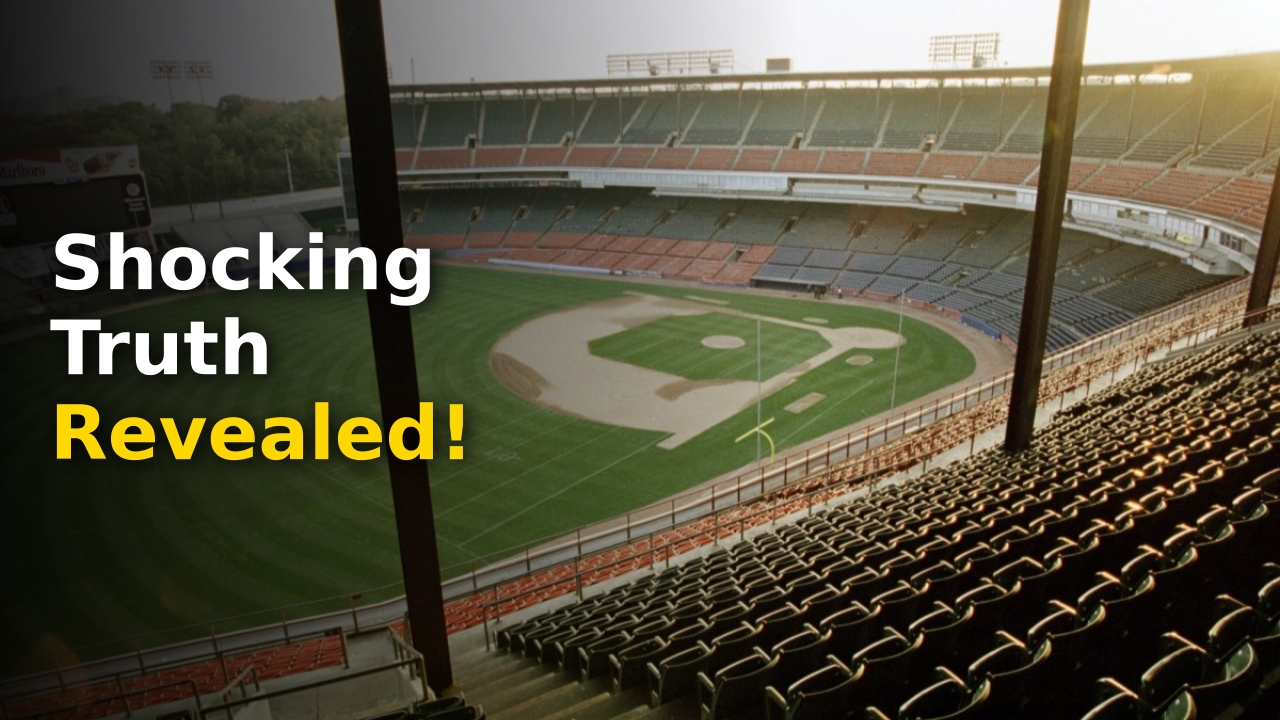
The 1994 MLB strike remains the most significant labor dispute in the history of American professional sports, serving as a cautionary tale of institutional gridlock. You might recall the silence of the stadiums that autumn, as the roar of the crowd was replaced by the bitter stalemate between ownership and the Major League Baseball Players Association. On September 14, 1994, the dream of a World Series champion died on the 34th day of the strike, leaving a massive void in the cultural fabric of the United States.
Understanding the weight of this event requires looking beyond the box scores. The cancellation was not merely a pause in activity but a complete fracture in the relationship between the league and its audience. As we look back, the 1994 MLB strike stands as the ultimate example of how internal organizational conflict can derail the most popular pastime in the nation. This article explores the cascading effects of that decision and the historical significance of mid-September dates in global history.
The Anatomy of the 1994 MLB Strike

The labor tension that culminated on September 14 was rooted in a fundamental disagreement over revenue sharing and a proposed salary cap. Owners wanted to curb spiraling payrolls, while players were fiercely protective of their right to free agency and market-value compensation. For 34 days, fans waited for a breakthrough that never came, leading to the unthinkable decision to shutter the season.
By the time Bud Selig announced the cancellation, the league had already lost the Midsummer Classic and months of regular-season play. The impact was immediate and devastating for local economies that relied on baseball revenue to sustain smaller businesses. When you analyze the fallout, it becomes clear that the league lost more than just ticket sales; it lost a generation of potential fans who walked away in disgust.
The Financial Fallout
The financial losses from the truncated season were staggering, with estimates reaching hundreds of millions of dollars in unrealized revenue. According to ESPN’s historical archives on league labor relations, the loss of postseason gate receipts alone crippled several franchises. Players forfeited millions in salary, while support staff in stadiums faced sudden layoffs, creating a ripple effect that hit the service industry hard.
The Trust Gap
Beyond the spreadsheets, the social contract with the fans was shattered. Many supporters felt that billionaire owners and millionaire players had ignored the average person who saved up for season tickets. This disconnection between the gatekeepers of the game and its heart—the fans—would take years to heal. To learn more about how leagues navigate such crises, visit our in-depth analysis of sports governance.
Baseball Cancellation by The Numbers
| Category | Impact Metric |
|---|---|
| Strike Duration | 34 Days |
| Games Lost | 938 Contests |
| World Series | Canceled |
| Estimated Revenue Loss | $500 Million+ |
Historical Parallels and Context

History often repeats itself, and the date of September 14 is frequently associated with profound shifts in power and tragedy. Beyond the diamond, this day has witnessed the fall of Mexico City in 1847 and the tragic death of William McKinley in 1901. When you place the 1994 MLB strike alongside these global events, it highlights the fragility of human institutions, whether they are political, martial, or recreational.
Expert analysts at our historical database center often point out that the 1994 shutdown was preventable. If the stakeholders had engaged in proactive mediation, the league might have avoided the public relations disaster that haunted the sport for the remainder of the 90s. The 1994 MLB strike is now studied by business schools as a prime example of how NOT to handle collective bargaining in the sports entertainment industry.
People Also Ask
What exactly caused the 1994 MLB strike?
The strike was primarily driven by the owners’ desire to implement a salary cap to control rising player costs. Players vehemently opposed the cap, viewing it as an infringement on their collective bargaining rights and market value.
How long did the MLB season suspension last?
The 1994 MLB strike lasted 34 days before Acting Commissioner Bud Selig officially announced the termination of the remainder of the season and the postseason.
Did the 1994 strike lead to long-term changes in baseball?
Yes, it resulted in a significant shift in labor relations and necessitated the implementation of new luxury tax systems. The strike also led to a period of lower fan engagement, forcing the league to eventually focus on the home-run era to win back audience interest.
Why is the 1994 season considered so controversial?
It is the only season in modern major league history where the World Series was completely canceled, leaving the championship undecided and creating a historical void that persists to this day.
Final Thoughts on the 1994 MLB Strike
Reflecting on the 1994 MLB strike provides a sobering reminder of what happens when communication breaks down between those who own the game and those who play it. While the sport has since grown into a multi-billion-dollar enterprise, the scars of 1994 remain etched in the memories of lifelong fans. For more insights on how these types of events shape professional athletics, continue your research at the official Bright Celebrity insights portal.
Ultimately, the loss of that championship season was a failure of leadership that resonates in every modern labor negotiation. The story serves as a perennial warning that sports are more than just games; they are communal experiences built on a fragile foundation of public trust and professional integrity. As history shows us every year on September 14, even the most established empires can crumble when the stakeholders stop listening to each other.
More Like This
For more updates, check out our latest entertainment and sports news.