Key Takeaways
| Internal Conflict: Justice League members frequently battle due to mind control or moral dilemmas. |
| Batman’s Contingencies: The Dark Knight consistently prepares specialized gear like the Fenrir suit to neutralize teammates. |
| High Stakes: Battles often occur when characters like Martian Manhunter are corrupted by external entities. |
| Wonder Woman’s Resolve: Diana has repeatedly forced her allies to stand down for their own protection. |
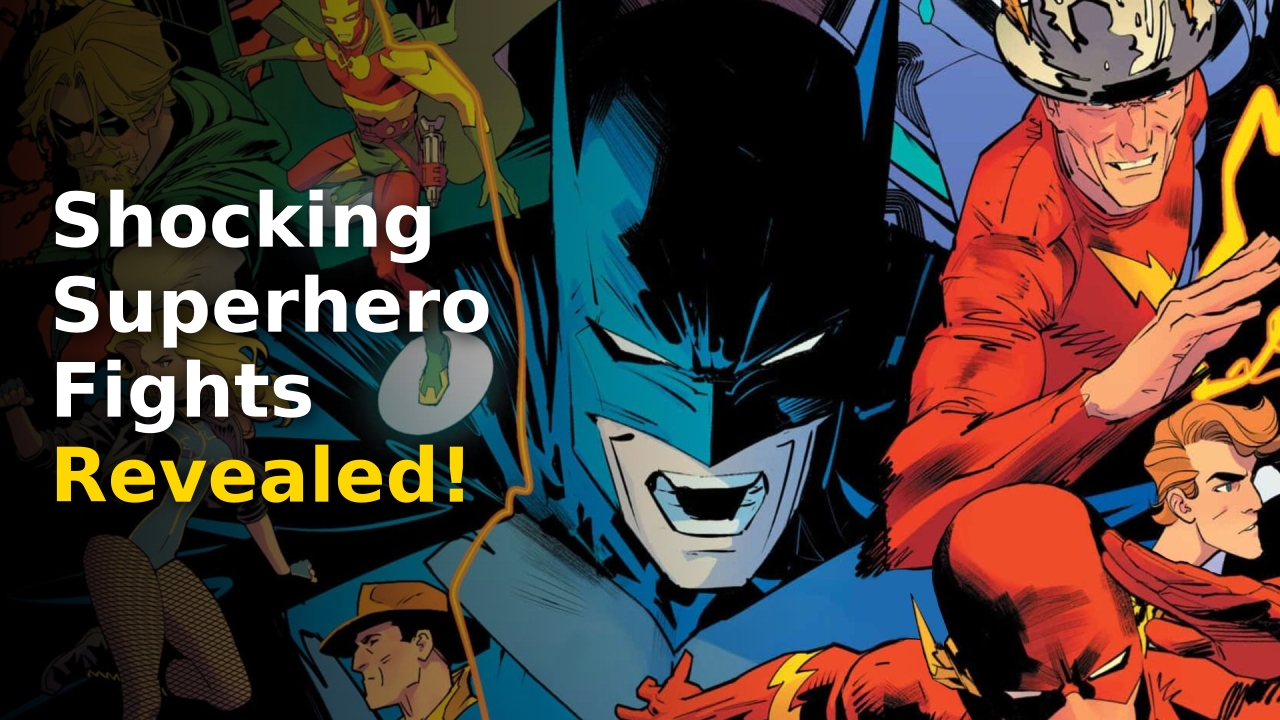
The 10 most iconic battles between members of the Justice League in DC Comics prove that even the world’s greatest heroes are not immune to internal friction. You might assume that a team built on trust and cooperation would remain united, but DC’s history tells a far more volatile story of betrayal, mind control, and clashing ideologies. These high-stakes confrontations pit legendary figures against one another, forcing fans to witness the true limits of their favorite heroes’ power sets.
While protecting Earth remains their primary mandate, the Justice League has frequently fractured under the weight of external manipulation or personal tragedy. From the tactical brilliance of Batman to the god-like strength of Superman, these internal skirmishes have become defining moments in comic book lore. Understanding these dynamics provides a deeper look into the vulnerability hidden behind the capes and cowls of the DC universe.
Tactical Breakdown of Justice League Battles
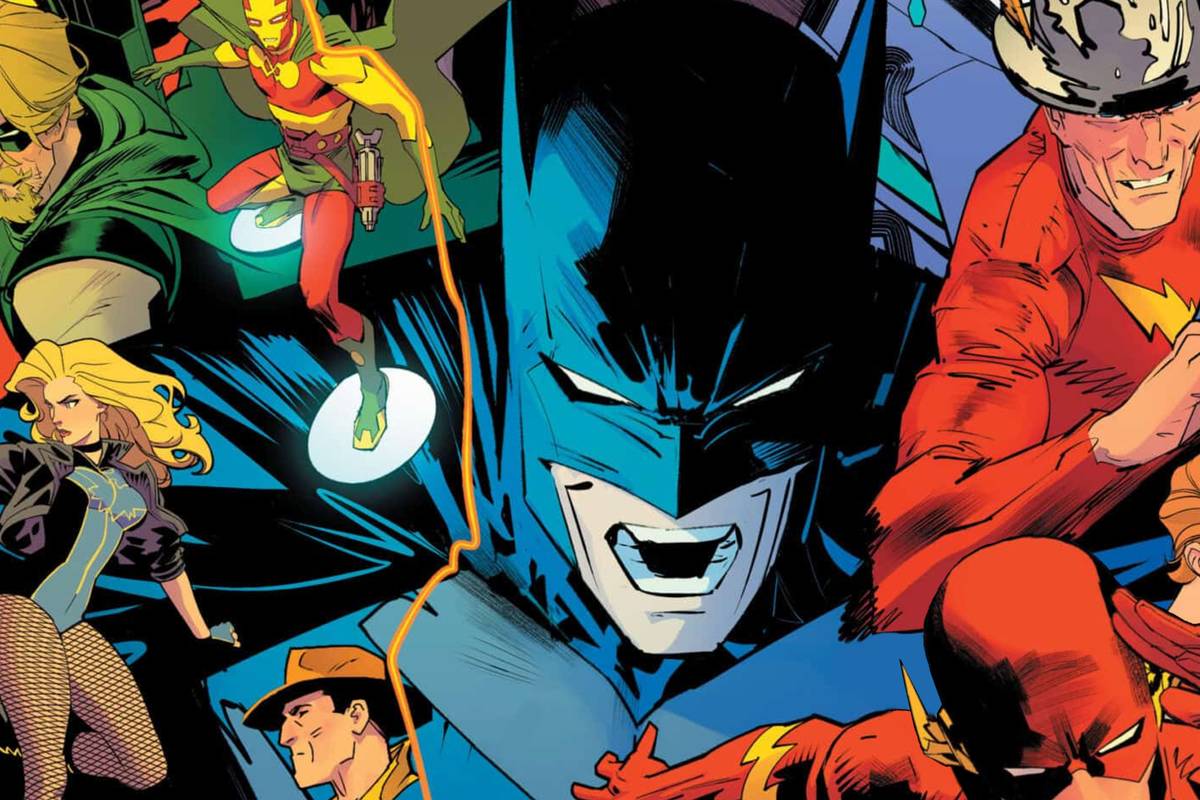
When members of the Justice League clash, the outcome rarely hinges on raw power alone. Strategy often dictates the victor, particularly when Batman is involved. His ability to anticipate the weaknesses of his teammates—like utilizing red-sun radiation to weaken Superman—highlights the dark reality of being the team’s strategist. These battles serve as a test for the team’s infrastructure, proving that their greatest weakness is often the trust they place in each other.
Outside factors frequently act as catalysts for these brawls. Whether it is Maxwell Lord tampering with minds or Poison Ivy seizing control of the Man of Steel, the League is constantly forced to fight under duress. These instances, such as the battle in Wonder Woman #219, demonstrate the extreme measures the team must take to neutralize a compromised powerhouse. The narrative tension is elevated by the moral dilemmas these heroes face when their own friends become their most lethal enemies.
The Role of Countermeasures
The existence of protocols like the Fenrir suit confirms that the League is perpetually prepared for civil war. These tactical assets are not merely weapons but existential safeguards. When Wonder Woman, Flash, or Aquaman fall to these countermeasures, it signals a shift in the power balance of the team. Readers find these moments compelling because they strip away the facade of invincibility, leaving only raw, desperate survival.
Comparative Analysis of League Skirmishes
| Storyline | Key Combatants | Primary Catalyst |
|---|---|---|
| Endgame | Batman vs. League | Mind Control |
| Trial by Fire | Fernus vs. League | Possession |
| A League of One | Wonder Woman vs. League | Protective Sacrifice |
| Kingdom Come | Superman vs. Captain Marvel | Opposing Ideologies |
Historical Context and Expert Perspective

History teaches us that the most significant battles in the Justice League’s run are rarely about malice. In many cases, like Wonder Woman: The Hiketeia, it is a conflict of honor and strict codes of conduct. Experts often point out that these stories work because they force the reader to pick a side in a battle where both combatants are technically correct in their moral alignment. This complexity is what separates DC’s storytelling from conventional superhero tropes.
By the numbers, these events act as narrative resets for the characters involved. For instance, the evolution of Martian Manhunter following the Trial by Fire event changed how the character interacted with fire, effectively removing his previous Achilles’ heel. These structural changes are only possible because of the intense, internal conflict. You can read more about these character shifts via Wikipedia’s detailed analysis of the Justice League, which catalogs the team’s complex publication history and major event arcs.
The Psychological Impact of Betrayal
The emotional toll of fighting a friend is a recurring theme. When Superman attacks Wonder Woman in Superman #211, the stakes are deeply personal. The damage to the Fortress of Solitude serves as a metaphor for the fracturing of the bond between these two titans. This internal struggle is a common trope in pop culture entertainment news, where the fragility of alliances is a constant source of fan discussion.
People Also Ask
Why does the Justice League fight itself so often?
The Justice League frequently battles internally due to outside mind control, possessive entities like Fernus, or fundamental disagreements on morality and safety. These conflicts test the team’s unity and force them to confront their own tactical vulnerabilities.
Is Batman always the one who starts these battles?
Batman rarely starts these battles maliciously, but he often initiates conflict through defensive measures. His contingency plans are designed to preemptively neutralize teammates if they become a threat, which often leads to direct confrontation.
What was the most dangerous internal threat the League faced?
The Trial by Fire storyline featuring Fernus, a malevolent personality within Martian Manhunter, is widely considered one of the most dangerous. Fernus possessed the combined powers of J’onn J’onzz and a history of telepathic destruction, making him nearly impossible to defeat.
How does the Justice League recover from these fights?
Recovery usually involves reconciling the underlying ethical issues that sparked the fight. Often, these battles lead to stronger trust or new protocols, as seen in how the League reassembled after the Appellaxian conflict in JLA #200.
Final Assessment of Team Dynamics
Exploring the 10 most iconic battles between members of the Justice League reveals that the team’s strength lies not in perfection, but in resilience. You have seen how heroes like Batman and Wonder Woman navigate these impossible situations, constantly proving their dedication to each other despite the chaos. Whether driven by manipulation or noble intent, these brawls remain the backbone of DC Comics lore.
If you want to stay updated on future team fractures and major DC events, keep an eye on industry-leading entertainment coverage. These stories will continue to push the boundaries of what these characters can survive, both physically and emotionally. The legacy of the League is one of endurance, ensuring that no matter how hard they fight each other, they remain the ultimate protectors of the Earth.
More Like This
For more updates, check out our latest entertainment and sports news.